

Fossil Fuels vs. Future Fuels: The Battle of the Century
Are you ready to talk about one of the biggest challenges our planet faces today? It’s all about energy: the old versus the new. For ages, we’ve relied on fossil fuels like coal and oil to power our lives. But now, there’s a shift happening. Future fuels, including things like wind, solar, and biofuels, are stepping up as sustainable alternatives. This shift isn’t just about keeping the lights on; it’s a crucial move to protect our environment and shape a cleaner future. Let’s look at what this means for us and our planet.
Fossil Fuels vs. Future Fuels: The Battle of the Century
What You’ll Discover
Historical Reliance on Fossil Fuels
Fossil Fuels: The Benefits and Pitfalls
Future Fuels on the Horizon
Economic Implications of Shifting to Future Fuels
Environmental Impacts of Fossil Fuels vs. Future Fuels
Global and National Policies on the Energy Market
Successes and Failures in Energy Transition
The Road Ahead for Energy Consumption
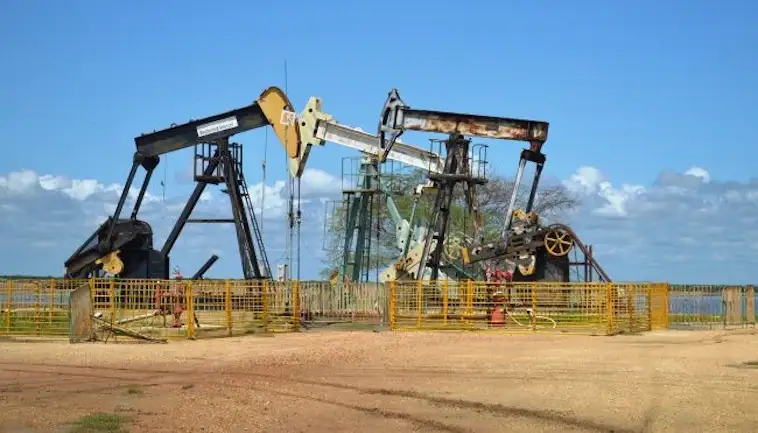
Historical Reliance on Fossil Fuels
For over a century, fossil fuels such as coal, oil, and natural gas have powered the world. They’ve driven our industries, kept our homes warm, and our vehicles running. But this reliance has come with significant drawbacks, including pollution and the depletion of our planet’s finite resources.
- Coal: Once the backbone of industrial power, its use is now declining due to environmental concerns.
- Oil: Essential for transportation and industry, but heavily criticised for its environmental impact.
- Natural Gas: Considered the cleanest fossil fuel, yet still contributes to greenhouse gas emissions.
The Rise of Future Fuels
In recent years, the push for sustainable energy sources has intensified. Future fuels, including renewables like solar, wind, and biofuels, are central to this new energy landscape. These sources are not only abundant but also produce little to no greenhouse gases, making them essential for a sustainable future.
- Solar Energy: Harnesses the sun’s power and is becoming more efficient and affordable.
- Wind Energy: Utilises the wind to produce electricity without emissions.
- Biofuels: Created from organic materials, offering a renewable alternative to fossil fuels.
Global Need for Sustainable Energy
The global community recognises the urgent need to shift towards sustainable energy. This shift is driven by the need to address climate change and ensure energy security for future generations. Renewable energy sources are now the fastest-growing energy sectors worldwide.
Why the Shift Is Crucial
- Environmental Impact: Reducing the carbon footprint and combating climate change.
- Economic Benefits: Generating jobs and new technologies in the renewable sector.
- Energy Security: Diversifying energy sources to reduce dependency on imports.
The debate between continuing our reliance on fossil fuels and transitioning to future fuels is ongoing. However, the trend is clear: the world is moving towards renewables. This shift is not just about protecting the environment—it’s also about building a sustainable economy that can support the next generation. The conversation continues as we balance economic needs, energy security, and environmental sustainability in our energy policies.
Fossil Fuels: The Benefits and Pitfalls
Fossil fuels, including coal, oil, and natural gas, are natural resources formed from the remains of ancient plants and animals. They have been the backbone of modern society, powering everything from cars to cities.
Economic Contributions of Fossil Fuels
Fossil fuels have been pivotal in driving global economic growth. They provide affordable energy to power industries, transport goods, and keep our lights on.
- Industrial Growth: Factories and plants run largely on energy from fossil fuels.
- Transportation: Cars, planes, and ships predominantly use oil-based fuels.
- Energy Production: Most of the world’s electricity is generated from fossil fuels.
Technology and Fossil Fuels
The technology used to extract and utilise fossil fuels has evolved significantly. We now have efficient drilling techniques, advanced refineries, and sophisticated distribution networks. These technologies have maximised energy output while striving to reduce costs and increase safety.
- Drilling Techniques: Technologies like fracking and offshore drilling have opened up new reserves.
- Refinement Processes: More refined techniques mean more energy extracted from the same amount of resources.
Drawbacks of Fossil Fuels
Despite their benefits, fossil fuels come with significant drawbacks. These include environmental pollution, greenhouse gas emissions, and the finite nature of these resources.
- Environmental Pollution: Oil spills, mining disasters, and air pollution are common.
- Greenhouse Gas Emissions: Burning fossil fuels is a major source of carbon dioxide, a leading greenhouse gas.
- Finite Resources: Fossil fuels are not renewable—they will eventually run out.
Risks of Continued Dependency
Relying too heavily on fossil fuels poses risks. Environmental degradation, health issues, and economic instability can arise from over-dependence.
- Climate Change: Continued fossil fuel use is linked to extreme weather, rising sea levels, and other climate-related changes.
- Economic Vulnerability: Nations dependent on fossil fuel exports can suffer economically when prices fluctuate.
- Energy Security: As resources diminish, energy security becomes a concern, leading to potential conflicts.
The global community is recognising these risks and looking toward renewable energy sources. This shift aims to secure a sustainable future, balancing our energy needs with the health of our planet.
Future Fuels on the Horizon
As we look for sustainable ways to meet global energy demands, several promising types of future fuels are emerging. These include hydrogen fuel cells, advanced biofuels, and synthetic fuels.
Hydrogen Fuel Cells
Hydrogen fuel cells produce electricity by combining hydrogen and oxygen atoms. This process leaves behind only water as a byproduct, making it incredibly clean.
- Technological Innovations: Recent breakthroughs include improved catalysts that increase the efficiency of fuel cells.
- Viability: Hydrogen can be produced from renewable sources, and fuel cells can be used in cars, homes, and industrial power.
Advanced Biofuels
Advanced biofuels are made from non-food biomass including crop waste, algae, and other organic waste materials. These biofuels are designed to be more sustainable and less harmful to the environment.
- Technological Breakthroughs: Scientists are developing methods to convert biomass to fuel more efficiently, reducing costs and environmental impact.
- Potential: Advanced biofuels could significantly reduce greenhouse gas emissions from transportation, one of the largest sources of emissions.
Synthetic Fuels
Synthetic fuels, or synfuels, are produced from carbon dioxide and water using renewable energy. They mimic conventional hydrocarbons but burn cleaner.
- Innovations: New catalysts and processes are making it cheaper and easier to produce synfuels at scale.
- Sustainability: Synfuels can be a direct replacement for diesel and gasoline, offering a seamless transition for existing vehicles and infrastructure.
Meeting Global Energy Demands
These future fuels are not just technological marvels; they offer real solutions for reducing global reliance on fossil fuels.
- Scalability: With the right infrastructure, these fuels can be produced and distributed at a large scale.
- Environmental Impact: They offer significant reductions in greenhouse gases and pollutants.
- Economic Potential: Investing in these technologies can drive economic growth through new industries and jobs.
The potential of hydrogen fuel cells, advanced biofuels, and synthetic fuels is immense. As technology continues to advance, these fuels become more viable, promising a sustainable and energy-secure future for all.
Economic Implications of Shifting to Future Fuels
Shifting from fossil fuels to future fuels is a big step. It involves new costs, big infrastructure changes, and a fresh look at subsidies. But it also opens the door to exciting economic opportunities.
Comparing Costs: Fossil Fuels vs. Future Fuels
Fossil fuels have been relatively cheap to extract and use because of established technologies and infrastructure. However, hidden costs such as environmental damage and health impacts make them more expensive in the long run.
- Subsidies: Fossil fuels have traditionally received substantial subsidies that lower their cost. But this is changing as more governments support renewable energy.
- Infrastructure Costs: Setting up new infrastructure for future fuels can be costly. However once established, operational costs are often lower compared to fossil fuels.
Investing in New Infrastructure
Transitioning to future fuels means investing in new infrastructure. This includes things like solar farms, wind turbines, and charging stations for electric vehicles.
- Initial Investment: High upfront costs are a major hurdle.
- Long-Term Savings: Renewable infrastructure tends to have lower maintenance and operational costs over time.
Economic Benefits of Innovative Energy Technologies
Investing in future fuels is not just about avoiding costs; it’s also about creating opportunities.
- Job Creation: Building and maintaining new energy systems creates jobs in engineering, manufacturing, and installation.
- Innovation: As countries invest in renewable energy technologies, they spur innovation that can lead to new products and services.
- Energy Security: Reducing dependence on imported fuels can improve national security and stabilise economies.
The transition to future fuels is economically significant. It involves initial costs and adjustments. Yet, the shift promises greater environmental health, energy independence, and economic opportunities through new industries.
- Costs Now for Savings Later: The money we put into future fuels today can save us from higher costs of environmental and health issues down the road.
- A Cleaner, Sustainable Economy: Future fuels can help us build a more sustainable economy, reducing the impact on our planet and improving the quality of life globally.
This shift is essential for a sustainable future, balancing immediate costs with long-term benefits.
Environmental Impacts of Fossil Fuels vs. Future Fuels
When we talk about the environmental impacts of energy sources, the differences between fossil fuels and future fuels are striking. Each type of fuel affects our planet in unique ways, from the air we breathe to the water we drink.
Lifecycle Emissions
Fossil fuels release a significant amount of greenhouse gases throughout their lifecycle—from extraction to burning. These emissions are a major contributor to climate change.
- Fossil Fuels: High emissions during extraction, processing, and use.
- Future Fuels: Much lower emissions, especially when sourced from renewables like wind or solar.
Impact on Air, Water, and Soil
The way fossil fuels and future fuels interact with air, water, and soil varies greatly, affecting everything from human health to ecosystem stability.
- Air Quality: Fossil fuels emit pollutants that degrade air quality and cause health issues. Future fuels generally result in cleaner air.
- Water Quality: Fossil fuel extraction and use can lead to water pollution, spills, and contamination. Renewable energy sources typically have minimal impact on water resources.
- Soil Quality: Oil spills and coal mining can devastate soil health. Renewable energy installations, like solar panels and wind turbines, have significantly less impact on soil.
Role in Climate Change Mitigation
The role of different fuels in combating climate change is perhaps the most critical consideration today.
- Fossil Fuels: Continued use exacerbates global warming and climate-related disasters.
- Future Fuels: Utilising renewables can drastically reduce our carbon footprint and help mitigate climate change impacts.
The shift from fossil fuels to future fuels is essential for protecting the environment. While the initial setup for renewable energy sources can have some environmental impacts, these are minimal compared to the ongoing and extensive damage caused by fossil fuels.
- Sustainability: Future fuels offer a more sustainable and cleaner energy solution.
- Reducing Impact: By transitioning to future fuels, we reduce harmful emissions and protect our air, water, and soil for future generations.
This comparison shows the stark differences in environmental impact between fossil fuels and future fuels, highlighting the urgent need for a shift towards more sustainable energy practices.
Global and National Policies on the Energy Market
Global and national policies play a critical role in shaping the energy market. They can drive the adoption of renewable energy, regulate fossil fuels, and set the stage for significant environmental action.
Key Global Agreements
One of the most influential agreements is the Paris Agreement. Countries around the world have committed to reducing their carbon emissions to combat climate change.
- The Paris Agreement: Aims to keep global temperature rise this century well below 2°C above pre-industrial levels.
- Impact: Encourages countries to shift towards renewable energy sources and reduce reliance on fossil fuels.
National Regulations and Their Impacts
Each country has its own set of policies that can either support or hinder the development of various fuels. These policies directly affect how quickly and effectively a country can transition to cleaner energy.
- Subsidies for Renewables: Many countries offer financial incentives for renewable energy projects, making them more viable and attractive.
- Regulations on Fossil Fuels: Some nations impose strict regulations on fossil fuel extraction and use, which can limit their impact but also face strong resistance from traditional energy sectors.
Political Challenges in Enacting Policies
Creating and implementing energy policies comes with its share of political challenges. Balancing economic, environmental, and social factors is no small task.
- Economic Interests: Fossil fuel industries are powerful and have deep economic roots. Moving away from these can be politically and economically challenging.
- Public Opinion: Policies often need public support to be effective. This can be difficult to achieve, especially when immediate costs are evident, but long-term benefits are less visible.
- International Cooperation: Energy policies can require countries to work together, which can be complex due to differing national interests and priorities.
Policies at both the global and national levels are crucial for directing the energy market towards sustainability. They help set the rules, provide the necessary incentives, and create a framework within which energy markets can operate more cleanly and efficiently.
- Driving Change: Effective policies can drastically reduce greenhouse gas emissions and promote clean energy.
- Navigating Challenges: It’s essential to address the economic and political realities of shifting energy policies to ensure successful implementation and long-term sustainability.
The role of policies in the energy market is pivotal, acting as both enablers and barriers depending on their design and execution. The future of our planet’s climate and our global energy economy heavily depends on these policies.
Successes and Failures in Energy Transition
Many countries and companies are making bold moves to shift from fossil fuels to future fuels. Let’s look at some examples of these transitions, the successes they’ve had, and the challenges they’ve faced.
Successful Initiatives
Norway’s Electric Vehicle (EV) Push
- What They Did: Norway has become a world leader in electric vehicle adoption, thanks to generous government incentives like tax breaks, free tolls, and parking.
- Success: Over half of all new cars sold in Norway are now electric.
Iceland’s Geothermal and Hydro Power
- What They Did: Iceland has capitalised on its unique geology to harness geothermal and hydroelectric power.
- Success: Almost 100% of Iceland’s electricity comes from renewable sources.
Challenges and Lessons Learned
Germany’s Energiewende
- Initiative: Germany’s ambitious energy transition aims to phase out nuclear and fossil fuels for renewables.
- Challenges: High costs, public resistance, and technical issues with integrating renewable energy into the national grid.
- Lessons: It’s crucial to balance ambition with practical implementation strategies and public acceptance.
California’s Renewable Energy Goals
- Initiative: California has set aggressive targets for renewable energy.
- Challenges: Facing difficulties with grid management and maintaining power supply during peak demands.
- Lessons: The importance of investing in grid infrastructure and energy storage technologies to manage supply and demand.
Best Practices for a Successful Transition
From these examples, several best practices emerge for transitioning from fossil fuels to future fuels:
- Government Incentives: Effective incentives can significantly boost the adoption of renewable technologies.
- Public Engagement: Gaining public support is essential for the success of energy transitions.
- Infrastructure Investment: Upgrading infrastructure is crucial to handle new types of energy and ensure reliability.
- Holistic Approach: A comprehensive strategy that includes policy, technology, and consumer behaviour is key to a smooth transition.
The journey from fossil fuels to future fuels is not without its challenges, but the successes of countries like Norway and Iceland inspire optimism. By learning from each other’s experiences, countries and companies can navigate the complexities of energy transition more effectively, paving the way for a sustainable energy future.
The Road Ahead for Energy Consumption
As we look towards the future, the way we consume energy is set to dramatically change. The pace of this transition is crucial if we are to combat climate change effectively. Innovation and global cooperation play pivotal roles in this shift towards a sustainable energy landscape.
The Pace of Transition
To mitigate the impacts of climate change, the transition from fossil fuels to renewable energy needs to happen quickly. Experts suggest that to meet the goals of the Paris Agreement, we need to significantly reduce our carbon emissions by 2030.
- Rapid Change Needed: We need to cut down on emissions faster than ever before.
- Renewable Energy Expansion: Solar, wind, and other renewables need to be adopted widely and swiftly.
Role of Innovation
Innovation is the engine driving the change in energy consumption. New technologies not only make renewable energy more efficient but also more accessible.
- Advancements in Technology: From better battery storage to more efficient solar panels, technology is key.
- Smart Grids: Innovations like smart grids allow for more flexible and efficient energy use.
Global Cooperation
No single country can tackle climate change alone. Global cooperation is essential. Countries need to share technologies, set international standards, and support each other financially.
- International Agreements: Like the Paris Agreement, these set shared goals and track progress.
- Technology Transfer: Wealthier countries can help developing nations by sharing technology and resources.
Towards a Sustainable Energy Future
The transition to a sustainable energy landscape involves everyone – governments, businesses, and individuals.
- Government Policies: Effective policies can encourage the use of renewables and the phasing out of fossil fuels.
- Corporate Responsibility: Companies need to invest in clean energy and reduce their carbon footprints.
- Individual Actions: Everyone can contribute by reducing energy use and supporting renewable energy where possible.
The future of energy consumption is poised for significant change. By embracing innovation and fostering global cooperation, we can accelerate the transition to a sustainable energy future. This change is not just necessary; it’s urgent if we are to meet our climate goals and ensure a healthy planet for future generations.
Conclusion
As we look at the ongoing battle between fossil fuels and future fuels, it’s clear that the stakes are incredibly high. This isn’t just about choosing the cheaper or more convenient option. It’s about making decisions today that will safeguard our planet for future generations. While fossil fuels have powered our past, future fuels are the key to a cleaner, more sustainable world.
The transition to renewable energy sources like solar, wind, and biofuels comes with challenges, including financial costs and infrastructural changes. However, the benefits—reduced environmental impact, decreased greenhouse gas emissions, and a more secure energy future—far outweigh these obstacles.
As individuals and as a global community, embracing this change is essential. By supporting policies that favour renewable energy and making personal choices that align with these values, we can drive the shift towards a more sustainable energy landscape. The battle may be tough, but it’s one we need to engage in with optimism and determination for the sake of our planet.