

Endangered Species: Can We Save Them?
Endangered species face critical threats that could lead to their extinction. Factors like habitat loss, pollution, and climate change are putting immense pressure on various animals and plants. This topic is crucial as every species plays a vital role in its ecosystem. Efforts to save these species are ongoing and need widespread support. Understanding these challenges is the first step toward making a difference. Let’s look at the strategies that conservationists are using and see how each of us can contribute to these efforts.
Endangered Species: Can We Save Them?
What You’ll Discover
Endangered Species and Their Plight
The Current State of Endangered Species
Conservation Success Stories
Challenges in Species Conservation
Innovative Conservation Techniques and Their Impact
Role of Local Communities in Conservation Efforts
Policy and Global Action: What Governments Are Doing
How Can We Do More? Future Directions in Conservation
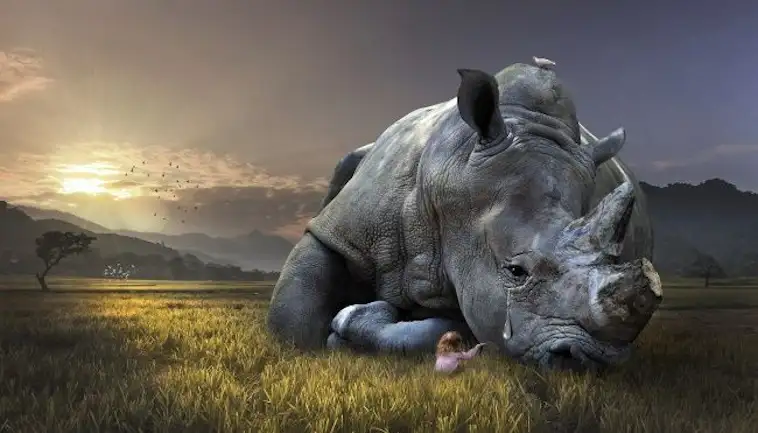
Endangered Species and Their Plight
Endangered species are animals, plants, or other organisms that are at serious risk of extinction. This means there are so few left in the wild that they might disappear from the planet forever if we don’t take action.
Why Endangered Species Matter
Every species plays a unique role in its ecosystem. When one species disappears, it can throw the whole system off balance. Here are a few reasons why they are so important:
- Biodiversity: Each species contributes to the biodiversity of an ecosystem, which helps it withstand and recover from a variety of disasters.
- Ecological Balance: Many species are crucial in maintaining the balance of their habitats, like bees that pollinate flowers and top predators that manage the populations of other animals.
- Human Benefits: We often rely on various species for food, medicine, and even the air we breathe.
Key Statistics About Biodiversity Loss
The current rate of biodiversity loss is alarming. Here are some critical statistics:
- Over 1 million species are at risk of extinction.
- The global rate of species extinction is now tens to hundreds of times higher than the average over the past 10 million years.
Criteria for Classifying Species as Endangered
A species is classified as endangered based on several criteria, which include:
- Population size: How many individuals are left.
- Rate of decline: How fast is the species disappearing.
- Area of geographic distribution: How much area does the species occupy, and how much has this area shrunk.
- Degree of population and distribution fragmentation: Are the remaining groups of this species isolated and separate from each other.
The Urgency of Conservation Efforts
Conservation efforts are crucial and need immediate action because once a species goes extinct, there’s no bringing it back. Here’s why there’s such a rush:
- Habitat loss: Due to urban development, agriculture, and climate change, natural habitats are disappearing faster than ever.
- Direct exploitation: Overfishing, poaching, and illegal wildlife trade are directly killing off many species.
- Pollution: Pollution is harming many species’ ability to reproduce and survive.
Protecting endangered species isn’t just about saving them; it’s about ensuring our planet remains habitable and vibrant for future generations. Every action we take, no matter how small, can help make a big difference.
The Current State of Endangered Species
Critically endangered species are those that are on the brink of extinction. Their numbers are so low that each individual’s survival is crucial for the species’ future. Let’s explore some of these species, where they live, and what’s causing their numbers to plummet.
Who Are These Species?
- Amur Leopard: With fewer than 100 individuals left in the wild, the Amur leopard is found in the temperate forests of the Russian Far East and northeastern China.
- Vaquita: The world’s rarest marine mammal, the vaquita, has an estimated 10 individuals remaining and is found only in the northern part of the Gulf of California, Mexico.
- Javan Rhino: With just about 74 individuals, this rhino species lives in just one protected area in Indonesia – the Ujung Kulon National Park.
Factors Driving Decline
The reasons behind the decline of these species are varied but equally devastating:
- Habitat Destruction: Expanding human activities like farming, logging, and development are shrinking the natural habitats of these species. For example, the forests where Amur leopards roam are being cut down for timber and agriculture.
- Poaching and Illegal Wildlife Trade: The Javan rhino is particularly vulnerable to poaching because its horn is highly valued on the black market.
- Bycatch: The vaquita is often caught and drowned in gillnets used for illegal fishing operations.
The Current Situation
The situation for these species is dire, but there is hope if conservation efforts are supported and expanded. Here are some key points:
- Conservation Programs: Breeding programs and strict anti-poaching laws are crucial for these species. For the Amur leopard, conservation efforts have slowly increased their numbers.
- Protected Areas: Expanding and enforcing the boundaries of protected areas can help, as seen with the Javan rhino in Indonesia.
- Community Involvement: Engaging local communities in conservation efforts can help reduce threats to these species.
The survival of critically endangered species depends on urgent and concerted efforts worldwide. By understanding the specific needs and threats faced by each species, we can better target our conservation strategies. Every effort counts in the race to save these precious lives from extinction.
Conservation Success Stories
Conservation efforts around the world have had some remarkable victories. Let’s take a closer look at a few success stories and discover what made them work.
Recovering Species
- Bald Eagle: Once on the brink of extinction in the U.S. due to pesticide use, this majestic bird has made a dramatic comeback thanks to legal protection and the banning of DDT, a harmful pesticide.
- American Alligator: By the 1950s, this species was nearly wiped out by hunting and habitat loss. Protected under new laws and managed wisely, their populations have rebounded across the southeastern USA.
- Mountain Gorilla: Intensive anti-poaching efforts and veterinary interventions have helped double their population since the 1980s. They are found in the mountains of Rwanda, Uganda, and the Democratic Republic of Congo.
Keys to Success
What made these conservation efforts work? Here are some crucial factors:
- Legal Protection: Strong laws, like the Endangered Species Act in the U.S., have been vital. They protect not only the animals but also their habitats.
- International Cooperation: For migratory species like the bald eagle, cooperation across borders is essential to ensure their habitats are safe wherever they go.
- Community Involvement: Engaging local communities and making them stakeholders in the conservation process helps ensure that wildlife protection efforts are respected and maintained.
- Scientific Management: Using science to inform conservation strategies, such as knowing when to intervene and how to manage wildlife populations sustainably, has been critical.
The success stories of the bald eagle, American alligator, and mountain gorilla show that with the right mix of legal protection, community involvement, and international cooperation, we can make significant strides in conservation. These examples inspire us to continue the hard work and innovative approaches needed to save our planet’s diverse species. Every successful effort adds hope for the future of all endangered wildlife.
Challenges in Species Conservation
Conservation work is crucial but incredibly challenging. Several obstacles make it difficult to protect our planet’s most vulnerable species.
Key Conservation Challenges
- Habitat Destruction: As cities grow and farmland expands, natural habitats are being destroyed. This leaves animals with nowhere to live and breed.
- Illegal Wildlife Trade: Poaching and illegal trade are devastating for species like elephants and rhinos. Despite efforts to stop it, this illegal market is still very active and profitable.
- Insufficient Funding: Conservation programs often don’t get enough money to do their work. This means there’s not enough to pay for things like park rangers or new technologies that help protect animals.
Why These Challenges Are Tough
Each of these problems is tough to tackle:
- Habitat Destruction: It’s hard to balance human needs for land with the need to preserve natural spaces. Once a habitat is gone, restoring it is difficult and sometimes impossible.
- Illegal Wildlife Trade: This is a global issue that requires international cooperation, which can be slow and complicated. The high profits from selling illegal animal products also make it hard to stop those involved.
- Insufficient Funding: Money for conservation has to compete with other priorities. It’s often seen as less urgent compared to immediate human needs like healthcare or education.
These challenges make it clear that conservation is not just about saving animals; it’s about addressing complex human issues too. We need innovative solutions, more international cooperation, and a commitment to funding if we’re going to overcome these obstacles. Every small step forward is a victory, but there is still much work to be done to ensure a safe future for our world’s incredible wildlife.
Innovative Conservation Techniques and Their Impact
In the world of wildlife conservation, scientists and environmentalists are turning to novel methods to save species from extinction. Here are some of the cutting-edge techniques they are using.
Exciting Conservation Techniques
- Genetic Rescue: This involves introducing new genetic material to small, isolated populations to boost their health and survival chances. For example, it’s being used to help increase the genetic diversity of the Florida panther.
- Wildlife Corridors: These are paths that connect separate habitats, allowing animals to move safely between them. This movement is essential for feeding, mating, and maintaining genetic diversity.
- Advanced Monitoring Technologies: Drones, satellite imagery, and automated cameras are now common tools for keeping an eye on wildlife and their habitats without disturbing them.
Evaluating Effectiveness and Scalability
These methods show promise, but they come with challenges:
- Genetic Rescue: While it can prevent inbreeding, there’s a risk of disrupting local adaptations in the original population. Its success varies by species and situation.
- Wildlife Corridors: These are highly effective in theory but require large-scale land management and cooperation from multiple landowners, which can be difficult to achieve.
- Advanced Monitoring Technologies: These technologies provide unprecedented ways to monitor species over large areas. However, they require significant investment in technology and training to be effective.
While each of these methods has its limitations, their development and deployment are crucial steps forward in conservation science. As we refine these techniques and improve international cooperation, the scalability and impact of these innovations will only grow. This progress gives hope that we can turn the tide for many threatened species around the world.
Role of Local Communities in Conservation Efforts
Involving local communities is crucial for the success of conservation efforts. When the people who live near natural habitats take part in protecting them, the results are often impressive.
Why Local Involvement Matters
Local communities often have deep knowledge and a vested interest in the health of their environment. By including them, conservation projects gain valuable insights and allies. Here’s how community involvement makes a difference:
- Local Knowledge: Residents understand their environment and can offer insights that outsiders might miss.
- Increased Trust: When communities are involved, they’re more likely to support and sustain conservation efforts.
- Economic Benefits: Conservation can provide jobs and income, making it a beneficial choice for locals.
Successful Community-Based Conservation Projects
Projects around the world show how effective this approach can be:
- The Namibian Conservancy Program: This program empowers communities to manage wildlife through conservancies. As a result, populations of lions, cheetahs, and black rhinos in Namibia have rebounded.
- The Amazon Turtle Project: Locals help protect turtle nesting sites and monitor populations. In return, they receive training and income, which has led to a significant increase in turtle numbers.
The Impact of Community Engagement
Here’s why these projects work so well:
- Empowerment: Communities take ownership of the conservation efforts, leading to more sustainable practices.
- Economic Incentives: By aligning conservation with economic benefits, locals are motivated to keep their environment healthy.
- Cultural Respect: These projects respect and integrate local traditions and knowledge, strengthening the overall approach.
Engaging local communities isn’t just beneficial—it’s essential for the long-term success of conservation efforts. When local people lead the charge, they not only protect nature but also create better futures for themselves. This partnership is a powerful model for conservation worldwide.
Policy and Global Action: What Governments Are Doing
Policies and international agreements play a vital role in protecting endangered species. These regulations can help manage threats like habitat destruction and illegal wildlife trade.
Key International Agreements
- Convention on International Trade in Endangered Species (CITES): This international agreement regulates the trade of endangered species to ensure it does not threaten their survival.
- Convention on Biological Diversity (CBD): This treaty aims to conserve biological diversity, use biological resources sustainably, and share the benefits from the use of genetic resources fairly.
National Legislation
Countries also pass their own laws to protect wildlife:
- The Endangered Species Act in the U.S.: This law protects threatened and endangered plants and animals and their habitats.
- The Wildlife Protection Act in India: It provides protection to wild species and penalises poaching and illegal trade.
Effectiveness of These Policies
These policies have been crucial in saving numerous species from extinction:
- CITES: Has successfully limited the international trade of endangered species, helping to stabilise or increase the populations of species like the elephant.
- National laws: Have created protected areas where wildlife can thrive.
Room for Improvement
Despite successes, there are areas where these policies could improve:
- Enforcement: In many parts of the world, the enforcement of conservation laws is weak due to limited resources or corruption.
- Adaptability: As new threats emerge, such as climate change, policies need to adapt more quickly.
- Community Involvement: Often, local communities are not involved in the policymaking process, which can lead to conflicts and non-compliance.
Policy and international agreements are foundational to conservation efforts. They provide a framework for action. However, to be truly effective, these policies must be well-enforced, adaptable to new challenges, and inclusive of local communities. Enhancing these areas could make a significant difference in the global effort to conserve endangered species.
How Can We Do More? Future Directions in Conservation
While current conservation efforts have made some strides, there’s much more that can be done. From increasing funding to encouraging individual actions, every step counts.
What More Can Be Done?
- Increased Funding: Conservation projects are often underfunded. More money could help expand protected areas, fund more research, and employ more people to care for wildlife.
- Greater Public Awareness: People protect what they care about. Awareness campaigns can educate the public on the importance of biodiversity and the threats species face.
- Rigorous Enforcement of Laws: Many countries have wildlife protection laws, but enforcement is often weak. Strengthening this area can prevent illegal activities like poaching and habitat destruction.
Encouraging Individual Actions
Individuals can also play a significant role in conservation:
- Support Wildlife-Friendly Products: Choose products that are produced sustainably, such as certified timber, coffee, and other goods that support conservation.
- Engage in Citizen Science Projects: These projects allow regular people to contribute to scientific research, such as bird counts or monitoring local wildlife, which provides valuable data to conservationists.
Enhancing conservation efforts requires a multi-faceted approach. By increasing funding, raising public awareness, and enforcing laws more rigorously, we can provide better protection for our planet’s species. At the same time, individual actions can make a big difference. Together, these efforts create a stronger, more effective response to the biodiversity crisis.
Conclusion
Saving endangered species is a big challenge, but it’s one we can meet if we all work together. From international laws that protect wildlife to local projects that involve communities, every effort counts. We also need more funding and stronger enforcement of laws to make sure our conservation actions are effective.
Remember, each of us can make a difference. Whether it’s choosing sustainable products, participating in citizen science projects, or spreading the word about the importance of biodiversity, your actions matter. By taking these steps, we can help ensure that future generations will live in a world as diverse and vibrant as the one we enjoy today. Let’s keep pushing forward because every species saved is a victory for our planet.