

The World’s Most Vulnerable Coastal Erosion Hotspots
Coastal erosion is a pressing issue impacting shores around the globe. It happens when ocean waves, wind, and other natural forces wear away at the coastline, often sped up by human activities. This not only reshapes our beautiful beaches but also threatens wildlife and local communities. We’re taking a trip around some of the most affected coastal areas, from the sandy shores of Louisiana to the tropical coastlines of the Maldives. Join us as we learn about these vulnerable spots and what can be done to protect them.
The World’s Most Vulnerable Coastal Erosion Hotspots
What You’ll Discover
Coastal Erosion: Understanding the Basics
The Waning Shores of Louisiana, USA
The Disappearing Beaches of the Maldives
Australia’s Eroding East Coast
India’s Eroding Eastern Ghats
The Beleaguered British Coastline
West Africa’s Erosion Crisis
Global Solutions and Future Directions
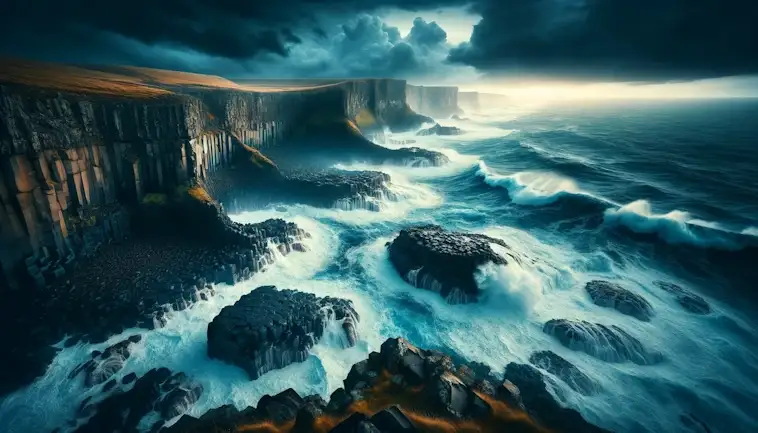
Coastal Erosion: Understanding the Basics
Coastal erosion is the process where wind, water, and geological factors gradually wear away the shoreline. This natural occurrence has shaped our coastlines for millions of years, but it has significant environmental implications.
Natural Causes of Coastal Erosion
- Wind: Wind can be powerful, especially near the coast. It picks up and moves sand and other materials, reshaping the landscape over time.
- Water: Waves and currents are the main drivers of coastal erosion. The constant pounding of waves against the shore breaks down rocks and sediments, which are then swept away by ocean currents.
- Geological Factors: The type of rocks and their structure along coastlines also affect how quickly erosion occurs. Softer rocks erode faster under the stress of waves and currents.
Human Activities Exacerbating Coastal Erosion
Human actions have intensified the rate of coastal erosion in many areas. Here’s how:
- Construction: Building infrastructure like seawalls, piers, and harbours can interfere with the natural patterns of sediment movement along coastlines. This often leads to increased erosion in other, often unexpected, areas.
- Deforestation: Removing vegetation from coastal areas removes the natural barrier to erosion. Plant roots help hold the soil together, so when vegetation is cleared, erosion can occur more quickly.
Why Coastal Erosion Matters
Coastal erosion isn’t just about losing bits of land into the sea. It poses several serious issues:
- Loss of Habitat: As coastlines erode, the habitats for various marine and land species are destroyed, leading to potential loss in biodiversity.
- Economic Impact: Many coastal areas are home to bustling communities whose economies rely on beaches and natural beauty to attract tourists. Erosion can lead to the loss of these attractions, harming local businesses.
- Threat to Infrastructure: Homes, roads, and other infrastructure near the coast can be damaged or completely destroyed by erosion, leading to safety risks and high costs for repairs and relocation.
Addressing coastal erosion is crucial, it requires balancing natural processes with human needs to protect our coastlines and the communities that depend on them.
The Waning Shores of Louisiana, USA
The coastal wetlands of Louisiana are an environmental treasure, teeming with life and supporting a unique ecosystem. But these precious areas are disappearing quickly, making them one of the fastest-eroding landscapes in the world.
Causes of Land Loss
The reasons behind the rapid loss of Louisiana’s coastal wetlands are complex:
- Sea-Level Rise: As global temperatures climb, sea levels are rising. This increase is swallowing up low-lying coastal wetlands at an alarming rate.
- Subsidence: The ground in coastal Louisiana is naturally sinking, a process known as subsidence. This makes the effects of sea-level rise even more pronounced.
- Reduced Sediment Flow: The Mississippi River used to carry sediment that helped build up the wetlands. Due to dams and levees upriver, much less sediment now reaches these areas to replenish the land.
Human Impacts
Human activities have accelerated the loss of these wetlands:
- Oil and Gas Extraction: Drilling for oil and gas has changed the structure of the coastal ground. It also leads to water intrusion, which erodes the land further.
- Levee Construction: Levees are built to prevent flooding, but they also prevent the natural flow of sediment that once helped maintain the wetlands.
Why It Matters
The loss of Louisiana’s coastal wetlands is a pressing issue. Here’s why it’s so important:
- Protection Against Storms: Wetlands act as natural barriers against hurricanes. Losing them means more severe storm impacts inland.
- Economic Consequences: These wetlands support a large portion of Louisiana’s economy, including fisheries and tourism.
- Wildlife Habitat: Many species rely on these wetlands. As the wetlands disappear, these animals and plants face the threat of extinction.
Preserving Louisiana’s coastal wetlands is critical. It requires efforts to mitigate human impacts and adapt to the changes already underway. By understanding and tackling these challenges, we can help protect this unique area for future generations.
The Disappearing Beaches of the Maldives
The Maldives is a stunning archipelago with white sandy beaches and clear blue waters. But this beautiful nation faces serious environmental challenges. Its islands and coral atolls are incredibly vulnerable to erosion and rising sea levels.
Environmental Threats
- Erosion: Natural and human-induced erosion is wearing away the sandy shores of the Maldives.
- Sea-Level Rise: As global temperatures rise, sea levels do too. This rise threatens to submerge the low-lying islands of the Maldives.
Economic Implications
Tourism is the backbone of the Maldives’ economy. Here’s how environmental changes threaten this crucial sector:
- Loss of Beaches: Tourists flock to the Maldives for its beaches. Erosion and sea-level rise threaten these key attractions, which could deter visitors.
- Damaged Infrastructure: Rising waters and erosion damage infrastructure. This includes hotels, roads, and airports, making it harder and more expensive to maintain tourist facilities.
Efforts to Combat Environmental Threats
The Maldives is not sitting back. The country is actively engaging in several initiatives:
- Beach Nourishment: This involves adding sand to beaches that are eroding. It helps maintain the shoreline and protect the islands’ infrastructure.
- Barrier Construction: Artificial barriers like seawalls are being built to hold back the sea and protect the islands from storm surges and erosion.
The survival of the Maldives depends on how well it can handle these environmental challenges. Protecting the islands not only safeguards the local communities and their way of life but also preserves a vital economic resource: the tourism industry. By investing in protective measures and sustainable practices, the Maldives can hope to mitigate some of the risks posed by climate change and continue to thrive in the face of these daunting challenges.
Australia’s Eroding East Coast
Australia’s eastern coast is facing serious erosion issues, particularly in hotspots like Byron Bay. This erosion is reshaping the coastline, impacting local ecosystems, and threatening properties.
Impact on Local Ecosystems and Properties
- Local Ecosystems: The natural habitats of various marine and land species are being disrupted. As the coastline recedes, the balance of these ecosystems is altered, affecting wildlife and plant populations.
- Properties: Homes, businesses, and public infrastructures close to the shoreline are at risk. Erosion can lead to property damage, a decrease in property values, and loss of land.
Measures Being Taken
Communities and governments are actively working to combat erosion:
- Coastal Management Plans: These plans are designed to address erosion by assessing risks and identifying sustainable ways to manage the coastline. They often include guidelines for development near vulnerable areas to ensure minimal impact on the eroding coastlines.
- Sea Walls: In areas like Byron Bay, sea walls and other structures are being constructed to protect the coast from the force of the waves. These barriers help to prevent further erosion and protect the land behind them.
Why It Matters
The ongoing erosion along Australia’s eastern coast is not just a local issue but a national concern:
- Environmental Health: Healthy coastlines contribute to the overall health of marine ecosystems, which are vital for biodiversity and the environment.
- Economic Impact: Many of the affected areas are popular tourist destinations. Erosion can lead to a decrease in tourism, which impacts local economies.
Addressing the challenges of coastal erosion requires a balanced approach that considers both environmental sustainability and community needs. By implementing effective coastal management strategies, Australia can protect its eastern coastline and the communities that depend on it.
India’s Eroding Eastern Ghats
India’s East Coast, particularly around the Eastern Ghats region, faces significant erosion challenges. This erosion affects both riverine and coastal areas, posing threats to biodiversity and local communities.
Impact on Biodiversity and Communities
- Biodiversity: The Eastern Ghats are rich in biodiversity. Erosion disrupts habitats for numerous species, leading to potential loss of wildlife and plant diversity.
- Local Communities: Many communities in this region rely on the land and water for their livelihoods. Erosion can damage farmland, reduce fish populations, and lead to loss of homes, impacting the lives of many people.
Initiatives to Manage Erosion
Both government and community groups are taking steps to address these challenges:
- Government Initiatives: Authorities are implementing coastal management plans that include building structures to control erosion, such as groynes and sea walls. They are also enforcing stricter regulations on land use to prevent activities that might accelerate erosion.
- Community-led Efforts: Local communities are engaging in reforestation projects and mangrove restoration. These efforts help stabilise the soil and act as natural barriers against erosion. Communities are also adopting sustainable agricultural practices to reduce land degradation.
Why It Matters
The erosion along India’s East Coast is a critical issue:
- Environmental Health: Protecting the Eastern Ghats and coastal areas helps preserve the region’s environmental health and biodiversity.
- Economic Stability: Many local economies depend on natural resources. Preventing erosion helps maintain these resources and ensures economic stability for the communities.
Effective management of erosion is essential for safeguarding India’s Eastern Ghats and coastal areas. By combining government policies with community action, the region can better protect its natural landscapes and the people who depend on them.
The Beleaguered British Coastline
Coastal erosion is a significant issue along the British coastline, with Happisburgh in Norfolk standing out as a prime example of rapid erosion. This small village has experienced some of the fastest rates of coastal retreat in the UK.
Social and Economic Consequences
- Loss of Homes: As the land crumbles into the sea, residents are forced to leave their homes. The emotional and financial toll on these families is substantial.
- Economic Impact: The local economy, which relies heavily on tourism, suffers when beaches and heritage sites are lost to erosion. This leads to fewer visitors and decreased business for local shops and services.
Responses to Manage Coastal Erosion
In response to these challenges, Happisburgh and other affected communities have taken several steps:
- Sea Defences: Efforts have been made to build sea walls and other defences to slow the erosion. However, these are expensive and often only provide a temporary solution.
- Relocation Plans: The government and local authorities have sometimes offered assistance for relocating residents from the most vulnerable areas.
- Community Initiatives: Local groups have formed to raise awareness and funds for erosion management. They also work with experts to explore sustainable solutions.
Why It Matters
The situation in Happisburgh is a clear indicator of the broader implications of coastal erosion:
- Cultural Loss: As land is lost, so too are pieces of the UK’s cultural heritage, including historical sites and traditional landscapes.
- Future Planning: Addressing erosion in Happisburgh and similar locations is critical for developing effective coastal management strategies nationwide. These strategies are essential for protecting not only the physical land but also the people and their way of life.
Managing coastal erosion is crucial for preserving both the environment and the communities along the British coast. By implementing thoughtful and effective solutions, it’s possible to mitigate some of the adverse effects and safeguard these areas for future generations.
West Africa’s Erosion Crisis
West Africa, particularly Togo and Ghana, is experiencing severe coastal erosion. This erosion is reshaping the landscape, displacing communities, and causing significant socio-economic impacts.
Causes of Erosion
The erosion in Togo and Ghana is driven by both natural forces and human activities:
- Intense Coastal Currents: Strong currents along the coast strip away sand and soil, gradually eroding the shoreline.
- Sand Mining: The removal of sand for construction and other purposes weakens coastal defences and accelerates erosion.
Socio-Economic Impacts
The erosion has deep and far-reaching effects on local communities:
- Displacement of Communities: As the land washes away, many people are forced to move inland, leaving behind their homes and ancestral lands.
- Loss of Land: The disappearance of coastline not only reduces the amount of usable land but also affects agriculture, housing, and local industries.
Local Responses to Manage Erosion
Efforts are being made to address and manage the erosion:
- Coastal Defences: Governments and local organisations are constructing sea walls and other structures to protect vulnerable areas.
- Regulation of Sand Mining: There is increasing regulation to control or ban sand mining activities that contribute to coastal degradation.
Why It Matters
The ongoing erosion in Togo and Ghana underscores several critical issues:
- Economic Stability: Erosion threatens the economic stability of coastal communities that rely on fishing, tourism, and agriculture.
- Cultural Heritage: As the coastlines change, important cultural sites and community landmarks are at risk of being lost.
Addressing coastal erosion in West Africa is crucial for the sustainability of the affected areas. It requires a coordinated approach involving government action, community involvement, and international support to develop long-term solutions that can help mitigate the impact and protect the future of these coastal regions.
Global Solutions and Future Directions
Coastal erosion affects many parts of the world, threatening ecosystems, economies, and communities. There are several innovative solutions, both engineered and natural, being implemented globally to combat this issue.
Engineering Solutions
Engineered structures are commonly used to protect coastlines:
- Groynes: These are barriers built perpendicular to the shore, trapping sand from longshore drift and reducing erosion.
- Sea Walls: Built parallel to the shore, sea walls shield the coast from the force of incoming waves, preventing the land behind them from being washed away.
Natural Approaches
In addition to engineered solutions, natural methods are gaining popularity:
- Mangrove Reforestation: Mangroves are excellent at stabilising shorelines. Their roots trap sediment and break the power of waves, which helps to reduce erosion naturally.
- Beach Nourishment: This involves adding sand to eroded beaches. It’s a softer approach than hard structures and enhances the natural beauty of the area while protecting the coastline.
Future Trends in Coastal Management
Looking ahead, the focus is likely to shift towards more sustainable and eco-friendly solutions:
- Integrated Coastal Zone Management (ICZM): This approach uses a combination of public involvement, informed decision-making, and multiple disciplines to create sustainable coastal development strategies.
- Advanced Technologies: Innovations such as geo-textiles and artificial reefs are being explored to protect coastlines while preserving the natural environment.
The Role of International Cooperation
International cooperation is crucial in tackling coastal erosion:
- Sharing Knowledge: Countries can benefit from sharing their experiences and solutions for coastal management.
- Joint Projects: Collaborative projects can address cross-border challenges and implement region-wide strategies to mitigate erosion effectively.
Combating coastal erosion requires a blend of traditional knowledge, innovative engineering, and natural restoration efforts. With global collaboration and a commitment to sustainable practices, it’s possible to protect our coastlines for future generations while supporting biodiversity and local communities.
Conclusion
As we consider the challenges faced by the world’s most vulnerable coasts, it’s clear that the impacts of erosion are profound and far-reaching. Communities from the Maldives to the British Isles are witnessing their landscapes change dramatically. The loss of natural habitats, economic downturns, and the displacement of populations underscore the urgent need for effective solutions.
Thankfully, there are both innovative and traditional approaches being deployed to slow erosion and preserve our coastlines. From engineering feats like sea walls and groynes to natural methods such as mangrove reforestation and beach nourishment, our global response is evolving. Moreover, international collaboration and the sharing of successful strategies offer hope and a way forward.
Preserving our coasts is not just about protecting land; it’s about maintaining the cultural, environmental, and economic fabric of communities worldwide. With continued effort and cooperation, we can safeguard these precious landscapes for future generations.