

Unveiling the Hidden Costs of Fossil Fuels
When we talk about the price of fossil fuels, we often miss a big part of the story. Sure, we pay at the pump or with our utility bills, but what about the costs that don’t show up there? These hidden costs affect our health, our planet, and even our wallets in ways we might not realise. From smog-filled cities to changing weather patterns, the impact is real. Let’s take a closer look at how fossil fuels are costing us more than we think, and what that means for our future.
Unveiling the Hidden Costs of Fossil Fuels
What You’ll Discover
The Price We Really Pay for Fossil Fuels
Health Impacts: Breathing at a Cost
Environmental Degradation: Beyond the Visible
Climate Change: The Global Cost
Economic Disparities: The Inequality of Impact
Social Strife: Community and Conflict
Legacy Costs: The Long-Term Burden
Moving Forward: Alternatives and Solutions
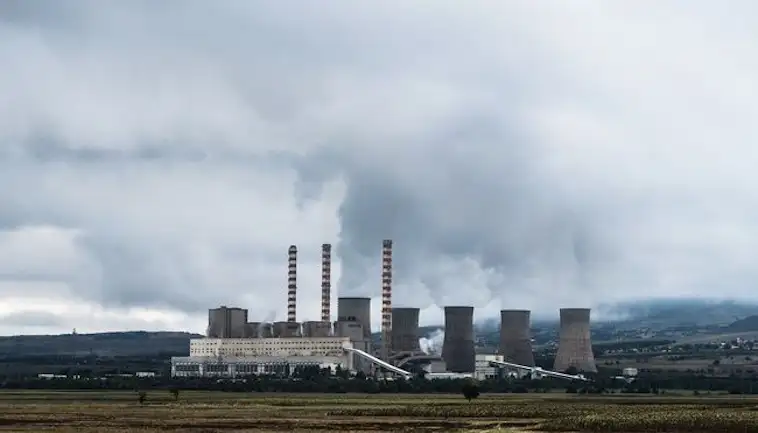
The Price We Really Pay for Fossil Fuels
When we talk about the hidden costs of fossil fuel consumption, we’re often referring to “externalities.” These are costs that don’t show up in the price tag of goods and services but affect society as a whole. Externalities can be positive or negative, but when it comes to fossil fuels, they are mostly negative. These costs are not paid by the fossil fuel producers or consumers but by everyone else, often without their direct knowledge.
Hidden Costs of Fossil Fuels
The hidden costs associated with fossil fuel consumption are wide-ranging and affect various aspects of life and the environment:
- Health Impact: Burning fossil fuels releases pollutants that can cause respiratory diseases, heart conditions, and other health problems. The healthcare costs to treat these conditions are substantial and are not reflected in the fuel price.
- Environmental Damage: Fossil fuels contribute to environmental degradation, including air and water pollution, habitat destruction, and biodiversity loss. Cleaning up these damages requires funds that aren’t accounted for in the initial cost of fuel production and consumption.
- Climate Change: Carbon emissions from fossil fuels are a major driver of climate change, which leads to extreme weather events, sea-level rise, and other disruptive impacts. The economic costs of these events are immense, from rebuilding infrastructure to increased insurance premiums.
These hidden costs show how fossil fuel consumption impacts not just the environment but also the economy and public health, often disproportionately affecting the poorest communities who have the least resources to respond.
Who Pays the Price?
Ultimately, these externalities are paid by all of us in one way or another—through higher medical bills, increased taxes for environmental cleanup and disaster recovery, and the overarching impacts of climate change. The real price of fossil fuels is much higher than what we pay at the pump or on our utility bills. Recognising these hidden costs is a crucial step towards understanding the true impact of our energy choices and the importance of shifting towards more sustainable energy sources.
Health Impacts: Breathing at a Cost
When we talk about the air we breathe, it’s vital to consider what’s in it, especially when fossil fuels are involved. Burning fossil fuels releases a mix of pollutants that have significant health implications.
Key Health Risks
- Respiratory Problems: Pollutants like sulphur dioxide and fine particulate matter can aggravate asthma and cause chronic bronchitis. In areas near coal-fired power plants or heavy traffic, cases of these respiratory conditions are notably higher.
- Cardiovascular Diseases: The tiny particles in air pollution can enter the bloodstream and contribute to heart diseases. Studies have shown that living in areas with high air pollution increases the risk of heart attacks and strokes.
- Cancer Risks: Some pollutants, such as benzene and formaldehyde, are known carcinogens. Long-term exposure to these chemicals can increase the risk of cancers, particularly lung cancer.
Studies and Statistics
Specific studies highlight the severity of these health issues in regions that rely heavily on fossil fuels:
- A study published in the Journal of Environmental and Public Health found that regions in the U.S. that burn coal for electricity have higher hospital admission rates for respiratory issues.
- According to the World Health Organisation, air pollution from fossil fuels is responsible for one in eight premature deaths globally, underscoring the widespread impact on public health.
- Research in China, where coal is a primary energy source, has linked air pollution to a spike in lung cancer rates, even in non-smokers.
The Bigger Picture
These health issues are not just statistics; they represent real struggles for many people living in polluted areas. The impact is especially harsh in low-income communities and developing regions, where healthcare resources are limited. By understanding these risks, we can better advocate for cleaner energy solutions and policies that protect public health. The move towards renewable energy isn’t just about the environment—it’s about keeping us healthier, too.
Environmental Degradation: Beyond the Visible
Fossil fuels might power our lives, but they also pose serious risks to our planet. The process of extracting and using these fuels can cause lasting harm to the environment.
Major Environmental Impacts
- Habitat Destruction: Extracting fossil fuels often means altering or destroying natural habitats. Whether it’s clearing forests for mining or drilling in sensitive marine areas, these actions displace wildlife and disrupt ecosystems.
- Water and Soil Contamination: Oil spills, fracking fluids, and other pollutants can seep into the ground and waterways. This contamination affects not just wildlife but also the quality of water and soil that communities rely on for drinking and agriculture.
- Air Pollution: Burning fossil fuels releases a cocktail of gases like carbon dioxide and methane, major contributors to air pollution and climate change. This air pollution can have immediate and long-term effects on both the environment and human health.
Biodiversity Loss and Ecosystem Disruption
The ripple effects of these environmental impacts are profound:
- Loss of Species: Habitat destruction and pollution can lead to the decline or extinction of species. This loss of biodiversity weakens ecosystems, making them less resilient to changes and less capable of providing essential services, like pollination and water purification.
- Disrupted Ecosystems: Healthy ecosystems rely on a balance of species and clean resources. When fossil fuel activities disrupt this balance, the entire system can suffer, leading to further environmental degradation.
Impact on Human Livelihoods and Health
These environmental issues aren’t just about nature; they affect us, too:
- Health Risks: Contaminated water and polluted air can lead to serious health problems in communities, especially respiratory and cardiovascular diseases.
- Economic Impact: People who rely on natural resources for their livelihoods—like farmers and fishermen—often face losses when ecosystems are damaged.
Understanding these consequences helps underscore the importance of shifting towards more sustainable energy practices. It’s not just about protecting the planet; it’s about safeguarding our future and the health of generations to come.
Climate Change: The Global Cost
Fossil fuels are a major player in the story of climate change. When we burn coal, oil, and gas, we send carbon emissions into the air. These emissions trap heat in our atmosphere, causing global warming.
Carbon Emissions and Global Warming
- The Greenhouse Effect: Carbon dioxide, along with other greenhouse gases, acts like a blanket around Earth. The more we emit, the thicker the blanket, and the warmer our planet gets.
- Increasing Temperatures: As the planet warms, we’re seeing glaciers melt and weather patterns shift. This warming isn’t uniform; it affects some areas more than others, disrupting natural processes and human lives.
Broader Impacts of Climate Change
Climate change isn’t just about hotter summers. It brings a range of serious consequences:
- Extreme Weather Events: More heat means more energy in the atmosphere. This leads to more intense and frequent storms, hurricanes, and heatwaves. These events can devastate communities, destroying homes and infrastructure.
- Rising Sea Levels: Melting ice and expanding warmer waters mean higher sea levels. Coastal communities are the first to feel the impact, with increased flooding and erosion threatening their way of life.
- Economic Costs: The damage from extreme weather and the changes needed to combat or adapt to climate change come with a hefty price tag. Rebuilding after disasters, investing in new infrastructure, and transitioning to renewable energy requires significant funds.
Understanding the role of fossil fuels in driving climate change is crucial. By connecting the dots between our energy choices and their impacts, we can make informed decisions about our future. Moving away from fossil fuels and towards renewable energy sources not only helps the planet but also protects us from the more severe consequences of climate change. It’s about building a sustainable, healthier future for all.
Economic Disparities: The Inequality of Impact
Fossil fuels don’t affect everyone equally. Unfortunately, the negative effects often hit low-income communities and developing countries the hardest.
Disproportionate Effects on Vulnerable Populations
These communities face a double challenge. They are more exposed to the harmful impacts of fossil fuels and also have fewer resources to deal with the consequences.
- Higher Exposure to Pollution: Low-income areas are often located near power plants, mines, and industrial sites that burn fossil fuels. This means more pollution and a higher risk of respiratory diseases and other health problems.
- Limited Access to Clean Energy: Many low-income communities and developing countries rely on fossil fuels because they don’t have easy access to cleaner alternatives like solar or wind energy. This reliance perpetuates a cycle of pollution and health issues.
Energy Poverty and Economic Disparities
Energy poverty is a big issue. Without reliable access to affordable and clean energy, it’s tough for communities to break out of poverty.
- Struggle for Basic Needs: In many developing countries, families spend a significant part of their income on energy for cooking, heating, and lighting. Often, this energy comes from inefficient and polluting sources.
- Barriers to Economic Development: Energy poverty means less opportunity for businesses to grow and for children to study after dark. It hinders overall economic development, keeping communities in a state of dependency and disadvantage.
The impact of fossil fuels on low-income communities and developing countries is a clear example of environmental injustice. These communities bear the brunt of the pollution and health risks, yet they benefit the least from the energy they use. Addressing this issue means not just switching to cleaner energy sources but also ensuring that these sources are accessible and affordable for all. This is essential for closing the gap in economic and health disparities and building a fairer world.
Social Strife: Community and Conflict
Dependency on fossil fuels doesn’t just affect our planet—it deeply influences our societies too. It leads to conflicts, displaces communities, and impacts politics.
Conflict Over Resources
Fossil fuels are a major cause of conflict globally.
- Battles for Control: Many countries and corporations fight over oil and gas reserves. These battles can lead to wars or prolonged disputes, impacting global stability and local communities caught in the crossfire.
- Political Instability: The wealth from oil and gas can strengthen corrupt governments or fund armed groups, leading to further instability and violence.
Displacement of Communities
The hunt for fossil fuels often pushes people out of their homes.
- Mining and Drilling: To access oil, gas, or coal, large areas need to be cleared. This process can displace entire communities, depriving them of their homes and livelihoods.
- Environmental Damage: The environmental destruction that accompanies mining and drilling can make areas uninhabitable, forcing people to leave what was once fertile land.
Entrenched Political Power Dynamics
Fossil fuel interests are deeply embedded in national and international policies.
- Lobbying and Influence: The fossil fuel industry spends significant amounts on lobbying to shape energy policies in their favour. This keeps older, polluting technologies in use longer than necessary.
- Barriers to Clean Energy: By maintaining a stronghold in politics, these interests create obstacles to renewable energy initiatives that could otherwise help mitigate climate change and reduce dependency on fossil fuels.
The social effects of fossil fuel dependency are complex and far-reaching. They shape not just how we use energy, but how we govern and live together. Moving away from fossil fuels can help reduce these conflicts and create a more stable, equitable world for everyone. Addressing these challenges requires both political will and public support for cleaner, more sustainable energy solutions.
Legacy Costs: The Long-Term Burden
Fossil fuels come with a price tag that goes far beyond what we pay today. The real cost includes cleaning up the environment and treating health issues for years to come.
Environmental Remediation
Cleaning up after fossil fuels is a huge task.
- Mine Reclamation: Once mining is done, the land is left scarred and polluted. Restoring these areas to their natural state, or even a safe condition, can take decades and a lot of money.
- Dealing with Pollution: Contaminants from fossil fuels affect air, water, and soil. Fixing these issues involves complex and costly technologies.
Health Care Costs
The impact on health lasts long and is costly to manage.
- Chronic Conditions: Pollutants from fossil fuels can lead to chronic health problems like asthma, cardiovascular diseases, and cancers. Treating these conditions requires ongoing medical care, which adds up over time.
- Burden on Health Systems: High rates of pollution-related diseases can strain health care systems, diverting resources from other needs and leading to higher health care costs for everyone.
Economic Burdens on Future Generations
The cost of fossil fuels is inherited by our children.
- Financial Impact: The money spent on remediation and health care could have been invested in education, infrastructure, or renewable energy. Instead, future generations will have to pay both economically and in quality of life.
- Lost Opportunities: By focusing on fossil fuels, we miss out on the chance to invest in cleaner technologies that can offer more sustainable economic growth and jobs.
The long-term costs of using fossil fuels are enormous. They create financial, health, and environmental debts that will take generations to pay off. Understanding these costs helps us see why transitioning to renewable energy isn’t just an environmental choice—it’s an economic and ethical one, too. It’s about making a better, healthier future possible for everyone.
Moving Forward: Alternatives and Solutions
Moving away from fossil fuels is not just necessary; it’s entirely possible. There are plenty of sustainable alternatives that can help us reduce our environmental footprint and improve our quality of life.
Renewable Energy Sources
These are cleaner and increasingly affordable.
- Solar Power: Harnessing energy from the sun is becoming more efficient and cheaper with advances in technology.
- Wind Energy: Wind turbines can generate power for homes, businesses, and even entire communities without emitting pollutants.
- Hydro and Geothermal: Water and the earth’s heat are powerful sources that can provide constant energy with minimal environmental impact.
Energy Efficiency Improvements
Using energy more wisely is as important as finding cleaner sources.
- Smarter Homes and Buildings: Modern technology allows buildings to use less energy for heating, cooling, and lighting.
- Efficient Appliances: Energy-efficient appliances reduce electricity usage and can save money in the long run.
Policy Measures
Good policies can steer us toward a more sustainable future.
- Carbon Pricing: By putting a price on carbon emissions, governments can make polluters pay for the environmental damage they cause.
- Incentives for Renewables: Subsidies and tax breaks for renewable energy projects can make them more competitive with fossil fuels.
Encouraging Sustainable Choices
Both individuals and policymakers play a role in this transition.
- Individual Actions: Every choice matters. Choosing renewable energy for your home, driving less, and supporting sustainable businesses can make a difference.
- Policy Advocacy: Voting for and supporting policies that encourage renewable energy and sustainability can drive larger changes.
The full cost of fossil fuel consumption is too high—financially, environmentally, and health-wise. Investing in renewable energy and efficiency isn’t just about cutting costs; it’s about creating a sustainable and prosperous future. It’s time for both individuals and leaders to commit to cleaner, smarter energy solutions.
Conclusion
Understanding the hidden costs of fossil fuels helps us see the full impact of our energy choices. These costs are not just numbers; they affect our health, environment, and future generations. By recognising the real price of fossil fuel consumption, we can make informed decisions that prioritise sustainability and well-being.
Transitioning to renewable energy sources, improving energy efficiency, and supporting thoughtful policies are steps we can all take. Together, we can shift towards energy solutions that are not only economically viable but also environmentally responsible and healthier for everyone.