
When Coral Reefs Bleach, Oceans Weep
Coral reefs are often called the rainforests of the sea, and for good reason. These vibrant underwater ecosystems are crucial to marine life, offering food and shelter to thousands of species. But when ocean temperatures rise and waters become more acidic, corals face a big challenge. They begin to bleach, losing their brilliant colours along with the algae that help them thrive. This doesn’t just affect corals; it impacts fish, plants, and people worldwide. Today, let’s talk about why this happens, what it means for our oceans, and how we can all help protect these precious marine habitats.
When Coral Reefs Bleach, Oceans Weep
What You’ll Discover
The Science of Coral Bleaching
A Global Concern for Coral Reefs
The Silent Killer of Marine Life
The Broader Impact of Coral Degradation
Economic and Social Ramifications
Case Studies: Reefs Under Threat
Mitigation Strategies and Global Initiatives
Individual Action in Coral Conservation
The Science of Coral Bleaching
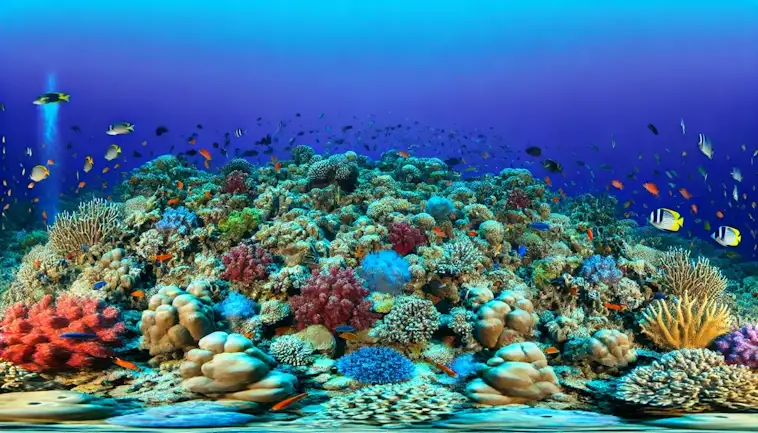
Coral bleaching is a fascinating yet concerning process that involves both biological and ecological factors. It occurs when corals, which are actually colonies of tiny living animals, become stressed by environmental changes. The most common stressor is an increase in sea temperatures, often linked to global warming.
Under normal conditions, corals have a symbiotic relationship with tiny algae called zooxanthellae. These algae reside within the coral’s tissues, and they play a crucial role in the coral’s survival. The algae photosynthesise sunlight to produce food, which they share with the coral. In return, the coral provides the algae with a protected environment and the compounds they need for photosynthesis.
However, when the water temperature rises, this delicate balance is disrupted. The algae begin to produce too much oxygen and other reactive oxygen species in response to the increased temperatures. This overproduction is toxic to the coral, so in a bid to survive, the coral expels the algae.
Once the algae are expelled, the coral loses its major source of food and its vibrant colours. What we see then is the coral’s white skeleton, which is why we call this phenomenon “bleaching.” Without the algae, the coral not only loses its colour but also becomes weaker and more susceptible to disease.
While a bleached coral is not dead, its survival becomes severely compromised. If the stress caused by elevated temperatures continues for too long, the coral may not recover. This leads to a decline in coral health and can affect the entire ecosystem. Corals are essential to marine life as they provide a habitat for a diverse range of species. When they suffer, the whole marine ecosystem feels the impact. This is why coral bleaching is a significant ecological concern, highlighting the broader issues of climate change and environmental stewardship.
A Global Concern for Coral Reefs
Global warming is a hot topic these days and for a good reason. It’s closely linked to rising sea temperatures, which is a big problem for our oceans, especially coral reefs.
So, how does global warming lead to warmer seas? It all starts with the increase of greenhouse gases like carbon dioxide in the atmosphere. These gases trap more of the sun’s heat, and while some of this heat stays in the air, a lot of it ends up being absorbed by the oceans. In fact, over 90% of the excess heat from global warming goes into the oceans.
Over the past few decades, scientists have been keeping a close eye on ocean temperatures, and the data tells a worrying story. Since the late 20th century, average sea surface temperatures have been climbing steadily. The 2015-2019 period was the warmest five-year period on record for the global ocean.
This increase in temperature might seem small, but even a slight change can have big effects underwater. For corals, which thrive within a narrow temperature range, even a rise of 1 to 2°C can trigger stress. When corals get stressed, they react by expelling the algae living in their tissues — the algae that feed them through photosynthesis and give them their colour. This leads to coral bleaching.
What’s concerning is that these temperature changes are not just occasional; they’re becoming more frequent and intense as global warming continues. This trend suggests that coral bleaching events are likely to become more common and more severe. This puts entire ecosystems at risk, as many marine species rely on coral reefs for food and shelter.
The Silent Killer of Marine Life
Ocean acidification is another big challenge for coral reefs, but it’s not as well-known as coral bleaching. This issue is closely tied to the rise in carbon dioxide (CO₂) levels due to human activities like burning fossil fuels and deforestation.
Here’s what happens: as more CO₂ gets into the atmosphere, the oceans absorb a lot of it. When CO₂ mixes with seawater, it forms carbonic acid, which makes the water more acidic. This change in the ocean’s pH might sound minor, but it has significant effects on marine life, especially corals.
Corals build their hard structures from calcium carbonate, a mineral that is less stable in acidic conditions. As the ocean becomes more acidic, it can start to dissolve the coral skeletons. This makes it much harder for corals to grow and maintain their strength. Essentially, their building blocks are being taken away.
But that’s not all. Ocean acidification also affects the corals’ ability to recover from bleaching events. After corals bleach, they need all the strength they can muster to survive and eventually regain their algae. If their skeletons are weakening because of acidification, this recovery becomes much more difficult.
Recent studies have shown that areas with more acidic waters see slower growth rates in corals and poorer recovery from environmental stresses. This means that as the ocean continues to absorb more CO₂, coral reefs around the world could face an even tougher future.
This is why understanding and addressing ocean acidification is crucial. Protecting coral reefs isn’t just about managing warmer waters or preventing pollution; it’s also about tackling the broader issue of climate change and its impact on our oceans. These efforts are vital for the health of our marine ecosystems, which support a huge variety of life and help protect our coastlines.
The Broader Impact of Coral Degradation
Coral reefs are like the bustling cities of the ocean. They’re full of life and activity, providing homes, food, and breeding grounds for a wide variety of marine species. But when coral reefs start to degrade, it’s not just the corals that suffer—the whole neighbourhood feels the impact.
Imagine a coral reef as a busy neighbourhood that supports different kinds of fish, crabs, octopuses, and sea turtles, among many others. These creatures depend on the coral structures for shelter and food. Corals also offer a safe space for many marine species to lay their eggs and raise their young.
However, when coral reefs degrade due to bleaching, acidification, or other stresses, these vital structures start to crumble. The once vibrant neighbourhood becomes a ghost town. Without the complex structures of the reefs, many marine animals lose their homes and nurseries. This makes it harder for them to survive, find food, and avoid predators.
The decline of coral reefs also affects local fisheries, which many coastal communities depend on for their livelihoods. Fish populations decrease when their habitats deteriorate, leading to fewer catches. This not only impacts the economy of these communities but also their food sources.
Moreover, coral reefs play a critical role in protecting coastlines from the full force of storms and large waves. With fewer reefs to break the wave energy, coastal areas become more susceptible to erosion and flooding. This can lead to further loss of property and land, compounding the social and economic challenges for coastal populations.
Overall, the degradation of coral reefs is a big deal for marine biodiversity and human communities alike. Protecting these reefs isn’t just about saving corals; it’s about maintaining the health of the entire ocean and the benefits it provides to people all around the world.
Economic and Social Ramifications
Coral reefs do more than just beautify the ocean; they are also economic powerhouses for many communities around the world. When coral reefs are damaged, the consequences ripple through both the local economy and society.
First, let’s talk about food. Millions of people, especially in coastal areas, rely on fish and other marine life that inhabit coral reefs for their daily meals. As reefs degrade, fish populations decrease because they lose their habitats. This can lead to food shortages and higher prices for seafood, which particularly affects communities where alternatives are limited or expensive.
Then there’s the tourism angle. Coral reefs are a big draw for tourists, who flock to snorkel, dive, and enjoy the stunning underwater views. These activities generate significant income for local businesses like dive shops, boat rentals, hotels, and restaurants. When reefs lose their appeal due to bleaching or pollution, fewer tourists visit, which can lead to job losses and reduced income for those dependent on this industry.
Coral reefs also provide natural coastal protection. They help reduce the impact of waves and storm surges, protecting beaches and shorelines from erosion. When reefs are damaged, coastal areas become more vulnerable to the effects of storms and rising sea levels. This can result in more spending on artificial barriers and greater damage during storms, straining government budgets and potentially leading to the displacement of coastal communities.
Moreover, the loss of coral reefs affects the cultural fabric of many societies. For indigenous and local communities, reefs have cultural significance and are often integral to their heritage and identity. The degradation of these reefs can lead to a loss of cultural practices tied to the marine environment.
Overall, the damage to coral reefs isn’t just an environmental issue—it’s a pressing economic and social concern that affects millions of people worldwide. Protecting these reefs is crucial not only for the marine life that inhabits them but also for the continued well-being of human communities that depend on them.
Case Studies: Reefs Under Threat
Coral reefs around the world are facing serious threats, and some well-known examples can show us just how urgent this issue is. Let’s look at two important places: the Great Barrier Reef in Australia and the Coral Triangle in Southeast Asia.
The Great Barrier Reef is one of the most famous coral reefs in the world. It’s massive, beautiful, and vital to marine life. However, it’s in trouble. Over the past few decades, the reef has experienced severe bleaching events due to rising ocean temperatures. In 2016 and 2017, these events were so intense that they affected two-thirds of the reef. Scientists are worried because bleached corals have a harder time surviving, and if the water stays too warm for too long, these corals may never recover. This not only impacts the marine ecosystem but also the Australian economy, which greatly benefits from reef tourism and fishing industries.
Moving over to the Coral Triangle in Southeast Asia, this area is known as the “Amazon of the Seas” because of its incredible biodiversity. It’s home to 76% of all known coral species and supports the livelihoods of over 120 million people. But this region is also facing a crisis. Overfishing, destructive fishing practices like using dynamite or cyanide, pollution, and of course, climate change-induced bleaching are putting immense pressure on these reefs. Many local communities depend on the health of these reefs for food, income from tourism, and coastal protection. The decline of these reefs could mean a decline in the quality of life for countless people.
Both of these cases—the Great Barrier Reef and the Coral Triangle—illustrate not just the environmental but also the economic and social significance of coral reefs. They show us that the threat to these vital ecosystems is both severe and immediate, underscoring the need for urgent action to protect and restore coral reefs around the globe.
Mitigation Strategies and Global Initiatives
Coral reefs are facing tough challenges from warming waters and acidification, but the good news is that people around the world are stepping up to help protect and restore these vital ecosystems.
Globally, there are policies aimed at tackling the root causes of climate change, which is a big step towards helping coral reefs. Many countries are committing to reduce greenhouse gas emissions under international agreements like the Paris Agreement. These efforts aim to limit global warming, which should help keep ocean temperatures more stable and reduce acidification.
Locally, communities and governments are implementing strategies specifically designed to protect coral reefs. For example, marine protected areas (MPAs) are being established to limit fishing and tourism activities that can damage reefs. These zones give coral reefs a chance to recover and thrive without human interference. In places like Florida and Australia, these protected areas have shown positive results, with healthier coral populations and more abundant marine life.
Conservation groups are also active on the ground and in the water. They are involved in projects like coral gardening, where fragments of healthy corals are cultivated and then replanted in degraded areas. This helps to speed up the growth and recovery of coral reefs. Scientists and researchers are working on breeding corals that can better withstand warmer temperatures and more acidic conditions. These “super corals” could be crucial in helping reefs adapt to changing environments.
On the technology front, innovative approaches are being explored, like using 3D printing to create artificial reef structures that can support coral growth and provide habitat for marine life. Additionally, some projects are looking into shading corals and altering local water chemistry to protect them from heat and acidity.
Everyone can contribute to these efforts. Reducing carbon footprints, supporting sustainable seafood, and spreading awareness about the importance of coral reefs are actions that help. By working together, we can make a real difference in the health and future of coral reefs.
Individual Action in Coral Conservation
Coral reefs need our help, and there are practical ways that each of us can make a difference in their conservation. You might be surprised by how even small changes in our daily habits can contribute to the health of these vital ecosystems.
First, reducing your carbon footprint is a big step. This means doing things like using less energy at home, carpooling or using public transport, and flying less. These actions help lower the amount of carbon dioxide we put into the atmosphere, which in turn helps reduce global warming and its impact on ocean temperatures.
Next, making sustainable seafood choices can also have a big impact. Overfishing is a major threat to coral reefs, so by choosing seafood that is responsibly harvested, you support healthier oceans. Look for labels like “MSC Certified” or “sustainably caught” when you shop for fish. This helps ensure that the seafood you eat isn’t contributing to the degradation of coral habitats.
You can also get involved in local and global conservation initiatives. Many communities have groups focused on marine conservation that organise beach clean-ups, educational workshops, and other activities. Joining such groups can help raise awareness and drive change. If you’re a diver or snorkeler, participating in coral monitoring projects can be another great way to contribute. These programs often train volunteers to collect data on coral health, which is crucial for conservation efforts.
Finally, spreading awareness is incredibly powerful. Talk about coral reefs and their importance with friends and family. Share information on social media. The more people know about the issues reefs face and what they can do to help, the better the chances we can collectively make a positive impact.
By taking these steps, you’re not just helping coral reefs—you’re contributing to the broader health of our planet’s oceans and all the life they support. It’s empowering to know that our actions can make a real difference!
Conclusion
As we’ve seen, the bleaching of coral reefs is a sign that our oceans are under stress. These vibrant ecosystems are crucial not just to marine life, but to human life as well. They protect our coastlines, support fisheries, and sustain economies through tourism. When they suffer, we all feel the impact.
But there’s hope. Each of us has the power to make changes that support coral health, from reducing our carbon footprints to choosing sustainable seafood. By getting involved in conservation efforts, both locally and globally, we can help turn the tide for coral reefs.
Let’s remember that healthy reefs mean a healthy planet. By working together to protect these precious marine environments, we ensure a better future for the oceans and for ourselves. Let’s not wait until it’s too late. The time to act is now, for the oceans and for the incredible life they sustain.