

Urban Gardens: Greening Our Cities
Urban gardens are transforming our cities into lush, green havens right where we need them most. These little patches of greenery help cool down our bustling cityscapes, purify the air, and even offer fresh, local produce. They’re not just about beauty; they provide essential habitats for city wildlife and bring communities together. Whether it’s a rooftop filled with planters or a shared space sprouting with veggies, urban gardens make our cities more liveable and lovable. So, let’s see how these vibrant spaces are making a big impact!
Urban Gardens: Greening Our Cities
What You’ll Discover
Revitalising Urban Landscapes with Green Spaces
Mitigating Urban Heat Islands through Strategic Planting
Enhancing Air Quality with Urban Greenery
Supporting Urban Biodiversity: A Habitat for Urban Wildlife
Sustainable Urban Food Production: Growing Local, Eating Local
Community Engagement and Education in Urban Gardening
Economic Benefits of Urban Gardening
Challenges and Solutions in Urban Gardening
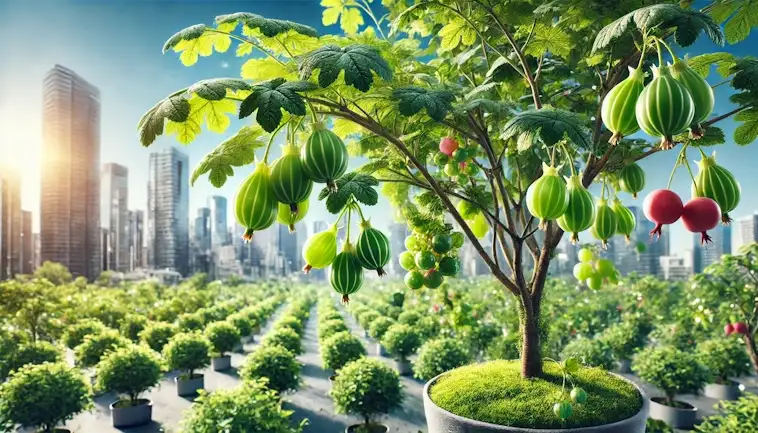
Revitalising Urban Landscapes with Green Spaces
Urban gardens have a magical way of turning spaces that were once overlooked or forgotten into lively, green havens. These gardens pop up in the least expected places—on rooftops, alongside railway lines, or tucked into small patches of unused land. This transformation not only beautifies the city but also brings a slice of nature into concrete jungles.
The introduction of green spaces in urban settings does more than just please the eye. It has a profound effect on people’s mental well-being. Imagine stepping out of your office or apartment and into a small park lush with plants and flowers, buzzing with life. It’s a refreshing break from the grey and bustling city life. This touch of nature can significantly lower stress levels. It’s like the plants help soak up the city’s hustle and replace it with calm.
Moreover, urban gardens encourage people to take a moment to pause and reconnect with nature. This connection is vital in today’s fast-paced world and is especially precious in cities where natural landscapes are scarce. People who spend time in green spaces often report feeling more relaxed and at peace. This isn’t just a feeling; studies have shown that time spent in green environments can reduce mental fatigue and boost mood.
There’s also a sense of pride that comes with these gardens. Community gardens, in particular, are a collaborative effort. They’re places where neighbours come together, hands in the dirt, working side by side to nurture these gardens. This fosters a strong sense of community and pride. It’s empowering to see a barren plot of land transform into a thriving garden through communal effort.
These urban oases are not just spots of beauty; they are essential for the well-being of city dwellers. They remind us of the importance of preserving and cherishing our environment, making urban areas not only more beautiful but healthier places to live. By weaving nature into the urban fabric, we enrich our cities and ourselves.
Mitigating Urban Heat Islands through Strategic Planting
Urban heat islands happen when parts of a city get way hotter than the surrounding countryside. This occurs mainly because cities have lots of buildings, roads, and other structures that absorb and retain heat. In contrast, rural areas usually have more vegetation which helps keep temperatures cooler.
Now, here’s where urban gardens come into play. They’re fantastic at tackling this heating problem through two natural processes: shading and evapotranspiration. Let’s break those down a bit. Shading is pretty straightforward—it’s just what happens when trees and other plants block sunlight, providing a natural canopy and cooler ground below. Evapotranspiration, though, might sound a bit technical, but it’s simply the process where plants release moisture into the air. This moisture cools the air as it evaporates, much like how you feel cooler when you step out of a pool on a hot day.
Several cities around the world have caught onto this and are using urban gardens to cool down. For example, Toronto in Canada has implemented a green roof policy. The city encourages buildings to have gardens on their roofs, which not only combats the heat island effect but also adds a lovely touch of green to the urban landscape.
Similarly, Singapore, often known as a “city in a garden,” integrates green spaces everywhere—from rooftop gardens to green walls. This approach helps keep the city cooler and improves air quality.
These urban gardens do more than just cool the air. They make the city more pleasant and liveable. Residents enjoy not only the cooler temperatures but also the burst of nature in their urban environments. This strategy not only tackles the heat problem but also enhances the quality of life for city dwellers, proving that a little green can go a long way in cooling our urban spaces.
Enhancing Air Quality with Urban Greenery
Plants in urban gardens are like little superheroes for city air. They tackle pollution and freshen up the atmosphere, making the air healthier for everyone. When we add plants to cities, we’re not just making them prettier; we’re actually cleaning the air we breathe.
How does this work? Well, plants are natural air filters. Their leaves can capture dust, soot, and other pollutants from the air, trapping them so we don’t breathe them in. Plus, as part of their daily life, plants take in carbon dioxide and release oxygen, which is exactly what we need to breathe. So, by growing more plants, we get cleaner, oxygen-rich air.
Some plants are especially good at this. For example, the spider plant is a champion at removing common air toxins, and it’s also super easy to care for. Then there’s the snake plant, which is great because it can absorb excessive amounts of carbon monoxide. Additionally, broad-leaf ferns are excellent at pulling formaldehyde from the air.
These plants don’t just make our air cleaner. They can also help us feel better overall. Cleaner air means fewer health issues like asthma or allergies that are often aggravated by polluted city air. In densely populated areas, where pollution is usually worse, having these green spaces can make a big difference in public health.
Cities like London and Beijing are incorporating more green spaces as part of their urban planning, recognising the role these plants play in promoting health and well-being. By planting more greens, they’re working on reducing the impact of air pollution and making the city safer and more comfortable for its residents.
Supporting Urban Biodiversity: A Habitat for Urban Wildlife
Urban gardens are like mini oases in the concrete desert of cities. They provide a much-needed refuge for wildlife and help keep the city’s ecosystem balanced. By adding these patches of green, we bring a bit of the wild back into our urban environments, supporting biodiversity right where we live and work.
These gardens can be bustling hubs of activity for various types of wildlife. Birds, bees, butterflies, and even small mammals find food, shelter, and space to thrive in them. For example, pollinators such as bees and butterflies love gardens because they’re full of flowers that provide nectar and pollen. These small creatures are crucial for plant reproduction, including many of the fruits and vegetables we enjoy.
Birds also benefit greatly from urban gardens. They can find nesting sites and a variety of foods in these green spaces, which is especially important in cities where natural habitats are scarce. Plus, the presence of birds adds to the natural charm of city life, offering a delightful break from the usual urban noise.
Moreover, these gardens help maintain ecological balances that urban development often disrupts. By creating habitats for various species, urban gardens allow nature’s cycles to continue amidst skyscrapers and streets. They help form ecological corridors that let wildlife move and migrate across urban areas, which is vital for maintaining healthy populations and genetic diversity among species.
Cities that embrace urban gardening are also taking steps toward more sustainable living. By integrating nature into urban planning, they ensure that cities aren’t just places for humans, but environments where all forms of life can coexist. This approach not only enriches the quality of life for city dwellers but also keeps our urban ecosystems vibrant and resilient. Urban gardens remind us of the intricate connections between all living things and the role we can play in preserving these connections, even in the heart of the city.
Sustainable Urban Food Production: Growing Local, Eating Local
One of the biggest perks of growing your own food in the city is cutting down on food miles. This means the food on your plate doesn’t have to travel far from farm to fork. Not only does this reduce pollution from transport, but it also means your meals are fresher. Imagine plucking tomatoes or snipping herbs straight from your garden for dinner— it doesn’t get fresher than that!
Besides, having your own garden can really help with grocery bills. Seeds and plants can be inexpensive, and once your garden is up and running, you can save quite a bit on produce. Plus, you know it’s all grown without unwanted chemicals, so it’s healthier, too.
Now, you might wonder how to get the most out of a small space. Techniques like vertical gardening, where you grow plants on walls or trellises, can help a lot. Container gardening is another great option, where you can grow plants in pots or other containers. These methods don’t require much space but can yield a surprising amount of food.
Cities like New York and Paris have embraced urban gardening, turning rooftops and even old railway tracks into vibrant green spaces where communities come together to grow their own food. These gardens do more than just provide fresh produce; they bring neighbours together and create a sense of community.
All in all, urban gardens are a fantastic way for city dwellers to take control of their food supply, enjoy fresher meals, and even save some money—all while making the city a greener, more pleasant place to live.
Community Engagement and Education in Urban Gardening
Many urban gardens start as community projects. These initiatives encourage residents to collaborate in creating and maintaining garden spaces. It’s not just about planting seeds; it’s about planting roots for community bonds. As people work side by side, they share stories, skills, and even the fruits (and vegetables!) of their labour. This collaboration builds a strong sense of community pride and belonging.
Educational opportunities also bloom in these gardens. Many community gardens host workshops on sustainable gardening practices. These workshops teach residents how to make the most of their resources, compost household waste, conserve water, and avoid harmful chemicals. Learning these skills helps people make eco-friendly choices that benefit their gardens and the wider environment.
Schools and youth groups often get involved, too. Children and teens can participate in gardening programs that teach them where food comes from and how it grows. These programs might include hands-on activities like planting seedlings, identifying plants, and understanding the ecosystems within the garden. This not only educates them about science and nature but also instils a sense of responsibility and teamwork.
For example, in places like Detroit and Portland, urban gardens have become integral parts of the community. They serve as classrooms without walls, where both kids and adults learn about nature, nutrition, and sustainable living. These gardens provide a space where people of all ages can learn and grow together, strengthening community ties and enriching education in a practical, hands-on way.
Economic Benefits of Urban Gardening
When neighbourhoods bloom with gardens, property values often grow too. Why? Because most people love living near beautiful, green spaces. These areas become more desirable, leading to higher property values. It’s like a splash of green paint makes the whole neighbourhood more attractive to potential buyers and renters.
Beyond boosting property values, urban gardens can also create economic opportunities directly. City dwellers can sell the produce or products from their gardens. Think of homemade jams, herbal teas, or fresh vegetables sold at local markets. This not only brings extra income but also promotes local produce, which is often fresher and more appealing than store-bought goods.
The ripple effects on local economies are significant. As gardeners buy supplies, and as more produce is sold locally, money circulates within the community. This stimulates local businesses and can even inspire new ones. Imagine a small café that opens to cater to the community garden crowd, or a shop specialising in organic gardening supplies.
Moreover, urban gardens can be a springboard for small business development. They offer a low-risk way for entrepreneurs to test products and build customer relationships. A successful garden can lead to other ventures, like catering businesses or botanical workshops, further enriching the community.
For example, cities like Philadelphia and San Francisco have seen urban gardens sparking local initiatives and businesses. These gardens become more than just places to grow food; they’re incubators for innovation and community development.
In essence, urban gardens bring a cascade of economic benefits. They enhance property values, provide direct ways to earn money and stimulate local economies. By planting seeds in a garden, city residents are also planting seeds for economic growth.
Challenges and Solutions in Urban Gardening
Urban gardens are fantastic, but they do face some tricky challenges like tight spaces, poor soil, and limited water. Thankfully, gardeners are a creative bunch, and they’ve come up with some smart solutions to keep their gardens growing.
First off, space is at a premium in cities. Not everyone has a big backyard. That’s where vertical gardening comes in. This method uses walls, trellises, and even rooftops to grow plants upward instead of outward. It’s perfect for squeezing greenery into narrow spaces. Imagine climbing beans or cascading tomatoes right outside your window!
Soil contamination is another big issue. In cities, the dirt can be full of all sorts of things you wouldn’t want in your veggies. One clever fix is raised beds or containers. By bringing in clean soil and setting up your garden above ground, you can bypass the bad stuff underneath. This method also makes gardening easier on your back!
Water access can also be a challenge, especially in areas with water use restrictions. That’s where systems like hydroponics come into play. Hydroponics lets you grow plants in water instead of soil, and it uses much less water overall because the system recycles it. Plants get exactly what they need, and you save on water bills.
Community resource pooling is another great strategy. Sometimes, tackling challenges alone can be tough. But when neighbours pool resources—sharing tools, seeds, or even knowledge—it makes gardening more doable and fun. A community approach can also lead to shared watering duties or bulk buying of supplies, which cuts down costs and effort.
In places like Berlin and Tokyo, urban gardeners have turned rooftops, balconies, and even old parking lots into thriving garden spots using these methods. Each solution not only addresses specific challenges but also brings people together, making urban gardening a truly community-driven venture.
Conclusion
Urban gardens are transforming our cities in amazing ways. These green spaces make our urban areas more beautiful, improve our air quality, and even help cool down our neighbourhoods. Beyond that, they offer fresh produce right at our doorsteps and create welcoming spots for community gatherings and wildlife alike.
Through innovative solutions like vertical gardening and hydroponics, city dwellers are overcoming challenges such as limited space and soil contamination. By coming together to share resources and knowledge, we’re not just growing plants—we’re growing tighter-knit communities. These urban oases are proving that even in the heart of the concrete jungle, nature can thrive and flourish.
As we continue to nurture these spaces, we’re making our cities healthier and more vibrant places to live. Urban gardens are a testament to the power of green spaces in enhancing the quality of life for everyone. Here’s to more green in our cities!