

The Role of Bees in Sustaining Life
Bees are tiny heroes with a big job. They help grow the food we eat by carrying pollen from one plant to another, making fruits, vegetables, and nuts possible. Without them, our plates would look very empty. But bees are facing serious challenges, like losing their homes, harmful chemicals, and changes in the climate. Fewer bees mean less food, higher prices, and trouble for farmers. It’s not just about honey; it’s about how bees keep our world buzzing with life. Understanding their role and protecting them is key to a healthy planet and full bellies for everyone.
The Role of Bees in Sustaining Life
What You’ll Discover
The Keystone of Global Food Production
Diverse Diets Depend on Bees
Economic Value of Pollination Services
Bees and Biodiversity: A Symbiotic Relationship
Declining Bee Populations: Causes and Consequences
Innovations and Interventions: Supporting Bee Populations
The Ripple Effect on Global Food Security
Protecting Bees for Future Generations
The Keystone of Global Food Production
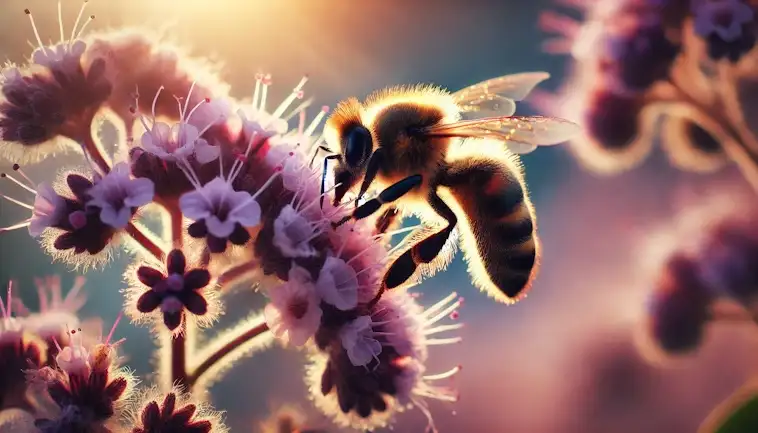
Bees are amazing creatures that play a crucial role in our environment and food supply. They are some of the most important pollinators, helping over 75% of the world’s flowering plants reproduce. This includes about 35% of the crops that provide our food. Without bees, many plants simply couldn’t produce fruits, vegetables, nuts, or seeds.
Here’s how it works: bees move from flower to flower in search of nectar and pollen, their primary food sources. While doing this, they unintentionally transfer pollen from one plant to another. This process, called pollination, is essential for plants to grow fruit and produce seeds.
For crops like apples, almonds, strawberries, and tomatoes, bees make a huge difference. With their help, these plants produce more fruits and vegetables, and the quality of the harvest is often better. For example, strawberries pollinated by bees are usually larger, juicier, and more evenly shaped than those that aren’t.
Bees also contribute to the growth of nuts, seeds, and many other foods we enjoy daily. Even the crops that don’t directly rely on bees for pollination often benefit from their presence, leading to higher yields.
Without bees, our diets would look very different. Many of the fresh, healthy foods we take for granted would become scarce or extremely expensive. That’s why protecting bees and their habitats is so important. By ensuring they thrive, we’re also safeguarding our own food supply and the health of ecosystems worldwide.
Diverse Diets Depend on Bees
Bees are vital for many of the nutritious foods we enjoy and rely on. Almonds, berries, apples, and other nutrient-packed foods all depend on bees for pollination. Without bees, these foods would be harder to grow and might become much less available.
Pollination is how plants produce fruits, nuts, and seeds. When bees visit flowers to collect nectar and pollen, they spread pollen between plants. This process helps crops grow more food and ensures that what we harvest is high quality. For almonds, nearly every nut you see exists because a bee pollinated the tree. Berries like blueberries and raspberries need bees too, as do apples, cherries, and even some vegetables.
These foods aren’t just delicious—they’re packed with vitamins, minerals, and other nutrients that keep us healthy. Berries, for example, are rich in antioxidants. Almonds provide protein and healthy fats. Apples are a great source of fibre. Without bees, these nutritious options might become scarce or very expensive.
If we lose bees, it could have a huge impact on our diets. Many of the fresh, healthy foods we take for granted could disappear or become far less diverse. Meals would be less colourful, and it might be harder to eat a balanced diet.
That’s why it’s so important to protect bees. Simple actions like planting bee-friendly flowers, avoiding harmful pesticides, and supporting sustainable farming can make a big difference. When we help bees, we’re also helping to ensure a future where nutritious, diverse foods remain available for everyone.
Economic Value of Pollination Services
Bees are not just important for nature—they’re a huge part of the economy too. Their role in pollination is worth billions of dollars every year, making them key players in agriculture and beyond.
Here’s why: when bees pollinate crops, they help plants produce more food and better-quality harvests. This means higher profits for farmers. Crops like almonds, apples, berries, and melons rely heavily on bees, and these are some of the most valuable in the market. Without bees, farmers would struggle to grow these foods, and production costs would skyrocket.
Agribusinesses also benefit from the work bees do. The higher yields from pollination mean there’s more to sell, process, and export. For rural economies, this creates jobs and supports local businesses. Many communities depend on agriculture for their livelihoods, and bees are at the heart of making it all possible.
Globally, pollination services by bees are estimated to be worth hundreds of billions of dollars each year. This isn’t just about food for people—it includes crops used for livestock feed, biofuels, and even medicines. Without bees, the costs of growing these products would rise dramatically, and some might no longer be feasible to produce.
Protecting bees isn’t just good for the environment—it’s smart economics. By supporting bee-friendly practices, like planting wildflowers and reducing pesticide use, we’re also helping farmers, rural communities, and the global economy. When bees thrive, so does agriculture, and that benefits everyone.
Bees and Biodiversity: A Symbiotic Relationship
Bees are crucial for keeping ecosystems healthy and thriving. They help wild plants reproduce by transferring pollen from one flower to another. This process allows plants to grow, spread, and provide habitats and food for many other species.
When bees pollinate wild plants, they support a wide range of life. Plants depend on bees to produce seeds, which leads to new growth. These plants then become homes, shelter, and food for countless animals, birds, and insects. For example, trees and shrubs pollinated by bees provide nesting sites for birds, while flowers produce seeds and fruits that feed wildlife like squirrels, deer, and butterflies.
If bee populations decline, it’s not just the plants that suffer. The entire ecosystem can become unbalanced. Fewer plants mean less food and shelter for other species, which can lead to declines in their populations too. This ripple effect can reduce biodiversity, which is the variety of life in an area. Biodiversity is important because it makes ecosystems stronger and more resilient to changes, like climate shifts or disease.
Without bees, some plants might disappear completely, and the species that depend on them could follow. The result would be a less diverse and less vibrant natural world.
Protecting bees means protecting ecosystems. Simple actions, like planting wildflowers, avoiding pesticides, and supporting conservation efforts, can make a big difference. When bees thrive, they help sustain the web of life that connects us all. By caring for bees, we’re also caring for the planet and all the amazing creatures that call it home.
Declining Bee Populations: Causes and Consequences
Bees around the world are facing serious challenges, and their populations are declining. This is worrying because bees play such an important role in pollination, agriculture, and ecosystems.
One big factor is habitat loss. As cities grow and farming expands, many natural spaces where bees live are being destroyed. Bees need wildflowers, trees, and undisturbed areas to nest and feed, but these are disappearing.
Another major issue is pesticide use. Many pesticides used in farming are harmful to bees. They can weaken bees, make them sick, or even kill them. Some pesticides disrupt their ability to navigate, so they can’t find their way back to their hives.
Climate change also affects bees. Rising temperatures, extreme weather, and shifting seasons can disrupt the blooming of flowers. If flowers bloom too early or too late, bees might miss the food they rely on.
Finally, diseases and parasites, like the varroa mite, are a big threat. These pests invade hives and spread diseases that weaken bee colonies.
When bees decline, it’s not just a problem for them—it’s a problem for us. Pollination becomes less reliable, which can lead to lower crop yields. Foods like fruits, nuts, and vegetables might become scarcer and more expensive. This affects farmers, food supply chains, and everyone who depends on these crops.
The cascading effects are clear: fewer bees mean less pollination, less food, and a weaker global food system. Protecting bees by creating habitats, reducing pesticide use, and supporting sustainable farming is essential. When we take care of bees, we’re also taking care of agriculture, food security, and our future.
Innovations and Interventions: Supporting Bee Populations
Efforts are underway to reverse the decline in bee populations, and every action helps. People and organisations around the world are stepping up to support these essential pollinators.
One way is by planting pollinator-friendly crops and flowers. These provide bees with the nectar and pollen they need to thrive. Home gardens, parks, and even farms are adding wildflowers, clover, and native plants to create more food sources for bees.
Reducing pesticide use is another important step. Many farmers are finding alternatives to harmful chemicals, like using natural pest control methods. Some are timing pesticide application carefully to avoid periods when bees are active, helping to keep them safe.
Creating dedicated bee habitats is also making a difference. Projects like building bee hotels, preserving wild areas, and leaving parts of farmland untouched give bees a place to live and nest. Even small patches of land can provide shelter for local bee populations.
Technology is also playing a role. Scientists are exploring robotic pollinators, tiny drones designed to mimic the work of bees. While not a replacement for natural pollinators, these robots could help in areas where bee populations are struggling or where large-scale pollination is needed. They could work alongside bees, lightening the load and ensuring crops are pollinated.
However, no technology can fully replace the incredible work of natural bees. That’s why protecting and supporting bees remains the top priority. By planting for pollinators, reducing harmful practices, and creating habitats, we can help bees recover. Combined with innovative solutions, these efforts offer hope for a future where bees and people thrive together.
The Ripple Effect on Global Food Security
The decline in bee populations could make food insecurity much worse. Bees are crucial for pollinating many of the crops we eat. Without them, plants produce less food, and this can have serious consequences, especially in places already facing hunger.
One major impact of fewer bees is reduced crop yields. Many fruits, vegetables, nuts, and seeds depend on bees to grow. When pollination drops, farmers harvest less. This means less food in markets and on tables. Crops like apples, almonds, and berries could become scarce, and the variety of fresh, healthy foods available might shrink.
With lower yields, food prices increase. When there’s less supply, the cost of food goes up. For families already struggling to afford basic meals, this could make it even harder to get enough to eat. The foods that do remain might be less nutritious, too, because pollination affects quality as well as quantity.
Regions already vulnerable to hunger, especially in parts of the developing world, would feel these effects the most. Many of these areas rely on agriculture as a main source of food and income. A drop in pollination could lead to widespread food shortages, making it harder to combat malnutrition and hunger.
Protecting bees is essential for protecting global food security. Planting flowers, reducing pesticide use, and creating habitats for bees are all ways to help. Supporting sustainable farming practices and encouraging bee-friendly policies can also make a big difference.
When bees thrive, crops grow, food prices stay stable, and people have better access to the nutrition they need. Ensuring a healthy future for bees is directly tied to ensuring a healthy future for us all.
Protecting Bees for Future Generations
Everyone can help support bees, and every action counts—big or small. From planting flowers to changing policies, individuals, governments, and businesses all have a role to play.
Individuals can start by making their gardens or balconies bee-friendly. Plant flowers rich in nectar, like lavender, sunflowers, and wildflowers. Avoid using pesticides, especially those harmful to pollinators. Even leaving a small patch of grass or wild plants untouched can create a safe space for bees. If you have room, building a “bee hotel” gives solitary bees a place to nest. You can also support local beekeepers by buying honey and bee-related products.
Governments can promote policies that protect bees and their habitats. This includes supporting sustainable farming practices and restricting the use of harmful pesticides. They can invest in research on pollinator health and encourage conservation programs. Setting aside protected areas for wild bees and plants can also make a big difference. Governments can work with farmers to implement bee-friendly practices, like planting wildflower borders and reducing chemical use.
Businesses, especially those in agriculture and food production, can adopt sustainable methods that prioritise pollinator health. This might mean reducing pesticide use, planting pollinator-friendly crops, or investing in organic farming practices. Companies can also educate consumers about the importance of bees and fund conservation projects. Even urban businesses can create green spaces on rooftops or around offices to support bees in cities.
By working together—planting flowers, protecting habitats, and creating sustainable systems—we can help bees thrive. When we support bees, we’re not just helping nature; we’re also safeguarding our food, our environment, and our future. Every effort, no matter how small, can make a difference.
Conclusion
Bees are incredible creatures that do so much more than we often realise. They pollinate the plants that feed us, support thriving ecosystems, and help keep our planet balanced and full of life. From the food on our plates to the beauty of blooming flowers, bees play a role in it all.
But they can’t do it alone. Their populations are under threat, and the impact of losing them would be felt far and wide—in our diets, in our environment, and in the balance of nature. Protecting bees means taking steps to ensure they have the food, habitats, and safe environments they need to thrive.
The good news is there’s something everyone can do. Planting flowers, reducing pesticide use, and supporting sustainable practices can all make a difference. Larger efforts, like conservation programs and bee-friendly policies, can have an even greater impact.
When we take care of bees, we’re not just helping them—we’re helping ourselves, our communities, and the planet. The future depends on these tiny, tireless workers. Together, we can make sure they keep buzzing for generations to come.