

Invaders Unchecked: Invasive Species Domination
Invaders Unchecked: Invasive Species Domination
Invasive species are a big problem for our environment. They move into new areas where they don’t naturally belong, often brought by humans accidentally or on purpose. Once they arrive, these plants and animals can cause a lot of harm. They might crowd out local species, spread diseases, or disrupt whole ecosystems. This is why understanding the impact of these invaders is so crucial. Today, we’ll look at how these species dominate new territories and what might be done to control their spread. Let’s get into the details of why this issue is more important than many of us realise.
What You’ll Discover
The Silent Conquest: Understanding Invasive Species
Economic Impact: The Cost of Biological Invasion
Biological Backlash: Effects on Native Biodiversity
Notorious Invaders and Their Real-World Impact
Management Strategies: Battling Biological Invaders
Prevention Over Cure: Policies to Protect Native Habitats
The Role of Climate Change in Invasive Species Spread
Community Action: How You Can Help
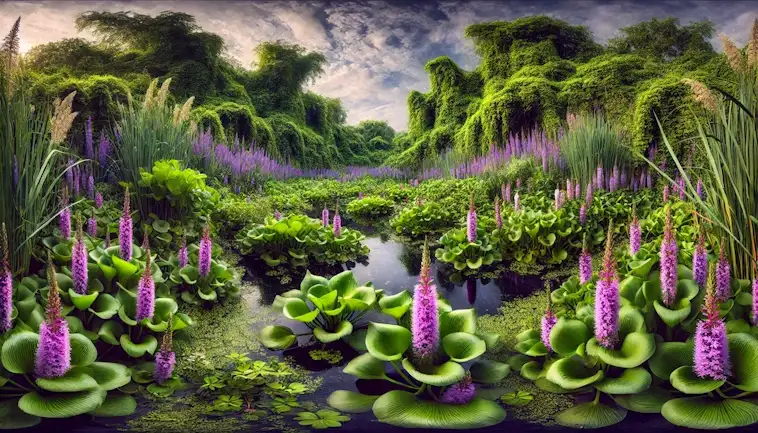
The Silent Conquest: Understanding Invasive Species
Invasive species are plants, animals, or other organisms that end up in places where they don’t naturally belong. What makes a species “invasive” is not just that it’s from somewhere else, but that it starts causing harm when it gets there. These species can disrupt the balance of local ecosystems in several ways.
First, invasive species can outcompete native species for resources like food and space. Since they often don’t have natural predators in their new homes, they can spread quickly and widely. This rapid growth allows them to dominate an area, which can lead to reduced biodiversity because they crowd out the native species that are supposed to be there.
Second, they can change the habitat they invade. Some invasive plants, for example, can alter soil chemistry or decrease water availability, making it hard for native plants to survive. This not only affects the plants themselves but also the animals that rely on those plants for food and shelter.
Invasive species usually travel to new places through human activity. One common pathway is global trade. Ships can carry aquatic organisms in their ballast water, while imported goods might come with insects or plant seeds that aren’t visible. Another pathway is through the pet trade, where exotic animals and plants can escape or be released into the wild by their owners.
Climate change also plays a role in the spread of invasive species. As temperatures change, species that were once confined to tropical or warm areas can start moving into new areas that have now become warmer and more suitable for their survival.
Understanding these pathways helps us manage and prevent the spread of invasive species, which is crucial for protecting native biodiversity and maintaining healthy ecosystems. It’s all about balancing our actions and interventions to ensure that our natural environments continue to thrive.
Economic Impact: The Cost of Biological Invasion
Invasive species can be quite costly, and their impact on economies is huge. These costs come from the need to control the invaders, the damage they cause to infrastructure, and the losses they inflict on agriculture.
One big expense is controlling these species. Governments and local agencies often have to spend a lot of money on efforts to remove or contain invasive species. This might involve using chemicals, setting traps, or even introducing other species to help control the invasive population. These efforts are not only expensive but also need to be continued for a long time to be effective.
Invasive species can also damage infrastructure, which leads to high repair costs. For example, burrowing animals can weaken flood defences or damage roads. Aquatic plants like water hyacinth can clog waterways, affecting everything from water flow to boat traffic, requiring costly removal processes and equipment.
Agriculture takes a big hit too. Invasive pests and weeds can destroy crops, reduce farm productivity, and force farmers to spend more on pesticides and herbicides. This not only increases the cost of farming but also affects the price and availability of food.
A clear example of the economic impact is the emerald ash borer in North America. This tiny beetle has killed millions of ash trees since it was first detected. The cost of dealing with this pest, including tree removal, replacement, and lost wood products, is estimated to be billions of dollars.
Managing these costs requires constant vigilance and innovative strategies to prevent further economic losses. It’s a challenging battle, but a necessary one to protect our environment and economies.
Biological Backlash: Effects on Native Biodiversity
Invasive species can have a big impact on native plants and animals, and these effects can be both direct and indirect. When non-native species enter a new environment, they start competing with the locals for the same resources. This can lead to trouble for native species that aren’t used to such fierce competition.
For example, invasive plants can grow faster and spread quicker than native plants, taking over large areas. This leaves little room for native plants, reducing their numbers. When plant life changes, it affects the animals that depend on those plants for food and shelter, potentially leading to a decline in their populations as well.
Predation is another direct effect. Some invasive species are predators that the native species have no defence against. This can drastically reduce the population of native species. For instance, when the brown tree snake was accidentally introduced to Guam, it had a devastating effect on the local bird populations because these birds had never faced such a predator before.
Disease transmission adds another layer of complexity. Invasive species can carry diseases to which native species have no immunity. This can lead to widespread illness and even death among native populations, further reducing their numbers.
Habitat alteration is an indirect effect, but it’s just as harmful. Invasive species can change the very nature of an ecosystem. Some invasive species alter the soil chemistry or water availability so much that the native species can no longer survive there. This not only affects the plants but also the entire ecosystem, including all the animals that are part of it.
All these factors contribute to the decline of native species. Whether it’s taking their food and space, preying on them, bringing new diseases, or changing their homes, invasive species pose a serious threat to biodiversity. Protecting native flora and fauna requires understanding these impacts and working to manage and mitigate the influence of invasive species.
Notorious Invaders and Their Real-World Impact
Invasive species can cause a lot of trouble in new environments, and their impacts can vary greatly depending on the ecosystem they enter.
First up is the zebra mussel in the Great Lakes. These small mussels originally came from Russia and quickly became a big problem in North America. They attach to and clog water pipes, which costs a lot to fix. They also filter out plankton that many fish and other aquatic species need to survive, disrupting the food chain. The clarity of the water increases with their filtering, which might sound good but actually allows sunlight to reach deeper, promoting excessive algae growth that harms water quality.
Next, the cane toad in Australia is another example. Introduced to control pests in sugar cane fields, these toads didn’t stick to the plan. They have a toxin that can kill predators not evolved to handle it, leading to a decline in native predator species. Their wide diet allows them to outcompete many local species for food, which negatively affects biodiversity in the affected areas.
Lastly, there’s kudzu in the southern United States. Often called “the vine that ate the South”, kudzu was brought from Asia to help control soil erosion. However, it grows incredibly fast, covering almost everything in its path—trees, signs, and buildings. This dense growth blocks sunlight, killing the plants underneath and altering habitats, which negatively affects native species that depend on those plants.
Whether it’s through competition, predation, or habitat alteration, invasive species can drastically change the ecosystems they invade, often with harmful effects on native flora and fauna.
Management Strategies: Battling Biological Invaders
Controlling and eradicating invasive species is a big challenge, but several methods can be used to tackle this problem. Each method has its own strengths and weaknesses.
One common technique is mechanical removal. This involves physically removing the invasive species from the environment. It can be as simple as pulling weeds by hand or as complex as using machinery to dredge invasive mussels from waterways. While effective in small areas or early infestations, it’s labour-intensive and not always practical for large-scale problems.
Chemical treatments are also widely used. These involve applying pesticides or herbicides to kill invasive species. This method can be quick and effective, but it’s not very selective and can harm native species and the environment if not carefully managed.
Biological control involves introducing natural predators or diseases from the invasive species’ original habitat. This method aims to restore balance by using nature against the invaders. For example, scientists have introduced beetles to control invasive purple loosestrife in North America. This method can be very effective, but it carries risks. The introduced agents might not only target the invasive species but can sometimes become invasive themselves.
Legislative measures play a critical role too. Governments enact laws and regulations to prevent the introduction and spread of invasive species. These can include strict quarantine measures, trade restrictions, and requirements for ships to manage their ballast water to prevent aquatic invaders. Legislation helps, but it requires strong enforcement and international cooperation to be truly effective.
Each method has its place, and often, a combination of these approaches is the best way to manage invasive species. Success depends on careful planning, ongoing monitoring, and adapting strategies as situations change. It’s a tough fight, but with thoughtful management, we can protect our ecosystems.
Prevention Over Cure: Policies to Protect Native Habitats
Stopping invasive species from entering new environments in the first place is crucial. By taking proactive measures, we can prevent a lot of damage and save money and resources.
At both international and national levels, policies play a key role. Governments often work together to set rules that control how plants and animals are moved around the world. For example, there are international agreements that require countries to inspect and treat wooden packing materials which can carry pests. Nationally, laws may regulate the import and sale of certain species to prevent them from becoming invasive.
Quarantine measures are another important line of defence. These involve inspecting and isolating plants, animals, and goods that enter a country. This helps ensure that invasive species are not hitching a ride. Airports and seaports often have quarantine officers who check luggage, cargo, and shipments for unauthorised organisms. If anything suspicious is found, it can be treated or sent back.
Public education campaigns are also vital. The more people know about the risks of invasive species, the more likely they are to help prevent their spread. These campaigns teach people not to release exotic pets into the wild or bring home plants from vacations. They also encourage folks to report sightings of suspected invasive species to the authorities.
These efforts together help to minimise future invasions and protect our natural biodiversity. It’s all about being careful and informed about what we move from place to place. By staying vigilant and cooperating across borders and communities, we can keep our ecosystems safe and healthy.
The Role of Climate Change in Invasive Species Spread
Climate change is making it easier for invasive species to spread into new areas. This is happening because rising temperatures and changing weather patterns are altering environments in ways that reduce natural barriers.
Firstly, as the planet warms, areas that were once too cold for some species are now becoming warmer and more inviting. This means that species which were limited by cold temperatures can now move into these regions. For example, insects that thrive in warm climates are extending their range into areas that used to have harsh winters. These new conditions allow them to survive the winter and establish themselves more broadly.
Secondly, changes in rainfall patterns can also play a big role. Some regions are getting more rain, creating wetter conditions that are ideal for certain plants and animals to thrive. Conversely, areas that are becoming drier might see a decline in native species that need moist conditions, leaving space for drought-tolerant invasive species to take over.
Additionally, extreme weather events like hurricanes and floods can physically move organisms to new locations. When these events happen more frequently, as they have been with climate change, they can carry invasive species to new environments. Once there, these species can start new populations, especially if the conditions are right for them to flourish.
All these changes mean that ecosystems are becoming more vulnerable to invasions. Species that were once confined by climate barriers are finding new opportunities to spread. This can lead to significant disruptions in these ecosystems, affecting native biodiversity and the services these ecosystems provide, like clean water and air.
Understanding this relationship between climate change and invasive species is key. It helps us prepare and adapt our conservation efforts to protect our natural environments against these new challenges.
Community Action: How You Can Help
When it comes to controlling invasive species, everyone can play a part. Whether you’re an individual or part of a community, there are practical steps you can take to make a big difference.
One great way to start is by getting involved in local eradication initiatives. Many communities organise “weed-out” days where volunteers come together to remove invasive plants. By joining these events, you can help reduce the spread of these plants and learn more about protecting your local ecosystem.
Another impactful action is promoting native landscaping. Choosing to plant native species in your garden or community spaces isn’t just good for the environment; it also supports local wildlife, which often struggles when invasive plants take over. Native plants are usually more resilient and require less water and care, which makes them a great choice for any gardener.
You can also advocate for strong biosecurity measures in your area. This means supporting policies that prevent the introduction of new invasive species. You might write to local representatives, participate in public meetings, or spread awareness through social media. Making sure that laws and regulations are in place to manage and monitor the movement of plants and animals into and out of your region is crucial.
Lastly, educating yourself and others about the risks of invasive species is key. The more people know, the less likely they are to accidentally contribute to the problem. For example, teaching people not to release exotic pets into the wild or to clean their hiking boots after walking in different areas can prevent new invasions.
By taking these actions, individuals and communities can make a real difference in controlling invasive species. Every small effort adds up, helping to protect our natural landscapes for future generations.
Conclusion
Invasive species are a growing threat to our ecosystems, economies, and the way we live. By outcompeting native species, altering habitats, and spreading new diseases, these invaders can cause irreversible damage. Thankfully, there are steps we can take to fight back.
Whether it’s participating in local clean-up efforts, choosing native plants for our gardens, or supporting strong biosecurity laws, every action counts. Let’s stay informed, get involved, and work together to protect our natural world from these unwanted invaders. Together, we can make a difference and keep our environments vibrant and healthy.