

Pollen Shortages Are Quietly Threatening Our Food Supply
Pollen Shortages Are Threatening Our Food Supply More Than You Think
Pollen shortages are becoming a growing threat to global food production, yet few people realise how serious the problem could become. Bees, butterflies, birds, and other pollinators play a vital role in producing many of the fruits, vegetables, nuts, and seeds that fill supermarket shelves every day. However, climate change, habitat loss, pesticide use, and rising temperatures are reducing pollen availability in many regions around the world.
Scientists are warning that declining pollen levels could weaken entire ecosystems and place added pressure on already fragile food systems. Crops that depend on pollination may produce lower yields, while farmers face rising costs and increasing uncertainty. At the same time, shortages could affect food prices, nutrition, and long-term food security for millions of people.
As weather patterns continue to shift and pollinator populations decline, researchers are racing to understand how pollen shortages could reshape agriculture in the years ahead. The challenge is no longer limited to environmental concerns alone. It is quickly becoming an economic and public health issue that could affect households worldwide.
What You’ll Discover
How Pollen Shortages Are Disrupting Global Crop Production
Why Bees and Pollinators Are Struggling to Survive
The Hidden Economic Impact of Pollen Shortages
What Farmers Are Doing to Protect Food Security
Can Science and Technology Prevent a Pollination Crisis?
Conclusion: Why Pollen Shortages Should Matter to Everyone
How Pollen Shortages Are Disrupting Global Crop Production
Pollen may seem small and insignificant. However, it plays a huge role in global food production. Without enough healthy pollen, many crops simply cannot grow properly. As a result, farmers around the world are starting to face serious challenges.
In recent years, pollen shortages have become more common. Climate change, habitat loss, pollution, and declining bee populations are all making the problem worse. At the same time, demand for food continues to rise. This creates growing pressure on farms and food systems worldwide.
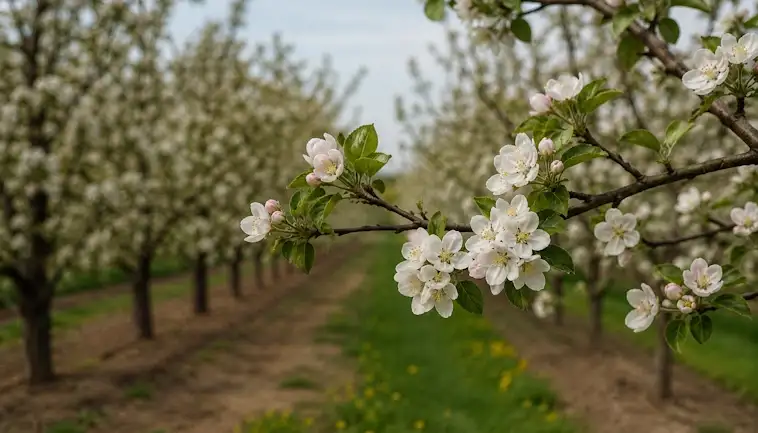
Many fruits, vegetables, and nuts depend on successful pollination. Crops such as apples, almonds, tomatoes, and berries all need strong pollen activity to produce healthy yields. Yet when pollen quality drops or pollinators disappear, production suffers quickly.
The impact is already being felt across several regions. Lower crop yields can lead to higher food prices, supply chain disruptions, and increased pressure on farmers. In some cases, entire harvests are being affected.
Why Climate Change Is Reducing Pollen Availability
One of the biggest drivers behind pollen shortages is climate change. Rising temperatures are changing flowering seasons and disrupting natural pollination cycles. In many areas, plants are blooming earlier than usual. Unfortunately, pollinators like bees may not be active at the same time.
Extreme weather events are also creating problems. Heatwaves, droughts, heavy rainfall, and wildfires can damage flowers and reduce pollen production. Additionally, changing weather patterns make it harder for pollinators to survive and reproduce.
Research also shows that higher carbon dioxide levels may lower the nutritional quality of pollen. This weakens bee health and reduces pollination efficiency even further.
Key Effects of Pollen Shortages on Global Agriculture
Pollen shortages are creating several challenges for modern agriculture, including:
- Lower crop yields across fruit and vegetable farms
- Rising food prices due to reduced supply
- Increased production costs for farmers
- Greater dependence on manual pollination methods
- Reduced biodiversity in farming ecosystems
- Higher risks for global food security
Some farmers are already turning to artificial pollination techniques to protect harvests. However, these methods can be expensive and time-consuming. For smaller farms, the costs may be difficult to manage.
Looking ahead, experts believe innovation will play a major role in solving this issue. Sustainable farming methods, pollinator-friendly habitats, and new agricultural technologies could help reduce the impact of pollen shortages in the future.
At the same time, protecting bees and other natural pollinators remains essential. Without them, global crop production could face even greater disruption in the years ahead.
Why Bees and Pollinators Are Struggling to Survive
Bees and other pollinators are facing serious challenges across the world. Although these tiny creatures may seem small, they play a huge role in keeping nature healthy and food growing on our tables. In fact, many fruits, vegetables, and flowers depend on pollinators to survive. However, their numbers are now falling at an alarming rate.
So, what is causing the problem?
One major issue is habitat loss. As towns and cities continue to grow, wildflower meadows, hedgerows, and natural green spaces are disappearing. Because of this, bees often struggle to find enough food and safe places to nest. At the same time, modern farming methods can reduce the variety of plants that pollinators rely on throughout the year.
Another growing concern is the use of pesticides. Certain chemicals used to protect crops can also harm bees and butterflies. Even low levels of exposure may weaken their immune systems, affect navigation, or reduce their ability to reproduce. As a result, entire colonies can become vulnerable over time.
Climate change is also adding pressure. Warmer temperatures and unpredictable weather patterns are changing when flowers bloom. Unfortunately, this can create a mismatch between pollinators and the plants they depend on for nectar and pollen. Heavy rain, droughts, and heatwaves can also make survival much harder.
The Hidden Impact of Pollinator Decline
The decline of pollinators affects far more than just bees. It can impact ecosystems, wildlife, farming, and even global food supplies. Without healthy pollinator populations, many plants would struggle to reproduce naturally. Consequently, this could reduce biodiversity and weaken entire ecosystems.
Furthermore, farmers may see lower crop yields over time. Foods such as apples, strawberries, almonds, and tomatoes all rely heavily on pollination. If pollinator numbers continue to fall, food production could become more difficult and expensive in the future.
Why Every Garden Can Make a Difference
The good news is that small actions can still have a positive impact. Planting bee-friendly flowers, avoiding harmful pesticides, and creating spaces for wildlife can all help support pollinators locally. Even a small garden, balcony, or window box filled with nectar-rich plants can provide valuable food sources.
In many ways, helping pollinators starts with simple choices. And as more people become aware of the problem, there is growing hope that bees and other pollinators can recover and thrive once again.
The Hidden Economic Impact of Pollen Shortages
Most people think of pollen as little more than a seasonal annoyance. However, pollen plays a much bigger role in the global economy than many realize. In fact, without healthy pollen production and pollination, many industries would struggle to survive.
From farming to food production, pollen supports crops that feed billions of people every year. Yet today, climate change, habitat loss, pesticides, and declining bee populations are creating serious pollen shortages across many regions. As a result, businesses, farmers, and consumers are already feeling the pressure.
The economic impact is often hidden because it happens slowly. Crop yields become less reliable. Food prices rise. Farmers face higher costs. Meanwhile, supply chains become more vulnerable. Over time, these problems can affect entire economies.
How Pollen Shortages Affect Global Food Markets
Pollination is essential for many fruits, vegetables, nuts, and seeds. Crops such as almonds, apples, blueberries, and cucumbers depend heavily on pollinators to grow properly. Therefore, when pollen levels drop or pollinators disappear, food production suffers.
This creates several economic challenges:
- Lower crop yields for farmers
- Rising food prices for consumers
- Increased labor costs for artificial pollination
- Greater dependence on imported food
- Financial pressure on small farms
- Reduced biodiversity in agricultural systems
In some regions, farmers are already paying more to rent honeybee colonies during pollination seasons. Consequently, production costs continue to rise. Smaller farms are often hit the hardest because they have fewer financial resources.
The Rising Cost of Artificial Pollination
As natural pollination declines, some growers are turning to hand pollination or mechanical solutions. While this may help protect certain crops, it is expensive and time-consuming.
For example, hand pollination requires large workforces and careful timing. In countries where labor costs are increasing, this can quickly reduce profits. At the same time, technology-based pollination systems remain costly and are still developing.
Businesses connected to agriculture may also feel the impact, including:
- Food manufacturers
- Supermarkets
- Transport companies
- Restaurants
- Export businesses
Eventually, consumers pay more at the checkout. Moreover, shortages can reduce product availability and create instability in food supply chains.
Looking ahead, protecting pollinators may become one of the most important economic priorities of the decade. Governments, farmers, and businesses are now exploring sustainable farming methods, bee-friendly habitats, and reduced pesticide use. These efforts could help strengthen food security while supporting long-term economic stability.
What Farmers Are Doing to Protect Food Security
Food security has become one of the biggest challenges facing the world today. Extreme weather, rising costs, and changing climates are putting pressure on farms everywhere. Yet despite these challenges, farmers are finding smart and practical ways to protect the food supply for future generations.
Across the globe, many farmers are changing how they grow crops and raise animals. They are using better technology, improving soil health, and reducing waste. At the same time, they are working to produce enough food while protecting the environment.
These efforts matter more than ever. As the population grows, the demand for food continues to rise. Therefore, farmers are focusing on long-term solutions instead of quick fixes. Their goal is simple. They want to keep food available, affordable, and sustainable for everyone.
Using Sustainable Farming Methods
One of the biggest changes happening in agriculture is the move toward sustainable farming practices. Farmers are learning how to grow more food while using fewer natural resources. This helps protect the land for future generations.
For example, many farmers now rotate crops to improve soil quality. Others plant cover crops to stop soil erosion and hold moisture in the ground. In addition, precision farming technology allows farmers to use water and fertilizer more efficiently. As a result, farms can reduce waste and lower costs.
How Technology Is Helping Farmers Adapt
Technology is also playing a major role in food security. Modern tools give farmers better information and faster solutions. Drones can monitor crop health from the sky, while sensors track soil moisture and weather conditions in real time.
Meanwhile, artificial intelligence is helping farmers predict harvests and detect plant diseases earlier. This means problems can often be solved before crops are damaged. Consequently, farmers can protect yields and avoid major food shortages.
Many farms are also investing in renewable energy such as solar power and biogas systems. Not only does this reduce energy costs, but it also helps farms become more resilient during uncertain times.
Together, these changes are helping farmers build stronger and more reliable food systems. While challenges still exist, innovation and sustainability are giving agriculture a better path forward.
Can Science and Technology Prevent a Pollination Crisis?
Pollination plays a vital role in our food system. In fact, many of the fruits, vegetables, and nuts we eat every day depend on pollinators like bees, butterflies, and other insects. However, pollinator populations are falling across the world. Habitat loss, climate change, pesticides, and disease are all putting pressure on these important species.
As concerns grow, scientists and technology companies are searching for solutions. From AI-powered monitoring tools to robotic pollinators, innovation is opening new possibilities. While technology cannot fully replace nature, it may help reduce risks and support pollinators before the problem becomes even more serious.
How Technology Is Helping Pollinators Survive
Modern technology is giving researchers new ways to understand and protect pollinators. At the same time, farmers are using smarter tools to make agriculture more sustainable.
Some of the most promising developments include:
- AI systems that track bee behaviour and detect colony health problems early
- Smart sensors that monitor temperature, pollution, and pesticide exposure
- Drones that help pollinate crops in areas with low bee populations
- Data-driven farming methods that reduce harmful chemical use
- Satellite mapping to identify habitats that need protection
These tools are helping scientists respond faster and make better decisions. As a result, pollinator conservation is becoming more targeted and effective.
Can Robotic Pollinators Replace Bees?
Researchers are also developing robotic pollinators, sometimes called robo-bees. These tiny flying machines are designed to assist with crop pollination in emergencies or controlled environments.
Although the idea sounds futuristic, there are still major challenges. Real bees do far more than move pollen between flowers. They support entire ecosystems and adapt naturally to changing environments. Robots, on the other hand, are expensive, limited, and still in the early stages of development.
Because of this, most experts agree that robotic pollinators should support natural pollinators rather than replace them. Protecting bee habitats, reducing pesticide use, and improving biodiversity remain the most effective long-term solutions.
Looking ahead, the best approach will likely combine science, technology, and conservation. By working with nature instead of against it, we may still be able to prevent a global pollination crisis.
Conclusion: Why Pollen Shortages Should Matter to Everyone
Pollen shortages may sound like a distant environmental issue, but they are becoming a real threat to global food security. From fruit and vegetables to nuts and seeds, many of the foods we rely on every day depend on healthy pollination. Yet climate change, habitat loss, pollution, and declining bee populations are putting that system under growing pressure.
The good news is that awareness is growing. Farmers, scientists, and conservation groups are already exploring new ways to protect pollinators and strengthen ecosystems. Simple actions such as planting wildflowers, reducing pesticide use, and supporting sustainable farming can also make a meaningful difference.
As the world’s population continues to grow, solving pollen shortages will become even more important. Protecting pollinators is no longer just about saving bees. It is about protecting the future of our food supply, farming industries, and natural ecosystems. The choices made today could shape the way future generations eat tomorrow.