

Earths Balance Is Under Threat From Rapid Climate Change
Climate Change Is Pushing Earths Balance to a Dangerous Tipping Point
Earths balance is shifting at a pace that scientists once believed would take centuries. Rising global temperatures, stronger storms, melting ice sheets, and changing ecosystems are already affecting daily life across the planet. As climate patterns become more unstable, the natural systems that support human life face growing pressure.
The impact of rapid climate change reaches far beyond the environment. Food production, water supplies, wildlife habitats, and coastal communities are all at risk as extreme weather events become more frequent and severe. At the same time, forests, oceans, and other natural resources are struggling to recover from the damage caused by pollution and rising carbon emissions.
Understanding how these changes threaten Earth’s long-term stability is becoming more important than ever. Scientists continue to warn that without urgent action, future generations could face harsher living conditions, greater economic disruption, and irreversible environmental loss.
What You’ll Discover
Earths Balance Is Reaching a Critical Tipping Point
How Rising Temperatures Are Reshaping Our Planet
Earths Balance Faces Growing Pressure From Extreme Weather
The Hidden Impact of Climate Change on Daily Life
Why Immediate Climate Action Can Still Protect the Future
Conclusion: Restoring Earths Balance Starts With Us
Earths Balance Is Reaching a Critical Tipping Point
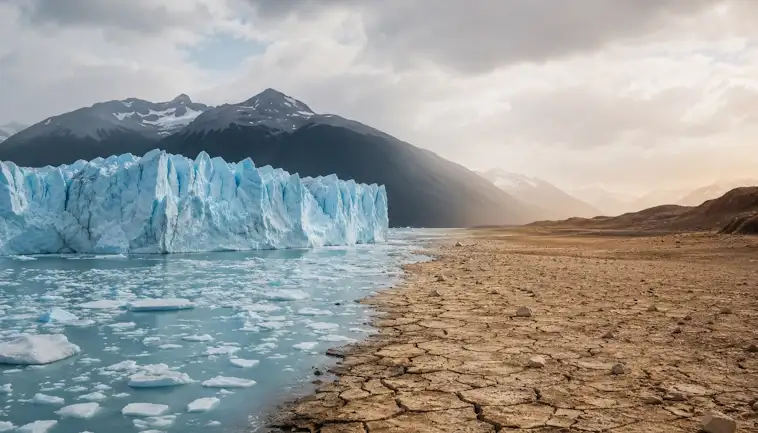
For years, scientists warned that the planet was moving toward dangerous environmental limits. Now, many experts believe we are much closer to those limits than ever before. Around the world, rising temperatures, stronger storms, melting ice sheets, and widespread wildfires are becoming harder to ignore. As a result, the idea of a “tipping point” is no longer just a scientific term. Instead, it is becoming part of everyday life.
Earth’s natural systems work together like a carefully balanced network. Oceans regulate temperatures, forests absorb carbon dioxide, and polar ice reflects sunlight back into space. However, human activity is placing enormous pressure on these systems. The continued burning of fossil fuels, deforestation, and pollution are accelerating climate change at a pace the planet may struggle to handle.
What makes this moment especially worrying is that some environmental changes could soon become irreversible. In other words, once certain tipping points are crossed, nature may not be able to recover quickly enough. That could trigger even faster warming and create long-term consequences for ecosystems, economies, and human health.
Why Climate Tipping Points Matter More Than Ever
Climate tipping points are critical thresholds within Earth’s systems. Once crossed, they can cause dramatic and permanent environmental shifts. For example, the rapid melting of Arctic ice reduces the planet’s ability to reflect heat. Consequently, more heat is absorbed by the oceans, which speeds up global warming even further.
At the same time, rainforests that once removed carbon from the atmosphere are now under severe stress. Droughts, wildfires, and deforestation are weakening these natural defenses. If major ecosystems begin to collapse, the effects could spread across the globe.
Small Changes Are Creating Bigger Global Consequences
Even seemingly small temperature increases can have major effects. A rise of just a few degrees may disrupt food production, increase water shortages, and force millions of people to leave vulnerable regions. Meanwhile, coastal cities face growing risks from rising sea levels and extreme weather events.
Still, there is reason for hope. Clean energy technology is improving rapidly, and public awareness continues to grow. Governments, businesses, and individuals are beginning to recognize the need for urgent action. Although the challenges are serious, the choices made today could help slow the damage and protect future generations.
The next decade will likely play a defining role in Earth’s future. Therefore, understanding the risks — and acting quickly — has never been more important.
How Rising Temperatures Are Reshaping Our Planet
Climate change happening right now, and people around the world are already feeling the effects. From longer heatwaves to stronger storms, rising temperatures are changing the way we live, work, and protect our communities.
Over the past few decades, global temperatures have climbed at an alarming pace. As a result, weather patterns are becoming less predictable. In many regions, summers are hotter and drier. Meanwhile, other areas are seeing more floods and heavier rainfall. These changes are putting pressure on food supplies, wildlife, water resources, and even public health.
What makes this issue even more important is how connected everything has become. When temperatures rise in one part of the world, the impact can spread far beyond local borders. For example, melting ice sheets contribute to sea level rise, which threatens coastal cities across the globe. At the same time, warmer oceans can fuel more intense hurricanes and disrupt marine ecosystems.
The Growing Impact of Extreme Weather
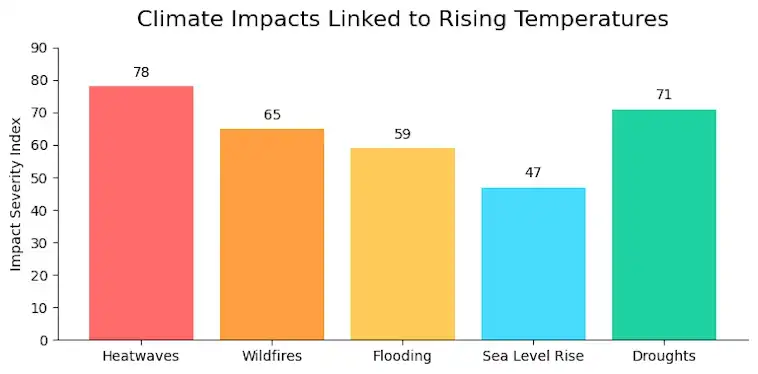
Extreme weather events are becoming more common as the planet heats up. Heatwaves now last longer and reach higher temperatures than they did in previous generations. In addition, wildfire seasons are starting earlier and burning more land each year.
Farmers are also facing difficult conditions. Crops struggle during long droughts, while sudden floods can destroy entire harvests overnight. Consequently, food prices may rise and supply chains can become unstable.
At the same time, cities are feeling the pressure too. Roads, rail networks, and power systems were not designed for constant extreme heat. Therefore, governments and businesses are being forced to rethink how infrastructure is built for the future.
Why This Matters for Future Generations
The choices we make today will shape the world future generations inherit. While the challenges are serious, there is still time to slow the damage. Cleaner energy, smarter urban planning, and better conservation efforts can all make a difference.
More importantly, awareness is growing. People are becoming more informed about climate issues and pushing for meaningful change. As innovation continues, new technologies and sustainable solutions could help communities adapt and thrive in a warmer world.
The road ahead will not be easy. However, by taking action now, we can help protect ecosystems, strengthen communities, and create a more sustainable future for everyone.
Earths Balance Faces Growing Pressure From Extreme Weather
Across the world, the signs are becoming harder to ignore. Heatwaves are lasting longer. Storms are growing stronger. At the same time, floods, droughts, and wildfires are disrupting daily life for millions of people. Earth’s natural balance is under increasing strain, and many communities are now feeling the effects firsthand.
Scientists continue to warn that rising global temperatures are changing weather patterns faster than expected. As a result, seasons are becoming less predictable. Crops are struggling in some regions, while coastal areas face rising sea levels and more frequent storms. Even places once considered safe from severe weather are starting to experience unusual climate events.
However, this is not only an environmental issue. It also affects health, food supplies, local economies, and global stability. Families are paying more for energy and food, while businesses face growing costs from damaged infrastructure and disrupted supply chains. Because of this, conversations about climate resilience are now becoming part of everyday life.
Why Extreme Weather Events Are Increasing
One major reason behind the rise in extreme weather is the buildup of greenhouse gases in the atmosphere. These gases trap heat and gradually warm the planet. Consequently, warmer oceans and hotter air create stronger storms, heavier rainfall, and longer dry periods.
Key Impacts Already Being Seen Around the World
- Longer and more dangerous heatwaves in cities
- Increased flooding after heavy rainfall
- More powerful hurricanes and tropical storms
- Rising wildfire risks during hotter summers
- Water shortages caused by extended droughts
- Damage to homes, roads, and power systems
- Greater pressure on farming and food production
- Higher health risks for vulnerable communities
Even so, many experts believe there is still time to reduce the damage. Cleaner energy, smarter infrastructure, and better environmental planning can all help communities adapt. In addition, small changes in everyday habits can support wider global efforts. While the challenges are serious, growing awareness is also driving innovation and stronger climate action around the world.
The Hidden Impact of Climate Change on Daily Life
Many people picture melting ice caps, rising sea levels, or extreme storms shown on the news. However, the real impact is much closer to home. In fact, climate change is already shaping daily life in ways many of us do not fully notice.
From rising grocery bills to longer allergy seasons, the effects are becoming harder to ignore. At the same time, hotter summers and unpredictable weather patterns are changing how we work, travel, and even relax at home. These small disruptions may seem unrelated at first. Yet together, they reveal how deeply climate change now affects everyday routines.
As temperatures continue to rise, families are spending more on energy to cool their homes. Meanwhile, heavy rainfall and heatwaves are putting pressure on roads, public transport, and local services. Even simple activities, like planning a holiday or enjoying time outdoors, are becoming less predictable.
How Climate Change Quietly Changes Everyday Habits
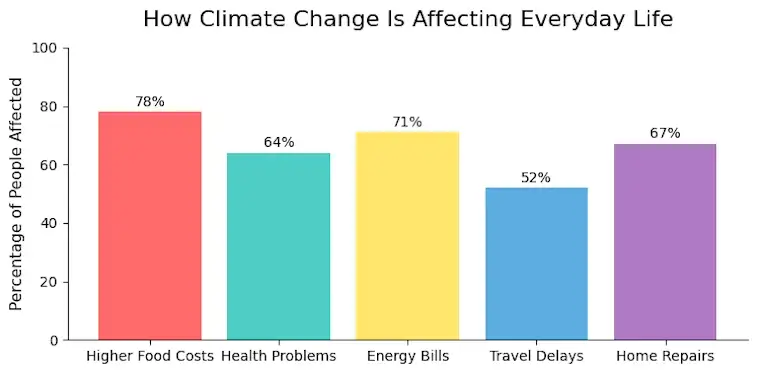
One of the biggest hidden effects is the financial pressure many households now face. Food prices continue to rise because droughts, floods, and changing seasons damage crops around the world. As a result, everyday essentials often cost more than they did just a few years ago.
At the same time, health concerns are growing. Longer heatwaves can increase exhaustion and breathing problems, especially for older adults and young children. In addition, warmer weather allows pollen seasons to last longer, making allergies worse for millions of people.
Transport is also feeling the strain. Trains can face delays during extreme heat, while storms often disrupt flights and roads. Consequently, daily commutes and travel plans are becoming more stressful and less reliable.
Small Lifestyle Changes Are Becoming Necessary
Because of these changes, many people are adjusting their habits without even realising it. Some are using less energy during peak hours to reduce costs. Others are choosing local food products or avoiding travel during extreme weather periods.
Looking ahead, these shifts may become even more common. Homes may need better insulation, cities may add more green spaces, and workplaces could adopt flexible schedules during severe weather events. Although these adjustments can help, they also show how climate change is no longer just an environmental issue. It is now part of everyday life.
The good news is that awareness is growing. As more people understand these hidden impacts, communities and businesses can work together to build smarter and more resilient ways of living.
Why Immediate Climate Action Can Still Protect the Future
Climate change can feel overwhelming. Every week seems to bring another warning about rising temperatures, extreme weather, or damaged ecosystems. As a result, many people now wonder if it is already too late to make a difference. However, the science tells a more hopeful story. While the challenges are serious, immediate climate action can still protect communities, economies, and the planet for future generations.
The next few years matter more than ever. Every step taken today can slow global warming and reduce long-term damage. Cleaner energy, smarter cities, and stronger environmental policies are already making a difference in many parts of the world. At the same time, businesses and households are finding practical ways to lower emissions without giving up comfort or growth.
Most importantly, climate action is no longer only about avoiding disaster. It is also about creating healthier lives, cleaner air, and more secure economies. When countries invest in renewable energy and sustainable technology, they also create jobs and encourage innovation. In other words, acting now does not just protect the environment. It can also improve everyday life.
Small Changes Today Can Create Long-Term Impact
Many people assume climate solutions must be massive to matter. Yet small actions, when repeated across millions of homes and businesses, can create real progress. For example, using energy-efficient appliances, reducing food waste, and choosing public transport can all lower carbon emissions over time.
Meanwhile, governments and industries are beginning to scale larger solutions. Solar and wind power are becoming more affordable each year. Electric vehicles are more common on roads around the world. Even major companies are setting targets to reduce pollution and invest in greener technology.
This momentum matters because climate change works in stages. The faster emissions fall, the better chance the world has of avoiding the most dangerous outcomes. Scientists agree that limiting temperature increases now could still prevent severe flooding, food shortages, and extreme heat in the future.
Why Hope Still Matters in the Climate Debate
Hope plays an important role in climate action. When people believe change is possible, they are more likely to support new policies and make sustainable choices in their own lives. On the other hand, fear and hopelessness often lead to inaction.
That is why positive climate stories are important. Around the world, communities are restoring forests, protecting wildlife, and switching to cleaner energy sources. These efforts may not always make headlines, but they show that progress is already happening.
The future is not fixed. Decisions made today will shape the world that future generations inherit. By acting quickly and working together, societies still have the opportunity to build a cleaner, safer, and more resilient future.
Conclusion: Restoring Earths Balance Starts With Us
Earths balance is no longer something we can take for granted. Rapid climate change is reshaping weather patterns, ecosystems, and daily life across the globe. However, there is still time to slow the damage and create a more sustainable future. Every choice matters, from reducing emissions to supporting cleaner energy and protecting natural resources.
As awareness grows, so does the opportunity for change. Governments, businesses, and individuals all have a role to play in protecting the planet for future generations. By acting now, we can help restore earths balance and build a healthier world that is more resilient, stable, and prepared for the challenges ahead.
The path forward will not be easy, but meaningful progress is possible when people work together. Earths balance depends on the decisions we make today, and those decisions will shape the future of life on our planet for decades to come.