

Gas Reserves Shift Could Trigger a Worldwide Energy Race
Changing Gas Reserves May Trigger the Next Worldwide Energy Battle
Gas reserves are becoming one of the most powerful forces shaping global energy markets. As countries compete to secure long-term supplies, new discoveries and shifting control over existing reserves could redefine trade alliances, economic influence, and energy security for decades. Governments are already racing to reduce dependence on unstable suppliers while investing heavily in infrastructure that can protect their energy future.
At the same time, rising demand from fast-growing economies is increasing pressure on global supply chains. Major producers are gaining stronger political leverage, while nations with limited domestic resources face higher risks from price shocks and supply disruptions. This growing imbalance is pushing energy policy to the center of international strategy.
The changing landscape could also accelerate competition in emerging regions rich in untapped resources. From the Arctic to the Eastern Mediterranean, control of valuable reserves may spark new partnerships, trade deals, and geopolitical tensions. As the global economy continues its transition toward cleaner energy, natural gas is likely to remain a critical bridge fuel, making control over gas reserves more important than ever.
What You’ll Discover
Gas Reserves Redraw the Global Energy Power Map
Nations Rush to Secure Future Fuel Supplies
Gas Reserves Spark New Global Energy Rivalries
Energy Markets Brace for a High-Stakes Resource Shift
The New Race for Control of Critical Energy Sources
Conclusion: The Global Energy Map Is Changing Fast
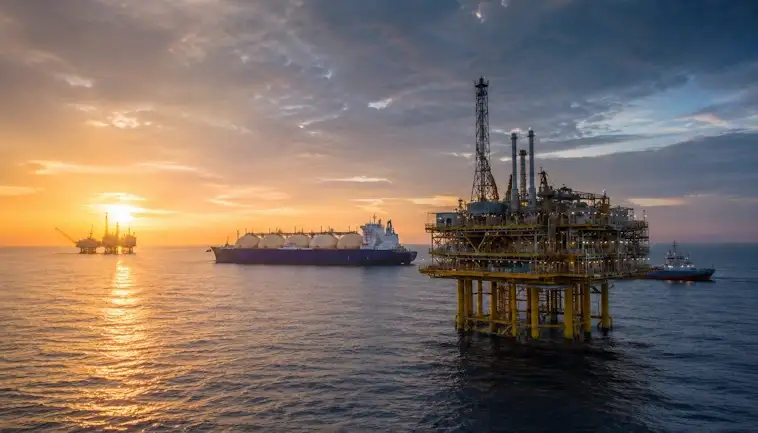
Gas Reserves Redraw the Global Energy Power Map
For decades, oil shaped the balance of global power. However, natural gas is now changing the conversation. Countries with large gas reserves are gaining new influence, while energy-hungry nations are racing to secure long-term supplies. As a result, the global energy map is being redrawn in real time.
At the center of this shift is the growing demand for cleaner energy. Although renewable power continues to expand, many nations still rely on natural gas to bridge the gap between coal and fully green systems. Because of this, gas-rich countries are becoming more important in global politics, trade, and economic strategy.
Meanwhile, discoveries of massive offshore gas fields in places like the Eastern Mediterranean, Africa, and the Middle East are opening new opportunities. These reserves are not only creating wealth. They are also reshaping alliances and increasing competition between regional powers.
Why Natural Gas Has Become a Strategic Asset
Natural gas is now seen as more than just a fuel source. In many ways, it has become a political tool. Nations that control large reserves can influence prices, supply chains, and even diplomatic relationships.
For example, Europe’s push to reduce dependence on Russian gas has accelerated investment in alternative suppliers. At the same time, countries such as Qatar and the United States have expanded exports of liquefied natural gas (LNG), giving them a stronger position in global energy markets.
In addition, fast-growing economies in Asia continue to increase demand for stable gas supplies. This rising demand is driving new pipeline projects, shipping routes, and long-term energy partnerships across the world.
The Race for Energy Security Is Intensifying
Energy security has now become a national priority for many governments. Leaders understand that reliable access to gas can protect economies from supply shocks and rising prices. Therefore, countries are investing heavily in infrastructure such as LNG terminals, storage facilities, and cross-border pipelines.
At the same time, competition for influence over gas-rich regions is becoming more intense. Strategic waterways and export routes are now central to global trade discussions. Consequently, energy policy and foreign policy are becoming more closely linked than ever before.
Looking ahead, natural gas will likely remain a major force in the energy transition. Even as renewable technologies grow, gas reserves will continue to shape global power, economic stability, and international relationships for years to come.
Nations Rush to Secure Future Fuel Supplies
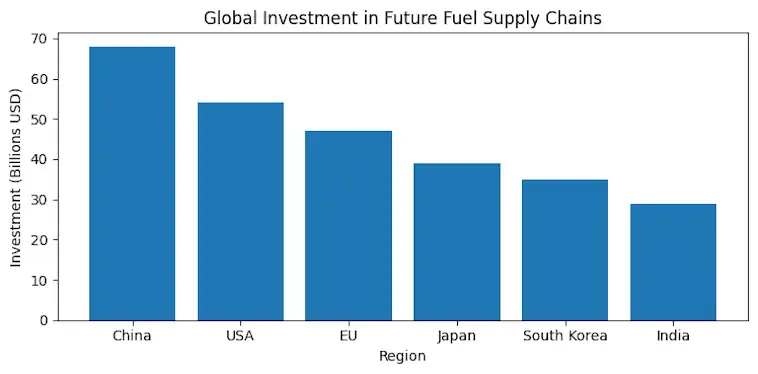
Energy is changing fast. Around the world, countries are racing to lock in future fuel supplies as demand for cleaner power grows. Governments now see energy security as more than just keeping the lights on. It is also about controlling supply chains, reducing dependence on foreign imports, and preparing for the next wave of industrial growth.
At the same time, competition is heating up. Nations are investing billions into hydrogen, battery materials, biofuels, and critical minerals. These resources are expected to power everything from electric cars to heavy industry in the years ahead. As a result, global partnerships are expanding while strategic rivalries are becoming more visible.
Why Energy Security Is Driving New Investments
Many countries learned tough lessons during recent energy disruptions. Supply shortages and rising fuel prices exposed how fragile global energy systems can be. Because of this, governments are now moving quickly to diversify supply sources and strengthen domestic production.
In addition, renewable energy projects are creating new pressure on mineral supplies. Lithium, cobalt, nickel, and rare earth elements are now seen as strategic assets. Nations that secure reliable access to these materials could gain a major economic advantage in the future.
The Race for Critical Minerals Intensifies
Several economies are already increasing investment in mining projects, fuel infrastructure, and clean energy technologies. China continues to dominate many battery supply chains, while the United States and Europe are accelerating funding programs to reduce dependence on overseas suppliers. Meanwhile, countries across Asia are building long-term agreements to secure future access to energy resources.
This global race is not slowing down. In fact, analysts expect competition for future fuels to become even stronger over the next decade. The countries that invest early may shape the future of global energy markets for years to come.
Gas Reserves Spark New Global Energy Rivalries
Natural gas is once again shaping global politics. As countries race to secure reliable energy supplies, massive gas reserves are becoming more than just economic assets. They are now powerful strategic tools. From the Eastern Mediterranean to the Arctic, nations are competing for control, influence, and long-term energy partnerships.
At the same time, the global push for cleaner energy has created a complicated transition period. Many governments see natural gas as a “bridge fuel” between coal and renewables. Because of this, demand remains strong. As a result, countries with large untapped reserves are gaining new geopolitical importance.
Meanwhile, rising energy insecurity has pushed nations to rethink old alliances. Europe, for example, has worked to reduce dependence on Russian gas after recent supply disruptions. This shift has opened doors for new exporters such as Qatar, the United States, and several African nations. Consequently, global energy maps are changing fast.
New Energy Hotspots Are Reshaping Alliances
Several regions are now emerging as major energy battlegrounds. The Eastern Mediterranean has become one of the most closely watched areas due to large offshore gas discoveries. Countries including Egypt, Israel, and Cyprus are expanding exploration projects while also building new export routes.
In Africa, nations such as Mozambique and Senegal are attracting billions in foreign investment. These countries hold large gas reserves that could transform their economies. However, political instability and infrastructure challenges still create uncertainty.
At the same time, Arctic nations are increasing exploration efforts as melting ice opens new shipping and drilling opportunities. This has added another layer of tension between global powers competing for influence in the region.
Why Gas Reserves Matter More Than Ever
Natural gas reserves are now central to economic growth and national security strategies. Countries that control major supplies can influence global markets and strengthen diplomatic ties.
Key reasons behind the growing rivalry include:
- Rising global demand for energy security
- Europe’s search for alternative gas suppliers
- Expanding LNG export infrastructure
- Competition over strategic shipping routes
- Increased foreign investment in emerging gas markets
- The transition away from coal in many economies
- Growing geopolitical tensions between major powers
Looking ahead, energy competition is likely to intensify. While renewable energy continues to grow, natural gas will still play a major role in the global economy for years to come. Therefore, countries rich in gas reserves are expected to remain at the center of international politics and economic strategy.
Energy Markets Brace for a High-Stakes Resource Shift
The global energy market is entering a new phase. For years, oil and gas shaped the pace of economic growth. However, the balance is now changing faster than many experts expected. Countries are racing to secure energy supplies, while companies are investing heavily in cleaner technology. As a result, the market is becoming more competitive, more unpredictable, and far more connected to politics and trade.
At the same time, demand for electricity continues to rise. Artificial intelligence, electric vehicles, and large data centers all require huge amounts of power. Because of this, governments are pushing for stronger energy security while also trying to reduce emissions. This balancing act is creating pressure across the entire sector.
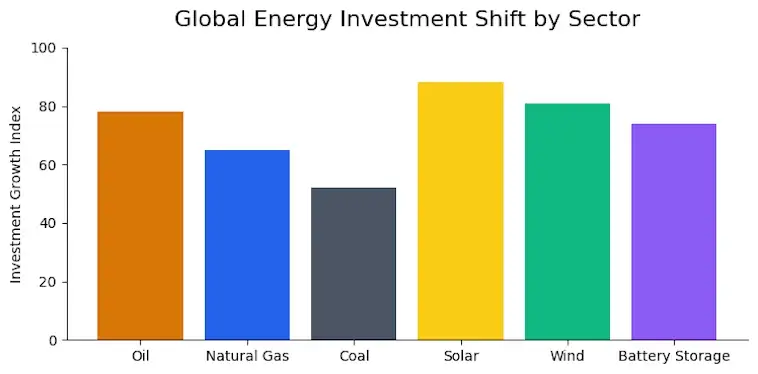
Investors are also watching closely. Traditional fossil fuel markets still generate massive profits, yet renewable energy continues to attract record funding. Meanwhile, supply chain concerns are growing around critical minerals like lithium, copper, and rare earth elements. These materials are now as strategically important as oil once was.
Renewable Energy Expands While Traditional Fuels Hold Strong
Renewable energy projects are growing rapidly across Europe, Asia, and North America. Solar and wind farms are becoming cheaper to build, and battery storage technology is improving each year. Consequently, many countries now see renewables as both an environmental goal and an economic opportunity.
Still, the transition will not happen overnight. Oil and natural gas remain central to transportation, manufacturing, and heating systems worldwide. In fact, many emerging economies continue to depend heavily on fossil fuels to support industrial growth and rising populations.
This creates a difficult challenge. Energy producers must invest in cleaner systems without disrupting current supply. If investment falls too quickly in traditional fuels, prices could spike. On the other hand, moving too slowly could leave economies exposed to future climate risks and stricter regulations.
Critical Minerals Become the New Energy Battleground
Another major shift is happening beneath the surface. The competition for critical minerals is intensifying as demand for batteries and clean energy infrastructure grows. Lithium, cobalt, nickel, and copper are now at the center of global trade discussions.
Because of this, countries are forming new partnerships and securing long-term supply agreements. Some governments are also investing in domestic mining projects to reduce dependence on foreign suppliers. This trend is likely to reshape trade routes and influence future geopolitical tensions.
Ultimately, the energy transition is no longer just about fuel. It is about technology, supply chains, and long-term economic resilience. The next decade could redefine which nations lead the global economy and which industries gain the strongest competitive advantage.
The New Race for Control of Critical Energy Sources
The global energy market is changing fast. For decades, oil and gas shaped political power, trade, and economic growth. However, a new competition is now taking center stage. Countries are racing to secure control over critical energy sources and the raw materials that support them.
This shift is being driven by the rapid growth of clean energy. Electric vehicles, battery storage, solar panels, and wind farms all depend on minerals such as lithium, cobalt, nickel, and rare earth elements. As a result, these resources have become some of the most valuable assets in the world economy.
At the same time, governments are trying to reduce their dependence on unstable supply chains. Recent geopolitical tensions exposed how vulnerable many countries are when key resources come from only a handful of suppliers. Because of this, nations are investing heavily in domestic mining, new trade partnerships, and energy security strategies.
Consumers are also feeling the impact. Energy prices, manufacturing costs, and even the future price of electric vehicles are now linked to access to these materials. Consequently, the battle for critical resources is no longer just a political issue. It affects businesses, households, and long-term economic stability.
Why Critical Minerals Have Become the New Oil
Critical minerals are now seen as essential to national security and future economic growth. Lithium powers electric vehicle batteries. Rare earth elements are needed for wind turbines and advanced electronics. Meanwhile, copper remains vital for expanding electricity grids and renewable energy systems.
Demand is rising at an extraordinary pace. According to energy analysts, global demand for some battery materials could multiply several times over during the next decade. Therefore, countries that control these supply chains may gain major economic and political advantages.
China currently dominates much of the global refining and processing market. Meanwhile, the United States, Europe, and other nations are trying to catch up by investing in alternative supply routes. This growing competition is creating a modern resource race unlike anything seen in recent decades.
The Push for Energy Independence
Many governments are now focusing on energy independence alongside climate goals. New mining projects are being approved in regions that were once overlooked. In addition, recycling technology is improving as companies search for ways to recover valuable minerals from old batteries and electronics.
There is also a growing push toward innovation. Researchers are developing battery technologies that use fewer rare materials. At the same time, businesses are exploring new ways to store and distribute renewable energy more efficiently.
Still, major challenges remain. Mining projects can take years to develop, and environmental concerns continue to spark debate. Furthermore, competition between major powers could increase political tensions around trade and resource access.
Even so, one thing is becoming clear. The countries that secure stable access to critical energy sources today may shape the global economy for decades to come.
Conclusion: The Global Energy Map Is Changing Fast
The race for control of future energy supplies may already be underway. As new discoveries emerge and existing gas reserves become more valuable, countries are rethinking their energy strategies, trade partnerships, and long-term security plans. What once looked like a stable market could soon become far more competitive.
At the same time, growing demand, political tension, and the shift toward cleaner energy sources are adding new pressure to the global system. Nations with large gas reserves could gain greater influence, while countries that rely heavily on imports may face rising costs and supply risks.
Looking ahead, the balance of power in energy markets will likely depend on who can secure reliable resources, invest in infrastructure, and adapt quickly to changing demand. While renewable energy continues to expand, gas reserves are still expected to play a major role in powering economies for years to come.
For businesses, governments, and consumers alike, the message is clear. The global energy landscape is entering a new phase, and the competition surrounding gas reserves could shape economic and political decisions across the world for decades.