

Fiery Weather Threatens Homes, Health, and Daily Life
Fiery Weather Threatens Homes, Health, and Daily Life Across the Country
Fiery weather is becoming a growing threat across many parts of the world. Extreme heat, dry winds, and longer wildfire seasons are putting homes, health, and daily routines under intense pressure. Families are facing evacuation risks, poor air quality, and rising energy costs as dangerous conditions become more common each year.
At the same time, communities are struggling to adapt to changing weather patterns that can quickly turn deadly. Hospitals often see more heat-related illnesses during severe conditions, while smoke and pollution can make everyday activities unsafe for children, older adults, and people with breathing problems. As fiery weather continues to intensify, many experts warn that preparation and awareness are becoming more important than ever.
What You’ll Discover
Fiery Weather Puts Homes and Communities at Risk
How Extreme Heat Impacts Health and Daily Routines
Fiery Weather Fuels Power Outages and Travel Disruption
Why Families Are Struggling With Rising Climate Stress
Steps People Can Take to Stay Safe During Severe Heatwaves
Conclusion: Fiery Weather Is Becoming Harder to Ignore
Fiery Weather Puts Homes and Communities at Risk
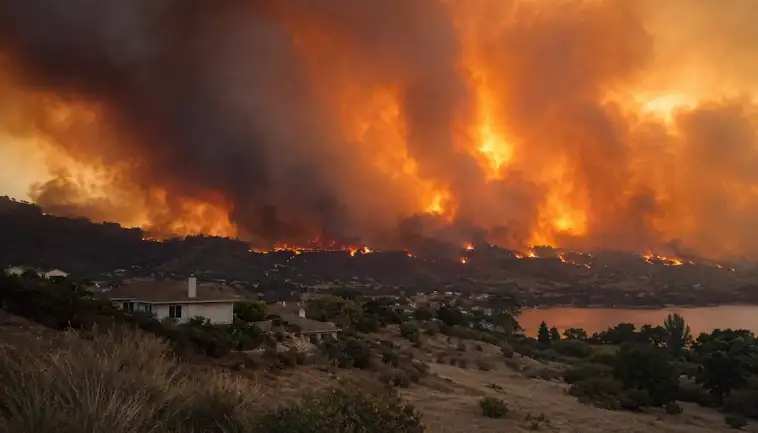
Hotter and drier weather is becoming harder to ignore. Across many regions, rising temperatures and long dry spells are creating the perfect conditions for wildfires to spread faster and burn longer. As a result, more homes, businesses, and entire communities now face serious risks during fire season.
For many families, the danger feels much closer than it once did. Fires that used to stay in remote forests are now reaching suburbs and residential areas. Strong winds, dry vegetation, and extreme heat can quickly turn a small spark into a major emergency. Because of this, communities are being forced to rethink how they prepare for and respond to these growing threats.
At the same time, the financial impact is also increasing. Property damage, rising insurance costs, and costly rebuilding efforts are placing pressure on homeowners and local governments alike. In some areas, insurance providers are even reducing coverage or leaving high-risk regions altogether. This creates even more uncertainty for people already living with the fear of wildfire season.
Why Wildfires Are Becoming More Destructive
Climate patterns are playing a major role in the rise of extreme fire weather. Warmer temperatures dry out trees, grass, and soil much faster than before. In addition, longer heatwaves and reduced rainfall leave landscapes highly flammable for extended periods.
Urban growth is also adding to the problem. As more homes are built near forests and open land, the chances of fires damaging residential areas continue to rise. Even a single lightning strike, unattended campfire, or faulty power line can trigger a disaster under the wrong conditions.
Communities Are Being Forced to Adapt
Many towns and cities are now investing in stronger fire prevention strategies. This includes clearing vegetation near homes, improving emergency warning systems, and creating fire-resistant building standards. Homeowners are also taking extra steps by installing fire-resistant roofs, maintaining defensible space around properties, and preparing emergency evacuation plans.
However, experts warn that preparation alone may not fully solve the problem. As extreme weather events become more common, communities will likely need long-term solutions focused on climate resilience, smarter land management, and stronger infrastructure.
The growing wildfire threat is no longer a future concern. It is already reshaping how people live, build, and protect their communities today.
How Extreme Heat Impacts Health and Daily Routines
Extreme heat does more than make people uncomfortable. It can change how we live, work, sleep, and move through the day. As heatwaves become more common around the world, many people are starting to feel the effects in ways they did not expect.
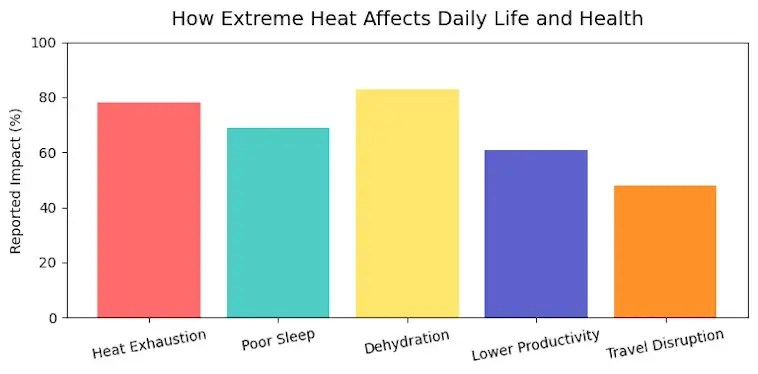
For some, the biggest challenge is staying healthy. High temperatures can increase the risk of dehydration, heat exhaustion, and poor sleep. At the same time, daily routines often become harder to manage. Simple tasks like commuting, exercising, cooking, or even concentrating at work can feel more draining during long periods of extreme heat.
Children, older adults, and people with existing health conditions are usually the most vulnerable. However, even healthy adults can struggle when temperatures stay high for days at a time. Because of this, more families are changing their routines to stay safe and comfortable.
Why Extreme Heat Can Quickly Affect the Human Body
The body naturally works to stay cool through sweating and increased blood flow. However, when temperatures rise too high, especially with high humidity, this process becomes less effective. As a result, the body can lose fluids faster and work much harder to regulate temperature.
People often notice symptoms such as headaches, dizziness, tiredness, and muscle cramps during heatwaves. In more serious cases, heat exhaustion or heat stroke can develop. Therefore, drinking water regularly and avoiding long periods in direct sunlight becomes essential.
Daily Habits People Often Change During Heatwaves
During extreme heat, many people adjust their schedules to avoid the hottest part of the day. For example, outdoor exercise may move to early mornings or evenings. In addition, workers may take more breaks, and families may spend more time indoors with fans or air conditioning.
Sleep can also become a major problem. Warm nights often make it harder to fall asleep and stay asleep. Consequently, people may feel more tired, less focused, and less productive the next day.
Over time, these changes can affect mood, energy levels, and overall wellbeing. That is why cities, workplaces, and households are increasingly looking for smarter ways to adapt to rising temperatures.
Fiery Weather Fuels Power Outages and Travel Disruption
Extreme weather is once again putting pressure on communities, transport networks, and power grids across several regions. As temperatures climb and dry conditions continue, wildfires are spreading faster and becoming harder to control. At the same time, strong winds and thick smoke are creating dangerous conditions for both residents and travelers.
As a result, thousands of homes and businesses are facing unexpected power outages. Meanwhile, road closures, delayed flights, and disrupted rail services are adding to the growing frustration. For many people, daily routines have quickly turned into emergency planning.
What makes this situation even more worrying is the growing link between climate extremes and aging infrastructure. Energy systems in many areas were not built to handle prolonged heatwaves and wildfire threats. Consequently, even small weather shifts can trigger major disruptions.
Why Wildfires Are Causing Widespread Disruption
Wildfires do far more than burn forests and open land. They also threaten power lines, communication systems, and major transport routes. In many cases, utility companies shut off electricity on purpose to prevent sparks from starting new fires.
At the same time, smoke can reduce visibility on highways and at airports. This creates safety concerns that often force delays and cancellations.
Key Impacts Communities Are Facing
- Power outages affecting homes, hospitals, and local businesses
- Flight delays and cancellations due to smoke and poor visibility
- Road closures near wildfire zones and evacuation areas
- Rail disruptions caused by damaged tracks and safety inspections
- Increased health risks from poor air quality and heavy smoke
- Rising pressure on emergency services and firefighters
- Higher travel costs as routes and schedules change unexpectedly
Even so, communities are adapting where possible. Many residents are preparing emergency kits, charging backup devices, and monitoring local weather alerts more closely than ever before. In addition, travel companies are advising passengers to check schedules regularly before leaving home.
Looking ahead, experts believe these disruptions could become more common during peak fire seasons. Because of this, governments and utility providers are under growing pressure to improve infrastructure, strengthen emergency response systems, and invest in more reliable energy networks.
Why Families Are Struggling With Rising Climate Stress
Climate change is no longer a distant problem. Today, many families feel its impact in their daily lives. From rising food prices to extreme weather events, climate stress is creating new financial and emotional pressure across households everywhere.
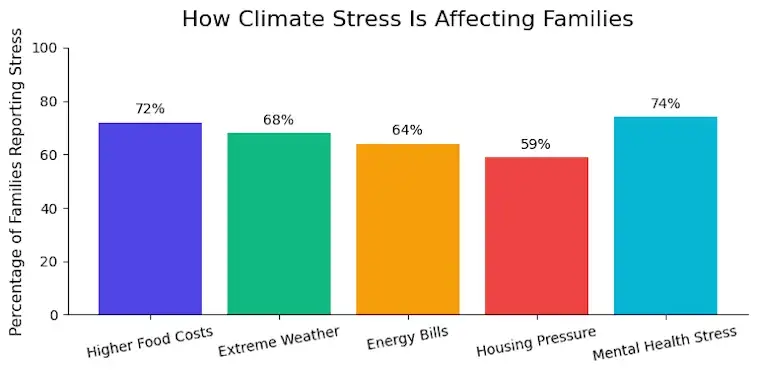
At the same time, parents are trying to balance work, childcare, and household bills while also dealing with uncertainty about the future. As a result, stress levels continue to rise. Many families now worry about things that once felt stable, such as affordable housing, safe communities, and reliable energy costs.
In addition, extreme heat, flooding, and storms are becoming more common. These events can disrupt schools, damage homes, and even affect physical and mental health. For families already living on tight budgets, even small climate-related costs can quickly become overwhelming.
The Financial Pressure Is Growing Fast
One of the biggest reasons families are struggling is the rising cost of living linked to climate change. Food prices often increase after droughts or floods damage crops. Energy bills also rise during heatwaves and colder winters as households use more electricity and heating.
Meanwhile, insurance costs continue to climb in areas affected by wildfires, storms, and flooding. Some families are even being forced to move because they can no longer afford to stay in high-risk regions.
Parents Are Feeling Emotional Burnout Too
Beyond financial worries, climate stress is also affecting emotional wellbeing. Many parents feel anxious about the future their children will inherit. News about natural disasters and environmental damage can create a constant feeling of uncertainty.
Children are also becoming more aware of climate issues. Because of this, families often carry emotional stress together. Over time, this can lead to exhaustion, sleep problems, and ongoing anxiety if support is not available.
Still, many families are finding ways to adapt. Communities are becoming more connected, households are making sustainable choices, and awareness around mental health support is improving. While climate stress is real, so is the growing effort to build stronger and more resilient families for the future.
Steps People Can Take to Stay Safe During Severe Heatwaves
Extreme heat is becoming more common across the world. In many places, heatwaves are lasting longer and reaching record-breaking temperatures. As a result, more people are facing health risks during the hottest months of the year.
The good news is that small daily actions can make a big difference. By planning ahead and staying aware of the warning signs, people can reduce the dangers linked to extreme heat. This is especially important for older adults, young children, outdoor workers, and people with existing health conditions.
Moreover, staying safe during a heatwave is not only about comfort. It can help prevent dehydration, heat exhaustion, and even life-threatening heatstroke. Therefore, understanding how to prepare and respond is more important than ever.
Stay Hydrated and Avoid Peak Heat Hours
One of the simplest and most effective ways to stay safe during a heatwave is to drink plenty of water throughout the day. Even if you do not feel thirsty, your body still loses fluids quickly in high temperatures. Because of this, regular hydration is essential.
At the same time, it is wise to avoid outdoor activities during the hottest part of the day. In most areas, temperatures peak between late morning and early evening. Therefore, if possible, plan exercise, errands, or outdoor work for earlier in the morning or later in the evening.
People should also wear lightweight clothing and stay in shaded or air-conditioned spaces whenever they can. In addition, using fans, taking cool showers, and closing curtains during the day can help indoor spaces stay cooler.
Check on Vulnerable Family Members and Neighbours
Heatwaves can affect everyone differently. However, some groups are far more vulnerable than others. Older adults, babies, pregnant women, and people with heart or respiratory conditions may struggle to cope with extreme temperatures.
Because of this, checking in on friends, neighbours, and relatives during a heatwave can save lives. A quick phone call or short visit may help identify someone who needs assistance. Furthermore, community support becomes even more important during long periods of extreme heat.
It is also important to recognise the warning signs of heat-related illness. Symptoms such as dizziness, confusion, headaches, nausea, and rapid heartbeat should never be ignored. If these symptoms become severe, medical help should be sought immediately.
By staying informed and taking practical steps, people can protect themselves and others during severe heatwaves. While rising temperatures are becoming a growing challenge, preparation and awareness can make these dangerous events far easier to manage.
Conclusion: Fiery Weather Is Becoming Harder to Ignore
Fiery weather is no longer a rare event that only affects a few regions. It is changing how people live, work, and protect their homes and health. From dangerous heatwaves to fast-moving wildfires and poor air quality, the risks are growing more serious every year.
At the same time, communities are learning that preparation matters. Stronger emergency plans, smarter home protection, and better public awareness can help reduce the impact of fiery weather before disaster strikes. Small changes, such as staying informed during extreme heat or creating defensible space around homes, can make a real difference.
Looking ahead, fiery weather will likely remain a major challenge as global temperatures continue to rise. That is why understanding these threats is so important. The more people know about fiery weather and its effects on daily life, the better prepared they can be to protect their families, health, and future.