

Protecting Endangered Species Through Conservation
Protecting Endangered Species Through Modern Conservation Efforts
Every day, endangered species face growing threats from habitat loss, climate change, pollution, and illegal hunting. From elephants in Africa to sea turtles in the oceans, many animals are now at risk of disappearing forever. Protecting endangered species is not only about saving wildlife. It also helps protect ecosystems, support biodiversity, and maintain the natural balance that people depend on for clean air, food, and water.
Conservation efforts around the world are making a real difference. Wildlife reserves, breeding programs, stronger environmental laws, and community-led projects are helping vulnerable species recover. At the same time, new technology and global awareness are creating fresh opportunities to protect animals and their habitats for future generations.
What You’ll Discover
Why Endangered Species Need Urgent Protection
The Biggest Threats Facing Wildlife Today
How Communities Can Help Endangered Species Survive
Conservation Strategies That Make a Real Impact
Building a Sustainable Future for Wildlife and Nature
Conclusion: Protecting Our Future Starts With Saving Endangered Species
Why Endangered Species Need Urgent Protection
Every species plays a part in keeping nature balanced. Yet today, many animals and plants are disappearing faster than ever before. From climate change to deforestation, human activity is pushing countless species closer to extinction. As a result, ecosystems are becoming weaker and less stable.
Protecting endangered species is not only about saving animals. It is also about protecting the natural systems that support human life. Healthy forests clean the air, oceans regulate the climate, and pollinators help grow the food we eat. When one species disappears, the effects can spread much further than many people realise.
In addition, biodiversity helps scientists develop new medicines and supports local economies through tourism and agriculture. Without urgent action, future generations could lose some of the world’s most unique wildlife forever. That is why conservation efforts are now more important than ever.
The Growing Threats Facing Wildlife
Across the globe, endangered species face several serious threats. Habitat destruction remains one of the biggest problems. Forests are cleared for farming, roads, and urban development, leaving animals with fewer places to live and breed.
At the same time, climate change is altering temperatures and weather patterns. This makes survival harder for many species that rely on stable environments. Polar bears, for example, struggle as Arctic ice continues to melt, while coral reefs are dying due to rising ocean temperatures.
Illegal hunting and wildlife trafficking also continue to damage animal populations. Despite international laws, many species are still targeted for profit. Unfortunately, slow conservation efforts often cannot keep pace with the growing demand.
How Protecting Endangered Species Helps People Too
Saving endangered species benefits humans in many ways. For example, bees and butterflies pollinate crops that feed millions of people worldwide. Likewise, wetlands protected for wildlife also help prevent flooding and improve water quality for nearby communities.
Furthermore, conservation projects create jobs and support sustainable tourism. Many countries rely heavily on visitors who travel to see iconic animals in their natural habitats. Without wildlife protection, these industries could suffer major losses.
Most importantly, protecting endangered species helps preserve the beauty and diversity of the natural world. Future generations deserve the chance to experience these incredible animals and ecosystems just as we do today.
The Biggest Threats Facing Wildlife Today
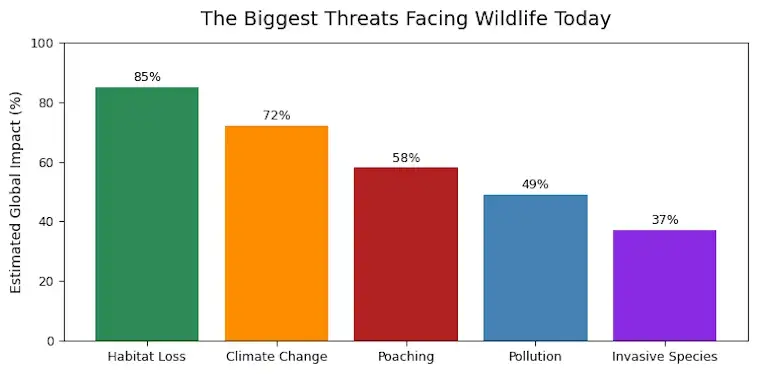
Wildlife around the world is under growing pressure. Every year, more species move closer to extinction. At the same time, ecosystems that once thrived are becoming weaker and less stable. Although nature has always adapted to change, the speed of modern threats is making survival much harder for animals and plants alike.
Human activity is one of the biggest reasons behind this crisis. Expanding cities, large-scale farming, pollution, and rising global temperatures are changing natural habitats faster than many species can adjust. As a result, wildlife is losing the space, food, and clean water needed to survive.
However, this issue is not only about protecting rare animals. Healthy wildlife plays a major role in keeping forests, oceans, and ecosystems balanced. In turn, these systems support human life through clean air, food production, and climate regulation. Because of this, protecting wildlife also means protecting the future of our planet.
Habitat Loss Continues to Be the Greatest Danger
Among all modern threats, habitat loss remains the most serious. Forests are being cleared for agriculture, roads, and urban development at an alarming rate. Consequently, animals are forced into smaller areas where food and shelter become limited.
Rainforests are especially vulnerable. These regions hold some of the richest biodiversity on Earth. Yet millions of acres disappear every year. When forests vanish, countless species lose their homes almost overnight.
At the same time, oceans are also under pressure. Coral reefs are dying due to warming waters and pollution. Wetlands are drying up. Grasslands are shrinking. Together, these changes are pushing many species toward extinction faster than scientists predicted.
Climate Change Is Making Existing Problems Worse
Climate change is adding even more stress to wildlife populations. Rising temperatures are changing migration patterns, breeding seasons, and food availability. Some animals can adapt, but many cannot move or evolve quickly enough.
For example, polar bears are struggling as Arctic ice melts earlier each year. Meanwhile, marine species are moving into cooler waters, disrupting entire food chains. Extreme weather events such as droughts, floods, and wildfires are also destroying habitats at a much faster pace.
Even small temperature shifts can have serious consequences. Sea turtles depend on sand temperature to determine the sex of their offspring. Therefore, warming beaches could dramatically affect future populations.
Despite these challenges, conservation efforts are still making a difference. Protected habitats, anti-poaching laws, and global climate action can help slow the damage. The sooner action is taken, the better the chances wildlife has to recover and survive for future generations.
How Communities Can Help Endangered Species Survive
Protecting endangered species is not only the job of governments and wildlife groups. In many cases, local communities play one of the biggest roles in helping animals survive. After all, the people who live closest to forests, rivers, oceans, and grasslands often see environmental changes first. Because of this, community action can make a real and lasting difference.
When communities work together, they can help protect habitats, reduce pollution, and stop illegal hunting. At the same time, they can also support sustainable farming, fishing, and tourism practices that protect wildlife instead of harming it. Small local actions may seem simple, yet they often create powerful long-term results.
In addition, community-led conservation projects help people feel more connected to nature. This connection encourages future generations to care about wildlife and continue protecting it. As awareness grows, more people begin to understand that healthy ecosystems benefit everyone, not just animals.
Local Action Creates Real Change
Across the world, many communities are already helping endangered species recover. Some groups organize beach cleanups to protect sea turtles, while others plant trees to rebuild habitats for birds and mammals. Even schools and local businesses can support conservation through education programs and eco-friendly initiatives.
These efforts matter because endangered species often struggle due to habitat loss, climate change, pollution, and human activity. Therefore, when local people take action, they help reduce these threats directly where they happen most.
Simple Ways Communities Can Protect Endangered Species
- Organize local wildlife cleanups and conservation events
- Protect forests, wetlands, and natural habitats
- Support sustainable farming and fishing practices
- Report illegal hunting and wildlife trafficking
- Educate children and young adults about conservation
- Reduce plastic waste and pollution in local areas
- Support eco-tourism businesses that protect wildlife
- Plant native trees and plants that help local ecosystems thrive
Ultimately, communities have the power to create meaningful environmental change. While global conservation efforts are important, local support often becomes the foundation for protecting endangered species for years to come.
Conservation Strategies That Make a Real Impact
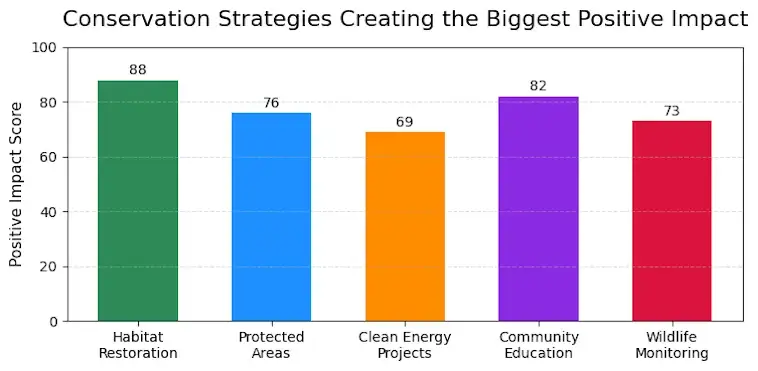
Protecting the planet takes more than good intentions. It takes smart action, long-term thinking, and strong community support. Around the world, conservation efforts are helping restore ecosystems, protect endangered species, and reduce the damage caused by climate change. However, the most effective strategies are often the ones that combine science, local knowledge, and public involvement.
Today, many conservation groups are shifting their focus toward practical solutions that create measurable results. From restoring forests to supporting clean energy projects, these efforts are making a visible difference. At the same time, people are becoming more aware of how their everyday choices can support environmental progress. As a result, conservation is no longer just a government or scientific issue. It has become something everyone can take part in.
Why Community-Led Conservation Works So Well
One of the biggest lessons from recent years is that local communities play a key role in protecting nature. When people feel connected to the land around them, they are more likely to support long-term conservation goals. Because of this, many successful projects now involve local schools, volunteers, farmers, and business owners.
Community-led programs often focus on restoring habitats, protecting wildlife, and improving education. In many cases, these projects also create jobs and strengthen local economies. That balance is important because conservation works best when people and nature both benefit.
Small Changes Often Lead to Bigger Environmental Results
Even small conservation efforts can grow into something much larger over time. For example, planting native trees can help improve soil quality, support wildlife, and reduce carbon emissions. Likewise, reducing plastic waste in one area can protect rivers, oceans, and marine life far beyond a single community.
The good news is that awareness continues to grow. More people are supporting sustainable brands, reducing waste, and backing environmental projects. While global challenges remain, real progress is happening every day through practical action and shared responsibility.
Building a Sustainable Future for Wildlife and Nature
Nature gives us so much every single day. From clean air and fresh water to healthy forests and thriving oceans, the natural world supports life in countless ways. Yet, many ecosystems are now under pressure. Climate change, pollution, and habitat loss are putting wildlife at risk across the globe.
However, there is still hope. More people, communities, and businesses are starting to understand the importance of protecting the environment. Small actions are beginning to create real change. As a result, the idea of building a sustainable future for wildlife and nature is no longer just a goal. It is becoming a shared responsibility.
Creating a better future starts with balance. We need to find smarter ways to grow cities, produce food, and use natural resources without harming the planet. At the same time, protecting wildlife habitats must remain a top priority. Healthy ecosystems not only support animals and plants, but they also improve human health and wellbeing.
Why Protecting Wildlife Matters More Than Ever
Wildlife plays a key role in keeping nature in balance. Bees pollinate crops, forests absorb carbon dioxide, and oceans help regulate global temperatures. Without these natural systems, everyday life would become far more difficult.
In recent years, many species have faced rising threats. Deforestation, illegal hunting, and plastic pollution continue to damage habitats around the world. Even so, conservation projects are proving that positive change is possible. Protected nature reserves, reforestation programs, and cleaner energy solutions are already helping some species recover.
In addition, younger generations are becoming more engaged in environmental issues. People are supporting sustainable products, reducing waste, and choosing greener lifestyles. These choices may seem small, but together they can make a lasting impact.
Simple Steps That Can Support a Greener Future
Building a sustainable future does not always require huge changes. In fact, simple daily habits can help protect nature over time. Reducing single-use plastics, supporting ethical brands, planting native trees, and conserving water are all practical ways to make a difference.
Businesses also have an important role to play. Companies that invest in sustainable farming, renewable energy, and eco-friendly packaging can help reduce environmental damage while building stronger trust with consumers.
Looking ahead, technology may also offer new solutions. Innovations in clean energy, wildlife tracking, and sustainable agriculture could help protect ecosystems more effectively in the years to come. Still, long-term success will depend on people working together and staying committed to protecting the planet.
By taking action today, we can help create a world where both people and wildlife can thrive side by side for generations to come.
Conclusion: Protecting Our Future Starts With Saving Endangered Species
Protecting endangered species is not only about saving animals from extinction. It is also about protecting the balance of nature that supports life on Earth. Every species plays an important role in the environment, from pollinating plants to maintaining healthy ecosystems. When one species disappears, the effects can spread much further than many people realize.
Thankfully, conservation efforts around the world are making a difference. Governments, charities, scientists, and local communities are working together to restore habitats, reduce poaching, and promote sustainable living. At the same time, individuals can also help by supporting conservation programs, reducing waste, and making environmentally friendly choices every day.
The future of endangered species depends on the actions we take today. By raising awareness and supporting conservation, we can help protect wildlife for future generations. Even small steps can create lasting change. Together, we can build a healthier planet where endangered species have the chance to survive and thrive.