

Dry Spells Surge: A Clear Sign the Weather Is Changing
Dry Spells Are Getting Longer: A Clear Signal the Weather Is Changing
Dry spells are becoming more frequent, longer, and harder to ignore. Across many regions, rainfall patterns are shifting in ways that challenge what used to feel normal. As dry spells stretch on, the impact reaches far beyond parched landscapes. Water supplies tighten, crops struggle, and ecosystems face growing stress. These changes point to a broader shift in weather patterns that is already underway.
At the same time, the signals are becoming clearer. Warmer temperatures increase evaporation, while altered atmospheric conditions disrupt when and where rain falls. As a result, some areas face longer gaps between rainfall, followed by intense bursts that fail to fully replenish the ground. This uneven pattern creates new risks for both urban and rural communities.
Looking ahead, these trends are likely to shape how societies plan, build, and adapt. Better water management, smarter farming methods, and improved forecasting will play a key role. While the challenge is real, awareness is growing. And with it comes the chance to respond in ways that are more resilient and forward-thinking.
What You’ll Discover
Dry Spells Are Becoming More Frequent Worldwide
What Rising Heat Means for Rainfall Patterns
Dry Spells Signal a Shift in Global Weather Trends
How Changing Climate Cycles Affect Water Supply
What These Weather Changes Mean for the Future
Conclusion: Why Dry Spells Matter More Than Ever
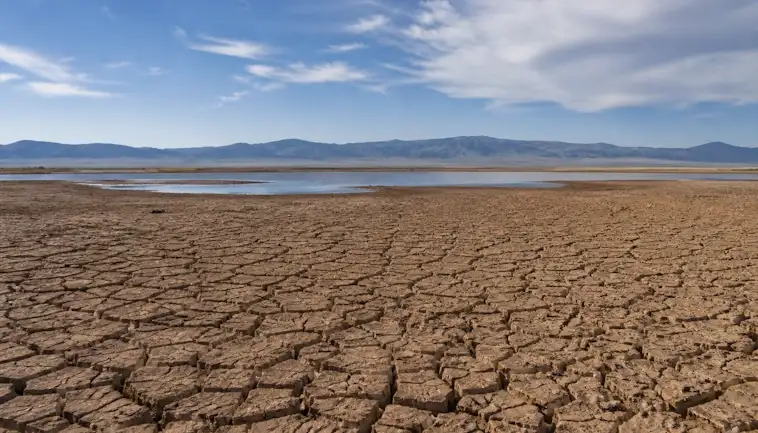
Dry Spells Are Becoming More Frequent Worldwide
Across the globe, dry spells are no longer rare events. Instead, they are showing up more often and lasting longer. This shift is starting to affect how we live, grow food, and manage water. While drought has always been part of natural climate patterns, what we are seeing now feels different. The pace is faster. The impact is wider.
So, what is driving this change? In simple terms, rising global temperatures are playing a key role. Warmer air pulls more moisture from the land. As a result, soils dry out quicker. At the same time, rainfall patterns are becoming less predictable. Some places face long dry periods, followed by sudden heavy rain that the ground cannot absorb.
Because of this, communities are feeling the pressure. Farmers struggle to keep crops alive. Cities face water shortages. Even ecosystems, which depend on steady moisture, begin to weaken. Over time, this creates a ripple effect that touches food supply, wildlife, and local economies.
Why Dry Spells Are Happening More Often
There are a few clear reasons behind this trend. First, climate change is altering weather systems. High-pressure zones, which block rain, are becoming more persistent. This means dry conditions can last for weeks or even months.
In addition, deforestation and land use changes make the problem worse. Trees and plants help retain moisture in the soil. When they are removed, the land dries out faster. As a result, regions that once held water well now lose it quickly.
Another factor is shifting ocean patterns. Changes in sea surface temperatures can influence where and when rain falls. Therefore, areas that once received steady rainfall may now experience long dry gaps.
What This Means for the Future
Looking ahead, dry spells are likely to become even more common. However, that does not mean we are powerless. Many countries are already adapting. For example, farmers are using drought-resistant crops. Cities are investing in better water storage and recycling systems.
At the same time, there is a growing focus on restoring natural landscapes. Replanting forests and protecting wetlands can help hold moisture in the environment. These steps may seem small, but together they can make a real difference.
In the end, understanding this trend is the first step. Once we see the pattern clearly, we can start to plan smarter. And with the right approach, it is possible to reduce the impact of these longer, more frequent dry spells.
What Rising Heat Means for Rainfall Patterns
Rising temperatures are changing how rain falls. As the air warms, it can hold more moisture. That sounds simple. Yet the effects are far from it. In many places, rain now arrives in shorter, heavier bursts. Meanwhile, other regions face longer dry spells. So, the water cycle is speeding up—and becoming less predictable.
Heavier downpours can raise flood risk. Longer gaps between storms can stress crops and water supplies. In other words, both extremes can show up in the same year. That is why it helps to understand the shift now, not later.
Why Warmer Air Leads to Stronger Storms
First, warmer air acts like a bigger sponge. It pulls in more water from oceans, lakes, and soil. Then, when conditions are right, storms release that moisture quickly. As a result, rainfall intensity often increases.
Next, warmer seas add fuel. They boost evaporation and can strengthen storm systems. This is especially clear in tropical regions, where heat and moisture work together. Over time, this can raise the chance of intense rain events.
Regional Differences You Should Know
Not every place sees the same change. In fact, patterns vary by latitude and geography.
What the data suggests at a glance
- Tropics: More frequent heavy rain events. Flood risk rises in short windows.
- Mid-latitudes: Mixed signals. Some areas get wetter winters and drier summers.
- Subtropics: Tendency toward drying. Drought risk can increase.
- High latitudes: Noticeable increase in precipitation, often as rain rather than snow.
To make this clearer, here is a simple visual that compares typical shifts by region.
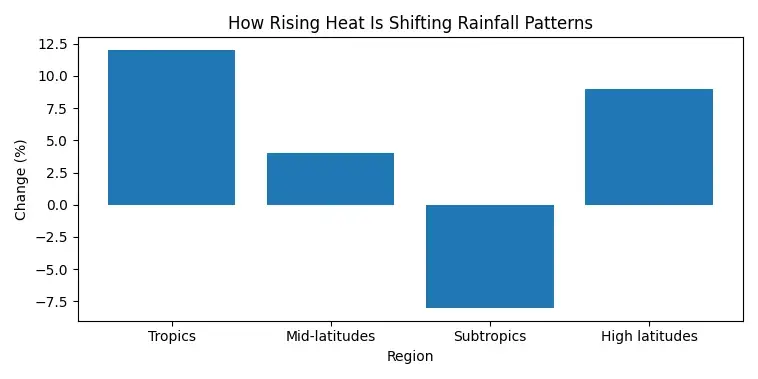
Positive values show increases in heavy rainfall intensity or frequency. Negative values suggest a decline, often linked to drier conditions.
So, what comes next? Expect more “weather whiplash.” That means quick swings between very wet and very dry. Cities may need better drainage and flood defenses. Farmers may need new planting schedules and water storage.
At the same time, there is room for smart planning. Better forecasts, updated building codes, and nature-based solutions can all help. For example, restoring wetlands can absorb excess water during storms. Likewise, efficient irrigation can stretch supplies during dry spells.
Rising heat is reshaping rainfall. The shift is already underway. By understanding the trends, you can make better decisions today—and stay ready for what comes next.
Dry Spells Signal a Shift in Global Weather Trends
Across the world, dry spells are becoming harder to ignore. Long stretches without rain are no longer rare events. Instead, they are showing up more often and lasting longer. This shift is raising new questions about how our climate is changing—and what it means for everyday life.
At first glance, a few extra sunny days might seem harmless. However, the bigger picture tells a different story. Extended dry periods can strain water supplies, damage crops, and increase the risk of wildfires. As a result, scientists and policymakers are paying closer attention.
More importantly, these dry spells are not isolated. They are part of a wider pattern linked to global weather changes. Understanding this trend can help communities prepare and adapt.
The Increasing Frequency of Dry Spells
Several factors are driving the rise in dry conditions. Climate systems are shifting, and that affects how and where rain falls. In many regions, rainfall is becoming less predictable.
In addition, rising global temperatures play a key role. Warmer air holds more moisture, which can change rainfall patterns. Some areas get heavier storms, while others are left dry for longer periods.
Key Impacts of Prolonged Dry Periods
- Water shortages are becoming more frequent in both cities and rural areas
- Agriculture faces higher risks, including crop failure and soil damage
- Wildfire seasons are starting earlier and lasting longer
- Ecosystems struggle to adapt, affecting plants and wildlife
- Energy systems, especially hydropower, face reduced output
Looking ahead, this trend is likely to continue. Therefore, planning for water use, food production, and disaster response is more important than ever.
Dry spells are not just a temporary inconvenience. They are a clear signal that global weather patterns are shifting. By staying informed and prepared, communities can better handle what comes next.
How Changing Climate Cycles Affect Water Supply
Water is the thread that ties together food, energy, and daily life. Yet, climate cycles are shifting, and that thread is under strain. As temperatures rise and weather patterns change, water no longer arrives when or where we expect it. This matters for cities, farms, and ecosystems alike.
To start, climate cycles such as longer droughts and heavier storms are becoming more common. As a result, water supply is less predictable. In some regions, rivers run low for longer periods. Meanwhile, other areas face sudden floods that overwhelm storage systems. Because of this imbalance, managing water is becoming more complex each year.
At the same time, warming air increases evaporation. This means lakes, reservoirs, and soil lose moisture faster. So even when rain does fall, less of it stays available for use. Over time, this can reduce the reliability of drinking water and irrigation systems.
Why Water Supply Is Becoming Less Predictable
Climate cycles affect water in several connected ways. First, snowpack—the natural storage of water in colder regions—is shrinking. This is important because snow melts slowly and feeds rivers through spring and summer. Without it, water arrives too early and runs off too quickly.
Next, rainfall patterns are shifting. Instead of steady, gentle rain, many places now see short bursts of intense storms. While this may seem like more water, it often leads to runoff rather than storage. Consequently, reservoirs may not refill as expected.
What This Means for the Future
Looking ahead, the pressure on water systems will likely grow. However, there are also opportunities to adapt. For example, smarter storage systems can capture water during heavy rains. In addition, better forecasting can help cities prepare for dry periods.
On top of that, new technologies such as water recycling and desalination are becoming more practical. These solutions could help fill the gaps left by changing climate cycles. Still, they require planning and investment.
Climate cycles are reshaping how water moves through our world. The challenge now is to respond with systems that are flexible, efficient, and ready for change.
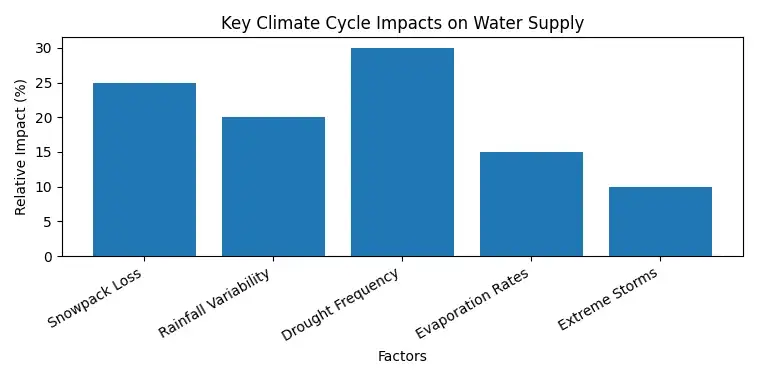
This chart shows how different factors—like drought frequency and snowpack loss—contribute to water supply challenges.
What These Weather Changes Mean for the Future
Weather is no longer just small talk. It is becoming a clear signal of where our world is heading. From hotter summers to heavier rainfall, the patterns we once relied on are shifting. And while these changes can feel distant at first, they are already shaping daily life in ways many people are starting to notice.
At the same time, these changes are not random. They point to a bigger story about our climate and how it is evolving. As a result, understanding what is happening now can help us prepare for what comes next.
Why Weather Patterns Are Becoming Less Predictable
In the past, seasons followed a more stable rhythm. Winters were colder. Summers were warmer. However, today’s weather often breaks those expectations. One week might feel like spring, and the next like mid-winter again.
This growing unpredictability is linked to rising global temperatures. Warmer air holds more moisture, which can lead to intense storms and sudden downpours. Meanwhile, heatwaves are becoming more frequent and lasting longer. Because of this, planning around weather is becoming more difficult for both individuals and businesses.
The Long-Term Impact on Everyday Life
Looking ahead, these changes will likely affect more than just what we wear each day. For example, homes may need better cooling systems as temperatures rise. In addition, energy demand could increase, especially during extreme heat.
Food production is another key area. Crops depend on stable weather patterns. So, when rainfall becomes irregular or temperatures spike, yields can drop. Over time, this could influence food prices and availability.
On the positive side, there is also a growing push for innovation. Cleaner energy, smarter cities, and more resilient infrastructure are gaining attention. These solutions may not stop weather changes overnight. However, they can help reduce the impact and create a more stable future.
Today’s weather shifts are early signs of bigger changes ahead. By paying attention now, we can make smarter choices that help us adapt and move forward with confidence.
Conclusion: Why Dry Spells Matter More Than Ever
Dry spells are no longer rare events. Instead, they are becoming a steady pattern that signals a wider shift in our weather. As we have seen, longer and more frequent dry spells affect water supplies, farming, and daily life. They also raise new risks, from wildfires to rising food costs.
Looking ahead, this trend is likely to continue. That is why it is important to pay attention now. By understanding dry spells and how they are changing, we can make smarter choices. For example, simple steps like saving water, supporting sustainable farming, and planning for extreme weather can make a real difference.
In the end, dry spells are more than just a lack of rain. They are a clear sign that the climate is changing. The sooner we adapt, the better prepared we will be for what comes next.