

Wetland Loss Reveals the Hidden Cost of Human Neglect
Wetland Loss Exposes the Hidden Environmental Cost of Human Neglect
Wetland loss is more than an environmental issue. It is a warning sign of what happens when natural systems are ignored for too long. Across the world, marshes, swamps, and peatlands are being drained, built over, or polluted. As a result, communities are losing vital protection from floods, rising temperatures, and poor water quality.
These landscapes do quiet but essential work every day. They store carbon, support wildlife, and help keep ecosystems in balance. Yet their value is often overlooked until the damage is hard to reverse. Human neglect has turned many wetlands from healthy, thriving habitats into fragile spaces under constant pressure.
The cost reaches far beyond nature alone. Wetland decline can affect food supplies, local economies, public health, and climate resilience. Understanding what is being lost is the first step toward seeing why these areas matter so much, and why protecting them can no longer be treated as an afterthought.
What You’ll Discover
Wetland Loss Is Changing Our Natural Balance
How Human Neglect Damages Vital Wetland Habitats
Wetland Loss Exposes a Growing Environmental Crisis
Why Healthy Wetlands Matter More Than Ever
The Long-Term Cost of Ignoring Fragile Ecosystems
Conclusion
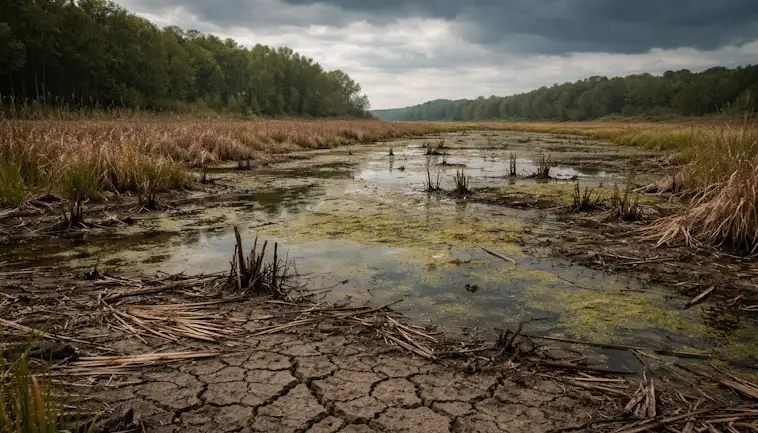
Wetland Loss Is Changing Our Natural Balance
Wetlands are some of the hardest-working ecosystems on Earth. They filter water, reduce flooding, store carbon, and give wildlife a safe place to live. Yet despite all of this, wetland loss is happening at an alarming rate. As these natural spaces disappear, the balance of our environment begins to shift in ways that affect both nature and people.
Why Wetlands Matter More Than Many Realize
At first glance, wetlands may look simple. However, they play a powerful role in keeping ecosystems healthy. They act like natural sponges by soaking up heavy rainfall and slowly releasing water over time. Because of this, they help reduce flood risks in nearby towns and cities.
Just as importantly, wetlands improve water quality. They trap pollutants, sediments, and excess nutrients before they reach rivers, lakes, and coastal areas. So, when wetland loss happens, one major line of natural defense disappears too. As a result, communities can face dirtier water, stronger floods, and more damage from storms.
The Main Causes of Wetland Loss
There are several reasons why wetlands are shrinking. In many places, land is drained for farming, housing, roads, and industry. Meanwhile, climate change is adding even more pressure through rising sea levels, drought, and changing rainfall patterns.
Over time, these combined forces speed up wetland loss and make recovery harder. What is lost in a few years may take decades to restore. Even then, some wetlands can never fully return to the way they were before.
How Wetland Loss Affects Wildlife and People
Wetlands are home to birds, fish, frogs, insects, and countless plant species. For many animals, these areas are not just useful. They are essential for breeding, feeding, and shelter. So, when wetlands vanish, wildlife loses critical habitat.
At the same time, people lose valuable protection and resources. Coastal wetlands, for example, help shield shorelines from erosion and storm surges. Inland wetlands help manage water supplies and support biodiversity. Therefore, wetland loss is not only an environmental issue. It is also a social and economic one.
Protecting Wetlands for the Future
The good news is that wetlands can still be protected. Stronger conservation policies, smarter land use, and restoration projects can all make a difference. In addition, local communities can support wetland protection by learning more about these ecosystems and speaking up for their value.
Looking ahead, protecting wetlands is one of the clearest ways to support a healthier natural balance. If we act now, we can slow wetland loss and help create a more resilient future for wildlife, water, and people alike.
How Human Neglect Damages Vital Wetland Habitats
When people ignore wetlands, these rich habitats begin to break down. Water becomes polluted. Plant life thins out. Wildlife loses food, shelter, and breeding grounds. Over time, the whole system grows weaker.
Even worse, many people do not notice the loss until it is advanced. A marsh may still look green from a distance. A bog may still seem calm and full of life. However, beneath the surface, the damage may already be spreading. That is why it is so important to understand how human neglect harms wetlands and why these fragile places need active care.
Pollution Slowly Poisons Wetland Life
One of the biggest problems is pollution. When waste, chemicals, and plastic enter wetland areas, they disrupt the natural balance. For example, runoff from roads, farms, and buildings can carry oil, fertilizers, and pesticides into the water.
As a result, water quality drops. Fish, frogs, insects, and birds all suffer when their habitat becomes toxic. In addition, too many nutrients can trigger harmful algal growth. This reduces oxygen in the water and makes it harder for many species to survive.
Drainage and Development Destroy Natural Systems
Another major threat is land development. Wetlands are often drained or filled to make space for roads, housing, or industry. Although this may seem like progress in the short term, the long-term cost is high.
When a wetland is altered, the natural flow of water changes. This can lead to more flooding, less water filtration, and major habitat loss. At the same time, animals that rely on these areas are pushed out. Some species can adapt. Many cannot.
Neglect Allows Invasive Species to Spread
When wetlands are not monitored or managed, invasive species can take over. These non-native plants and animals often spread fast because they face fewer natural controls. In turn, they crowd out native species and reduce biodiversity.
This matters because healthy wetlands depend on balance. Once that balance is lost, the habitat becomes less resilient and less able to recover from future stress.
Why Protecting Wetlands Matters Now
The good news is that wetlands can recover when people step in early. Restoration, better planning, and stronger protection can make a real difference. So, while neglect causes lasting harm, action can still turn things around.
Protecting wetlands is not only about saving nature. It is also about protecting cleaner water, safer communities, and a healthier future for us all.
Wetland Loss Exposes a Growing Environmental Crisis
Wetland loss is becoming one of the most urgent environmental problems of our time. Across the world, wetlands are disappearing at an alarming rate. Yet, many people still do not realize how important these areas really are. Marshes, peatlands, swamps, and mangroves may look wild and untamed. However, they quietly do some of the hardest work in nature.
These ecosystems act like natural safety nets. They absorb floodwater, filter pollution, store carbon, and create homes for birds, fish, and other wildlife. In other words, wetlands help keep both nature and people safe. When they are damaged or drained, the effects can spread far beyond the water’s edge.
Why Wetlands Matter More Than Ever
Right now, the pressure on wetlands is growing. Urban expansion, farming, road building, and industrial development are all eating away at these valuable landscapes. At the same time, climate change is making the problem even worse. Rising sea levels, stronger storms, and longer droughts are pushing many wetland systems to the edge.
As a result, wetland loss is no longer a quiet issue. It is now a visible crisis. Communities that once depended on wetlands for flood protection are finding themselves more exposed. Wildlife that relied on these habitats is also being forced out. Step by step, the balance begins to break down.
The Hidden Cost of Wetland Loss
What makes wetland loss especially troubling is that the damage is often underestimated. When a wetland disappears, we do not just lose a patch of land. We lose a natural water filter. We lose a carbon sink. And we lose a buffer against extreme weather. That is a heavy price to pay.
For example, fewer wetlands can mean more flooding after heavy rain. It can also mean poorer water quality in nearby rivers and lakes. In coastal areas, the loss of mangroves and salt marshes can leave shorelines more open to erosion and storm surges. So, while development may bring short-term gains, the long-term risks are much harder to ignore.
Why This Crisis Needs Attention Now
The good news is that this story is not over yet. Wetlands can still be protected and restored. However, action needs to happen soon. Better land planning, stronger conservation laws, and public awareness all have a role to play.
Key reasons this issue matters include:
- Wetlands reduce flood risk naturally
- They improve water quality by trapping pollutants
- Wetlands store large amounts of carbon
- They support biodiversity and fragile ecosystems
- Wetlands protect coastlines from storms and erosion
- They help local communities and fisheries survive
Ultimately, wetland loss is not just an environmental issue. It is a human issue too. The more we understand what is at stake, the better chance we have to protect these vital places for the future.
Why Healthy Wetlands Matter More Than Ever
Wetlands do not always get the attention they deserve. Forests, oceans, and mountains often steal the spotlight. Yet wetlands are some of the hardest-working places on Earth. They clean water, store carbon, support wildlife, and help protect communities from floods. In many ways, they are quiet heroes.
Today, they matter more than ever. Climate change is bringing heavier rain, longer droughts, rising seas, and more pressure on natural systems. At the same time, many wetlands are being drained, damaged, or built over. As a result, we are losing one of nature’s best support systems just when we need it most.
That is why healthy wetlands should be part of every serious conversation about the future. They are not wastelands. In fact, they are life-giving landscapes that benefit people, nature, and the climate all at once.
Wetlands Help Protect Us From Flooding
One of the biggest reasons wetlands matter is simple. They act like natural sponges. When heavy rain falls, wetlands soak up and hold extra water. Then, they release it slowly over time.
Because of this, they can reduce flooding in nearby towns and cities. This is becoming more important as extreme weather becomes more common. Instead of relying only on concrete flood defenses, protecting wetlands gives us a natural layer of protection too.
They Clean Water Naturally
Healthy wetlands also improve water quality. As water moves through them, plants and soil help trap pollutants, filter sediment, and absorb excess nutrients. In other words, wetlands work like natural water treatment systems.
This matters for both people and wildlife. Cleaner water supports safer drinking supplies, healthier rivers, and stronger ecosystems. So, when wetlands are damaged, the cost is not only environmental. It can affect public health and local economies as well.
Wetlands Are Vital for Wildlife
Wetlands are full of life. They provide food, shelter, and breeding grounds for birds, fish, insects, and mammals. Many species depend on them completely.
Moreover, wetlands support biodiversity in a way few other habitats can. If we want a world with thriving wildlife, healthy wetlands are essential. Once these habitats disappear, many of the species that rely on them struggle to survive.
They Play a Bigger Role in Climate Solutions
Perhaps most importantly, wetlands can help us respond to climate change. Peatlands, salt marshes, and mangroves store huge amounts of carbon. When they stay healthy, that carbon stays locked away. However, when wetlands are drained or destroyed, it can be released into the atmosphere.
This makes wetland protection a smart climate solution. It is not enough on its own, but it is a powerful part of the bigger picture.
Healthy wetlands matter because they do many jobs at once. They protect homes, clean water, support wildlife, and help store carbon. Looking ahead, that value will only grow. If we want a safer, stronger, and more resilient future, wetlands need to be protected now.
The Long-Term Cost of Ignoring Fragile Ecosystems
Healthy ecosystems do far more for us than many people realize. They clean our water, store carbon, support wildlife, and even help protect homes and roads from floods. Yet, despite all of that, these natural systems are often treated as if they can be replaced later. Sadly, that is rarely true.
One of the clearest examples is wetland loss. Wetlands may look quiet or unimportant at first glance. However, they are some of the hardest-working places on Earth. They act like natural sponges during storms, soaking up excess water and reducing flood risk. At the same time, they filter pollution, support fish and bird life, and lock away large amounts of carbon.
Still, many wetlands have been drained, built over, or damaged by pollution. As a result, the cost does not end with nature alone. Communities, businesses, and future generations often pay the price too. In the short term, development may seem like progress. But in the long run, ignoring fragile ecosystems can create bigger bills, greater risks, and lasting damage that is much harder to fix.
Higher Costs for Flood Protection
When wetlands disappear, floodwaters have fewer places to go. Because of this, towns and cities often face more severe flooding after heavy rain. Then, governments may need to spend millions on drainage systems, flood walls, and repairs.
In contrast, healthy wetlands offer a natural line of defense. They do this quietly and constantly, without the same maintenance costs as man-made systems. So, when we ignore wetland loss, we often trade a free natural service for an expensive engineered one.
Damage to Wildlife and Food Chains
Wetlands are home to birds, fish, insects, and plants that depend on stable, healthy habitats. Once these places shrink or break apart, species can decline fast. That loss does not stay in one area. Instead, it can spread through the wider food chain.
For example, fewer wetlands can mean fewer breeding grounds for fish and fewer feeding areas for birds. Over time, that weakens biodiversity and makes ecosystems less resilient. In other words, nature loses its safety net.
Hidden Economic Losses Over Time
The economic impact of wetland loss is often underestimated. Wetlands support fishing, tourism, farming, and clean water systems. When they are damaged, local economies can suffer in ways that are not always obvious at first.
Moreover, restoring a destroyed wetland is usually far more expensive than protecting it in the first place. Prevention is not only smarter. It is also cheaper.
Why Early Action Matters
The good news is that fragile ecosystems can still be protected if action happens early. Strong planning, better land management, and restoration work can all make a real difference. Most importantly, they can reduce future costs while protecting both people and wildlife.
So, the message is simple. Ignoring fragile ecosystems may save time today. But tomorrow, the price can be far higher.
Conclusion
Wetland loss is not just an environmental issue. It is a warning sign of what happens when nature is ignored for too long. As these vital landscapes disappear, we lose more than plants and wildlife. We also lose natural flood protection, cleaner water, carbon storage, and part of the balance that supports everyday life.
At the same time, this problem is not beyond repair. With stronger protection, better planning, and public awareness, we can slow wetland loss and begin restoring what has been damaged. Every restored marsh, bog, and estuary helps build a healthier future for both people and the planet.
In the end, the hidden cost of neglect is no longer hidden. Wetland loss affects communities, ecosystems, and future generations in ways we can no longer afford to overlook. That is why the time to act is now. By valuing wetlands today, we protect a more resilient world tomorrow.