

Indigenous Water Protection in a Warming World
How Indigenous Knowledge Is Defending Water in a Changing Climate
Water is more than a resource. It is life, memory, and connection. For many Indigenous communities around the world, water has always been treated as sacred, with a duty to protect it for future generations. Yet as the climate crisis grows more severe, that responsibility is becoming harder and more urgent. Rising temperatures, longer droughts, stronger floods, and polluted waterways are putting intense pressure on water systems that have sustained people for centuries.
In this changing world, Indigenous water protection offers both a warning and a way forward. Indigenous peoples have long understood that human health and environmental health are deeply linked. Their knowledge, built over generations, can help shape a more careful and respectful response to climate change. This matters now more than ever. As governments and industries search for solutions, Indigenous leadership is showing that protecting water is not just about survival. It is also about justice, balance, and a different vision for the future.
What You’ll Discover
Why Water Holds Deep Cultural and Spiritual Meaning
How Climate Change Is Threatening Indigenous Water Systems
The Role of Traditional Knowledge in Water Protection
Why Indigenous Leadership Matters in Climate Action
What a More Just Water Future Could Look Like
Why Water Holds Deep Cultural and Spiritual Meaning
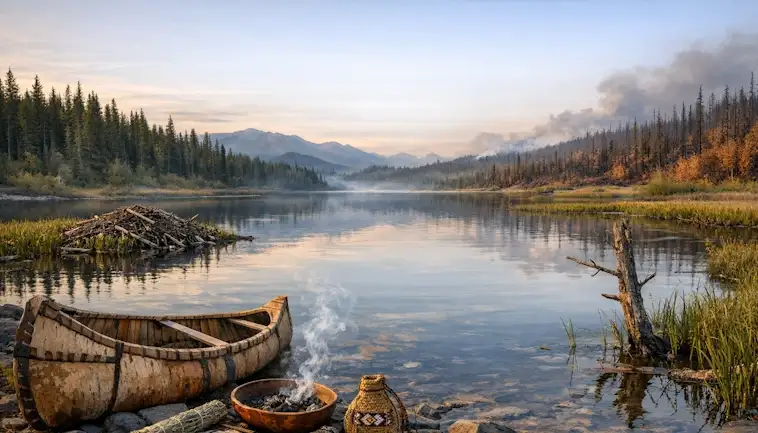
Water is more than something we drink or use each day. It also carries deep meaning across cultures, faiths, and traditions. In many ways, water stands for life itself. After all, every person depends on it. Crops need it. Animals need it. Whole communities grow around it. Because of that, people have long seen water as sacred, powerful, and worth protecting.
At the same time, water is always moving. Rivers flow. Rain falls. Tides rise and turn back. So, water often becomes a symbol of change, renewal, and the passing of time. In stories, rituals, and beliefs from around the world, it represents both beginnings and endings. It can bring healing, yet it can also remind us of nature’s power. That mix gives water a unique place in human thought.
A Symbol of Purity and Renewal
In many spiritual traditions, water is linked with cleansing. This idea appears again and again in religious ceremonies, cultural customs, and personal rituals. For some, water washes away the old and makes room for the new. For others, it marks a fresh start or a deeper connection with the divine.
This is one reason water is often used in rites of passage. It can represent rebirth, forgiveness, and inner peace. Even outside formal religion, people still turn to water in meaningful moments. A quiet walk by the sea, a swim in a lake, or even the sound of rain can feel calming and reflective. In other words, water does not only clean the body. It often feels like it clears the mind too.
Water Shapes Identity and Community
Water also has strong cultural meaning because it shapes where and how people live. Great cities were built near rivers, coasts, and springs. Trade routes followed water. Farming depended on rainfall and irrigation. As a result, water became part of local identity, folklore, and shared memory.
For many communities, a river is not just a river. It is a source of survival, history, and belonging. Likewise, wells, lakes, and shorelines often become places of gathering, storytelling, and ceremony. Over time, these places hold emotional and spiritual value as well as practical use.
Why Water Still Matters Today
Even now, water holds deep meaning in a fast-changing world. It reminds us that life is connected, fragile, and shared. It teaches patience, movement, and balance. Most importantly, it invites respect.
As conversations around climate, conservation, and wellbeing grow, water feels more important than ever. It is not only a natural resource. It is also a symbol of life, hope, and human connection. That is why water continues to hold such deep cultural and spiritual meaning across generations.
How Climate Change Is Threatening Indigenous Water Systems
For many Indigenous communities, water is not just something to use. It is part of culture, identity, health, and spiritual life. In many places, rivers, lakes, springs, and wetlands are deeply tied to traditional knowledge and daily living. So, when climate change affects water, it does not only create an environmental problem. It also creates a cultural and human one.
That is why this issue matters so much. Indigenous water systems are often closely connected to the land. They depend on natural cycles that have been understood and protected for generations. However, climate change is now disrupting those cycles at a speed that is hard to predict and even harder to manage.
Rising Temperatures Are Changing Water Sources
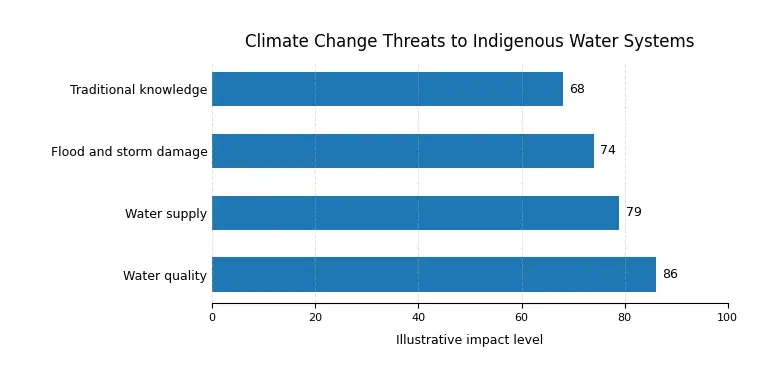
As temperatures rise, many traditional water sources are becoming less reliable. In some regions, snowpack is melting too early. In others, drought is lasting longer. At the same time, rainfall patterns are shifting, which means some communities face more floods while others face severe water shortages.
As a result, Indigenous communities are being forced to adapt quickly. Wells may run low. Streams may dry up during key seasons. Wetlands that once supported food, medicine, and wildlife may shrink or disappear. This puts pressure on both local ecosystems and the people who depend on them.
Extreme Weather Is Damaging Fragile Systems
Climate change is also bringing stronger storms, heavier rainfall, and more frequent flooding. These events can damage already vulnerable water infrastructure in Indigenous communities. In remote areas, water systems are often smaller, older, or underfunded. Because of that, they are less able to cope with sudden weather shocks.
For example, flooding can contaminate drinking water with sewage, chemicals, or sediment. Meanwhile, wildfires can damage watersheds and reduce water quality for months or even years. So, the threat is not only about having less water. It is also about having unsafe water.
Traditional Knowledge Is Under Pressure
Indigenous communities hold valuable knowledge about how to care for water and land. This knowledge has been built over centuries through close observation and lived experience. Yet climate change is altering natural patterns so quickly that even long-standing signs and seasonal cues are becoming less predictable.
Even so, this knowledge remains essential. In fact, it may be one of the most important tools for climate adaptation. Indigenous leadership, land stewardship, and water protection practices offer lessons that the wider world urgently needs.
Why Protecting Indigenous Water Systems Matters
Protecting Indigenous water systems is not only about climate resilience. It is also about justice, rights, and respect. These communities are often on the front lines of climate change, even though they have done the least to cause it.
Looking ahead, real solutions must include Indigenous voices at every level. Stronger infrastructure helps. Better policy matters too. But just as importantly, governments and institutions need to support Indigenous-led water management. Because when Indigenous water systems are protected, communities, ecosystems, and future generations all stand to benefit.
The Role of Traditional Knowledge in Water Protection
Water protection is often framed as a modern challenge. Yet many communities have been caring for rivers, lakes, wetlands, and springs for generations. Their knowledge did not come from short-term projects or quick fixes. Instead, it grew over time through close observation, lived experience, and a deep respect for the natural world.
This matters because water systems are complex. They change with the seasons. They respond to farming, building, drought, and flooding. Traditional knowledge helps people understand these patterns in a practical and human way. In many places, local and Indigenous communities know which areas flood first, which plants signal poor water health, and which land practices help keep streams clean.
As a result, traditional knowledge offers more than history. It offers working solutions. It can guide better decisions about water use, land care, and long-term protection.
A More Connected View of Water
One of the biggest strengths of traditional knowledge is that it treats water as part of a wider living system. In other words, water is not seen as separate from soil, forests, wildlife, or people. Everything is linked.
Because of this, traditional approaches often focus on balance rather than control. For example, communities may protect wetlands because they filter water naturally. They may avoid overusing a spring during dry periods. They may also use seasonal rules to prevent damage to rivers and fish habitats.
This connected view is especially valuable today. Climate change, pollution, and overdevelopment are putting more pressure on water sources. So, lessons from traditional knowledge can help create stronger and more resilient water policies.
What Traditional Knowledge Can Teach Us
Traditional knowledge can support water protection in many useful ways, including:
- spotting seasonal changes in water flow
- protecting wetlands, riverbanks, and natural springs
- using land in ways that reduce erosion and runoff
- understanding how plants and animals reflect water health
- encouraging shared responsibility for local water sources
- promoting long-term thinking instead of short-term gain
Blending Old Knowledge With Modern Action
The best path forward is not choosing one system over another. It is bringing them together. Scientific research can provide data and technology. Traditional knowledge can add context, place-based insight, and a long view shaped by experience.
When these approaches work side by side, water protection becomes stronger. It also becomes more inclusive. Most importantly, it respects the people who have cared for these landscapes for generations.
In the end, protecting water is not only about infrastructure or policy. It is also about listening. Traditional knowledge reminds us that good water care starts with attention, respect, and responsibility. That message feels more important than ever.
Why Indigenous Leadership Matters in Climate Action
Climate action is often discussed in terms of policy, technology, and finance. However, there is another part of the story that deserves far more attention. Indigenous leadership matters because it brings deep knowledge, long-term thinking, and a strong sense of responsibility to the land.
For many Indigenous communities, caring for nature is not a new idea. It is a way of life shaped over generations. This knowledge comes from living closely with forests, rivers, coastlines, and wildlife. As a result, Indigenous leaders often understand environmental change in ways that are both practical and deeply rooted in place.
That matters now more than ever. Climate change is moving fast. So, the world needs solutions that are not only effective, but also sustainable and fair.
Knowledge Built Over Generations
One of the biggest reasons Indigenous leadership matters in climate action is the value of traditional knowledge. In many regions, Indigenous communities have long used land management practices that support biodiversity, reduce risk, and protect natural resources.
For example, traditional fire management has helped care for landscapes and lower the risk of severe wildfires in some areas. In other places, Indigenous knowledge supports water protection, soil health, and stronger ecosystems. These are not outdated ideas. Instead, they are living practices that can support modern climate strategies.
At the same time, Indigenous leadership often brings a wider view. Rather than focusing only on short-term gains, it tends to look at how decisions will affect future generations. That kind of thinking is badly needed in climate planning today.
Why Stronger Indigenous Leadership Leads to Better Climate Action
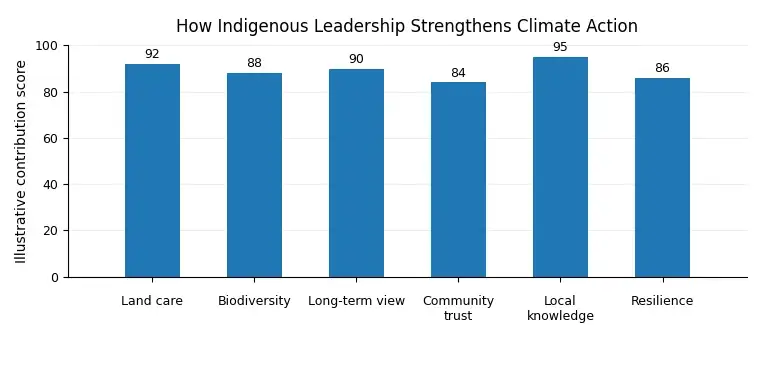
When Indigenous voices are included in climate action, the results can be more balanced and more effective. Key benefits include:
- deeper local knowledge of land and ecosystems
- stronger protection for forests, water, and wildlife
- long-term thinking instead of short-term fixes
- more just and inclusive climate policies
- better community trust and engagement
- practical solutions shaped by real experience
Moving From Inclusion to Partnership
Although Indigenous communities are often on the front lines of climate change, they are still too often left out of major decisions. That needs to change. True climate action should not treat Indigenous people as an afterthought. Instead, it should recognise them as leaders, experts, and partners.
In the end, climate action is not only about cutting emissions. It is also about protecting the systems that support life. Indigenous leadership helps bring that bigger picture into focus. And because of that, it has a central role to play in building a healthier and more resilient future.
What a More Just Water Future Could Look Like
A more just water future starts with a simple idea: clean and safe water should never depend on your income, postcode, or background. Yet for many people, that is still the reality today. Some communities have reliable water every day. Others face polluted supplies, rising bills, or ageing pipes that fail too often.
So, what would a fairer future look like?
First, it would treat water as a shared public good. In other words, water would be protected for people before profit. That means stronger rules, better public investment, and long-term planning that puts health first. It also means making sure poorer households are not forced to choose between paying for water and paying for food or heating.
Stronger Systems That Serve Every Community
A just water future would also fix the unfair gaps in infrastructure. Right now, wealthier areas often have better services, while low-income neighbourhoods, rural towns, and overlooked regions are left behind. That has to change.
For example, governments and water providers could invest more in old pipes, modern treatment plants, and flood protection in the places that need it most. At the same time, new systems should be built to cope with drought, pollution, and climate pressure. This matters because climate change is making water less predictable. As a result, the weakest systems often break first, and the most vulnerable people pay the price.
Fair access also means fair pricing. Water bills should be simple, transparent, and affordable. Support should be easy to get, not hidden behind paperwork or long delays.
Local Voices Shaping Water Decisions
Just as importantly, people should have a real say in how water is managed. Too often, decisions are made far away from the communities most affected. A more just future would bring local people into the process early, not as an afterthought.
That could include community-led planning, citizen panels, and stronger local oversight. It could also mean listening more closely to farmers, Indigenous groups, and residents who have deep knowledge of the land and waterways around them. After all, better water policy is not only about engineering. It is also about trust, fairness, and shared responsibility.
A Healthier Future for People and Nature
In the end, water justice is about more than taps and bills. It is about dignity, health, and opportunity. When rivers are cleaner, homes are safer, and water is affordable, communities are stronger.
A more just water future is possible. However, it will take bold choices, honest leadership, and a willingness to think long term. If we get it right, the reward is huge: a future where everyone has the water they need to live well and thrive.
Conclusion: Why Indigenous Water Protection Matters More Than Ever
As the planet warms, the fight to protect water is becoming more urgent. Yet this is not only an environmental issue. It is also a matter of justice, rights, and survival. For many Indigenous communities, water is not just a resource to manage. It is a living part of culture, identity, and life itself.
That is why Indigenous water protection matters more than ever.
Across the world, Indigenous peoples have long cared for rivers, lakes, wetlands, and coastlines with deep knowledge built over generations. In many cases, these approaches offer lessons that modern water systems still ignore. For example, they often focus on balance, respect, and long-term care rather than short-term gain. As climate change brings more droughts, floods, and water stress, that knowledge is becoming even more valuable.
At the same time, Indigenous communities still face major barriers. Many are excluded from decision-making. Others are dealing with unsafe water, pollution, or damage caused by outside industries. So, a fairer future will depend on more than recognition alone. It will require real action, stronger protections, and meaningful support for Indigenous-led solutions.
In the years ahead, the path forward should be clear. Governments, water agencies, and global leaders must do more than listen. They must share power, uphold Indigenous rights, and invest in water systems that protect both people and nature.
In the end, Indigenous water protection is not only about preserving the past. It is also about building a stronger and more resilient future. By backing Indigenous leadership in a warming world, we have a better chance of protecting water for everyone.