

Future Floods: Hazardous Storm Surges Soar Worldwide
Future Floods: The Rising Risk of Extreme Storm Surges in a Changing Climate
Coastal communities around the world are facing a growing threat from future floods. Storm surges are becoming stronger and more destructive. Warmer oceans, rising sea levels, and more intense storms are pushing vast amounts of seawater onto land. As a result, flooding that once happened rarely is now becoming more common in many coastal regions.
A storm surge happens when powerful winds from a storm push seawater toward the shore. The surge can quickly raise water levels several feet above normal tides. Streets, homes, and critical infrastructure can flood within minutes. In severe cases, entire neighbourhoods can be cut off or forced to evacuate.
The danger is rising worldwide. Coastal cities are expanding, yet many sit only a few feet above sea level. At the same time, sea levels continue to climb. This combination means even moderate storms can trigger damaging floods. As storms grow stronger, the risks increase even further.
Understanding the causes and impacts of storm surges is becoming more important every year. Better planning, stronger coastal defences, and improved warning systems can help reduce damage. However, the growing threat of powerful storm surges shows why preparation for future coastal flooding is now a global priority.
Future Floods: Why Storm Surges Are Becoming More Dangerous
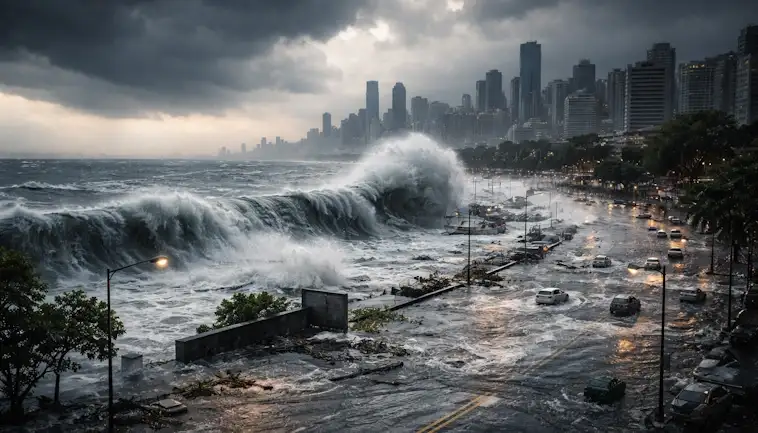
Storm surges have always been a threat to coastal towns. Yet the risks are rising fast. Around the world, many experts warn that future floods will be stronger, more frequent, and harder to predict.
A storm surge happens when powerful winds push seawater toward the shore. The sea level rises quickly. Streets, homes, and businesses can flood within hours. In the past, these events were often rare. Today, several factors are changing that pattern.
Climate shifts, warmer oceans, and rising sea levels are creating the perfect conditions for bigger surges. As a result, coastal communities may face future floods that look very different from the floods of the past.
Understanding why this is happening can help communities prepare for what lies ahead.
Why Storm Surges Are Growing Stronger
Several trends are making storm surges more dangerous.
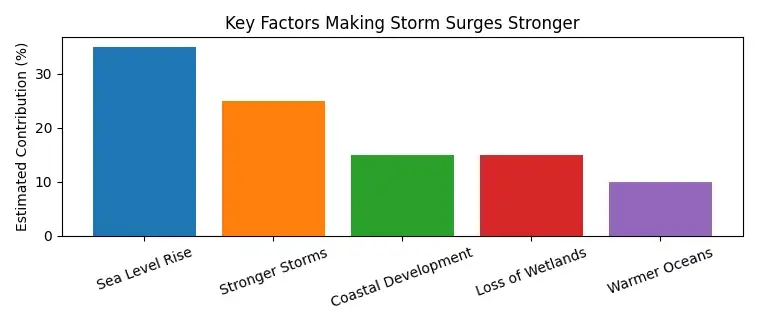
First, sea levels are rising. Even a small rise in average sea level makes a huge difference during a storm. When the ocean starts higher, storm-driven water can travel further inland.
Second, storms are becoming more intense. Warmer ocean temperatures add more energy to storms. This can increase wind speeds and rainfall. Stronger winds push more water toward the coast. The result is higher and faster-moving surge waves.
Third, coastal development is expanding. More people are living near the sea. Homes, roads, and businesses now sit in areas that once acted as natural flood zones.
Together, these changes mean that future floods may reach places that never flooded before.
The Role of Rising Sea Levels
Sea level rise may sound slow. However, its impact during storms is powerful.
Imagine a storm surge arriving on a coastline where the sea is already several inches higher than it was decades ago. That extra height can allow water to pass over sea walls, dunes, and flood barriers.
In many regions, even a few inches of additional sea level can turn a manageable storm into a serious flooding event. This is why scientists often link future floods directly to rising seas.
How Coastal Communities Are Affected
Storm surges can cause damage far beyond the shoreline.
Floodwater can move through drainage systems and rivers. It can flood roads, cut off emergency access, and damage power networks. Saltwater can also contaminate farmland and drinking water supplies.
For many communities, recovery takes months or even years.
Cities Facing Higher Risk
Some areas are especially vulnerable to future floods. These include:
- Low-lying coastal cities
- Delta regions where rivers meet the sea
- Barrier islands and coastal plains
- Areas with aging flood defenses
In these places, storm surges can spread quickly and cause widespread disruption.
Preparing for the Floods of the Future
While the risks are increasing, there are ways to reduce the impact of future floods.
Cities are already investing in stronger flood barriers and sea walls. Others are restoring wetlands and coastal marshes. These natural landscapes act like sponges. They absorb wave energy and slow down incoming water.
Better early warning systems are also helping communities prepare before storms arrive.
On a personal level, coastal residents can stay informed about flood risks, understand evacuation routes, and support local resilience projects.
Looking Ahead
Storm surges are not new. However, the conditions around them are changing.
As seas rise and storms grow stronger, the danger of future floods will continue to increase. Planning ahead will be essential for protecting homes, infrastructure, and entire communities.
The good news is that awareness is growing. With smarter planning and stronger defenses, coastal regions can adapt to the changing risks and face the future with greater confidence.
What Causes Storm Surges and Why They Are Getting Stronger
Storm surges are one of the most dangerous parts of coastal storms. They happen when strong winds push seawater toward the shore. As the water piles up, sea levels rise quickly and flood nearby land.
In the past, storm surges were already a serious threat. However, today they are becoming stronger and more destructive. A mix of climate changes and human activity is making coastal flooding worse. Understanding the causes helps us prepare for what may come next.
The Basic Science Behind Storm Surges
A storm surge forms when powerful winds from a storm push ocean water toward the coast. Low air pressure also plays a role. It allows the ocean surface to rise slightly.
Together, these forces create a dome of water that moves inland when the storm reaches land.
Key Forces That Drive a Surge
Several natural forces combine to create storm surge:
- Strong winds push water toward the shore
- Low atmospheric pressure allows sea levels to rise
- Storm size and speed determine how much water moves inland
- Coastal shape can funnel water into smaller areas
When these elements line up, water levels can rise several meters above normal tides.
Why Storm Surges Are Getting Stronger
In recent years, scientists have noticed a clear trend. Storm surges are becoming higher and more damaging.
Rising Sea Levels
Sea levels are slowly climbing as global temperatures rise. This means storm surges now start from a higher baseline. Even a small rise in sea level can make flooding much worse.
Stronger and Wetter Storms
Warmer ocean water fuels stronger storms. Hurricanes and tropical storms can now carry more energy and moisture. As a result, they push more water toward land.
Loss of Natural Coastal Barriers
Wetlands, mangroves, and coastal marshes once absorbed storm energy. Unfortunately, many of these natural barriers have been lost due to development. Without them, storm surges can travel farther inland.
Growing Coastal Cities
More people now live near the coast. Buildings, roads, and seawalls can change how water flows. In some cases, these structures trap water and increase flood damage.
Looking Ahead
Storm surges will likely remain a major coastal threat in the future. Yet there is hope. Better coastal planning, stronger flood defenses, and restoring wetlands can reduce the risks.
The more we understand these forces, the better we can protect communities living by the sea.
Future Floods: Coastal Cities Facing Rising Surge Risks
Coastal cities have always lived with water. However, the risks are now changing fast. Around the world, sea levels are rising. At the same time, storms are becoming more intense. Together, these forces are creating a new reality: future floods that could affect millions of people.
For many communities, flooding is no longer a rare event. Instead, it is becoming part of everyday planning. Roads, homes, and businesses built decades ago were not designed for today’s climate. As a result, many cities now face stronger storm surges and higher tides.
So what does this mean for the future? And more importantly, how can coastal cities prepare?
Why Coastal Cities Are at Greater Risk
Several trends are coming together to increase flood danger. First, warmer oceans feed stronger storms. Second, melting ice and expanding seawater are pushing sea levels higher. When these forces combine, storm surges travel farther inland.
As a result, areas that rarely flooded in the past may soon face regular water damage.
Key factors driving future floods
- Rising sea levels that allow storm surges to reach further inland
- More intense storms that produce higher waves and stronger winds
- Expanding coastal populations that place more homes in flood zones
- Aging drainage and sea defense systems in many cities
- Land subsidence in some regions, which makes flooding worse
Together, these pressures mean that future floods could be deeper, more frequent, and more expensive to recover from.
Cities Already Seeing the Warning Signs
Many coastal cities are already experiencing early signs of these changes. In some places, high tides now flood streets several times a year. This type of flooding is often called 2sunny day flooding.” It happens even without storms.
Over time, these smaller floods can cause major problems. Infrastructure weakens. Insurance costs rise. Property values can fall.
Examples of early impacts
- Roads and public transport disrupted by regular tidal flooding
- Saltwater damaging underground pipes and electrical systems
- Businesses losing revenue due to repeated closures
- Residents facing higher insurance premiums
These early signals show why planning for future floods must begin now, not later.
How Cities Can Prepare for Future Floods
The good news is that many cities are starting to act. Local leaders are exploring new ways to protect communities while adapting to rising water levels.
Possible solutions cities are exploring
- Building higher seawalls and storm surge barriers
- Restoring wetlands that absorb floodwaters naturally
- Updating building codes for flood-resistant construction
- Improving drainage systems and flood pumps
- Using smart sensors to monitor tides and storm surges
While no single solution can stop flooding completely, a mix of strategies can greatly reduce damage.
Looking Ahead
Future floods will shape how coastal cities grow and adapt. The challenge is serious, but it also brings an opportunity. With better planning and smarter design, cities can become more resilient.
The choices made today will decide how well communities handle tomorrow’s rising waters.
How Climate Change Is Amplifying Storm Surge Flooding
Storm surge flooding is becoming more dangerous. In many coastal areas, it now causes more damage than heavy rain alone. Climate change is a major reason why. Warmer oceans, rising seas, and shifting weather patterns are all increasing the power of coastal storms.
A storm surge happens when strong winds push ocean water toward land. Normally, coastal defenses and natural barriers help reduce the impact. However, climate change is raising the starting point of the ocean itself. As a result, even moderate storms can now cause severe flooding.
Understanding why this is happening helps communities prepare. It also shows why stronger climate action matters for coastal safety.
Rising Sea Levels Increase Flood Risk
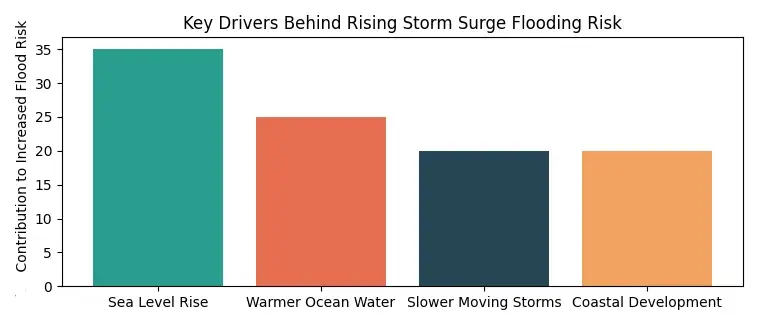
One of the biggest drivers of storm surge flooding is sea level rise. Global sea levels have been rising steadily for decades. This change is mainly caused by melting ice sheets and the expansion of warmer ocean water.
Even a small rise in sea level can make a big difference. Storm waves now start from a higher baseline. That means water can travel farther inland during storms.
In many coastal cities, flooding that once happened once every 100 years is now expected far more often.
Warmer Oceans Fuel Stronger Storms
Climate change is also heating the world’s oceans. Warmer water acts like fuel for storms. It helps hurricanes and tropical storms grow stronger and carry more energy.
Stronger storms create stronger winds. Those winds push more water toward the shore. Consequently, storm surges become deeper and more destructive.
Slower Storms Mean Longer Flooding
Another trend scientists are watching closely is slower-moving storms. Some storms now stall near coastlines. When that happens, high water levels can last much longer.
Longer storm surges give water more time to spread inland. Roads, homes, and critical infrastructure face greater damage.
Why Coastal Planning Matters More Than Ever
Communities are beginning to adapt. Cities are improving flood defenses, restoring wetlands, and updating building standards. These steps help reduce risk.
However, planning ahead is essential. As climate change continues, storm surge flooding will likely become a more common challenge for coastal regions around the world.
Preparing for the Next Wave of Coastal Flood Disasters
Coastal floods are no longer rare events. In many places, they are becoming part of everyday life. Rising sea levels, stronger storms, and heavier rainfall are all playing a role. As a result, communities near the coast face growing risks.
However, preparation can make a real difference. When people understand the risks and take simple steps early, they reduce damage, stress, and long recovery times. So the key question becomes clear. How can we prepare today for the coastal floods of tomorrow?
Why Coastal Flooding Is Becoming More Frequent
Several trends are driving the increase in coastal flooding. First, sea levels are slowly rising. Even small increases allow storm surges to push farther inland. Second, storms are becoming more intense. This means stronger winds and heavier rainfall during extreme weather events.
In addition, many coastal cities continue to grow. New homes, roads, and businesses are built close to the shoreline. While this supports economic growth, it also places more people in harm’s way.
Because of these changes, experts expect future floods to become more disruptive. Planning ahead is no longer optional. It is essential.
The Role of Climate and Ocean Changes
Warmer oceans fuel stronger storms. At the same time, melting ice and thermal expansion are raising global sea levels. These shifts may seem slow, but they add up over time.
For example, a storm that caused minor flooding twenty years ago may now produce severe damage. The water simply starts from a higher level.
If you want to explore the science behind sea level rise and coastal risks, the resource from the NOAA Ocean Service explains the causes and long-term trends clearly.
Practical Steps Communities Can Take Now
Preparation works best when it happens before disaster strikes. Fortunately, many actions are simple and effective.
First, communities can improve flood defenses. Sea walls, raised roads, and restored wetlands can slow incoming water. Natural barriers such as mangroves and marshes also absorb storm surge.
Second, local governments can update building codes. Homes built on raised foundations or flood-resistant materials suffer less damage during high water events.
Third, better early warning systems help people respond faster. When residents receive clear alerts, they have more time to protect property or evacuate safely.
What Households Should Do
Preparation also starts at home. Residents in coastal areas should understand their flood risk and create a simple emergency plan.
This plan may include:
- Keeping emergency supplies ready
- Storing important documents safely
- Knowing evacuation routes
- Reviewing flood insurance coverage
These steps may seem small. Yet together, they create resilience.
Looking Ahead
Coastal floods will continue to challenge communities around the world. Still, the future is not fixed. Smart planning, stronger infrastructure, and informed residents can reduce the impact.
The earlier preparation begins, the better the outcome. And with the right steps today, communities can face the next wave of coastal flood disasters with greater confidence and safety.
Conclusion: Preparing for Future Floods
Future floods are no longer a distant concern. They are becoming a real and growing threat for many communities around the world. Rising sea levels, stronger storms, and expanding coastal development are all increasing the risk. As a result, storm surges are reaching farther inland and causing more damage than ever before.
However, awareness is the first step toward change. When people understand the risks linked to future floods, they are more likely to support smarter planning and stronger protection. Cities can invest in better flood defenses. Governments can improve early warning systems. And communities can design safer coastal infrastructure.
At the same time, individuals also play an important role. Simple actions can make a big difference. Learning local flood risks, preparing an emergency plan, and protecting homes against water damage can all help reduce the impact when severe weather strikes.
Looking ahead, technology and science will continue to improve forecasting and monitoring. Better data will help communities predict storm surge patterns and prepare earlier. In turn, this knowledge allows leaders to make smarter decisions about coastal development and long-term resilience.
Still, preparation must start today. Waiting until the next disaster arrives will only increase the cost and disruption. By planning early, communities can reduce damage, protect lives, and recover faster when storms occur.
Future floods may be unavoidable in a changing climate. Yet their impact does not have to be devastating. With forward thinking, stronger infrastructure, and informed communities, the world can face rising storm surges with greater resilience and confidence.