

Nature’s Legacy: Hope and Survival in a Fragile World
Nature’s Legacy: Why Protecting Our Planet Matters More Than Ever
Nature’s legacy can be seen in forests that clean the air, rivers that carry life across continents, and wildlife that keeps ecosystems in balance. Yet many of these natural systems now face growing pressure. Climate change, habitat loss, and pollution are reshaping landscapes at a rapid pace. Even so, signs of resilience remain. Around the world, nature continues to adapt, recover, and endure.
Across coastlines, wetlands, and grasslands, small changes are making a real difference. Protected areas are expanding. Damaged habitats are being restored. Endangered species are slowly returning to places they once disappeared from. These efforts show that while the planet is fragile, it is also remarkably resilient when given the chance to recover.
Nature’s legacy is not only about the past. It is also about the future that people choose to protect. Every forest saved, every river restored, and every species protected helps build a healthier planet for the next generation. Hope grows when communities, scientists, and conservation groups work together to safeguard the natural world.
The path ahead will not be easy. However, the survival of many ecosystems shows that progress is possible. With thoughtful action and long-term commitment, the natural world can continue to thrive and support life on Earth for generations to come.
Nature’s Legacy: Why Protecting Nature Still Matters
Nature gives us far more than beautiful views. It supports our food, water, health, and climate. Yet many people still see protecting nature as something optional. In reality, it is essential.
When we talk about nature’s legacy, we are talking about the natural world we leave behind for future generations. Forests, rivers, wildlife, and clean air are not just resources. They are part of a living system that keeps our planet stable.
Protecting nature today helps ensure tomorrow remains livable. And increasingly, people are starting to see that connection.
The Meaning Behind Nature’s Legacy
Nature’s legacy is about responsibility. It asks a simple question: What kind of planet will we leave behind?
Every forest protected. And every river restored. With every species saved. These actions help shape the world our children and grandchildren will inherit.
Nature also holds deep cultural value. Many traditions, stories, and local identities are tied to landscapes and wildlife. When nature disappears, part of human history disappears with it.
Protecting nature is not only about science. It is about protecting the roots of our shared story.
Why Nature Protection Matters More Than Ever
The modern world moves fast. Cities expand. Industries grow. Technology evolves.
However, nature often pays the price.
Climate Stability
Healthy ecosystems help regulate the climate. Forests absorb carbon dioxide. Wetlands store water and reduce floods. Oceans help balance global temperatures.
When these systems break down, climate risks grow. Protecting nature is one of the most effective ways to support climate stability.
Biodiversity Protection
The planet is home to millions of species. Each one plays a role in the web of life.
Bees pollinate crops. Forest animals spread seeds. Marine life supports ocean ecosystems.
When species vanish, ecosystems weaken. Protecting biodiversity protects the balance that keeps nature functioning.
The Human Benefits of Protecting Nature
Protecting nature is not just good for wildlife. It directly improves human life.
Cleaner Air and Water
Forests filter pollutants from the air. Wetlands clean water naturally. Healthy landscapes reduce the need for expensive infrastructure.
Simply put, nature works as a natural life-support system.
Better Mental and Physical Health
Spending time in nature reduces stress and improves well-being. Green spaces in cities can lower anxiety, improve mood, and even support better physical health.
In many ways, nature is one of the oldest and most powerful forms of medicine.
Small Actions That Help Preserve Nature’s Legacy
Protecting nature can feel like a huge challenge. But small actions still matter.
Support Local Conservation
Community conservation projects protect wildlife habitats and restore damaged landscapes. Supporting these initiatives helps create long-term change.
Reduce Everyday Impact
Simple lifestyle changes can reduce pressure on natural systems. For example:
- Reduce waste
- Choose sustainable products
- Support eco-friendly businesses
Each choice sends a signal that protecting nature matters.
Looking Ahead: The Future of Nature’s Legacy
The future of nature depends on the choices we make today. Governments, businesses, and individuals all have a role to play.
The encouraging news is that awareness is growing. More communities are restoring ecosystems. With more cities adding green spaces. And now more people are speaking up for wildlife and natural habitats.
Nature has an incredible ability to recover when given the chance.
Protecting nature’s legacy is not just about saving the environment. It is about protecting the systems that make life possible. And when we care for nature, we also care for the future of humanity.
Small Actions That Help Wildlife and Ecosystems Recover
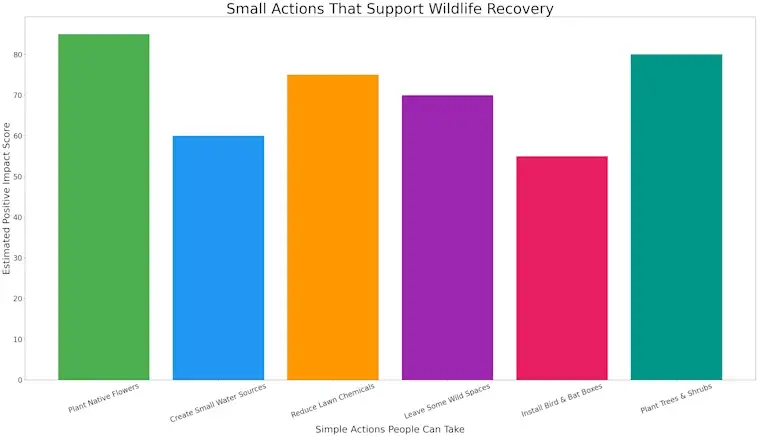
Nature has a remarkable ability to recover. However, ecosystems often need a helping hand. The good news is that small everyday choices can make a real difference. You do not need acres of land or large investments. Even simple changes in gardens, balconies, or local parks can support wildlife and rebuild fragile ecosystems.
More importantly, these small steps add up. When many people act together, the impact becomes powerful. Birds return. Pollinators thrive. Soil and water systems begin to heal. In short, nature gets the chance to bounce back.
Why Small Actions Matter
Large environmental projects often get attention. Yet many ecological recoveries start with local action. Small habitats connect to form wildlife corridors. These spaces help animals move safely, find food, and reproduce.
Equally important, everyday actions reduce pressure on ecosystems. Fewer chemicals in gardens protect insects and soil life. More native plants provide the food sources wildlife evolved to depend on.
Simple Ways to Support Local Wildlife
Plant Native Flowers and Plants
Native plants are one of the easiest ways to help ecosystems recover. They provide nectar, seeds, and shelter for local insects and birds. In addition, they usually need less water and maintenance.
Even a small flower patch can become a vital feeding stop for pollinators like bees and butterflies.
Provide Water for Wildlife
Clean water is often scarce for wildlife. A shallow dish, bird bath, or small pond can make a huge difference. Birds, insects, and small mammals all rely on accessible water sources.
Just remember to refresh the water regularly to keep it safe and clean.
Reduce Chemicals in Gardens
Many pesticides and herbicides harm beneficial insects. Unfortunately, these insects are essential for pollination and soil health.
Switching to natural gardening methods protects the tiny organisms that keep ecosystems balanced.
Leave Some Areas Wild
Perfectly tidy gardens may look neat, but wildlife often prefers messy spaces. Piles of leaves, long grass, and fallen branches create shelter for insects, frogs, and hedgehogs.
Allowing even a small corner of your space to grow naturally can create a mini habitat.
Small Steps Can Lead to Big Recovery
Nature is resilient. When given the chance, ecosystems can recover faster than many people expect. Planting native flowers, adding water sources, and reducing chemicals are small actions. Yet together they help rebuild the web of life that supports both wildlife and people.
The best part is this: anyone can start today.
Nature’s Legacy: Stories of Survival and Renewal
Nature has a long memory. Storms pass. Forests burn. Rivers change course. Yet life finds a way to return. That is the quiet power behind nature’s legacy.
Across the planet, landscapes tell stories of survival. Some places were once damaged or nearly lost. Today, they show signs of renewal. Plants grow again. Wildlife returns. Communities learn how to care for the land in better ways.
These stories matter. They remind us that nature is resilient. But they also show that recovery often needs time, protection, and human support. When people work with nature instead of against it, amazing things can happen.
In many ways, nature’s legacy is a record of renewal. Each restored forest, revived wetland, or protected coastline adds another chapter to that story.
How Nature Recovers After Damage
Nature has built-in systems that help ecosystems heal. Seeds spread. Soil regenerates. Animals return when habitats improve.
However, recovery rarely happens overnight. It often takes years or even decades.
Natural processes that drive recovery
Several key forces help damaged ecosystems rebuild:
- Seed dispersal from wind, water, and wildlife
- Soil regeneration through microbes and organic matter
- Wildlife migration back into safer habitats
- Water cycles restoring wetlands and rivers
- Plant succession, where new plants slowly replace earlier species
Together, these processes rebuild biodiversity over time. They form the backbone of nature’s legacy.
Real-World Examples of Nature’s Renewal
Across the world, inspiring recovery stories show what is possible when ecosystems are protected.
Forests returning after deforestation
In parts of Europe and North America, forests are growing again. Land once cleared for farming has slowly returned to woodland.
As trees grow back, wildlife follows. Deer, birds, insects, and even large predators are reappearing in areas where they vanished decades ago.
Wetlands making a comeback
Wetlands were once drained for development. Today, many are being restored.
These ecosystems provide huge benefits:
- Natural flood protection
- Cleaner water through filtration
- Safe breeding grounds for birds and fish
- Carbon storage that helps slow climate change
Restored wetlands are powerful reminders of nature’s legacy in action.
Wildlife returning to protected habitats
Conservation efforts have helped several species recover.
Examples include:
- Wolves returning to parts of Europe and the United States
- Sea turtles nesting again on protected beaches
- Beavers rebuilding wetlands across rivers and streams
When habitats improve, wildlife often rebounds faster than expected.
Why These Stories Matter for the Future
Stories of survival are not just about the past. They shape how we think about the future.
Protecting ecosystems today helps ensure that tomorrow’s generations can experience the same natural wonders.
Here are a few lessons these recovery stories teach us:
- Nature is resilient, but it still needs protection
- Conservation works when communities get involved
- Small restoration projects can grow into large success stories
- Healthy ecosystems support both wildlife and people
These lessons strengthen nature’s legacy and guide smarter environmental choices.
The Next Chapter of Nature’s Legacy
Every restored habitat adds hope. Every protected landscape builds resilience. And every conservation effort helps write the next chapter.
The story of nature’s legacy is still unfolding. With thoughtful action and long-term care, future generations may inherit landscapes that are healthier, richer, and more vibrant than ever before.
And that may be the most powerful legacy of all.
How Communities Are Restoring Fragile Landscapes
Across the world, local communities are stepping up to heal damaged land. From forests to wetlands, people are working together to bring life back to places that once seemed lost.
This movement is growing fast. In many regions, residents are planting trees, restoring soil, and protecting wildlife habitats. As a result, fragile landscapes are slowly recovering. Even small community projects can create lasting change.
More importantly, these efforts show that environmental recovery is not only possible. It is already happening.
Why Local Communities Lead the Way
Local people often know their landscapes better than anyone else. They understand how the land once looked and how it has changed over time. Because of this knowledge, community groups can design solutions that fit the local environment.
In many cases, restoration projects focus on practical actions such as replanting native trees, rebuilding wetlands, and improving soil health. These steps help ecosystems recover naturally.
At the same time, these projects create jobs, support food security, and strengthen community bonds. That makes restoration both an environmental and social success.
Real Progress on the Ground
Across the globe, thousands of community-led projects are already showing results.
Tree Planting and Native Species Recovery
Many restoration projects start with planting native trees and plants. Native species help rebuild healthy ecosystems because they support insects, birds, and wildlife that rely on them.
Wetlands and Soil Restoration
Wetlands are also a major focus. Restoring these areas improves water quality and reduces flooding. Meanwhile, rebuilding healthy soil allows plants to grow again and supports farming communities.
Together, these actions create a powerful ripple effect. Wildlife returns, water systems stabilize, and landscapes slowly regain their natural balance.
A Growing Global Movement
Community restoration is becoming one of the most hopeful environmental trends today. Governments, nonprofits, and local groups are now working together to expand these efforts.
Looking ahead, this grassroots approach could play a major role in protecting ecosystems and slowing climate change. When communities lead the way, fragile landscapes have a real chance to recover.
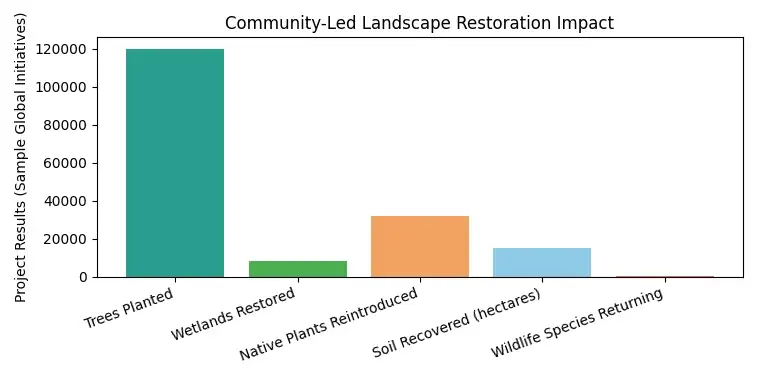
This chart highlights the growing impact of community-led restoration efforts, including tree planting, wetland recovery, and the return of wildlife.
The Future of Conservation in a Changing World
Nature is changing faster than at any time in recent history. Forests are shrinking. Oceans are warming. Wildlife is moving into new areas to survive. At the same time, human populations keep growing. Cities expand. Land use shifts.
Because of this, conservation must also change.
For decades, the goal was simple. Protect land and hope nature would recover on its own. That approach helped create many national parks and protected areas. However, today the challenge is more complex. Climate change, pollution, and habitat loss all interact with each other.
So the big question is clear. How do we protect nature in a world that never stands still?
The future of conservation is about flexibility, innovation, and global cooperation. It also depends on everyday people who care about protecting the natural world.
Why Traditional Conservation Is No Longer Enough
In the past, conservation focused mainly on protecting specific places. For example, a forest, wetland, or coral reef might be declared a protected area.
That still matters. Protected areas remain one of the most effective tools for saving wildlife.
However, ecosystems are now shifting because of climate change. Animals migrate to new regions. Plants grow in different conditions. Even rivers and coastlines change shape.
Because of this, conservationists are thinking beyond fixed borders.
Instead of protecting isolated areas, many experts now support connected landscapes. These allow wildlife to move safely between habitats. Migration corridors, wildlife bridges, and restored wetlands all help create these connections.
This approach makes ecosystems more resilient. And resilience is essential in a changing world.
Technology Is Transforming Conservation
Modern technology is opening new doors for conservation efforts.
Satellites now track deforestation almost in real time. Drones help scientists monitor wildlife populations in remote regions. Artificial intelligence can analyze huge environmental datasets in minutes.
These tools allow faster action when ecosystems are under threat.
For example, conservation groups can detect illegal logging earlier. Rangers can track endangered species more effectively. Governments can monitor environmental change across entire countries.
If you want to see how global monitoring works, the World Resources Institute provides powerful tools that track forests and environmental change worldwide.
Tools like these give conservationists something they have never had before: immediate information.
And with better information comes better decisions.
Communities Are the Heart of Conservation
For many years, conservation projects often ignored local communities. Land was protected, but people who lived nearby had little say.
That approach rarely worked long term.
Today, conservation focuses much more on partnership. Indigenous knowledge and local experience are now recognized as vital parts of protecting ecosystems.
In many regions, community-led conservation programs are delivering impressive results. Forests recover faster. Wildlife returns. Local economies improve through sustainable tourism and responsible land use.
When people benefit from conservation, they are far more likely to protect nature for the future.
Protecting Nature’s Legacy for Future Generations
Nature is more than landscapes and wildlife. It is part of our shared history. It shapes cultures, traditions, and ways of life.
This is why protecting nature’s legacy matters so deeply.
Every forest saved today helps protect biodiversity tomorrow. With every restored river improving water security for communities. And every protected ecosystem storing carbon that helps stabilize the climate.
In other words, conservation is not only about wildlife. It is also about human wellbeing.
The choices we make today will shape the world future generations inherit.
A New Era of Hope for Conservation
Despite the challenges, there is real reason for optimism.
More countries are committing to protect large areas of land and ocean. Businesses are beginning to invest in nature-based solutions. Scientists and communities are working together in new ways.
Step by step, a new model of conservation is emerging.
It is more inclusive. More adaptive. And more connected to the realities of a changing planet.
If these efforts continue to grow, the future of conservation will not just protect nature. It will help restore it.
Protecting Nature’s Legacy for the Future
The story of our planet is still being written. Every forest saved, every ocean protected, and every species preserved becomes part of nature’s legacy. It is a legacy that belongs to all of us.
Right now, the natural world faces serious pressure. Climate change is altering ecosystems. Wildlife habitats are shrinking. Pollution continues to affect air, water, and soil. Yet, despite these challenges, there is still real hope.
Across the world, people are taking action.
Scientists are developing smarter conservation strategies. Communities are restoring forests and wetlands. Governments and organizations are investing in large-scale protection efforts. At the same time, everyday choices are starting to matter more than ever.
Small actions can create real change. Planting native trees helps local wildlife. Reducing waste protects oceans and rivers. Supporting sustainable businesses encourages better environmental practices. When millions of people make these choices, the impact grows quickly.
Because of this, protecting nature’s legacy is not only the job of scientists or conservation groups. It is a shared responsibility.
Looking ahead, the future of conservation will depend on cooperation. Countries must work together to protect biodiversity. Businesses must adopt more sustainable practices. Communities must be included in decisions about land and natural resources.
Encouragingly, this shift is already happening.
More nations are setting ambitious conservation targets. New technology is helping scientists monitor ecosystems in real time. Young people are also becoming powerful voices for environmental protection. Their passion and innovation are helping shape a new path forward.
Most importantly, there is growing awareness that protecting nature also protects human wellbeing. Healthy ecosystems provide clean air, safe water, stable climates, and food security. In other words, safeguarding nature’s legacy helps secure our own future.
The path ahead will not always be easy. However, the opportunity is still within reach.
If we continue to invest in conservation, support sustainable solutions, and value the natural world, future generations will inherit a planet rich in life and possibility.
And that may become the most powerful legacy we leave behind.