

Unusual Pest Outbreaks Are Warning Us About Our Climate
Why Pest Outbreaks Are Rising — And What They Reveal About Our Changing Climate
Pest outbreaks are appearing in places long considered safe, and they’re arriving at times that used to be predictable. These sudden shifts aren’t random. They’re linked to a climate that is warming, destabilizing, and reshaping the conditions pests rely on. As temperatures rise and seasons stretch, insects, rodents, and plant-destroying species are finding new opportunities to thrive.
These changes matter for more than fields and forests. They touch the food we eat, the homes we protect, and the ecosystems we depend on each day. And they’re happening quietly, often without warning, until the damage becomes impossible to ignore.
As scientists track these emerging patterns, one message stands out: unusual pest behavior is acting like an early alarm. It’s giving us a glimpse of what a rapidly shifting climate can unleash if we don’t respond with smarter strategies and stronger resilience.
Why Pest Outbreaks Are Increasing in a Warmer World
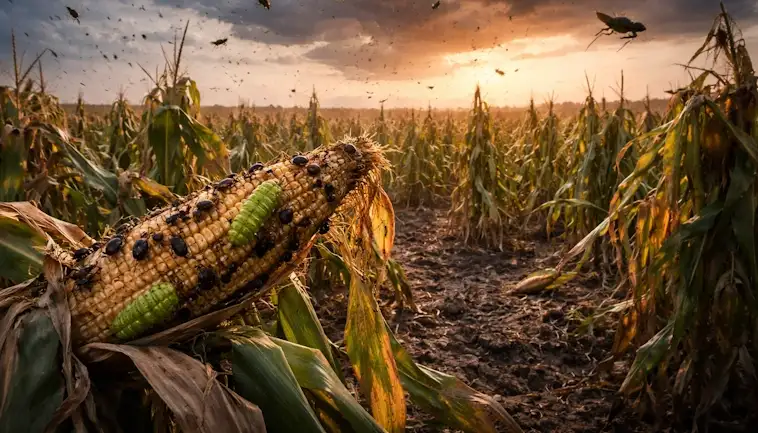
As the planet warms, pest outbreaks are becoming more frequent and intense around the world. You’ve probably seen more insects around your home or heard about bigger problems with crop pests in the news. These rising outbreaks are not random. They are connected to changes in the climate and the way the natural world responds to higher temperatures.
Warmer winters mean more pests survive the cold months. Longer, hotter summers give them more time to breed. When pests reproduce faster and have more generations each year, their numbers can explode. At the same time, pests are moving into new areas where they once couldn’t survive. These shifts change the balance in ecosystems and push pests into places where people and crops weren’t prepared for them. Research shows that climate change is already affecting agricultural pests and plant diseases, and that these risks are increasing as conditions warm.
How Warmer Climates Feed Pest Growth
The effects of rising temperatures go beyond simple numbers. More heat often speeds up the life cycles of insects and microbes. That means pests can hatch sooner and in greater numbers. In some regions, pests that once had two generations per year might now squeeze in three or four. This changes how they interact with plant life and with the predators that once kept them in check. At the same time, ecosystem disruptions — like drought or unusual rainfall — can weaken plants and make them more vulnerable to pest damage.
Understanding why pest outbreaks are increasing helps us prepare better. It can guide smarter farming practices, stronger monitoring systems, and more resilient planning for food security and public health.
For a current and science-based overview of how climate change affects food safety and pest risks, take a look at this resource from the European Food Safety Authority.
How Shifting Seasons Let New Threats Take Hold
As our seasons drift out of their familiar rhythm, new threats are finding room to grow. You might notice spring arriving earlier or autumn hanging on a little longer. These shifts feel subtle at first. Yet they open the door for pests and plant diseases that once struggled to survive. And because these changes unfold quietly, it’s easy to miss how fast the risks are building.
Earlier warmth gives invasive species a head start. Longer warm periods also extend their breeding windows. So they spread faster. They settle in new regions. And they often outpace the natural defenses that once kept them in check. This creates a growing challenge for farmers, gardeners, and even city planners who must now adapt to new environmental pressures.
What’s more, ecosystems don’t adjust overnight. Plants, animals, and soil systems often lag behind the climate. That lag creates openings — and pests are quick to take advantage. Understanding how these timing mismatches work is key to protecting crops and communities in the years ahead.
Why Timing Matters More Than You Think
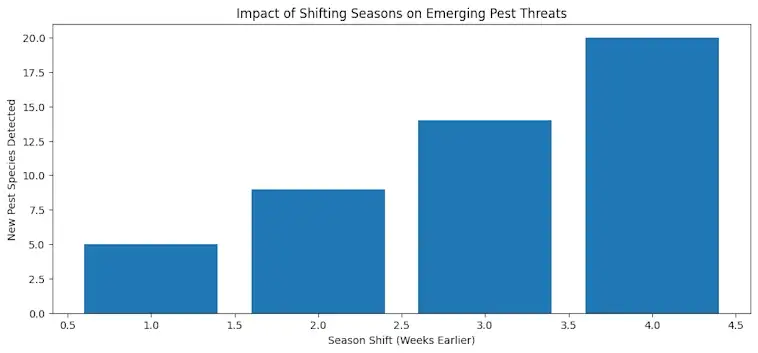
Seasonal shifts trigger a cascade of changes. Plants may bloom earlier. Predators may wake later. Meanwhile, pests slot themselves perfectly into these gaps. With each passing year, the mismatch widens, making outbreaks harder to predict and much harder to manage.
Here’s a chart to help you visualize how shifting seasons drive the rise of new pest threats.
What Today’s Pest Outbreaks Reveal About Future Climate Risks
When we talk about climate change, we usually picture storms, heat waves, or rising seas. Yet there’s another warning sign already showing up in our backyards: pest outbreaks. These sudden surges of insects, rodents, and plant-damaging species are more than a nuisance. They give us a clear preview of how a warming world could reshape our food systems, our homes, and even our health.
As temperatures rise, pests thrive in places they never could before. They survive winters that once kept their numbers in check. Expand into new regions. And they multiply faster. You can feel this shift today, even if you don’t yet see its long-term impact.
These outbreaks matter because they act like an early alarm. They show us how sensitive local ecosystems are to small changes. And they remind us that climate risks don’t always arrive with dramatic headlines. Sometimes, they crawl, buzz, or burrow their way into our daily lives.
To understand why this trend is accelerating, it helps to look at a few emerging patterns:
- Warmer temperatures allow pests to reproduce more often and spread farther.
- Changes in rainfall create environments where pests can survive longer.
- Stressed plants become easier targets, leading to faster crop damage.
- Human movement and trade make it easier for pests to leap continents.
Together, these forces create a feedback loop that can shake food security, raise household costs, and increase public-health pressures. That’s why looking at pest outbreaks today is really a way of looking ahead—because each outbreak highlights a vulnerability we can address now, before the costs grow.
If you want a deeper dive into how climate shifts are influencing species migration and ecological balance, the United Nations Environment Programme offers a clear, science-based overview.
Taking steps to understand these trends now helps us prepare for a future where quick action and smart planning can make all the difference.
The Hidden Costs Communities Face as Ecosystems Change
When ecosystems shift, the impact often feels slow and subtle at first. Yet communities begin paying the price long before the changes are easy to see. These costs show up in everyday life. They touch local budgets, household finances, and even public health. And as climate pressures grow, these hidden expenses tend to rise faster than people expect.
The reality is simple. As ecosystems change, communities must adapt. Roads need repairs after heavier rains. Local clinics see more cases linked to heat or new pests. Farmers lose crops to shifting seasons. And towns spend more to keep water safe. Each cost may seem manageable on its own. But together, they add up quickly.
This is why understanding these “quiet” expenses matters so much. Once you see the pattern, you can prepare for what’s ahead. You can also push for smarter planning and stronger protections, which help reduce long-term strain on families and local governments.
To make the picture clearer, the bar chart below highlights some of the most common rising costs communities face today.
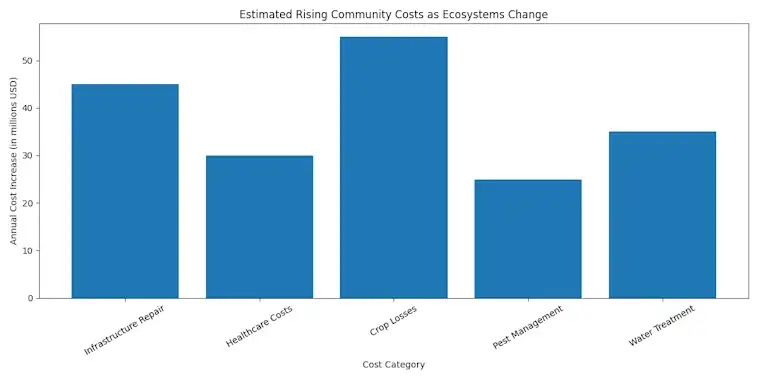
These costs may look straightforward. However, they often signal deeper environmental stress. And they remind us that climate change isn’t only about distant impacts. It’s about what we already feel at home.
If you want a trustworthy overview of how environmental changes ripple through economies and communities, the IPCC is a great starting point.
How Smarter Monitoring Can Help Us Stay Ahead of Emerging Threats
Staying ahead of environmental risks used to feel almost impossible. Changes were subtle, slow, and often invisible until the damage had already begun. Today, though, smarter monitoring tools are giving us a chance to spot early warnings before they grow into full-scale crises. And that shift matters more than ever.
As ecosystems change, new threats appear quickly. Some are obvious, like stronger storms. Others move quietly, such as shifting disease patterns or crop stress. When communities can track these signals in real time, they gain the power to respond sooner. That means fewer surprises, lower costs, and far more resilience in the long run.
Smarter monitoring works because it blends technology with local knowledge. Sensors, satellite data, and on-the-ground reporting all play a role. When combined, they paint a clear picture of what’s happening now—and what might happen next. This helps leaders make better decisions, and it helps residents understand what’s at stake.
Why Pest Outbreaks Are a Wake-Up Call
Pest outbreaks are one of the clearest examples of why early detection matters. These sudden surges often reveal deeper stress in the environment. With better monitoring, communities can see changes in temperature, plant health, and species movement long before the pests explode in number. This makes room for preventive action instead of late-stage damage control.
Smarter systems also help farmers, health workers, and local governments collaborate more effectively. When everyone sees the same data, solutions can move faster and feel more coordinated.
As monitoring technology continues to evolve, communities that embrace it early will be better prepared, more adaptable, and more confident in facing whatever comes next.
Conclusion: Why Pest Outbreaks Deserve Our Full Attention
As we look across the growing number of pest outbreaks, one message becomes clear. These events are not random. They are signals that our climate is shifting faster than many communities can handle. And while the outbreaks themselves can be disruptive, the warning they offer is even more important.
By paying closer attention to these early clues, we gain a better sense of what’s changing around us. We also give ourselves more time to adapt. This means protecting crops, safeguarding public health, and strengthening local systems before pressures escalate.
The encouraging news is that we are not powerless. When we combine community awareness with smarter monitoring and forward-thinking planning, we can reduce risks and build resilience. So even though pest outbreaks may seem like small stories, they point to a much larger narrative—one that shapes the future of our ecosystems, our economies, and our everyday lives.
If we choose to listen now, we’ll be far better prepared for what comes next.