

Promising Forest Future Results For Wildlife and People
How a Strong Forest Future Is Delivering Real Gains for Wildlife and People
A forest future built on restoration and smart stewardship is starting to show measurable gains. Wildlife is returning to areas once pushed to the edge, and communities are beginning to feel the benefits of healthier ecosystems. These early results offer a hopeful outlook at a time when many people are searching for proof that recovery is still possible.
Momentum is growing because local action, science-based planning, and long-term commitment are working together. As forests stabilize, biodiversity strengthens, and natural resources become more resilient. People living near these recovering landscapes are seeing cleaner air, richer soil, and new economic opportunities take shape.
The progress is still unfolding, yet the direction is clear. When forests thrive, wildlife and communities gain strength side by side.
Forest Future Trends That Are Transforming Wildlife Recovery
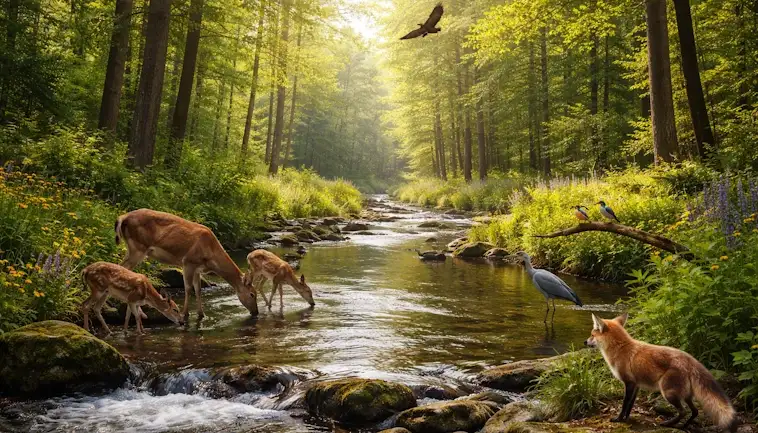
When we talk about forest future challenges and opportunities, we’re really talking about how our choices today shape the natural world our children will inherit. Forests are changing fast. Yet, with the right approaches, they can become powerful engines for wildlife recovery.
As climate pressures grow, forests are learning to adapt. So are we. New ideas, smarter tools, and fresh collaborations are beginning to shift how conservation works. These changes may feel gradual, but they add up. And because wildlife depends on forests for food, shelter, and safe migration routes, even small improvements can spark big gains.
A New Wave of Habitat Mapping
One of the most promising shifts is the rise of precision habitat mapping. Scientists are using real-time data to understand how animals move and where forests are struggling. This helps guide restoration efforts to the exact places where they will matter most. It makes the work faster, more focused, and far more effective.
Looking ahead, we may see forests actively managed in ways that anticipate rather than react to change. Think of replanting strategies that favor tree species more resilient to heat. Or community-led stewardship programs that monitor wildlife health year-round. These trends signal a future where humans and forests work together rather than collide.
And there’s something hopeful here. When forests thrive, wildlife returns. You see it in the comeback of pollinators, and in healthier soil. And you see it in the slow rebuilding of once-fragmented habitats.
As we explore the forest future, one message keeps rising to the surface: progress is possible. In fact, it’s already happening. With continued attention and innovation, forests can once again become some of the strongest allies wildlife has ever known.
How Smarter Land Stewardship Protects Species at Risk
Protecting species at risk begins with one simple idea: take better care of the land they depend on. When we manage land with intention and foresight, we give vulnerable species the space and stability they need to recover. This shift in thinking is happening right now, and it’s opening the door to real, measurable progress.
Today, land stewardship is becoming more strategic. People are blending local knowledge with new technology. They are restoring damaged habitats. They’re also keeping a closer eye on wildlife health. And doing it in ways that fit the realities of a changing climate. As these practices grow, they shape landscapes that support life rather than strain it.
Smarter stewardship also brings communities into the process. When people feel connected to the land—through monitoring projects, tree planting, or habitat restoration—they help build long-term resilience. This teamwork makes a huge difference, especially for species already living on the edge.
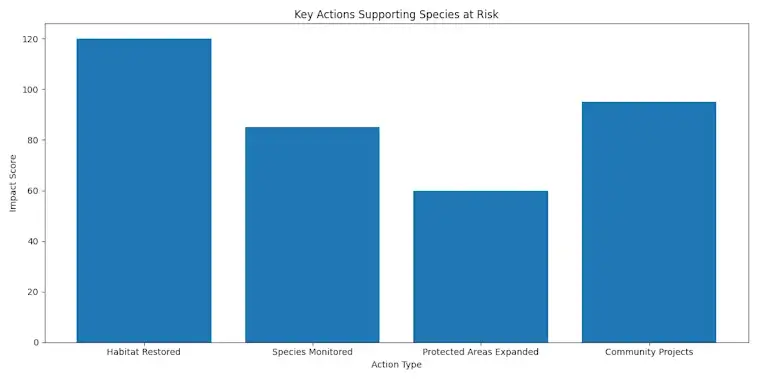
Below is a simple chart that highlights some of the key actions driving these improvements. It gives a snapshot of what effective stewardship can look like in practice.
Forest Future Solutions That Strengthen Communities and Nature
The forest future, is really about the choices we make today. These choices shape how our landscapes look, how our communities thrive, and how resilient our ecosystems become. As climate pressures rise, more people are asking how forests can protect us—and how we can protect them. The encouraging part is that fresh ideas and proven practices are emerging all around the world. And they offer real hope.
Forests do far more than store carbon. They cool our towns, support local livelihoods, and buffer us from extreme weather. Yet many regions are losing tree cover faster than they can recover. This gap is where practical, community-centered solutions matter. When people feel supported and involved, forest projects tend to last. They also create shared value, from cleaner air to stronger local economies.
A forward-looking path is now taking shape. It blends new technology, hands-on stewardship, and smart land planning. And it gives communities more say in how surrounding forests are managed.
Below are some examples of solutions that can help secure a healthier forest future while improving daily life:
- Restoring degraded land with native trees that match local climates.
- Supporting community-led forest management to build local jobs.
- Using sensors and satellite tools to detect early wildfire risks.
- Expanding green corridors to link fragile habitats.
- Encouraging sustainable timber and non-timber production.
Each of these steps works on its own. However, they are most powerful when combined. Together, they reduce vulnerability, boost biodiversity, and create long-term economic stability. They also give people a stronger connection to the places they call home.
As we look ahead, the forest future will depend on partnerships—between residents, planners, scientists, and policymakers. With shared purpose, communities can shape forest landscapes that are richer, more resilient, and better prepared for tomorrow. And that promise is well within reach when we choose solutions that nurture both people and nature.
The Hidden Benefits of Restoring Forest Ecosystems
When people talk about restoring forests, they often focus on the visible wins — like more trees, greener hillsides, and cooler air. But the real story goes deeper. The hidden benefits of forest restoration ripple through communities, economies, and entire ecosystems. And once you see how powerful these gains are, it becomes clear why so many regions are turning to restoration as a long-term solution.
Restoration doesn’t just heal damaged landscapes. It also boosts local life in ways that are easy to overlook. For example, healthier forests store more carbon, filter more water, and create more stable habitats for wildlife. At the same time, they support farming, reduce disaster risks, and open the door to new green jobs. So when we restore forests, we’re really investing in a stronger and more resilient future.
As you explore these benefits, you might notice how they connect to everyday life. Cleaner air. Safer water. More shade during extreme heat. Stronger soils that help farmers thrive. And because restored forests attract recreation and tourism, they can even help local economies grow.
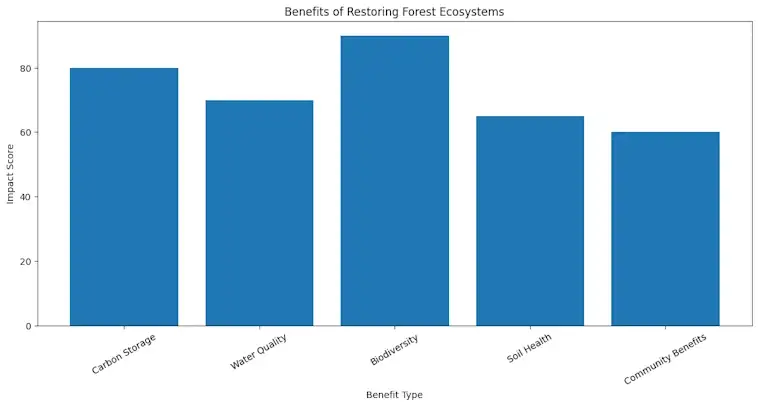
To highlight these advantages, the chart below offers a simple snapshot of how different benefits stack up.
What Long-Term Conservation Success Means for People Everywhere
When we talk about conservation, it can sound distant or technical. Yet the truth is much more personal. Long-term conservation shapes the air we breathe, the water we drink, and the stability of the places we call home. It also gives communities a better chance to adapt to a changing world. And as global priorities shift, people are beginning to see conservation not as a luxury, but as a foundation for a healthier and more secure future.
Long-term success comes from steady progress. It comes from restoring damaged ecosystems, protecting vulnerable species, and supporting communities who depend on natural resources every day. When these efforts work, they create ripple effects that reach far beyond the protected areas themselves. For many families, conservation means safer livelihoods, stronger local economies, and a greater sense of resilience.
A Path Toward a Stronger Forest Future
Healthy forests are one of the clearest examples of what long-term success looks like. They store carbon, regulate temperature, and reduce flood risks. At the same time, they provide food, fuel, and income for millions of people. When we protect forests today, we are essentially safeguarding long-term stability for future generations.
This is why more countries and communities are turning toward forward-looking conservation strategies. They blend local knowledge with long-term planning. And they also help people adapt to shifting climates and economic pressures. As these models grow, they give us a clearer picture of what a durable, people-centered conservation future can look like.
If you’re curious about how global conservation projects are evolving, the World Wildlife Fund offers a useful overview of current strategies and long-term priorities.
In the end, long-term conservation success is about more than saving nature. It’s about creating a world where people can thrive—now and in the years ahead.
Conclusion: Why a Strong Forest Future Matters Now
A thriving forest future isn’t just a hopeful idea. It’s a practical path that helps wildlife survive and gives communities a safer, more stable tomorrow. As forests recover, habitats strengthen. Species rebound. Local economies grow. And people gain more control over their own wellbeing.
The most promising results we’re seeing today come from long-term thinking. They come from projects that protect land, restore damaged areas, and empower the people who depend on forests every day. When these efforts work together, they create momentum. They also give us a clear reminder that progress is possible, even in a fast-changing world.
As we look ahead, the message is simple. When we invest in forests, we invest in ourselves. And with each step forward, we build a future where both wildlife and people have the space, stability, and opportunity to thrive.