

Special Wild Earth in Jeopardy: Why It Matters Now
How a Changing Wild Earth Shapes Our Future—and Why We Must Act Now
Wild earth feels more fragile with each passing season, and the signals are getting harder to ignore. Weather patterns shift faster than communities can adapt. Forests thin out. Oceans warm. And yet, hope remains because awareness is growing just as quickly. This moment calls for clarity and steady action, especially as the balance that supports everyday life begins to wobble.
Right now, long-standing environmental pressures are converging. Species loss, rising temperatures, and shrinking habitats no longer sit in separate boxes—they interact in ways that reshape how we live, work, and breathe. As these changes unfold, they also open a window for smarter choices and bolder solutions. Understanding what’s at stake helps create space for decisions that strengthen both people and planet.
With new research, shifting public attitudes, and emerging technologies, there is a real chance to rethink how we relate to the natural world. And when more of us recognise the value of acting early rather than reacting late, momentum builds. This is a moment worth paying attention to, because what happens next will influence the health of the planet for generations.
Wild Earth Under Pressure: The Hidden Forces Driving Today’s Crisis
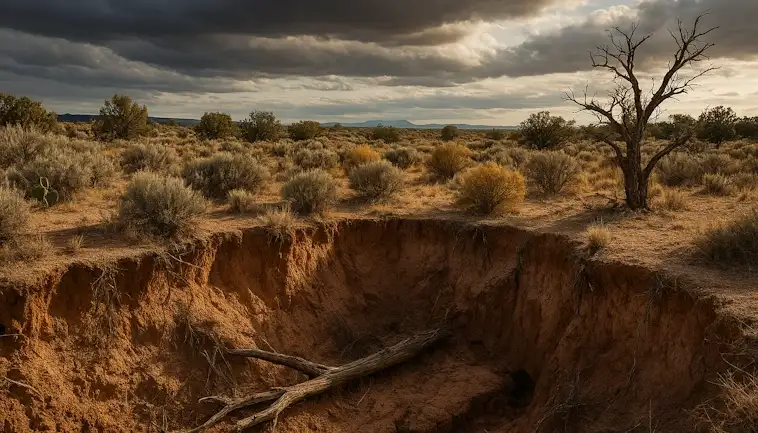
Our wild earth is sending signals that are getting harder to ignore. You may feel it in the strange swings of the seasons or see it in the headlines that seem to hit closer to home each year. These changes can feel sudden. Yet they’re powered by forces that have been building quietly in the background. Today, those forces are shaping the world we rely on, often in ways we don’t fully see.
As we dig deeper, it becomes clear that we’re living through a turning point. And while that can feel overwhelming, it also opens a door. A better understanding of what’s happening can help us make choices that protect the places we love. So let’s walk through the hidden drivers behind today’s crisis and what they mean for our shared future.
What Happens When Pressure Builds Unseen
Much of the strain on our wild earth comes from processes that unfold slowly. Land is stressed by rising temperatures. Oceans warm inch by inch. Species disappear before we even know they’re at risk. And because these shifts aren’t always dramatic, they slip past our attention until the impact is impossible to miss.
Still, there’s hope in recognizing the pattern. When pressure builds quietly, solutions can too. Communities are rethinking how they use energy. Cities are redesigning green spaces to cool neighborhoods. New technologies are emerging that help us track changes in real time. Step by step, these responses can make a real difference.
As we move forward, staying curious and aware can be one of our strongest tools. Understanding the forces shaping our wild earth isn’t just about facing hard truths. It’s about seeing the possibilities that come next—and choosing a path that leads toward stability, resilience, and a healthier planet for everyone.
How Everyday Choices Shape the Planet’s Most Fragile Ecosystems
It’s easy to forget how much power we hold in our daily routines. Yet the choices we make each day ripple outward. They touch forests, oceans, and the delicate ecosystems that keep our world in balance.
When we flip a switch, toss out leftovers, or choose how to get from place to place, we’re not just acting in the moment. We’re shaping the long-term health of the planet. And while that may sound daunting, it’s also encouraging. Because it means the path to a healthier Earth begins in familiar places—our kitchens, our commutes, even our shopping baskets.
As we look ahead, these small shifts matter even more. Consumer trends are moving toward lower waste and cleaner energy. Meanwhile, new technologies are making it easier to track our footprint and make smarter decisions. So when we talk about protecting fragile ecosystems, we’re really talking about the simple habits that, over time, make a big difference.
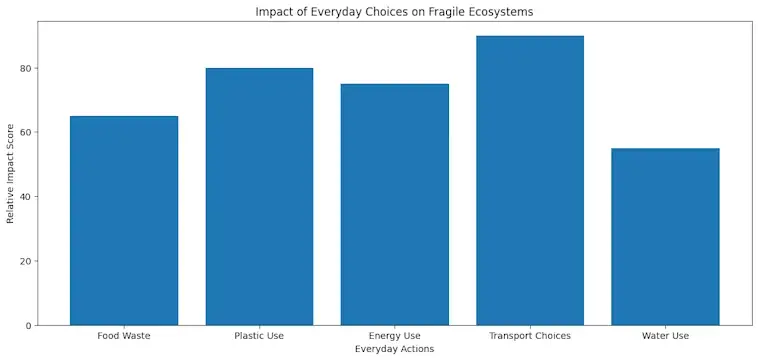
To help illustrate this, here’s a snapshot of how a few everyday actions stack up in terms of environmental impact.
Wild Earth at a Turning Point: What We Stand to Lose Next
Our wild earth is facing a moment that feels both urgent and deeply personal. We’re watching familiar landscapes shift in ways that once seemed impossible. And as these changes speed up, it’s easy to feel overwhelmed. Yet this is also a chance to understand what’s at stake and what we can still protect.
Today, our planet is warming faster than expected. Storms are hitting harder. Seasons are drifting out of sync. These trends aren’t far-off warnings. They shape daily life, from the food we buy to the weather outside our windows. And as we look ahead, the choices we make now will define what future generations inherit.
Still, there is room for hope. Scientists, communities and even small groups of neighbors are finding ways to adapt. They’re restoring wetlands. Rebuilding forests. And they’re cutting emissions through simple but powerful actions. These efforts show that change is possible when we act together.
But we also need to be honest about what we stand to lose if we wait too long. Our wild earth is more fragile than it appears. And the next decade will decide whether we steer toward recovery or deeper disruption.
Here are a few things already at risk:
- Shrinking wildlife habitats that break critical migration routes
- Wetter storms and drier droughts, which stress farms and forests
- Rapid ocean warming that endangers coral reefs and coastal life
- Longer heat waves that threaten public health and energy systems
Each loss comes with a ripple effect. When one species disappears, an entire ecosystem shifts. When storms intensify, communities face higher costs and longer recovery times. And when weather patterns become unpredictable, everyday routines become harder to maintain.
Yet this turning point can also be a wake-up call. We can still reshape the path forward. And by paying attention, speaking up and supporting smarter climate choices, we help protect the wild earth that supports us.
If we act with intention today, we keep more possibilities open for tomorrow.
Why Protecting Natural Habitats Is More Urgent Than Ever
It’s getting harder to ignore the changes happening around us. Natural habitats are shrinking fast, and the effects are starting to reach into our daily lives. Yet there’s still time to turn things around. When we protect the places that wildlife call home, we also protect the ecosystems that keep our air clean, our water safe, and our climate stable.
And as pressures on the environment grow, the need to act becomes even more urgent. Each lost forest, damaged reef, or drained wetland brings us one step closer to a future that’s much harder to live in. Still, the good news is this: small actions add up. When communities, businesses, and governments work together, we have the power to restore what’s been damaged and safeguard what’s left.
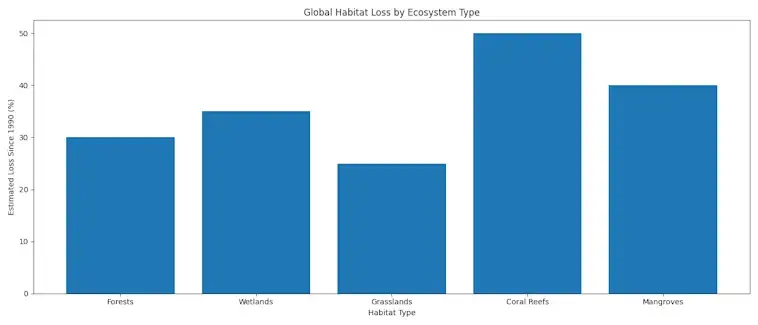
The chart below gives a simple snapshot of how quickly different habitats have been declining. It’s a clear reminder that the choices we make today will shape the world we live in tomorrow.
A Path Forward: Simple Actions That Create Lasting Environmental Change
Making real environmental change can feel overwhelming. Yet small, steady actions still matter a great deal. When we choose habits that respect the world around us, we send a message. We show that the future is worth protecting. And as more people join in, these small choices grow into real momentum.
How Wild Earth Habits Start at Home
Change often begins in our own routines. When we reduce waste, save energy, or support companies that value sustainability, we influence the system we live in. These actions may seem small, but they add up. They also remind us that caring for the planet is not a once-a-year project. It’s a daily practice.
Start with what feels manageable. Maybe that’s choosing reusable containers. Perhaps it’s planning meals so less food ends up in the bin. Or maybe it’s cutting back on short car trips. Over time, these decisions become second nature.
And because curiosity is a powerful motivator, learning more about environmental solutions can open new doors. This guide from the Environmental Protection Agency is a great place to explore ideas you can use at home and in your community.
As you take these steps, remember this: small actions don’t just change your footprint. They inspire others. Bit by bit, that’s how lasting environmental change begins.
Conclusion: Why Protecting Our Wild Earth Must Start Today
As we look at the challenges facing our wild earth, one message rises above the rest: we can’t wait. Our ecosystems are shifting fast, and the choices we make today will shape the world we leave behind. The good news is that awareness is growing. People everywhere are paying attention, asking better questions, and looking for ways to make a difference.
Even small steps matter. When we choose sustainable products, support conservation work, or speak up for smarter policies, we help tip the balance. And as more of us take action, the impact becomes real and visible.
Moving forward, the key is staying engaged. Keep learning. Keep asking what you can do next. And keep reminding yourself that progress doesn’t depend on perfection. It depends on steady commitment from people who care.
Our wild earth is still full of beauty and resilience. With thoughtful action, we can help protect it—and ensure that future generations inherit a world worth exploring.