

Burning Fossils Causes Tremendous Mistakes That Cost Us All
Burning Fossils: The Costly Mistakes We Keep Making—and Why We All Pay the Price
Burning fossils has shaped modern life, yet it keeps steering us toward problems that no community can ignore. The impact stretches far beyond rising temperatures. It shows up in higher household costs, damaged infrastructure, and health risks that grow year after year. As these pressures build, the true price of holding onto outdated fuels becomes harder to justify.
Change is already underway, and momentum is building. Technologies are getting cleaner. Cities are getting smarter about energy. Families and businesses are learning that efficiency saves money, not just carbon. As new solutions scale up, they open the door to a future where our choices add value instead of long-term debt.
There has never been a more important time to understand what’s at stake. Every step toward cleaner energy reduces risk and puts more control back into our hands. With clearer information and better tools, it becomes easier to choose paths that protect both our wallets and our well-being. Let’s move toward that better future with confidence.
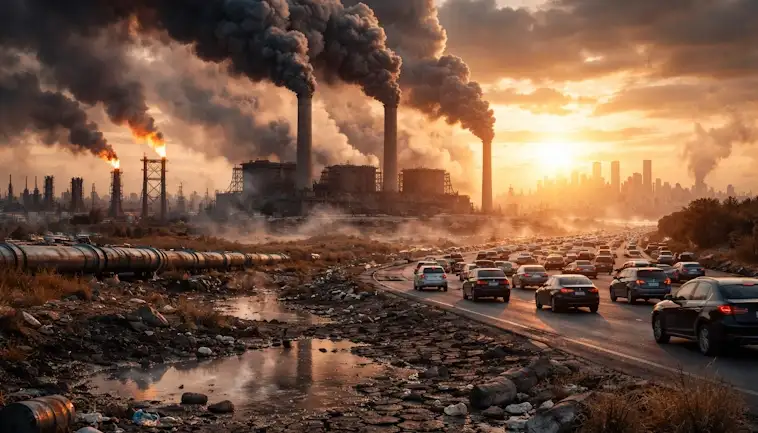
How Burning Fossils Pushes Our Planet Toward Costly Consequences
When we talk about burning fossils, it can sound abstract. Yet the effects show up in very real and very personal ways. Our homes, our budgets, and even the places we love are starting to feel the pressure. As the world grows warmer, the bill for inaction grows too. And it’s not just about future generations. It’s about us, right now.
We’re living through a moment when the signals are hard to ignore. Heat waves last longer. Insurance premiums climb. Storms hit harder. Each of these trends connects back to our reliance on fossil fuels. When we burn them, they release gases that trap heat. Over time, that trapped heat shifts weather patterns and raises global temperatures. The result is a world that’s more unpredictable and more expensive.
The Rising Price of a Hotter World
Here’s where the story turns. These changes don’t just touch far-off places. They shape daily life. Farmers struggle with unpredictable seasons. Cities pour money into cooling, flood defences, and emergency services. Everyday items—from groceries to building materials—get pricier as supply chains face repeated disruptions. It all adds up.
Still, there’s a hopeful side to this. As more people understand how burning fossils drives these costly consequences, momentum grows for cleaner, more resilient systems. Renewable energy is becoming cheaper. Communities are adapting faster. And many businesses now see climate action as a smart investment rather than a burden.
So this moment is a turning point. By choosing new paths and pushing for better solutions, we can reduce risks and cut long-term costs. And while the challenge is big, each shift—large or small—helps tilt the future toward something steadier, safer, and far more affordable.
The Hidden Price We Pay for Every Ton of Carbon Released
When we talk about carbon emissions, the conversation often stops at the numbers—how many tons we release each year and how quickly those numbers are rising. Yet there’s a deeper story behind every ton of carbon that drifts into the atmosphere. It’s a story about cost. Not the kind you see on a receipt, but the kind that touches your life in quiet, persistent ways.
Think of it as a bill we don’t notice arriving. Each ton of carbon carries a hidden price that shows up in higher healthcare costs, damaged crops, weakened infrastructure, and even lost productivity. And while the effects often unfold slowly, they shape the world we walk through every day.
As we look to the future, these costs will matter even more. Understanding them helps us make smarter choices about energy, transportation, and the policies we support. It also gives us a clearer picture of what we stand to gain when we cut emissions—not just cleaner air, but real economic benefits.
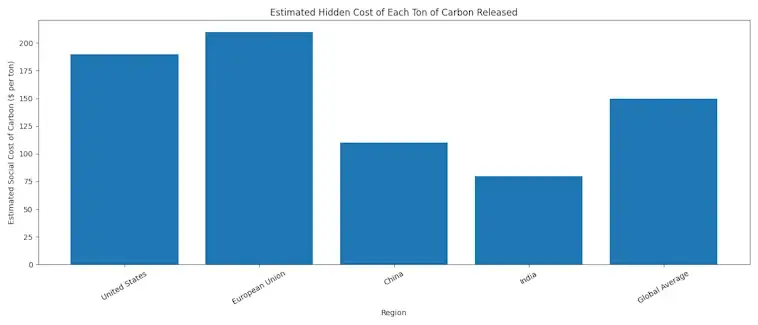
To bring this idea into focus, the chart below offers a simple comparison of the estimated social cost of carbon across different regions. It’s not just data. But it’s a reminder that the real price of pollution is paid by all of us.
Why Burning Fossils Still Shapes Our Future—and How We Change Course
It’s easy to forget how deeply burning fossils is woven into our daily lives. We flip a switch. Drive to work. Heat our homes. Yet every one of these actions draws on a system built around fuels that were formed millions of years ago. And even though clean energy is rising fast, the old system still casts a long shadow over our future.
Let’s walk through why this matters, and more importantly, how we can pivot toward something better.
The pull of the past
Burning fossils remains dominant because the infrastructure behind it is vast and familiar. It’s cheaper to keep running old systems than to build new ones. And for decades, we treated these fuels as endless. Now, we’re living with the consequences—warming temperatures, unstable weather, and rising costs that hit households and businesses alike.
But there’s good news. Once you understand why this system holds on, it becomes easier to see the opportunities waiting on the other side.
The turning point we can’t ignore
Clean energy is growing because it simply makes sense. Solar and wind are cheaper than they’ve ever been. Batteries are improving fast. Cities and companies are experimenting with new ways to power daily life. Step by step, we’re proving that another path is possible.
To make that shift happen faster, we need to focus on a few practical moves:
- Upgrade old energy systems to cleaner and more efficient technologies
- Support policies that speed up renewable projects
- Choose cleaner options at home when cost and access make that possible
- Encourage businesses to cut emissions across their supply chains
- Invest in innovation that brings down the price of cleaner solutions
Looking ahead
When we talk about burning fossils, we’re really talking about choice. Do we stick with a system that slows us down? Or do we choose one that opens the door to healthier cities, more stable economies, and a safer climate?
The future is already tilting toward change. And with every decision—big or small—we help shape that momentum. It’s not about perfection. But about direction. And right now, the direction is ours to set.
The Economic Toll of Delaying Clean Energy Solutions
Transitioning to clean energy isn’t only about cutting emissions. It’s also about protecting our wallets. When countries delay investments in renewable power, efficient grids, and cleaner transport, the financial fallout grows year after year. And that toll shows up everywhere—from higher energy bills to rising disaster recovery costs.
Delays also strain local economies. Storm damage increases. Insurance premiums climb. Businesses face interruptions from extreme heat or grid failures. Meanwhile, clean-energy jobs move to regions that acted sooner. These slowdowns may seem subtle at first, but they compound quickly.
As you’ll see in the chart below, the cost of waiting doesn’t stay flat. It surges. And the longer we postpone action, the more we pay later. By understanding this trend now, we can make smarter decisions that support our communities and our economies well into the future.
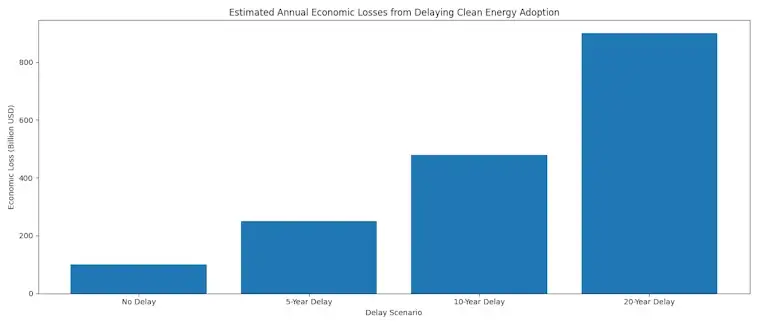
The chart compares estimated economic losses at increasing delay intervals.
Real Actions Communities Can Take to Cut Emissions and Save Money
When we talk about climate action, it can feel abstract or distant. Yet communities everywhere are proving that real change starts close to home. And it doesn’t have to be expensive or complicated. In fact, many local solutions lower emissions and cut everyday costs. So, let’s walk through some practical steps communities can take right now. These ideas scale well, bring people together, and create momentum for long-term progress.
How Burning Fossils Becomes a Local Opportunity
Communities often feel stuck with high energy bills because they rely on outdated systems built around burning fossils. But when towns invest in cleaner, smarter options, the payoff can be huge. Transitioning to efficiency and renewables doesn’t just shrink carbon footprints. It frees up budgets for schools, parks, and local services.
Start With Community Energy Audits
A simple energy audit helps citizens see where heat escapes, lights waste power, or appliances drag down efficiency. Many local governments offer free or low-cost assessments. With this information, neighborhoods can pool resources for bulk upgrades, which lowers costs for everyone.
Invest in Shared Solar
Shared or “community solar” allows households to buy a share of a local solar project rather than installing panels on their own roofs. This model works especially well for renters or homes with shade. Plus, it brings predictable energy costs and quick carbon reductions. For a deeper look at how shared solar works, the U.S. Department of Energy offers an accessible overview.
Support Local Retrofit Programs
Weatherization and efficiency upgrades deliver some of the fastest returns. Simple fixes like sealing drafts or adding insulation cut monthly bills right away. Communities can negotiate group discounts, making retrofits more accessible—especially for low-income households.
Shift to Cleaner Local Transport
Small changes in how people move around town can add up. More bike lanes, walkable streets, and electric-bus routes reduce fuel costs and improve air quality. And when people feel safer walking or biking, local businesses often see more foot traffic.
Create Community Repair and Reuse Hubs
Repair cafés and tool libraries help reduce waste and prevent the need to buy new items. They also build local skills and strengthen community bonds. Every item repaired or reused is one less product that requires manufacturing, shipping, and energy.
The Bottom Line
Communities don’t need massive budgets to take meaningful action. By choosing practical, people-first solutions, neighborhoods can cut emissions while saving real money. And as each small step adds up, residents begin to see that climate action is not only doable—it’s empowering.
Conclusion: Why Choosing Better Paths Matters More Than Ever
As we look ahead, it’s clear that burning fossils is more than an outdated habit—it’s a costly mistake that keeps stacking long-term risks against short-term gains. Communities, businesses, and households all pay the price through higher bills, poorer health, and a warming world that becomes harder to manage each year.
Yet the good news is powerful: every step away from fossil fuels opens the door to cleaner air, stronger local economies, and more stable energy systems. And because the alternatives are getting cheaper and easier to adopt, this shift is no longer a distant ideal. It’s a practical, money-saving move that benefits everyone.
When we acknowledge the true costs of burning fossils, we stop treating pollution as an unavoidable part of life. Instead, we see something far more hopeful—a chance to build smarter systems, spark innovation, and create a healthier future. And with each collective choice, we move closer to a world where progress doesn’t come with a hidden price tag.