

Reef Protection Begins Now to Stop Rapid Ocean Decline
Reef Protection: Why Immediate Action Is Essential to Stop Rapid Ocean Decline
Reef protection has become a pressing need as ocean health declines faster than many scientists once expected. More people are waking up to the scale of the problem, yet the window for meaningful action is narrowing. Because of that, it helps to understand what is driving this rapid change and why stronger safeguards matter right now. The choices made over the next few years could shape the fate of coral ecosystems for generations.
As conditions shift, the threats facing reefs are becoming clearer. Warming waters stress coral. Pollution weakens their defenses. Overfishing removes the species that keep these ecosystems in balance. Yet there is still room for optimism. Proven solutions already exist, and new ones are emerging as research accelerates. When communities, policymakers, and industries move together toward better practices, reefs gain a real chance to recover.
Looking ahead, momentum will play a major role. Small actions can scale into powerful trends, especially as technology, conservation science, and public awareness continue to advance. The story of ocean decline is far from finished, and the next chapter can still be one of restoration rather than loss.
Reef Protection and the Urgent Need to Act
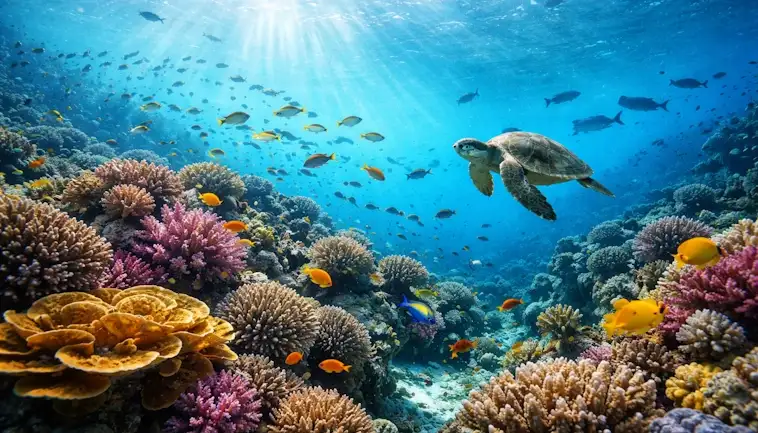
Reef protection is no longer something we can push into the future. It’s a now-or-never moment. Around the world, coral ecosystems are fading fast due to warming oceans, pollution, and rising acidity. And even though the science feels heavy at times, the story is also deeply personal. These reefs support food supplies, coastal safety, and millions of jobs. They even shape the character of our oceans.
When you look at places like the Great Barrier Reef, you can see both the beauty worth saving and the damage already done. That contrast should push us to act. Because every year we wait, reefs lose more of their ability to bounce back. Yet the hopeful news is that change is still possible. Small steps, scaled across communities, can create real impact.
Why Local Choices Matter
Reef protection grows stronger when everyday choices shift. Reducing single-use plastics helps cut the waste that ends up in the sea. Supporting clean energy lowers the heat that stresses coral. And choosing reef-safe sunscreen keeps harmful chemicals out of delicate marine environments. These may sound small, but together they move us in the right direction.
And as we move forward, it helps to remember this: reefs are not passive victims. They are living, adapting systems that respond quickly when we give them a fighting chance. So the sooner we act, the more recovery we’ll see. Transitioning to greener habits and backing science-driven policies may feel like big steps, but they are steps toward oceans that can thrive again.
In the end, reef protection is really about protecting our shared future. Acting now means we give the next generation oceans that are vibrant rather than barren. And that is a future worth fighting for.
Rising Temperatures Are Accelerating Coral Loss
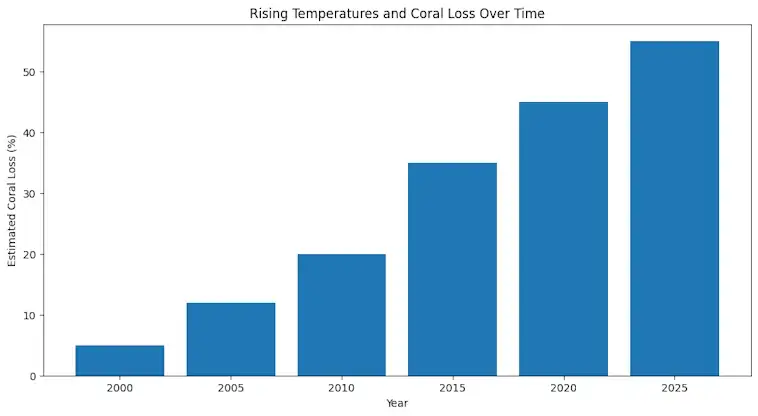
Rising ocean temperatures are speeding up coral decline faster than many people realise. It’s happening quietly but steadily, and the effects are now showing in places once thought to be resilient. When waters warm, even by a small amount, corals become stressed. Then they lose their colour, weaken, and often die.
This matters because coral reefs support fisheries, protect coastlines, and anchor marine life. When they collapse, entire ecosystems follow. And while this sounds overwhelming, understanding the pace of decline helps us see why action must happen now—not later.
As you look at the data below, you’ll notice coral loss rising sharply over the past two decades. This trend tells a simple story: the hotter the oceans get, the harder it is for reefs to survive. Yet it also signals something hopeful. If we can slow temperature rise, reefs have a real chance to recover.
Reef Protection as a Path to Restoring Ocean Health
Reef protection is emerging as one of the clearest paths to bringing our oceans back to life. And honestly, it’s hard not to feel hopeful when you look at what healthy reefs can do. They support fisheries, shelter coastlines, and anchor tourism economies. When they thrive, whole marine ecosystems thrive with them. Yet many reefs—from the Great Barrier Reef to the Mesoamerican Barrier Reef—are under pressure from warming seas, pollution, and overuse.
That’s why taking action now matters. Even small gains in reef protection can create ripple effects that boost ocean health for years to come. And when communities, scientists, and policymakers work together, progress becomes real and visible. You can actually see reefs rebound, fish return, and water clarity improve.
As we look ahead, protecting reefs will shape how resilient our oceans become. It’s a forward-leaning strategy that invites everyone—local residents, travelers, and even curious readers like you—to play a part.
When you break down reef protection the steps are surprisingly simple:
- Reduce coastal pollution through better wastewater management and runoff control.
- Support sustainable fishing that allows reef species to recover.
- Back reef-safe tourism practices that prevent physical damage to corals.
- Champion climate-smart policies that limit warming and acidification.
Together, these actions begin to rebuild the foundation of ocean life. So when we talk about reef protection, we’re also talking about a healthier future for the planet. It’s a reminder that restoring the oceans isn’t just possible—it’s already happening wherever people choose to protect the reefs that protect us.
The Human Costs of Letting Coral Ecosystems Collapse
When coral ecosystems collapse, it’s not just marine life that suffers. People do, too. And the impacts show up in daily life faster than most expect. That’s why this issue deserves our full attention. After all, coral reefs support jobs, food supplies, and even the safety of coastal communities.
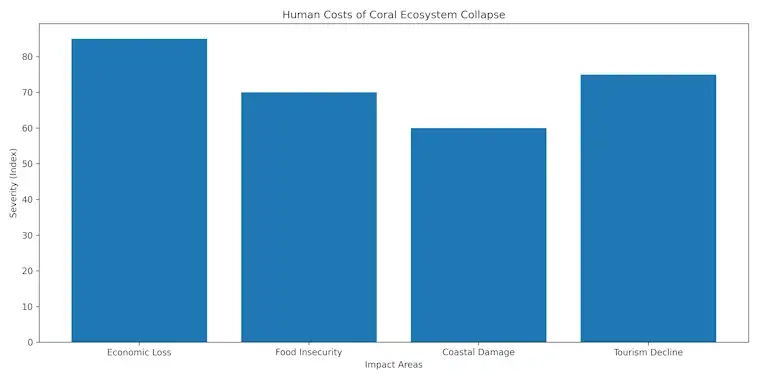
As reefs decline, the risks become clearer. Food becomes harder to secure. Tourist economies shrink. Storm damage increases. And the cost of rebuilding grows higher every year. So talking about reef protection isn’t only about saving nature. It’s also about protecting the people who depend on these ecosystems in ways that are often invisible until trouble hits.
When you step back, the picture becomes even more sobering. Human well-being and coral health are intertwined. And as climate pressures rise, we’ll feel the effects more deeply unless we act now. That’s why understanding these costs is such an important part of shaping solutions. It helps us see what’s really at stake—and why restoration and protection efforts matter so much for our future.
Below is a chart that highlights four major areas where human costs escalate when coral ecosystems collapse.
Steps Communities Can Take Today to Support Ocean Recovery
When we talk about ocean recovery, it can feel like an overwhelming goal. Yet communities have more power than they realize. Small actions add up quickly, especially when many people move in the same direction. The following are practical steps any town, neighborhood, or coastal group can take right now. These ideas are simple, shareable, and designed to inspire action without requiring major resources.
Local Actions That Make a Difference
One of the fastest ways to support ocean health is to reduce what flows into it. Communities can start by improving local recycling programs and encouraging residents to cut back on single-use plastics. Even small improvements lower the amount of waste that reaches waterways. And when people see progress, they tend to keep going.
Another effective step is restoring natural spaces. Planting native vegetation near rivers, wetlands, and coastlines helps filter pollutants before they reach the sea. It also strengthens ecosystems that protect communities from storms. Many neighborhoods organize volunteer planting days, which builds momentum and pride.
Community Partnerships for Reef Protection
Coral reefs are among the most threatened ecosystems on Earth, yet they respond well to local support. Communities can join or form reef stewardship groups that monitor water quality, share educational resources, and advocate for policy improvements. These partnerships often open doors to grants and training programs that turn concern into long-term impact.
Raising Awareness and Inspiring Youth
Public education is one of the most reliable tools for ocean recovery. Schools, libraries, and community centers can host talks, film nights, or hands-on workshops. These events help people understand the links between daily choices and ocean health. They also spark curiosity in young people who may grow into future scientists, activists, or policymakers.
If you’d like a clear, accessible resource to share at local events, this guide from the Ocean Conservancy is a strong starting point.
Looking Ahead Together
Although the ocean faces huge challenges, communities can drive change faster than many expect. Each step strengthens local resilience while protecting life beneath the waves. And when neighborhoods take action together, they send a powerful signal that recovery isn’t just possible—it’s already underway.
Conclusion: Why Reef Protection Must Start Today
Reef protection is no longer something we can put off for the future. Our oceans are changing fast, and these fragile ecosystems are signaling that they need our help now. Yet the good news is that meaningful progress begins with simple, local choices. When communities cut pollution, support restoration projects, and stay informed, the ripple effects reach far beyond the shoreline.
As you think about what comes next, remember that small, steady action often leads to the biggest impact. And with more people stepping forward each year, momentum is building. By prioritizing reef protection today, we’re not only defending marine life. We’re also safeguarding food systems, coastal economies, and the natural beauty millions rely on.
So let’s keep moving. Let’s keep learning. And let’s make choices that help reefs recover while there’s still time to turn the tide.