

Rain Shadow: Spectacular Energy Shapes Life in Mountains
Rain Shadow: The Hidden Energy That Transforms Mountain Landscapes
A rain shadow can feel almost otherworldly. One side of a mountain range bursts with moisture, while the other stays strikingly dry. That sharp contrast shapes everything from local weather patterns to the plants and animals that find ways to survive there. It’s a natural force with a quiet kind of power, and it leaves clues across every ridge and valley.
As climates shift and storms change course, these patterns may grow even more important. Communities that depend on mountain environments are already watching how water, heat, and wind redistribute themselves. Understanding what drives these dramatic differences helps people plan ahead, protect ecosystems, and rethink how life adapts when nature rearranges its energy.
What You’ll Discover
How the Rain Shadow Shapes Mountain Weather
The Energy Patterns That Carve Life Into High Landscapes
Rain Shadow Impacts on Wildlife and Plants
Why Mountain Communities Depend on These Shifting Forces
The Future of Mountain Ecosystems in a Changing Climate

How the Rain Shadow Shapes Mountain Weather
When you hear the phrase rain shadow, it sounds almost poetic. Yet it describes a real force that shapes entire landscapes. And it affects the way people live, travel, and even farm.
Mountains do more than tower over the land. They redirect air, squeeze clouds. And they create dramatic shifts in rainfall over short distances. As a result, one side of a mountain can be lush while the other is dry. This contrast often surprises travelers. It also highlights how powerful the rain shadow can be.
When the Air Hits the Wall
Moist air moves in from the ocean or a nearby body of water. When it meets a mountain, it must rise. As the air climbs, it cools. Then it drops its moisture as rain or snow. This feeds forests, rivers, and wildlife.
But once the air crosses the peak, it changes. It warms up again as it moves downhill. Warmer air can hold more moisture. And so the clouds fade. The land becomes dry. This area is the rain shadow.
You’ve probably seen photos of mountains with green slopes on one side and golden plains on the other. That dramatic split doesn’t happen by chance. It’s the rain shadow at work, shaping patterns we rely on and often take for granted.
As our climate shifts, the effects of the rain shadow may shift too. Some regions may see even drier conditions. Others may experience more intense rains on the windward side. Understanding these patterns now helps us prepare for a more variable future.
The Energy Patterns That Carve Life Into High Landscapes
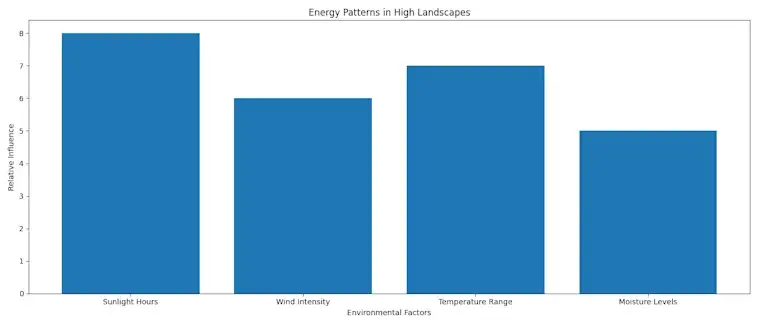
High landscapes can feel wild and untouchable. Yet the forces that shape them follow a clear rhythm. These forces—sunlight, wind, temperature, and moisture—work together to decide what grows, what thrives, and what fades. When you understand these energy patterns, the mountains begin to feel more alive. They tell stories of change, resilience, and surprising abundance.
Life at higher elevations depends on how these patterns shift through the seasons. Days tend to be bright but short. Winds often rise without warning. And temperatures swing fast. As a result, plants and animals adapt in clever ways. And as you explore these places, you start to see those patterns play out in real time.
These energy dynamics will matter even more in the years ahead. Climate change is already nudging the balance. Warmer days can push species higher. Stronger winds can dry soils faster. And shifting snowfall can reshape entire ecosystems. So, looking forward, paying attention to these patterns helps us understand how mountain life will evolve.
Below is a chart that offers a simple snapshot of the key energy factors that shape life in high landscapes.
Rain Shadow Impacts on Wildlife and Plants
When you picture a mountain range, you might imagine sweeping views and dramatic peaks. Yet, there’s a quieter story unfolding on the far side of those mountains. It’s the story of the rain shadow, and it shapes entire ecosystems in ways that often go unnoticed. Let’s explore how this hidden force affects the wildlife and plants that depend on these harsh yet fascinating landscapes.
A rain shadow forms when moist air rises over mountains, cools, and drops most of its rainfall on the windward side. By the time the air moves over the crest, it’s much drier. This shift creates a region with far less moisture. As a result, life on the leeward side must adapt or struggle to survive. And those adaptations, while impressive, come at a cost.
Plants in rain shadow zones often evolve clever strategies. Many grow smaller leaves to reduce water loss. Others store moisture in their stems or roots. Meanwhile, wildlife must navigate long dry spells, sparse vegetation, and limited water sources. Over time, entire food webs adjust to this new reality. Some species thrive. Others vanish.
Here are a few of the most common ecological responses within rain shadow landscapes:
- Plants evolve drought-tolerant structures.
- Herbivores shift migration routes to find food.
- Predators follow changing prey patterns.
- Soil microbes adapt to low moisture.
Even with these shifts, the balance remains fragile. A small change in temperature or rainfall can ripple across the entire system. That’s why rain shadows matter. They teach us how sensitive the natural world can be—and how important it is to protect these overlooked regions.
As you explore these environments, you’ll see a clear lesson. Life bends with the climate. It adapts, sometimes beautifully, sometimes painfully. And by understanding the rain shadow effect, we can better support the species that rely on these challenging but remarkable habitats.
Why Mountain Communities Depend on These Shifting Forces
Life in mountain regions has always been shaped by the land and the weather. Yet today, these communities feel the effects of shifting climate forces more than ever. And because the terrain adds extra pressure, even small environmental changes can have big consequences.
So, let’s talk about why these communities rely so deeply on the rhythms of climate and landscape—and why changes hit them faster and harder than most places.
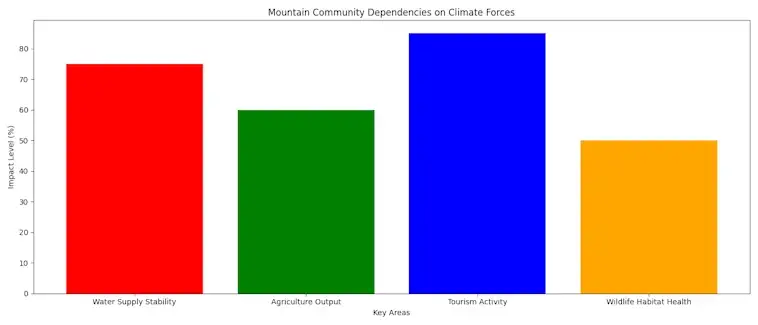
Mountain communities often depend on predictable snowfall, steady water flow, and healthy ecosystems. These natural patterns support local farming, tourism, and even the basic supplies people need every day. When these patterns shift, everything else shifts with them. And because the mountains funnel water, storms, and wind in unique ways, the effects show up quickly.
This means a warm winter can lead to dry rivers in summer. A single early melt can reshape entire growing seasons. Meanwhile, wildlife moves to higher elevations, and forests become more vulnerable to fire. Each change ripples outward, touching homes, jobs, and local traditions.
Still, communities find ways to adapt. They update water systems. Adjust planting schedules. And they build new paths for tourism as landscapes transform. Although the challenges are real, the resilience here runs deep.
Below is a visual snapshot to help illustrate how key sectors feel the impact of shifting mountain forces.
The Future of Mountain Ecosystems in a Changing Climate
Mountain ecosystems are entering a new chapter. And while the changes may feel slow from day to day, the long-term shift is already reshaping life at high altitudes.
As temperatures rise, mountain regions warm faster than lowland areas. That means snow melts earlier. Glaciers shrink. Streams run lower in late summer. These shifts affect plants, wildlife, and the people who rely on these landscapes. Yet there’s also room for hope. Many mountain systems are resilient, and with thoughtful action, we can support that resilience.
Understanding Life in the Rain Shadow
Mountains don’t change evenly. Areas that sit in the rain shadow often become drier as weather patterns shift. This can push moisture-loving species uphill while allowing drought-tolerant plants to spread. Over time, entire habitats may rearrange themselves. When that happens, wildlife has to adapt, migrate, or decline. The more we understand these subtle patterns, the better we can plan for what comes next.
What the Next Few Decades May Bring
Looking ahead, we’re likely to see more frequent extremes. Longer heatwaves. Heavier storms. Faster erosion. These trends will test the stability of forests, soil, and water systems. However, new conservation methods—like assisted migration and climate-smart land planning—offer ways to manage risk.
At the same time, communities near mountain regions will face new decisions about water use, tourism, and development. Taking a long view helps. When we recognize the value of these ecosystems, it becomes easier to invest in their future.
Why This All Matters
Mountain ecosystems support biodiversity. They store water. And they shape regional climates. When they weaken, the ripple effects reach far beyond the peaks. So staying informed isn’t just useful—it’s empowering. It helps each of us understand the stakes and the possibilities.
If you want a clear, science-based overview of current trends, this IPCC resource is a solid starting point.
Conclusion: Why the Rain Shadow Still Shapes Our Future
The rain shadow isn’t just a dramatic weather pattern. It’s a powerful force that shapes how plants grow, how animals survive, and how people live in mountain regions. As we look ahead, this natural effect will continue to influence everything from local water supplies to the resilience of alpine ecosystems.
Understanding how the rain shadow works helps us make smarter choices. It shows us why some valleys stay dry while others thrive. Reveals why certain species struggle while others adapt. And it reminds us that even small climate shifts can create big changes in places that already live on the edge.
By paying attention to these patterns now, we give ourselves a better chance to protect the landscapes we depend on. So as you think about the future of mountain regions, keep the rain shadow in view. It’s a quiet but spectacular force—and it will play an even bigger role in the decades to come.