

Chemical Contamination Near You: Frightening And Urgent
Chemical Contamination Is Rising—How It Could Be Closer Than You Think
Chemical contamination is no longer a distant problem limited to industrial zones or polluted rivers. It can exist much closer to home, often without warning. From drinking water to the air indoors, harmful substances can enter daily life quietly and persist for years. This growing threat raises serious concerns about health, safety, and long-term exposure, especially as detection often lags behind damage.
At the same time, new research continues to reveal how widespread these substances have become. Traces are being found in common products, soil near neighborhoods, and even places once considered safe. As a result, many communities are facing risks they never agreed to accept and were never told about.
Still, awareness is beginning to shift. Better data, stronger testing methods, and public pressure are changing how this issue is viewed. Understanding where contamination comes from, how it spreads, and why it matters is now essential. The risks are real, the consequences are serious, and the need for action has never been more urgent.
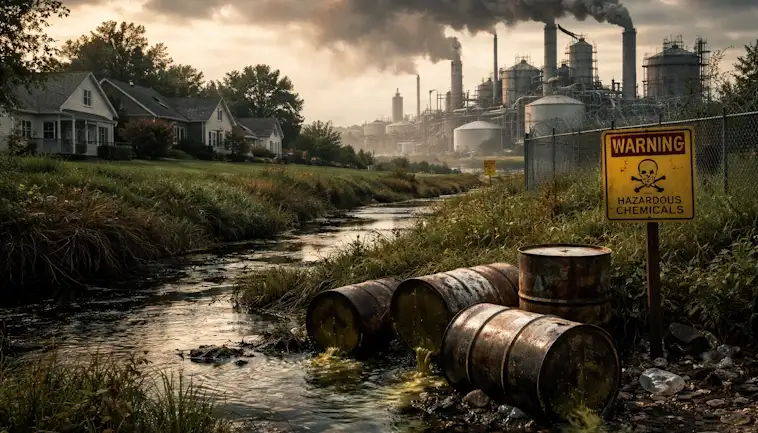
Chemical Contamination Is Closer Than You Think
Chemical contamination isn’t something most of us think about every day. Yet it’s becoming harder to ignore. These chemicals show up in places we trust—our homes, our food, even the products we use without a second thought. And as urban life grows more complex, the risks grow too.
That might sound alarming, but stay with me. When we understand what’s happening, we can take smarter steps to protect ourselves. And honestly, the truth is simpler than many headlines suggest.
You don’t need a lab coat to grasp the issue. Chemical contamination often starts with tiny particles released into the environment. They drift through the air, settle on surfaces, and slowly work their way into our bodies. Over time, these exposures add up. Many experts now see this as a long-term challenge, not a distant threat.
What’s Hiding in Plain Sight?
Here’s where things get uncomfortable. These pollutants aren’t always tied to big factories or disasters. They can come from everyday items—cleaners, packaging, or lawn treatments. And because they are invisible, most people assume everything is fine. But as new research comes out, it’s clear that this quiet spread matters more than we realized.
Still, there’s reason to feel hopeful. Awareness is rising. More communities are testing their water, and more companies are rethinking materials. With more people now choosing products that are safer for their homes.
Keep in mind that understanding is the first step toward action. Chemical contamination may be close, but so are the solutions.
How Everyday Places Become Silent Pollution Hotspots
It’s easy to assume pollution only comes from big, obvious sources. But many of the places we visit every day carry hidden risks. And because these spaces feel safe, most people never think twice. Yet small exposures add up. Over time, they can shape our health in ways we don’t notice until much later.
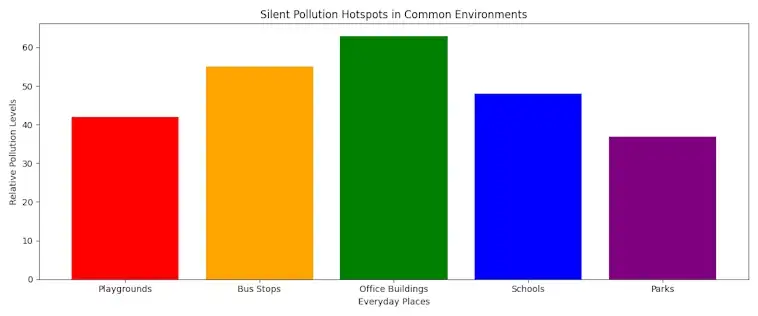
What surprises many people is how ordinary these hotspots are. Think about your local park or the bus stop you use every morning. These areas collect pollutants from traffic, nearby buildings, and even the products we use at home. And while each source seems minor, together they create a quiet build-up that’s worth paying attention to.
As cities grow and our routines get busier, these silent hotspots matter more. But here’s the good news. When we know where these risks tend to hide, we can make smarter choices—like choosing safer routes, opening windows more often, or supporting cleaner local policies. Small steps really do make a difference.
To help you see this more clearly, here’s a simple visual showing how common places compare in relative pollution levels.
Chemical Contamination and the Hidden Risks to Your Health
Chemical contamination is one of those threats we rarely see coming. Yet it shapes the air we breathe, the water we drink, and even the products we bring into our homes. When you step back, it’s unsettling. But it’s also empowering, because once you understand the risks, you can begin to protect yourself. Let’s walk through what this silent issue means for your daily life and why paying attention now can make a real difference down the road.
First, chemical contamination doesn’t always show up with a strange smell or an odd colour. Often, it moves quietly through everyday environments. That’s why it helps to know some of the most common ways people are exposed. For example, pollutants can leak from industrial sites, drift from busy roads, or even come from items we use without thinking twice. This isn’t meant to alarm you. Instead, it’s a reminder that awareness is your strongest tool.
To get started, here are a few hidden sources of chemical contamination worth watching:
- Household cleaners and fragrances
- Older building materials
- Contaminated soil in gardens or parks
- Polluted tap or well water
- Everyday plastics that shed chemicals over time
As you can see, the issue reaches much deeper than the occasional headline. And as technology advances, so does the potential for new forms of exposure. That’s why taking simple, proactive steps matters so much. Choosing safer products, filtering your water, and staying informed about local pollution alerts all help reduce your risk.
Looking ahead, we’ll likely see more research on how long-term exposure affects our bodies. That means now is the perfect time to build habits that support your health. Even small changes can add up. And over time, they create a safer home and a healthier future.
Why This Growing Threat Demands Urgent Attention Now
Chemical contamination is no longer a distant or abstract problem. It’s here, shaping the environments we move through every day. And while it can feel overwhelming, understanding the scale of this threat is the first step toward protecting yourself and your community. As research expands, we’re learning just how quickly harmful chemicals can enter our homes, our bodies, and even our food systems.
Today, the pace of industrial growth and product manufacturing keeps rising. At the same time, new synthetic chemicals enter the market faster than long-term studies can track their effects. This gap creates real risks. And because many contaminants are invisible, they slip past our senses. That’s why paying attention now matters more than ever.
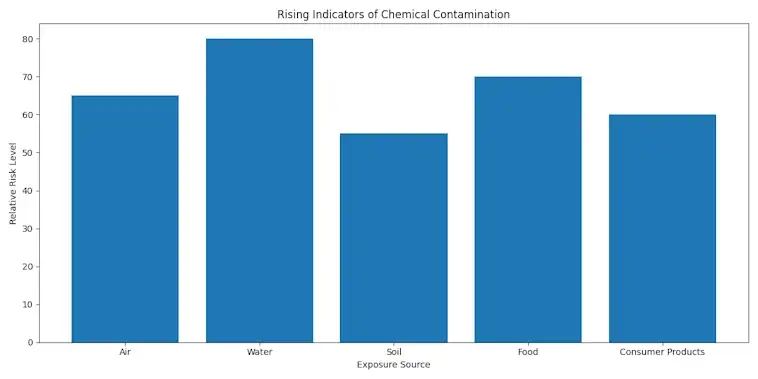
You might wonder: Is this really getting worse? Unfortunately, yes. Evidence shows that chemical contamination is spreading into more parts of daily life. It touches our air, our water, and even the objects we use without thinking. As a result, the pressure is building for stronger safety standards and more transparent reporting.
Looking ahead, the choices we make today will shape our health outcomes tomorrow. Taking action doesn’t mean turning your life upside down. Instead, it starts with simple awareness—knowing what’s around you, what you’re buying, and how to limit your exposure. These small steps can add up to meaningful change, especially as the world continues to evolve.
What You Can Do Today to Reduce Exposure and Stay Safe
Chemical contamination can feel overwhelming, but you have more control than you might think. Small choices add up. And when you make them part of your daily rhythm, they can meaningfully lower your exposure. Let’s walk through a few simple steps you can start using right away. They’re practical, budget-friendly, and easy to build into a busy life.
Everyday Steps to Cut Down on Chemical Contamination
Start with the air in your home. Open windows when you cook or clean. Fresh air helps dilute fumes from common household products. You can also switch to fragrance-free cleaners. They often contain fewer harsh ingredients and still get the job done.
Next, look at what touches your skin. Read labels on soaps, lotions, and cosmetics. Choose products with short, clear ingredient lists. This reduces your chances of absorbing chemicals you don’t need.
Food is another place where exposure often hides. Rinse fruits and vegetables under running water. It’s simple, but it removes many surface residues. If you can, store leftovers in glass instead of plastic, especially when heating. Plastics can release unwanted compounds into food when they get hot.
Water safety matters, too. A basic filter can cut down on a wide range of contaminants. You don’t need a fancy system to see benefits. Even a pitcher filter makes a difference. For a deeper look at what may be in your local water, you can check the database from the Environmental Working Group.
These steps may look small, but they build a safer environment over time. And as awareness grows, companies and cities often respond, which means your individual actions can help push for broader change. Keep going—your efforts truly matter.
Conclusion: Why Awareness of Chemical Contamination Matters Now
Chemical contamination is no longer a distant threat. It’s something that touches our neighborhoods, our routines, and sometimes even our bodies without us realizing it. Yet, there’s real power in simply paying attention. When you stay informed, you make smarter choices. And step by step, those choices protect your health and strengthen your community.
As you move forward, keep asking questions about what’s in your water, your air, and your everyday products. Stay curious. Share what you learn. And remember that change often starts with small, steady actions taken by people who care.
Chemical contamination may be frightening and urgent, but you’re not powerless. With awareness and action, you can help create a safer environment for yourself and everyone around you.