

Animal Adaptation: Pioneering Results You Need to See
Animal Adaptation Breakthroughs That Reveal How Species Survive a Changing World
Animal Adaptation is reshaping how we understand the natural world, especially as environmental pressures grow stronger every year. New findings reveal how different species adjust, survive, and even thrive under sudden change. These results offer a fresh look at resilience in nature and show how flexible life can be when faced with challenges.
Researchers are uncovering patterns that point to a future where adaptation becomes even more critical. As you move through these groundbreaking discoveries, you’ll see how small shifts in behavior or biology can have a huge impact on survival. The emerging insights also hint at what may happen as climates shift and habitats transform.
There is real momentum behind this research, and it opens the door to a forward-looking understanding of how life persists. The more we learn, the clearer it becomes that today’s breakthroughs will guide tomorrow’s conservation strategies—and shape the way we think about the world we share.
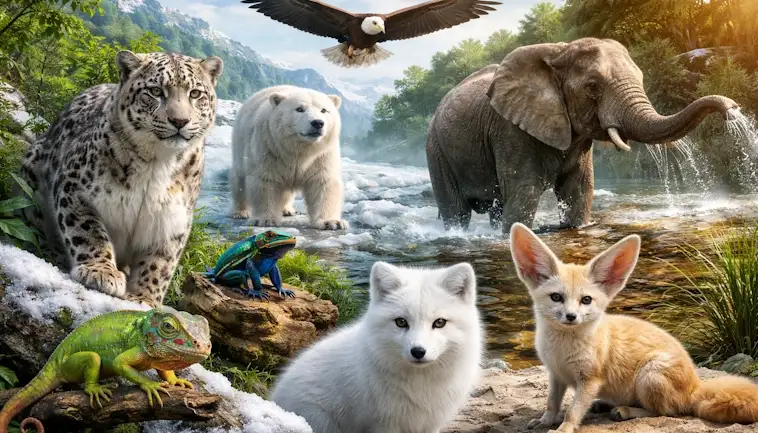
Why Animal Adaptation Matters More Than Ever Today
The world is changing faster than at any point in human memory. Temperatures swing more wildly. Seasons shift. Storms grow stronger. Because of this, animal adaptation has become one of the most important forces shaping life on Earth. And it is happening right in front of us, even if we do not always see it.
Animals have always adjusted to their surroundings. But today, the pace of change is accelerating. Species now face new pressures almost overnight. They must adapt to survive. This is not just a scientific idea. It affects our food, our health, and even the stability of our ecosystems.
A Closer Look at How Wildlife Responds
When an environment shifts, animals respond in surprisingly creative ways. Some change their diets. Others alter migration routes. Some even evolve new physical traits. These adjustments help them stay one step ahead of a world in motion.
Understanding these changes matters for all of us. When animals adapt, they keep ecosystems working. They help control pests, support healthy soils, and maintain stable food chains. When they struggle, the ripple effects reach us too.
As we look to the future, the story of animal adaptation will only grow more important. By paying attention now, we can protect biodiversity and strengthen the natural systems we depend on. And by learning how wildlife adjusts, we gain clues about how we can adapt too.
Surprising Survival Traits That Shape Life on Earth
Life on Earth never stands still. Every species is always adjusting, trying to stay one step ahead of a world that keeps changing. And when you look closely, the natural world is full of unexpected tricks. These survival traits are more than interesting facts. They are powerful clues that show how life endures and thrives.
Animals and plants face constant challenges. Heat waves, predators, shrinking habitats, and shifting seasons all push them to get creative. They adapt in ways we often overlook. Some develop incredible senses. Others form unlikely alliances. And some change their behavior so quickly it almost feels strategic.
As you explore these traits, you start to see how much imagination nature has. You also see how connected we are to these changes. When species adapt well, ecosystems stay strong. And when they struggle, the effects ripple outward to us.
Unexpected Skills Hidden in Plain Sight
Many of the most remarkable abilities are subtle. A frog that freezes solid yet survives winter. Birds that learn new flight paths within a single generation. Even insects that build chemical shields to keep predators away. These traits help shape the balance of life, and they remind us that survival is equal parts ingenuity and resilience.
Understanding these traits matters because the world is moving faster every day. And the more we learn, the more we can protect the systems that support life, including our own.
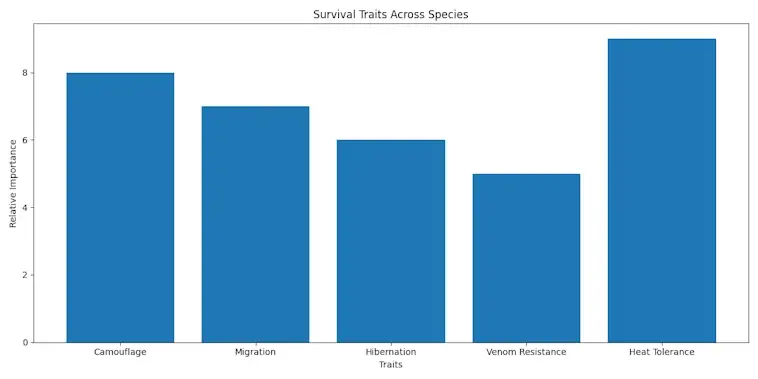
Animal Adaptation Breakthroughs Changing What We Know
Animal adaptation is moving into a new era, and it is reshaping how we understand the natural world. Every year, scientists uncover fresh examples of how animals adjust to rising temperatures, shifting habitats, and new threats. These discoveries feel both surprising and inspiring. They also show us that nature is far more flexible than we once believed.
As you explore animal adaptation you will see how these breakthroughs offer clues about our future. They help us understand how life might change as our planet warms. And they also remind us that adaptation is not just about survival. It is about innovation in the wild.
Researchers are now tracking new forms of behavior that were once thought impossible. They are documenting physical changes that happen faster than expected. And they are seeing animals rewrite their own rulebooks in real time. This growing body of work is giving us a better look at how species respond to pressure. It also gives us hope that nature has more tools than we once imagined.
Here are a few standout examples that show how wide-ranging animal adaptation changes can be:
- Some species are shifting their breeding seasons.
- Others are changing their body size to stay cool.
- Several predators are learning new hunting strategies.
- Certain marine species are moving into cooler waters.
Together, these findings suggest that adaptation is happening on a much broader scale. They also show us that the pace of change is accelerating. As more breakthroughs emerge, our view of the natural world will keep evolving.
This is a moment worth paying attention to. It highlights the resilience built into the living world. And as we learn more about animal adaptation, we gain a clearer sense of how life will navigate an uncertain future.
How Climate Pressures Push Species to Evolve Faster
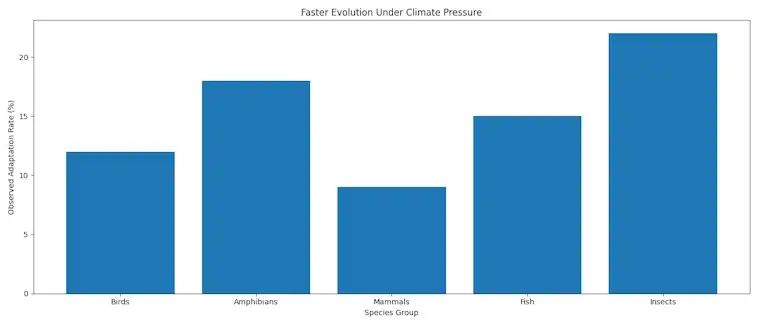
Climate change is doing more than raising temperatures. It is speeding up evolution in ways that scientists once thought were impossible. This shift is happening across land, sea, and sky. And as you look closer, you can see how these changes help species keep up with a world that is moving faster every year.
When the environment shifts quickly, animals must adjust or risk falling behind. That pressure creates new behaviors. It drives genetic changes. And it pushes species to evolve at a pace that feels almost breakneck. This process is not slow or distant. It is happening right now, often in front of us, even if we do not notice it.
Because of this, researchers are tracking a growing number of rapid adaptations. They are watching species change their migration routes. And they see animals shift their diets in a single generation. They also observe entire populations moving to higher ground or cooler waters. These changes give us a clearer picture of just how responsive life can be when pushed to its limits.
This growing urgency also offers something else: insight. When we understand how animals respond under stress, we get a clearer sense of what the future might look like. We learn where ecosystems are heading. And we see which species have the best chance of keeping up with the planet’s fast-moving challenges.
To help bring this story to life, here is a chart showing observed adaptation rates across different groups of species:
What These New Discoveries Mean for Our Planet’s Future
It can feel like the world is shifting faster than we can keep up. Yet the latest research offers something powerful: clarity. These discoveries give us a better sense of where our planet is heading and what we can still change. They also help us understand how everyday choices shape the bigger picture. As you’ll see, the future is not written in stone. We still have room to steer it.
Scientists now say the climate system is responding in new and sometimes surprising ways. Some trends are speeding up. Others are unfolding in places we never expected. This matters because it shows us how connected everything truly is. A shift in one region can ripple across the globe. When we understand those links, we can respond more wisely.
Many of these findings point to a clear message: solutions are still within reach. Renewable energy is becoming more efficient. Cities are adopting cleaner designs. And communities are pushing for stronger environmental policies. Each step, even the small ones, adds momentum. When you think about it that way, the path forward becomes less intimidating and more empowering.
How Animal Adaptation Shapes the Bigger Picture
One of the most eye-opening discoveries involves how wildlife is adapting to rapid change. Animals are shifting habitats, adjusting diets, and even altering migration routes. These changes tell us a lot about the stress our planet is under. They also highlight how fast nature can respond when pushed. Understanding this helps us spot early warning signs and create smarter protections. If you want to explore real-time tracking of these shifts, the Global Biodiversity Information Facility offers open-access data that anyone can browse.
As we look ahead, these discoveries remind us that the future is not just about problems. It is also about possibilities. With better insights, we can make better decisions. And with better decisions, we can build a future that feels healthier, more stable, and far more hopeful.
Conclusion: Why Animal Adaptation Matters More Than Ever
As we look ahead, it is clear that animal adaptation is not just a scientific topic. It is a window into our planet’s future. These shifts in wildlife behavior help us see how the natural world is responding to rapid change. They also show us where pressure is building and where new opportunities for protection may emerge.
When we pay attention to these signals, we gain the insight needed to act with purpose. Small choices add up. Communities, policymakers, and individuals all play a role in shaping what happens next. And with every new discovery, we get a clearer picture of how to support a healthier, more resilient world.
In the end, understanding animal adaptation empowers us. It helps us stay informed, and it helps us stay hopeful. And most importantly, it brings us closer to building a future where both people and wildlife can thrive.