

Protect Ecosystems: Forgotten Choices, Improved World Now
Protect Ecosystems Today: Simple Everyday Choices for a Better World Now
Protect ecosystems and life improves for everyone. It sounds huge and distant, yet it often comes down to small choices that slip by without much thought. What you buy, what you eat, how you travel, even how you care for your home can either support nature or slowly damage it. The tricky part is that many of these choices feel harmless, so they fade into the background of daily life.
However, that “background” is exactly where quiet damage builds up. Habitats shrink. Soil loses its richness. Rivers carry more chemicals than clean water. Air fills with particles you cannot see. None of this happens overnight. It happens through patterns—tiny decisions multiplied by millions of people, year after year.
The good news is that patterns can change. When more people choose products that respect wildlife, cut waste, and reduce pollution, ecosystems start to recover. Species return. Water runs clearer. Cities feel healthier and cooler. These shifts do not require perfection. They need awareness, consistency, and a bit of courage to do things differently.

Forgotten Daily Habits That Quietly Protect Ecosystems
We often think we need big, heroic actions to protect ecosystems. Yet many of the things that matter most are the tiny habits we barely notice. The cup we reuse. Lights we switch off. Food we don’t waste. These “boring” choices add up. And they quietly support the forests, oceans, soil, and wildlife we depend on.
Think about your morning. Do you leave the tap running while brushing your teeth? Turning it off for just those 2 minutes saves litres of treated water every single day. That small act helps protect ecosystems by reducing pressure on rivers, reservoirs, and the energy used to pump and clean water. It does not feel like much. But repeated daily, it really counts.
Small Rituals, Big Impact
Now look at your bin. A lot of what we throw away still has a life. When you recycle paper, glass, and metals, you are lowering demand for new raw materials. That means fewer trees cut, less mining, and less habitat destroyed. You protect ecosystems simply by putting the right thing in the right bin.
Food is another powerful area. Planning meals, eating leftovers, and freezing extra portions all reduce food waste. When less food is wasted, less land, water, and fuel are used for no reason. Farmers do not need to push so hard into wild spaces. This helps protect ecosystems that would otherwise be cleared for crops or livestock.
Even your shopping habits matter. Choosing products with minimal packaging. Buying second-hand. And supporting local brands reduces transport emissions and resource use. Every time you pause and ask, “Do I truly need this?” you send a tiny but clear signal. You are choosing to protect ecosystems instead of feeding endless consumption.
These habits might seem ordinary. However, they are exactly what a healthier future is built on. When millions of us repeat them every day, they reshape demand, policy, and business behaviour. So start where you are. Pick one forgotten habit to revive this week. Then add another next month. Step by step, your daily routine can become a quiet but powerful way to protect ecosystems for the generations who come after us.
The Hidden Cost of Convenience on Nature’s Balance
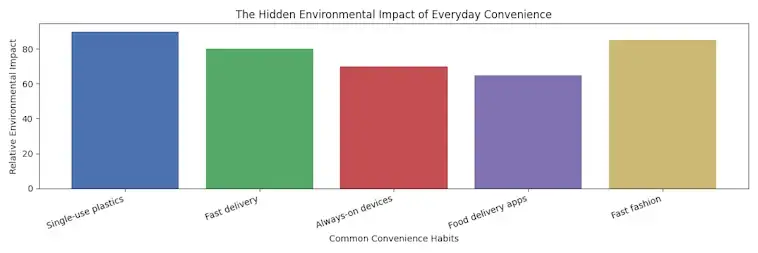
Modern life runs on convenience. One-click orders. Next-day delivery. Takeaways at the tap of a screen. It feels efficient and harmless. Yet every shortcut we take often has a hidden cost on nature’s balance, even when we cannot see it.
Think about single-use plastics. That grab-and-go coffee or takeaway container is used for minutes but can linger in the environment for hundreds of years. It clogs rivers, harms marine life, and breaks down into microplastics that move through the food chain. Our love of convenience can quietly damage ecosystems far from our homes.
Fast delivery is another example. Same-day or next-day shipping usually means extra vans on the road, half-empty vehicles, and more emissions. All of that adds pressure to the climate, which in turn disrupts weather patterns, habitats, and species. What feels like a small personal perk can have a big collective impact on nature’s balance.
Then there are the always-on devices and streaming habits we barely think about. Data centres, servers, and networks all use energy, much of it still from fossil fuels. That endless scrolling and background streaming might seem low impact, yet at scale it adds up to a heavy load on the planet.
The point is not to feel guilty about every choice. Instead, it is to notice where convenience is quietly costing the Earth more than we realise. When we slow down a little, batch orders, choose reusables, or walk instead of drive, we begin to restore nature’s balance one decision at a time.
How Your Buying Choices Can Protect Ecosystems Every Day
Every time you buy something, you cast a tiny vote for the kind of world you want. That might sound dramatic, but it is true. Your daily choices can either harm or protect ecosystems. The good news is that you do not need a science degree or a huge budget. You just need a bit more awareness and a willingness to change a few habits.
Let’s start with something simple: ask where things come from. When you pick up food, clothes, or tech, imagine the journey behind it. Was a forest cleared to make it? Were rivers polluted during production? Or did the brand take steps to protect ecosystems and respect local communities?
Now, this can feel like a lot. So instead, focus on a few key decisions that you make often. These regular choices, made week after week, add up fast. For example, choosing products with trusted eco-labels. Or buying seasonal food from local growers. And picking brands that are transparent about their supply chain.
Here are some practical ways your shopping can help protect ecosystems:
- Choose products with credible sustainability certifications.
- Buy fewer, higher-quality items that last longer.
- Support local farmers, makers, and independent shops.
- Cut down on single-use plastics wherever you can.
- Look for brands that restore nature, not just “offset” damage.
Small switches like these make your impact more positive and more intentional. And as more people shop this way, companies feel pressure to change. They start redesigning products, cleaning up supply chains, and investing in nature. In other words, your money sends a clear message.
Of course, you will not always get it perfect. No one does. However, each better choice moves us in the right direction. Each time you decide to protect ecosystems with your wallet, you help create demand for a healthier, more resilient planet.
So, next time you are about to buy something, pause for a second. Ask yourself: “Does this purchase help protect ecosystems, or harm them?” That one question, asked often, can quietly reshape the world around you.
Turning Waste into Value: Smarter Choices for Nature
What if your bin could tell a different story? Every item you throw away is a missed chance to turn waste into value. With a few simple changes, your everyday habits can support nature instead of straining it.
The idea is straightforward. When you keep products and materials in use for longer, you ease pressure on forests, oceans, and wildlife. Less demand for new stuff means fewer raw materials taken from the planet. It also means less energy used and less pollution.
You do not need a perfect zero-waste lifestyle. Instead, think in terms of small, repeatable actions. For example, repairing something before replacing it. Or choosing a refill instead of another plastic bottle. Over a year, these choices add up.
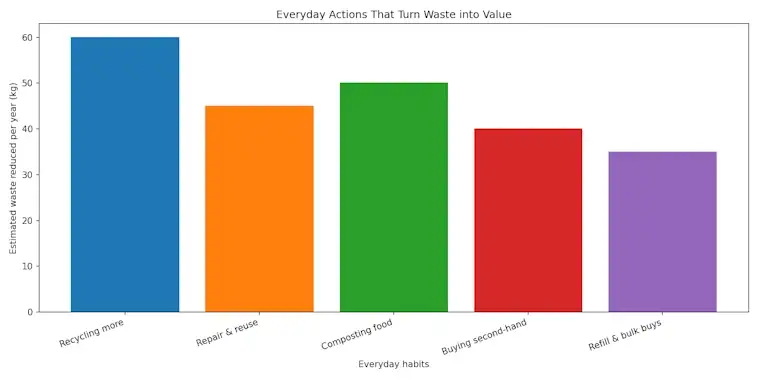
Here are a few high-impact habits that turn waste into value for nature:
- Recycling more of your paper, glass, metals, and plastics.
- Repairing or repurposing products instead of throwing them out.
- Composting food scraps to return nutrients to the soil.
- Buying second-hand instead of always buying new.
- Using refill stations and buying in bulk to cut packaging.
Each of these habits keeps useful materials in circulation and reduces what ends up in landfill. That means fewer emissions, less pollution, and more space for healthy ecosystems to thrive.
Future-Proofing Our Communities for a Healthier Planet
When you think about the future of your community, what comes to mind? Safe streets. Clean air. Green spaces where kids can play. Future-proofing our communities is really about protecting these everyday joys. It is about making sure the place you live stays healthy, resilient, and welcoming in a changing climate.
Right now, many neighbourhoods are already feeling the pressure. Hotter summers. Heavier rain. Poorer air quality. It can feel overwhelming. Yet small, local choices add up. When we act together, we make our streets cooler, our homes safer, and our shared spaces more vibrant. That is what future-proofing is: lots of small, smart decisions pointing in the same direction.
A healthier planet starts on your doorstep. Planting trees on your street helps shade homes and reduce energy bills. Supporting local food markets cuts transport emissions and keeps money in the community. Choosing to walk, cycle, or use public transport when you can reduces traffic and noise. These are simple steps. But over time they reshape how your community feels and functions.
Everyday Actions to Protect Ecosystems
To truly future-proof where we live, we also need to care for the nature around us. Local parks, rivers, and green corridors are not just nice-to-have. They absorb carbon, reduce flooding, cool our cities, and provide homes for birds, insects, and other wildlife. When we protect ecosystems, we are also protecting ourselves.
You can start with very practical actions:
- Join or support a local tree-planting or river-cleanup group.
- Let a corner of your garden grow wild to support bees and butterflies.
- Choose reusable products and cut back on single-use plastics.
- Back community campaigns for more bike lanes, green roofs, and pocket parks.
If you want to dive deeper into practical, science-backed steps for building resilient, nature-friendly communities, the UN Environment Programme offers accessible guides and real-world examples.
In the end, future-proofing our communities for a healthier planet is not about perfection. It is about progress. Every tree planted, every journey taken by bike, every local project you support nudges your neighbourhood in the right direction. When you act, you do not just adapt to the future. You help shape it.
Conclusion: Small Choices That Help Protect Ecosystems Every Day
When you zoom out, it is easy to feel that the problems facing our planet are too big. However, when you zoom in on daily life, you start to see something powerful. The way we travel, shop, eat, and even relax can quietly protect ecosystems or slowly damage them. Those “forgotten choices” you make each day truly add up.
Protecting nature is not just about rare wildlife or faraway rainforests. It is about clean water in your tap. Healthy soil growing your food. Trees cooling your street in a heatwave. When you protect ecosystems, you are also protecting your own quality of life, as well as the health and happiness of future generations.
You do not need to change everything overnight. Instead, think in terms of small, steady steps. Choose products that last. Support local and sustainable businesses. Reduce waste where you can. Speak up for greener spaces and cleaner air in your community. These are simple actions. Yet together they create powerful momentum.
So, take a moment and ask yourself one question: What is one small change I can make today to better protect ecosystems around me?
Start there. Then build on it. Because every mindful decision becomes a quiet vote for the kind of world you want to live in. And when enough of us make that choice, we do more than react to the future. We help shape a healthier, fairer, more balanced planet for everyone.