
Sensational Dune Collapse Could Destroy Our Fragile Coasts
Dune Collapse Is Accelerating—And Our Coastal Communities May Pay the Price
Dune collapse is becoming harder to ignore as storms grow stronger and coastlines shift faster than expected. Communities that once felt safe are now watching protective sand barriers thin out year by year. As dunes weaken, the land behind them faces greater risks from flooding, erosion, and saltwater intrusion. The changes feel sudden, but the warning signs have been building for a long time.
Coastal scientists and local residents are seeing the same pattern: taller waves, harsher winds, and rising seas are reshaping the edges of our continents. These forces are putting pressure on dune systems that were never meant to handle such extremes. As the shore breaks down, homes, habitats, and vital infrastructure lose their natural shield.
There is still room for optimism. By paying attention to how these landscapes shift and by acting early, communities can strengthen their defenses. Small choices made today can help preserve beaches, protect wildlife, and keep coastal towns standing strong for future generations.
Dune Collapse: Why Our Coastlines Are More Vulnerable Than Ever
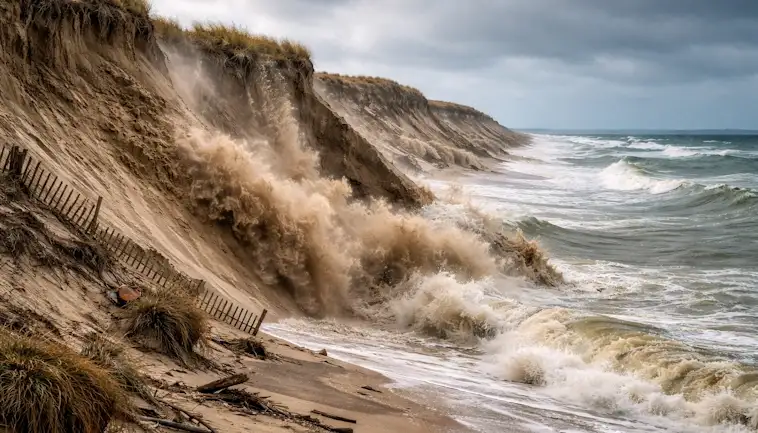
Our coastlines are changing faster than many people realize. And one of the biggest warning signs is something most beach-goers rarely think about: dune collapse. These sandy ridges may look simple, but they do a huge amount of work. They block storm surges. Hold back rising seas. And they protect homes, roads, and entire communities. Yet today, they are eroding at a pace that should concern all of us.
The truth is, dunes are no longer rebuilding the way they used to. Stronger storms, higher tides, and human development are all putting pressure on these natural barriers. As a result, dune collapse is becoming more common. And when a dune falls apart, the coastline behind it becomes exposed. That means flooding spreads farther. Damage costs go up. Recovery takes longer.
What Happens When a Dune Fails?
When a dune collapses, the sand gets pulled inland or washed away entirely. This leaves a gap. Water then pushes through more easily during storms. In many coastal towns, that gap becomes a permanent weak point. Over time, the shoreline retreats, and communities are forced to make tough choices. Some invest in rebuilding dunes. Others elevate buildings. A few must consider moving people altogether.
The good news is that dunes can recover if we help them. Planting native grasses, limiting foot traffic, and rebuilding damaged sections all make a difference. And as more people become aware of dune collapse, coastal protection efforts are gaining momentum.
Still, the future brings big questions. Will stronger storms outpace our efforts? Can we design smarter coastal plans that work with nature instead of against it? While we can’t control every force shaping our coastlines, we can choose how we respond.
If there is one takeaway here, it’s this: dunes aren’t just scenery. They’re shields. And keeping them strong may be one of the most important steps we can take to protect the places we love.
How Shifting Sands Shape the Future of Coastal Communities
Coastal communities have always lived with change. Yet today, the pace of that change feels faster. Shorelines are moving. Beaches are shrinking. And storms are carving away land that once felt permanent. As a result, many people are beginning to wonder what the future holds for the places they love.
This shift is not just about nature. It’s also about how we adapt. Rising seas and stronger storms are reshaping local economies, housing, and even long-standing traditions. And while the challenges are real, there is also room for hope. Many communities are already testing new ideas, exploring smarter planning, and finding ways to live alongside the changing coastline.
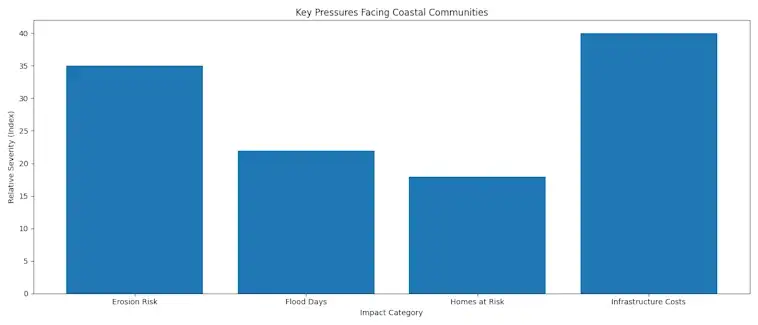
As you look ahead, it helps to understand what forces are at play. Learning where the greatest pressures fall makes it easier to prepare, protect, and plan. The chart below highlights the types of stress coastal communities are facing right now, giving you a sense of what may drive change in the years ahead.
Dune Collapse and the Hidden Forces Driving It
Dunes look steady from a distance. Yet up close, they can shift fast. This sudden change is known as dune collapse, and it is happening more often than many people realize. As coastlines warm and storms grow stronger, these sandy hills face pressures they were never built to withstand.
You can think of a dune as a living structure. It grows, shrinks, and it moves with the wind. When a dune collapses, it is usually because several hidden forces line up at once. And while the shift can seem quick, it often starts long before the sand begins to fall.
These quiet pressures add up over time. Then, one day, the dune gives way. Understanding these forces helps us see what is at stake and how we might respond.
Here are some of the most common drivers behind dune collapse:
- Stronger storms hitting the coast more often
- Rising seas pushing higher into dune bases
- Human development that removes or weakens natural buffers
- Wind patterns shifting as the climate warms
- Vegetation loss that leaves sand exposed and unstable
These threats are easy to overlook in daily life. Still, the long-term risks are real. Once a dune collapses, nearby homes, roads, and wetlands lose a key layer of protection. Even small collapses can reshape beaches and shift flood zones.
Looking ahead, we can still change the story. Better planning, smarter development, and stronger conservation efforts can slow dune collapse. They can also help coastal communities adapt to the rapid changes already underway.
As conditions evolve, the question is not whether dunes will change, but how we choose to shape that change. With the right choices, we can protect both our coastlines and the people who depend on them.
What Rising Seas Mean for the Stability of Our Shores
Rising seas are no longer a distant worry. They are happening now, reshaping coastlines in ways that many communities can already feel. As water levels climb, even small changes start to matter. They shift how beaches behave, how storms hit, and how homes near the coast hold up. It becomes clearer each year that our shores are more fragile than they once seemed.
Today, many coastlines are losing sand faster than they gain it. This puts more homes and roads at risk. And as sea levels continue to rise, the pressure on these places will only grow. That means more erosion, more flooding, and more costly damage after storms. Even areas that rarely saw water in the past are now experiencing higher tides that creep farther inland.
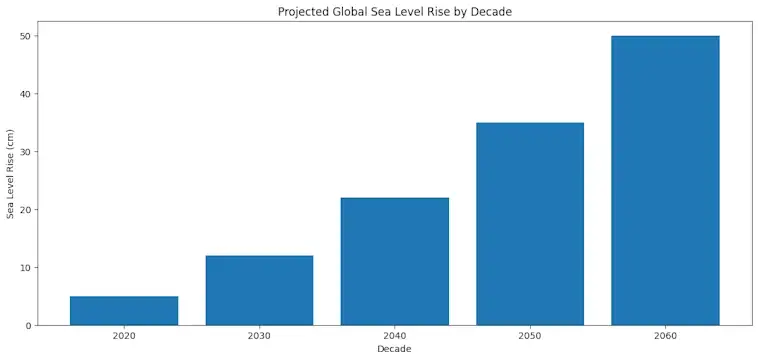
Looking ahead, the trend is hard to ignore. Each decade shows a new jump in sea levels. These increases may look small on a chart, but on the ground they can push entire neighborhoods into a new category of risk. The good news is that understanding these patterns gives us a chance to prepare. When we see the bigger picture, we can make better decisions about where and how we build, protect, and adapt.
The chart below illustrates how sea levels are projected to rise over the coming decades. It gives you a quick, clear view of why our shores are changing so quickly. And it helps show why planning ahead has never been more important.
Simple Steps We Can Take Now to Protect Fragile Beach Ecosystems
Our beaches look strong at first glance. Waves roll in. Birds fly overhead. People move in and out with the tides. Yet these places are more fragile than they seem. And as climate pressures rise, small choices we make today can shape their future. The good news is that simple, practical steps can slow the damage. Even better, these steps are easy for anyone to start right now.
Understanding the Risk of Dune Collapse
Beach dunes act like natural shields. They hold sand in place during storms. And they protect homes and wildlife from rising seas. But when we walk or drive over them, they weaken. Over time, this can trigger dune collapse. It sounds dramatic, but it often starts with everyday habits that are easy to change.
So, staying on marked paths helps more than you might think. It lets dune grasses keep growing. These grasses anchor sand and help dunes rebuild after harsh weather.
What We Can Do Today
Small actions can add up fast. Here are a few that make a real difference.
Choose established walkways. These paths are designed to protect sensitive areas. When we follow them, dunes stay stable and wildlife stays safe.
Leave shells and driftwood where they are. They help trap sand and create natural barriers. Removing them speeds up erosion.
Pick up litter, even if it’s not yours. Plastic breaks down into microplastics that harm marine life. One bottle or wrapper might not seem like much, but each removed item protects the larger ecosystem.
Keep a respectful distance from wildlife. Birds, turtles, and crabs need quiet spaces to rest and nest. Giving them space improves their chances of survival.
If you want to go deeper on the science behind beach protection, the National Ocean Service offers clear, helpful guides.
Conclusion: Why Dune Collapse Demands Our Attention Now
Dune collapse is no longer a distant worry. It is happening along our coastlines today, and the risks are growing. As seas rise and storms intensify, these natural barriers face pressures they were never built to withstand. Yet there is still time to act. When communities invest in restoration, rethink coastal development, and support smarter climate policies, they give these fragile systems a fighting chance.
Understanding dune collapse is the first step. The next step is choosing to protect the places we love before the damage becomes irreversible. With the right mix of awareness and action, we can help our coasts stay resilient for the future.