

Meadow Loss: A Growing Challenge That Could Destroy Nature
Meadow Loss: Why the Disappearance of Meadows Is Becoming a Serious Threat to Nature
Meadow loss is quietly reshaping the natural world, and its effects are already unfolding across landscapes that once thrived with life. Meadows support wildflowers, insects, birds, and grazing animals, yet these vital spaces are shrinking year by year. As farming intensifies, towns expand, and land use shifts, nature is being pushed to the margins. This change may seem subtle at first, but the damage builds quickly and often goes unnoticed until it is too late.
At the same time, the disappearance of meadows weakens ecosystems that people rely on every day. Meadows store carbon, reduce flooding, and help keep soil healthy. When they vanish, biodiversity drops and climate risks rise. Pollinators lose feeding grounds, birds lose nesting areas, and plants that took centuries to adapt simply fade away. As a result, the balance between land, wildlife, and people becomes harder to maintain.
Looking ahead, the challenge is growing more urgent. Climate change adds pressure through droughts, heat, and unpredictable weather. However, awareness is also increasing. New conservation methods, better land planning, and renewed interest in restoring natural spaces offer hope. Understanding why meadow loss matters is an important step toward protecting what remains and rebuilding what has already been lost.
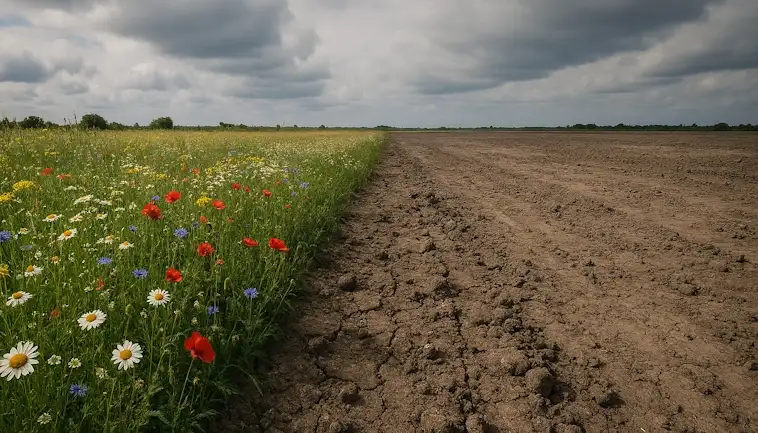
Meadow Loss Is Accelerating and Nature Is Struggling to Keep Up
Meadows once stretched wide across the landscape. They were full of wildflowers, insects, and birds. Today, many of them are quietly disappearing. Meadow loss is speeding up, and nature is finding it hard to adapt.
This change is not always easy to see. Meadows often vanish field by field. A road goes in. Housing expands. Farming becomes more intense. Over time, these small changes add up. As a result, meadow loss is now a growing environmental concern.
Meadows play a bigger role than most people realize. They store carbon in their soils. Help manage floodwater. And they also support pollinators that our food systems depend on. When meadow loss increases, all of these benefits begin to fade.
At the same time, wildlife struggles to keep pace. Plants that took decades to establish cannot simply move elsewhere. Insects lose their food sources. Birds lose nesting areas. Nature needs time to recover, but meadow loss is happening faster than recovery allows.
Why This Matters More Than You Think
This is not just a nature story. It is also a human one. Healthy meadows help keep air cleaner and water safer. They cool local temperatures during heatwaves. And they even support mental well-being by offering open, calming spaces.
However, meadow loss reduces these everyday benefits. As natural buffers disappear, communities become more exposed to flooding, extreme heat, and declining biodiversity. Over time, the cost of replacing what nature once provided for free continues to rise.
Looking ahead, there is still reason for hope. Awareness of meadow loss is growing. Restoration projects are expanding. Farmers, planners, and local groups are finding new ways to protect and rebuild these vital spaces. With the right choices, meadows can recover. But action needs to happen now, while there is still time for nature to catch up.
Why Meadows Matter More Than Ever for Wildlife and Climate Balance
It’s easy to overlook meadows. They often sit quietly at the edge of towns or stretch across open countryside without much fanfare. Yet these bright, breezy spaces are doing far more heavy lifting than most people realise. And today, as our climate shifts and wildlife fights to hold on, meadows have never mattered more.
Meadows support an incredible mix of life. They offer shelter, food, and safe breeding grounds for everything from bees to birds. When you walk through one, you are stepping into a living network that keeps local ecosystems stable. This matters, because without these small but mighty habitats, many species would struggle to survive.
At the same time, meadows play a surprising role in climate balance. They store carbon in their deep root systems. And they help cool surrounding areas. They even hold water during heavy rains, easing pressure on local flood zones. As weather becomes more unpredictable, these natural buffers become essential.
And here is the encouraging part. Meadows can bounce back quickly when protected or restored. New wildflowers grow. Pollinators return. Birds follow. Every patch, no matter how small, adds resilience to the landscape. So when we choose to value meadows, we are choosing a healthier, more stable future.
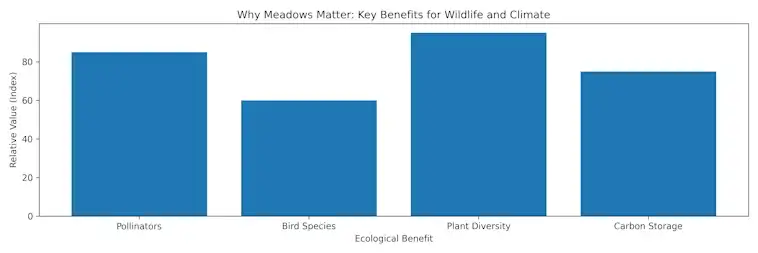
Below is a simple chart that highlights a few of the key benefits meadows offer. It shows why these vibrant spaces deserve more attention—and more care.
Meadow Loss Threatens Biodiversity, Food Chains, and Local Ecosystems
Meadows may look simple, but they are anything but. These open landscapes support a wide range of life. From insects to birds to small mammals, many species depend on them every day. Yet meadow loss is accelerating, often quietly, and the impacts are adding up fast.
As development expands and farming becomes more intensive, natural meadows are disappearing. In many regions, they are plowed, paved, or left unmanaged. Over time, this changes how local ecosystems work. It also reduces nature’s ability to recover from stress.
Meadow loss matters because meadows act as living networks. Plants feed insects. Insects feed birds. Birds spread seeds. When one part breaks, the rest feels it. This is how food chains weaken, even when the damage is not obvious at first.
Here is how meadow loss affects nature at multiple levels:
- Native plants decline, leaving fewer food sources for insects
- Pollinators lose habitat, which affects crops and wild plants
- Birds and small animals struggle to find shelter and nesting space
- Soil health worsens, increasing erosion and flooding risks
Over time, these changes reshape entire landscapes. Local ecosystems become less diverse and more fragile. They also become less able to handle droughts, heat, and extreme weather. This creates a cycle that is hard to reverse.
The good news is that awareness is growing. Communities are restoring meadows near towns, roads, and farms. Landowners are also learning that healthy meadows support both nature and people. Looking ahead, protecting what remains and rebuilding what was lost can make ecosystems stronger and more resilient.
In short, meadow loss is not just about losing open space. It is about losing balance. By understanding what is at stake, we can make better choices for the land, our food systems, and the future of local ecosystems.
How Farming, Development, and Climate Change Are Shrinking Meadows
Meadows used to stretch across huge parts of the landscape. Today, many of them are disappearing faster than most people realize. And the reasons are more connected to our daily lives than you might think.
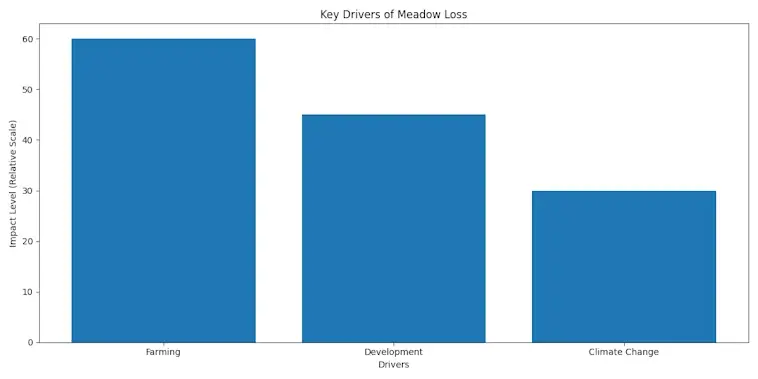
For starters, modern farming has changed how land is used. Fields are managed more intensely, leaving less room for natural grasslands to thrive. At the same time, new homes, roads, and industrial sites are taking over open space. This steady spread of development often happens quietly, but it adds up over time.
Then there’s climate change. Wetter winters and hotter summers are shifting the delicate balance that meadow plants depend on. As temperatures swing more wildly, some species simply cannot keep up. Over time, entire ecosystems begin to thin out.
All of these forces work together. And as they do, meadows become smaller, patchier, and more stressed. That matters because meadows support pollinators, store carbon, and offer space where wildlife can breathe.
Still, the future is not written. With better planning and more sustainable land use, many of these green spaces can recover. And with growing awareness, communities are already starting to protect the meadows that remain. Understanding what’s driving the loss is the first step toward bringing them back.
Protecting Meadows Now Could Help Restore Nature for Future Generations
When you walk through a meadow, it’s easy to forget how fragile these open, breathing landscapes really are. They look timeless. Yet many are shrinking fast. This quiet decline threatens wildlife, water quality, and even our sense of place. That’s why acting now matters. Small choices today can help rebuild the natural world our children and grandchildren will inherit.
Meadows do more than look beautiful. They feed pollinators, store carbon, and hold soil in place. And they offer us space to slow down. When they disappear, we lose all of that. The good news is that restoration is possible. And it starts with awareness.
Why Meadow Loss Matters More Than We Think
Meadow loss often happens out of sight. Development moves in. Invasive plants spread. Climate shifts change the rhythm of the land. Over time, these scattered impacts add up. As meadows fade, so do the ecosystems tied to them. Birds lose nesting grounds. Bees lose food. Streams become less healthy.
But there is a hopeful path forward. Protecting the meadows we still have helps nature rebound faster than many people expect. Restoring degraded meadows can bring life back to a landscape within a few seasons. And community projects can build pride, connection, and long-term stewardship.
If you want a simple place to start, explore how meadow conservation supports wider biodiversity through trusted sources such as the Wildlife Trusts.
By learning more and sharing what you discover, you’re already helping. Meadows may be under pressure, but they are not lost. With care, commitment, and a little imagination, we can protect these living spaces and restore a healthier, more resilient natural world for those who come next.
Why Meadow Loss Demands Our Attention Now
Meadow loss is no longer a distant worry. It is a clear and growing challenge that touches everything from water quality to local wildlife. As these open landscapes shrink, we lose more than pretty scenery. We lose vital ecosystems that support pollinators, stabilize soil, and keep our natural world in balance.
Looking ahead, we still have time to change course. Communities are beginning to restore native grasses. Farmers are testing smarter land-use practices. Even small backyard projects can help rebuild what has been damaged. When many people take small steps, they add up to real change.
If we want healthier landscapes, we need to act while there is still something left to save. By noticing the early warning signs of meadow loss and choosing to protect these areas now, we open the door to a greener and more resilient future.