

Nesting Sites: The Great Role They Play in Survival
Nesting Sites: Why These Hidden Spaces Play a Big Role in Wildlife Survival
Life in the wild depends on safe places to raise the next generation. Nesting sites are one of the most important of those places. They offer shelter from predators, protection from harsh weather, and a stable space for eggs and young to grow. Without reliable nesting sites, many species would struggle to survive, no matter how abundant food or water may seem.
These locations shape the rhythm of nature. Birds return to the same trees each year. Sea turtles rely on familiar beaches. Small mammals depend on hidden ground cover. In each case, the right nesting site increases the chance that offspring will live long enough to thrive. As a result, healthy populations are closely linked to the availability and quality of these spaces.
Today, nesting sites face growing pressure. Urban growth, land clearing, and climate change are altering landscapes at a rapid pace. At the same time, conservation efforts are showing that protecting and restoring nesting areas can make a real difference. When habitats are preserved, species rebound. And when they disappear, losses follow quickly.
Understanding the role of nesting sites helps explain why habitat protection matters so much. It also highlights how small changes in land use can have lasting effects on wildlife survival. Looking ahead, safeguarding these critical spaces may be one of the most effective ways to support biodiversity in a changing world.
Why Nesting Sites Matter More Than Ever for Wildlife Survival
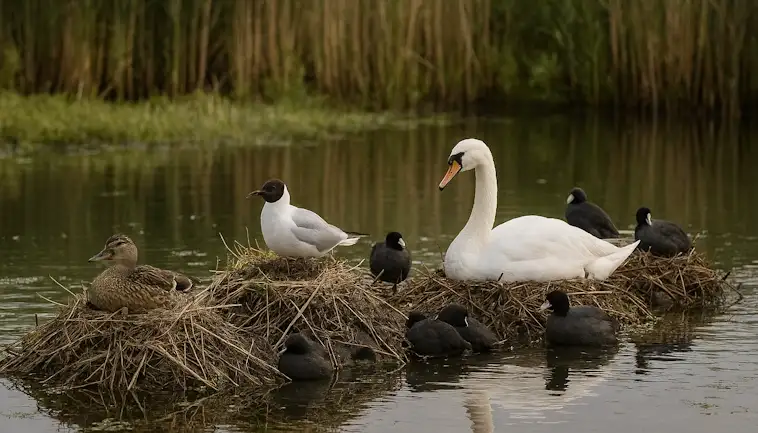
When we talk about protecting wildlife, we often focus on big issues like climate change or habitat loss. But there is a quieter story unfolding around us. It is the struggle to find safe and reliable nesting sites. These are the places where animals raise their young, shelter from danger, and keep their species going. And today, these places are disappearing faster than many people realise.
Nesting sites may seem small in the grand scheme of things. Yet they are a lifeline. When they vanish, entire populations can collapse. That is why it matters to understand what is happening and how we can help. As weather grows more extreme and landscapes change, the pressure on wildlife increases. Species that once thrived now fight for even the most basic spaces to breed.
A Hidden Crisis in Our Backyards
You might not see this crisis at first glance. Birds still sing. Insects still hum. But behind the familiar sounds is a growing competition for fewer nesting opportunities. Old trees are removed. Grasslands shrink. Rivers shift. And with every change, animals lose the safe corners they once relied on.
This is not just happening in far-off places. It is happening in suburbs, parks, and farmland. Animals that once built nests with ease now search longer, travel farther, and take greater risks. Some skip breeding seasons altogether. Others abandon eggs or young because the stress is simply too high.
As a result, supporting nesting sites is becoming one of the simplest and most effective ways people can help. Small steps make a difference. For example, leaving fallen logs, planting native shrubs, and keeping old trees standing when possible. Even adding wildlife-friendly features to gardens can provide shelter where natural options no longer exist.
Looking ahead, protecting nesting sites will be essential for wildlife survival. As environments continue to change, species will need stable places to raise the next generation. And the good news is that we can play a role. By paying attention, making space, and thinking long term, we can create pockets of safety that help wildlife push forward.
Nesting sites are more than habitats. They are hope. And right now, that hope is something we cannot afford to lose.
How Changing Landscapes Shape the Future of Animal Habitats
As our landscapes change, so does the world that animals depend on. You might notice forests thinning, coastlines shifting, or cities expanding outward. Each shift tells a story about how wildlife is adapting—or struggling—to survive. And as we move toward the future, these changes will shape every ecosystem we rely on.
Landscape change happens in many ways. Sometimes it is fast, like when a wildfire clears a forest. Other times it is slow, like rising seas eating away at a shoreline. Yet the impact is the same: animals lose the places they call home.
This is especially important today because our decisions now will shape tomorrow’s habitats. When forests turn into farmland or wetlands are drained for development, animals are forced to move, compete, or disappear. And while this can feel overwhelming, it also means we have real power to influence what happens next.
The choices communities and governments make will either restore habitats or reduce them even further. By understanding the types of landscape changes happening today, we get a clearer picture of what the future may hold. And—more importantly—we gain insight into how to protect the incredible diversity of species that share the planet with us.
The chart below shows some of the leading landscape changes and how deeply they affect animal habitats. It is a simple snapshot, but it helps us see where the biggest pressures are coming from and where action is needed most.

Nesting Sites and the Hidden Strategies Animals Use to Thrive
When you pause and look closely at nature, you start to notice how much effort animals put into choosing the right place to call home. These nesting sites are more than simple shelters. They are strategic hubs that shape survival, growth, and even the future of entire species. And while they may seem ordinary at first glance, the secret decisions animals make about where and how to nest reveal a world of clever planning.
Many animals, from tiny insects to large birds, depend on very specific nesting sites. They need places that offer safety, warmth, and access to food. And they also look for areas that protect their young from predators and harsh weather. As a result, every nesting choice becomes part of a hidden survival strategy. When we understand these choices, we see wildlife in a whole new way.
In fact, nesting sites can tell us a lot about how ecosystems are changing and how animals adapt. They shift their habits as landscapes evolve, and this can help us make smarter conservation decisions. Once you see how much is going on behind the scenes, it becomes hard not to admire the quiet brilliance of wildlife.
Here are some of the fascinating strategies animals use when selecting nesting sites:
- Seek sheltered areas that block wind and extreme temperatures.
- Choose locations close to reliable food sources.
- Use natural camouflage to hide nests from predators.
- Build nests high above ground or deep below it to increase safety.
- Reuse or modify old nests to save energy and reduce risk.
- Select nesting sites that stay dry after heavy rain.
- Spread out nests to avoid attracting attention.
- Time nesting activities to match seasonal food abundance.
As you can see, nesting sites are far more than places to sleep. They are the center of an animal’s survival plan. And as our world continues to change, these quiet strategies remind us how adaptable—and vulnerable—wildlife can be. Understanding them is a simple but powerful way to stay connected to the natural world.
What Climate Pressures Mean for Tomorrow’s Breeding Grounds
Climate change is reshaping the natural world faster than many species can adapt. As temperatures rise and weather patterns shift, the places where animals breed, nest, and raise their young are changing too. This trend is not only worrying; it is also a sign of how much our ecosystems are being pushed.
Today, we are seeing wetlands dry out, coastlines shrink, and forests warm up. These changes are happening at different speeds, but they all lead to the same outcome. Wildlife must either adapt, move, or lose the spaces they depend on. And because breeding grounds are often the most vulnerable parts of a habitat, they tend to feel the pressure first.
However, understanding these shifts helps us prepare for what comes next. When we know which areas face the most stress, we can support the ecosystems that need the most help. We can also look for early signals that tell us where species may move or how their behaviors might change. These insights guide better conservation decisions and help communities stay one step ahead.
The chart below highlights how different habitats are experiencing climate pressure today. It gives a quick look at where the biggest changes are happening and where the most urgent risks may lie. As you explore it, consider how each habitat supports life in ways we often overlook. Small changes in these environments can ripple across food chains, watersheds, and even local economies.
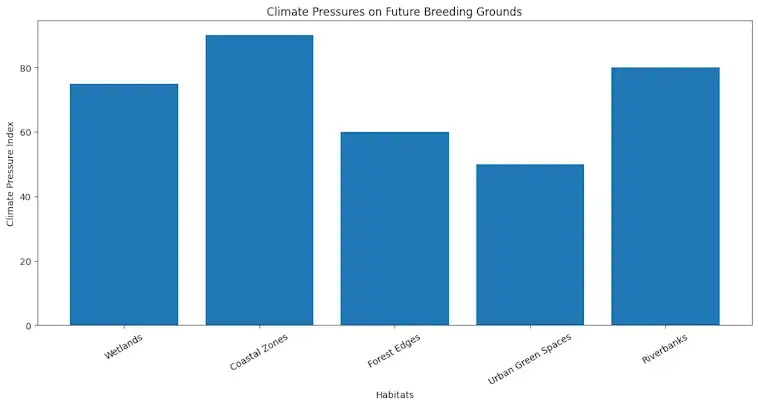
Tomorrow’s breeding grounds will not look like yesterday’s. But by paying attention now, we can shape a future where wildlife still has room to thrive, even in a changing climate.
How We Can Protect Vital Habitats Before It’s Too Late
It’s easy to forget how much our lives depend on healthy ecosystems. Yet many vital habitats are shrinking fast. Forests, wetlands, and coastal zones are under pressure from development, pollution, and climate change. As these places disappear, the species that rely on them struggle to survive. And, in turn, we lose the natural systems that support our own wellbeing.
Still, there is real hope. When communities act early, habitats can rebound. Local species return. Water and air quality improve. And people begin to see the value of protecting the living systems around them. So, let’s walk through how we can move from concern to action.
Protecting Nesting Sites Starts With Small Choices
Nesting sites may seem like a small part of a larger ecosystem, but they carry huge importance. Birds, turtles, and many insects depend on them to raise their young. When these safe spaces vanish, whole populations collapse. That is why simple steps can make a difference.
You can start at home. Leave patches of your garden wild. Reduce pesticide use. Support local conservation groups who restore damaged landscapes. These small actions build momentum. And when many people do them, the impact becomes powerful.
Community-level efforts matter too. Towns can protect green corridors. Schools can plant native species. And policymakers can defend wetlands before they are replaced by concrete. These combined efforts give animals room to thrive again.
If you want a deeper look at practical ways to safeguard these spaces, this resource from the Royal Society for the Protection of Birds is a strong place to begin.
As we look ahead, the window for action is narrowing. But it is not closed. With steady attention and early intervention, we can protect the habitats that keep our planet balanced. The choices we make today will shape the natural world our children inherit.
The Growing Importance of Nesting Sites
In the end, nesting sites are not just quiet corners of nature. They are the foundation of survival. Without safe nesting sites, many species struggle to reproduce, raise young, and maintain healthy populations. Simply put, when nesting sites disappear, life becomes harder for wildlife.
However, there is reason for hope. As awareness grows, more people are seeing how vital nesting sites really are. From protected wetlands to urban gardens and restored forests, small actions can create safe spaces where animals can thrive. These efforts matter today, and they will matter even more in the future as habitats continue to change.
Looking ahead, protecting nesting sites is one of the simplest and most effective ways to support biodiversity. It connects conservation with everyday choices. And it reminds us that survival often depends on places we barely notice. By valuing and preserving nesting sites now, we help ensure that wildlife has a fighting chance for generations to come.