

Tempest Trends: The Hidden Forces Shaping Our Weather
Tempest Trends: The Hidden Forces Shaping Weather Patterns Today and Tomorrow
Weather feels more unpredictable than ever. Heat waves linger. Storms grow stronger. Rain falls where it once did not. These shifts are not random. They are shaped by deeper patterns that often go unnoticed. Tempest trends help explain why today’s weather looks and feels so different from the past, and why change is accelerating.
Behind every sudden downpour or prolonged drought are forces working quietly in the background. Warming oceans, altered wind paths, and rising energy in the atmosphere all play a role. At the same time, human activity continues to tilt the balance. As a result, familiar seasons are losing their old rhythms, and extremes are becoming part of daily life.
Understanding these hidden drivers matters more than ever. It helps explain what is happening now and what may come next. More importantly, it turns confusing weather headlines into a clearer story about risk, resilience, and the future taking shape outside our windows.
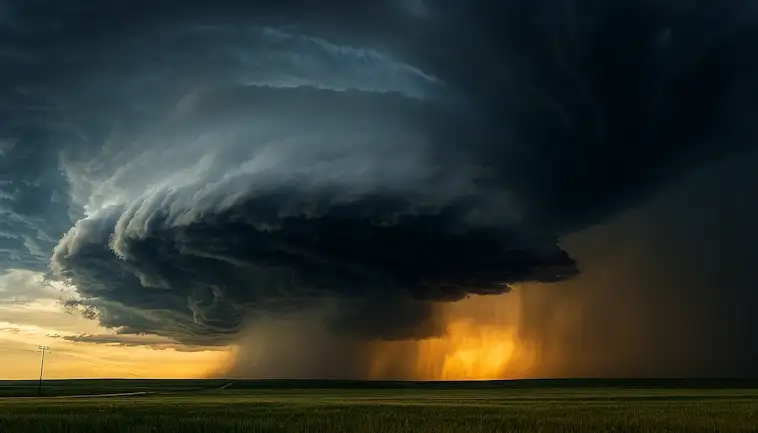
Tempest Trends: Why Today’s Weather Is Becoming More Extreme
If it feels like the weather is acting differently, you are not imagining it. Storms feel stronger. Heat lasts longer. Rain arrives fast and hard. These shifts are part of what many scientists now call tempest trends.
In simple terms, the patterns we once relied on are changing. Seasons are less predictable. Records are broken more often. And everyday weather now comes with higher stakes. This matters because weather shapes our routines, our safety, and our costs.
So, what is driving these tempest trends? And why do they seem to be speeding up?
First, warmer air holds more moisture. That means heavier downpours when storms hit. At the same time, warmer oceans feed storms with extra energy. As a result, hurricanes and cyclones can grow stronger, faster, and closer to shore.
Next, heatwaves are lasting longer. They arrive earlier in the year and linger later into fall. This stresses power grids, crops, and our health. Meanwhile, dry areas are getting drier. Wet areas are seeing more intense rain. The middle ground is shrinking.
A Small Change With Big Effects
Even small shifts in average temperature can have large effects. A single degree may not feel like much. Yet it can tip the balance. Snow turns to rain. Mild days turn into heat alerts. Calm seasons turn volatile.
These changes also stack on each other. For example, dry soil can worsen heat. Hotter air can pull more water from the ground. Then, when rain finally falls, it runs off instead of soaking in. Floods follow.
This is why tempest trends are not just about big storms on the news. They show up in daily life. Insurance costs rise. Travel plans change. Food prices fluctuate. Over time, the impacts spread quietly.
Looking ahead, the trend points to more extremes, not fewer. However, awareness is growing. Better forecasting, smarter planning, and local action can reduce risk. Understanding tempest trends is the first step.
In the end, weather is no longer just background noise. It is a signal. And it is telling us that change is already here.
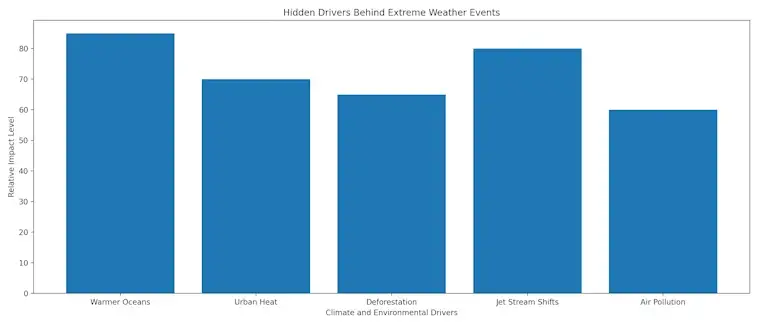
The Hidden Drivers Behind Sudden Storms, Heatwaves, and Floods
Extreme weather can feel random. One week brings calm skies. The next brings chaos. Yet these events are not accidents. They are the result of quiet forces building over time.
First, oceans are getting warmer. This extra heat fuels stronger storms and heavier rain. At the same time, cities trap heat. Concrete and asphalt raise local temperatures and make heatwaves last longer.
Then there is deforestation. When trees disappear, the land loses its natural cooling and water control. Flooding becomes more likely. Droughts become harsher.
High above us, the jet stream is also changing. It now moves more slowly and unevenly. As a result, weather systems stall. This leads to long heatwaves or days of nonstop rain.
Finally, air pollution plays a role. Tiny particles in the air can change how clouds form. That can intensify rainfall or disrupt normal weather patterns.
These hidden drivers are connected. Together, they explain why extreme weather is becoming more common. Understanding them helps us prepare. It also shows why smarter choices today matter for tomorrow.
This chart highlights the relative impact of key forces shaping today’s storms, heatwaves, and floods.
Tempest Trends and the Quiet Forces Shaping Tomorrow’s Forecasts
Tempest trends are no longer just a topic for scientists. They are becoming part of everyday life. You see them in stronger storms, shifting seasons, and forecasts that change faster than expected.
At first glance, today’s weather may seem chaotic. However, there are quiet forces at work beneath the surface. These forces shape tomorrow’s forecasts in ways that are subtle but powerful.
So, what is really driving these tempest trends?
The answer lies in a mix of technology, climate signals, and human activity. Together, they are rewriting how we understand weather and risk. More importantly, they are changing how we prepare for what comes next.
Here are some of the key factors shaping modern tempest trends:
- Warmer oceans that feed storms with more energy and moisture
- Rising air temperatures that increase rainfall intensity
- Advanced satellites that detect storms earlier than ever
- Artificial intelligence improving forecast accuracy and speed
- Urban growth altering wind flow and local weather patterns
- Long-term climate shifts changing storm paths and timing
At the same time, forecasts are becoming more personal. Weather models now focus on neighborhoods, not just regions. This helps families, businesses, and cities make faster decisions.
Looking ahead, tempest trends will likely become more complex. Yet, there is good news. Better data means better warnings. It also means more time to act.
In short, tomorrow’s forecasts will not just predict the weather. They will help shape safer and smarter choices. And as we learn to read these tempest trends, we gain a clearer view of the future taking shape around us.
How Oceans, Atmospheres, and Human Activity Interact
The ocean and the atmosphere are in constant conversation. Heat, moisture, and gases move between them every day. This exchange shapes our weather and sets the pace for the climate.
Oceans absorb most of the extra heat trapped by greenhouse gases. This helps slow warming on land. But it also warms the seas. Warmer oceans release more moisture into the air, which can fuel stronger storms and heavier rainfall.
Human activity changes this balance. Burning fossil fuels adds carbon to the air. Some of it ends up in the ocean. This warms the water and alters marine life. Deforestation adds to the problem by removing natural carbon sinks.
At the same time, pollution flows from land to sea. Plastics and chemicals disrupt ocean systems that help regulate climate. Each action connects to the next. Small changes add up.
Understanding these links matters. When we reduce emissions and protect oceans, we support a more stable climate. The systems are connected, and so are the solutions.
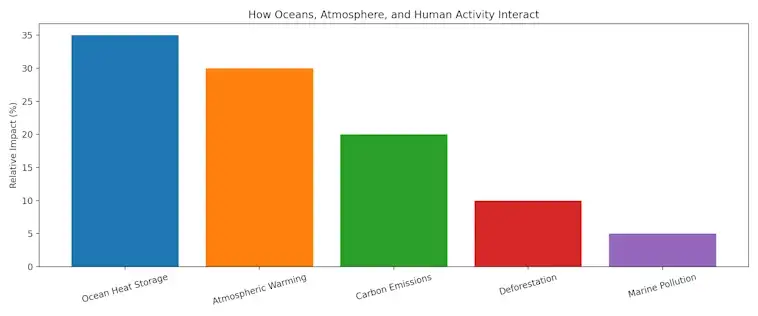
As you can see, oceans play a massive role behind the scenes. Human activity, while smaller in scale, has an outsized impact. Understanding this connection is a key step toward a more stable climate future.
What These Shifting Weather Patterns Mean for Everyday Life
Weather no longer feels as predictable as it once did. Seasons are changing. Storms arrive faster. Heat lasts longer. For many people, this shift shows up in small, daily moments before it becomes a big headline.
For example, grocery bills rise after floods damage crops. Energy costs climb during longer heatwaves. School schedules change due to extreme cold or smoke-filled air. Even planning a weekend outdoors now comes with more uncertainty.
At the same time, these changes affect health. Hotter days can make sleep harder. Sudden cold snaps strain older homes. Heavy rain increases dampness and mold indoors. All of this adds quiet pressure to everyday routines.
Still, understanding what is happening helps people adapt. When patterns become clearer, better choices follow. Homes can be prepared. Travel plans can be adjusted. Communities can respond faster.
Navigating Tempest Trends in Daily Decisions
Tempest Trends are shaping how people live, work, and move through the day. You may notice stronger winds during commutes. Or flash flooding on roads that never flooded before. These are not rare events anymore. They are becoming part of normal life.
Because of this, flexibility matters more than ever. Keeping emergency supplies ready is one step. Paying attention to local forecasts is another. Even small habits, like checking heat alerts before exercise, can reduce risk.
Importantly, trusted data helps cut through the noise. Clear, science-based updates explain why these shifts are happening and what to expect next. One helpful public resource comes from the National Oceanic and Atmospheric Administration, which explains how changing climate patterns affect daily life and local weather conditions.
Looking ahead, everyday life will continue to adapt. Buildings will change. Cities will plan differently. Individuals will become more weather-aware. While the challenges are real, awareness creates resilience. And resilience starts with understanding how today’s weather connects to tomorrow’s choices.
Looking Ahead: Why Tempest Trends Matter More Than Ever
As we have seen, tempest trends are not random events. They are signals. They show how wind, heat, moisture, and human activity interact in complex ways. While these forces are often hidden, their impacts are becoming harder to ignore.
Today, storms are stronger. Heat waves last longer. Rain falls in shorter but heavier bursts. Because of this, communities are feeling the effects faster than expected. Homes, food systems, and local economies are all being tested. Yet, this is not just a story about risk. It is also a story about awareness and adaptation.
By understanding tempest trends, we gain clarity. We can prepare earlier, build smarter cities, and support policies that reduce long-term damage. Most importantly, we can make informed choices in our daily lives.
Looking ahead, weather patterns will continue to evolve. However, knowledge gives us an advantage. When we pay attention to tempest trends, we move from reacting to planning. We shift from surprise to resilience.
In the end, the hidden forces shaping our weather are also shaping our future. The more we understand them now, the better equipped we will be for what comes next.