

How Coastal Defenses Protect Us From Rising Seas
Coastal Defenses: How Modern Barriers Shield Communities From Rising Seas
Coastal defenses are becoming a quiet but powerful line of protection as seas rise and storms grow stronger. Many communities now face tides that creep a little higher each year, and the need for reliable safeguards is no longer abstract. Strong barriers, restored wetlands, and smarter shoreline design all help reduce risk while buying time for long-term planning.
As awareness grows, so does the push for solutions that blend engineering with nature. Breakwaters, dunes, reefs, and living shorelines can shape safer coasts while supporting local ecosystems. These choices also influence how towns adapt, how property values shift, and how people feel about staying near the water.
Looking ahead, the real opportunity lies in designing systems that can adjust as conditions change. Rising seas won’t wait, so forward-thinking infrastructure will matter more each year. When communities invest early—and wisely—they strengthen both their safety and their future.
How Coastal Defenses Shape Safer Shorelines Today
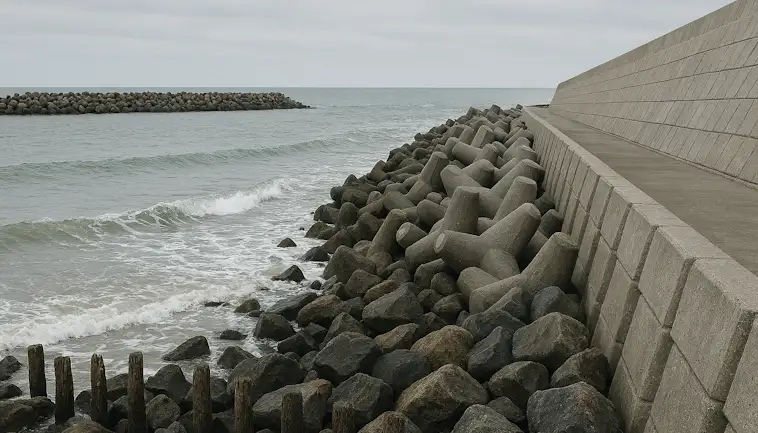
Coastal communities are changing fast. Storms are stronger. Seas are rising. And more people than ever live near the water. So it’s no surprise that coastal defenses are getting a lot more attention. They’re no longer seen as background infrastructure. Instead, they’ve become essential tools that protect homes, jobs, and the places we love to visit.
Today, we’re seeing a new mix of solutions. Some are built from concrete and steel. Others grow, adapt, and shift with nature. Together, they’re shaping safer, more resilient shorelines. And as climate risks continue to rise, this work will matter even more.
Why Modern Barriers Look Different
One big shift is how communities think about long-term protection. Old sea walls often forced waves to hit back harder. But modern designs blend structure with natural features like dunes, wetlands, and reefs. This mix helps absorb wave energy. It also adds beauty and supports wildlife.
Another trend is flexibility. Instead of one oversized structure, towns now use layers of smaller defenses. Breakwaters slow waves before they reach the shore. Restored marshes catch floodwater. Elevated walkways and buildings reduce damage when storms hit. Each piece plays a role, and together they create a stronger safety net.
As we look ahead, coastal defenses will keep evolving. Materials will get smarter. Natural systems will become a larger part of the plan. And communities will design with the future in mind, not just the next storm season. This forward-thinking approach gives coastal towns a better chance to thrive—no matter what the climate brings next.
Why Communities Are Rethinking Shore Protection Strategies
Coastal towns are facing a new reality. Storms are hitting harder, tides are creeping higher, and old solutions are no longer keeping up. So communities are stepping back and asking a simple but urgent question: Is there a better way to protect our shores?
For decades, the default answer was to build seawalls or bulkheads. These structures felt sturdy and familiar. Yet many residents now see their limits. They can be expensive to maintain. They often shift erosion to nearby areas. And over time, they can cut communities off from the natural shoreline they love.
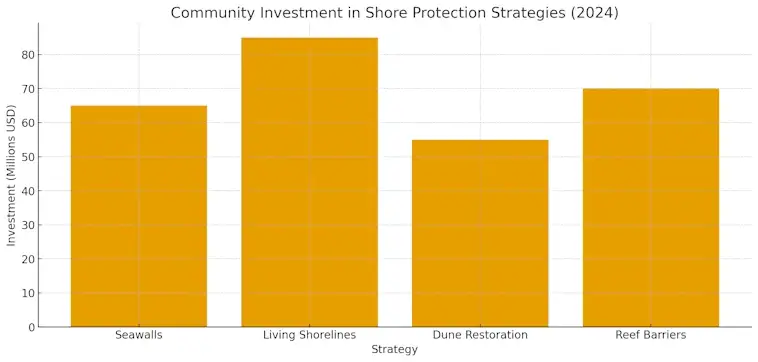
Because of this, more people are exploring nature-based approaches. Options like living shorelines, restored dunes, and reef barriers work with natural systems rather than against them. They not only buffer waves but also create habitats, improve water quality, and adapt as conditions change. As awareness grows, towns are starting to invest in strategies that offer both protection and long-term resilience.
Below is a chart that highlights how investment in different shoreline strategies is beginning to shift. It’s a helpful snapshot of where communities are putting their resources as they rethink what the future of coastal protection should look like.
Coastal Defenses and the Future of Flood-Resilient Cities
As sea levels rise and storms grow stronger, many coastal communities are asking the same question: How do we protect our homes without shutting our cities off from the water we love?
This is where coastal defenses step in. They are no longer just concrete walls. Today, they’re part of a bigger, smarter plan to help cities live with water instead of fighting it.
In the coming years, we’ll see more places rethink how they manage rising tides. And as new technologies emerge, coastal defenses will become more adaptable, more natural, and far more community-friendly.
Let’s look at what’s shaping the next generation of flood-resilient cities.
The New Face of Coastal Defenses
Modern coastal defenses are blending engineering with nature. Cities are mixing proven structures with green solutions that absorb storm energy, restore ecosystems, and make shorelines more welcoming.
Here are some of the approaches gaining momentum:
- Living shorelines that use plants, oyster reefs, and wetlands to soften waves and store carbon.
- Floodable parks that stay open on sunny days but hold excess water during storms.
- Movable storm barriers that rise only when needed, keeping waterfronts open the rest of the time.
- Elevated infrastructure that lifts roads, utilities, and transit above future flood levels.
- Coastal zoning updates that guide new buildings away from high-risk zones.
- Smart sensors that monitor tides and help cities respond before flooding begins.
Cities that succeed won’t rely on a single solution. Instead, they’ll weave together layers of protection that grow stronger over time. As materials improve and climate data becomes clearer, coastal defenses will shift from reactive barriers to flexible systems designed for long-term change.
The path forward is challenging, but also promising. When cities invest early and make room for nature, they gain safer neighborhoods, cleaner coastlines, and more resilient futures.
Natural Barriers That Quietly Reduce Rising-Sea Risks
Rising seas are reshaping coastlines faster than many communities can keep up. Yet, right in front of us, nature is already doing part of the work. These natural barriers may look ordinary, but they quietly soften storm surges, steady shorelines, and protect homes. And as climate pressures grow, their role becomes even more important.
Let’s take a closer look at a few of these living shields. While they don’t replace the need for strong climate action, they buy us time. They also offer benefits that concrete walls simply can’t match—from supporting fisheries to storing carbon. As cities rethink how to stay safe, these natural defenses are becoming central to future-focused coastal planning.
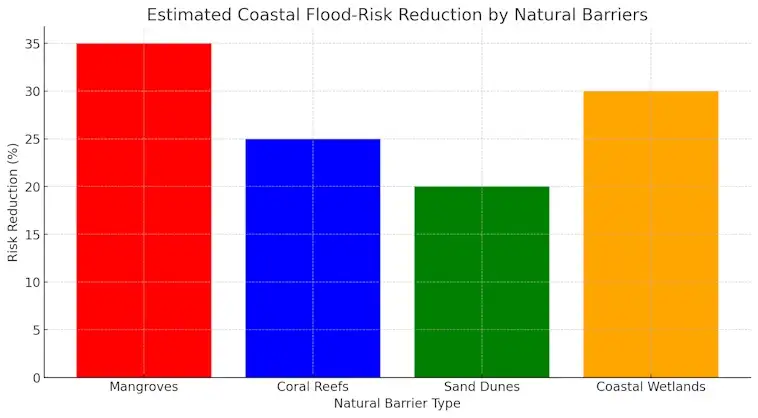
Below is a simple chart showing how different natural features can reduce coastal flood risk. These numbers are estimates, but they help illustrate why these ecosystems matter—and why restoring them is often cheaper than building sea walls.
What Smarter Planning Can Teach Us About Living With Water
When you look at the rising tides, heavier storms, and soaked streets we’re seeing today, it’s clear that water is becoming a bigger part of daily life. Yet, instead of treating it as an enemy, many cities are starting to work with it. This shift is giving us a new way to think about safety, design, and long-term resilience. And as we learn from these examples, we can start to imagine how our own communities might adapt, too.
Smart planning isn’t only about engineering solutions. It’s also about changing how we live, build, and prepare. When done well, it creates spaces that can handle more water without falling apart. It gives neighborhoods a chance to bounce back faster. And it shows us that resilience isn’t a distant idea — it’s something we can start shaping today.
Why Coastal Defenses Are Evolving Faster Than Ever
Around the world, planners are rethinking how we protect our shores. Instead of relying only on hard barriers, many coastal regions are combining natural systems with modern design. Wetlands, dunes, floating parks, and flexible flood zones are rising alongside traditional sea walls.
And here’s what’s exciting: these approaches don’t just block water — they absorb it, redirect it, and sometimes even use it to improve local ecosystems.
If you want a deeper look at how cities are reinventing their relationship with rising seas, the National Oceanic and Atmospheric Administration offers an accessible overview of current strategies.
As we look ahead, this kind of thinking will shape how we build homes, design neighborhoods, and protect the places we love. Smarter planning won’t stop the water, but it can help us live with it far more gracefully — and far more safely — than we ever have before.
Why Strong Coastal Defenses Matter More Than Ever
In the end, coastal defenses are not just engineering projects. They are promises—commitments to safeguard communities, protect ecosystems, and give future generations a fighting chance as seas continue to rise. As we’ve seen, these protective systems can shape how well our coastlines withstand storms, flooding, and long-term climate shifts.
Looking ahead, the tools we rely on today will keep evolving. New materials, smarter designs, and nature-based solutions are emerging quickly. And as these innovations grow, they’ll help us build coastlines that are not only stronger but more flexible and more sustainable.
If we invest wisely now, we won’t just defend our shores. We’ll create safer places to live, support thriving coastal economies, and reduce the risks that rising seas bring. That’s the real power of coastal defenses—and why they deserve our attention today, not tomorrow.