

River Pollution: The Hidden Threat Flowing Into Our Lives
River Pollution: The Silent Crisis Changing Our Water, Wildlife, and Way of Life
River pollution is often out of sight, yet it continues to shape the way we drink, eat, travel, and relax. Waterways that once supported thriving ecosystems are now carrying contaminants from factories, farms, and households straight through our communities. As these pollutants accumulate, they don’t just harm wildlife. They move silently into our food chains, touch our health, and affect the cost of clean water.
Over time, this growing threat pushes local economies to adapt. Fishing industries shrink, tourism declines, and infrastructure costs rise. However, awareness is increasing, and forward-thinking solutions are gaining attention. From improved waste management to technology that tracks contaminants in real time, cleaner rivers are becoming an achievable goal rather than a distant hope.
Change often begins with understanding. When more people recognize how connected our lives are to the rivers around us, support grows for smarter policies and community-led action. That shift could shape a healthier future for everyone who depends on flowing water—and that includes all of us.
River Pollution: How Contaminated Water Is Changing Our Health and Habits
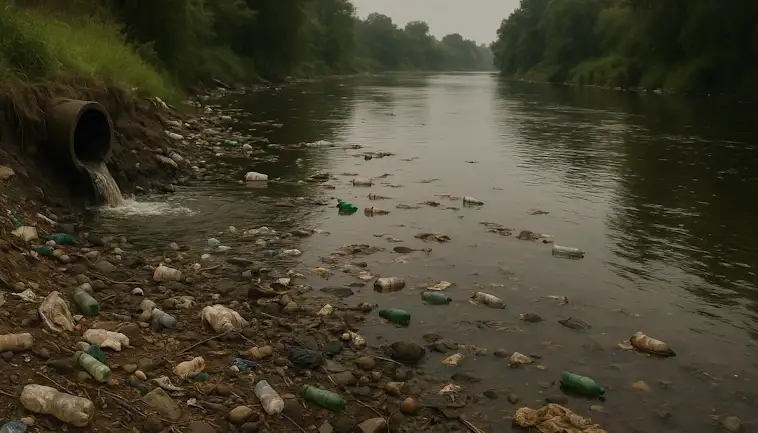
River pollution is not something happening far away. It’s right here, shaping the way we live, work, and stay healthy. Once, rivers were seen as lifelines. Today, many are treated like drains. Yet we still swim in them, fish from them, and drink the water sourced from them. So, the problem doesn’t stay in the water. It quietly moves into our bodies and routines.
Polluted rivers bring harmful bacteria, plastics, chemicals, and even heavy metals into communities. These contaminants don’t simply disappear. They build up over time. As a result, more people deal with stomach issues, skin conditions, and respiratory problems linked to poor water quality. This is especially worrying for children, older adults, and those with weaker immune systems.
Everyday Habits Are Changing Fast
Because river pollution is rising, our habits are shifting without us fully realizing it. Families second-guess local fishing spots. Joggers avoid riverside paths when the smell becomes too strong. Homeowners rely on expensive filters. Many rethink vacations that once included kayaking or water sports. Even household spending changes. More bottled water, testing kits, and medical visits.
The impact also reaches our food. Crops watered with contaminated river sources can carry traces of pollutants. Fish and shellfish absorb microplastics and chemical runoff. This means river pollution travels from farms and waterways straight onto our plates.
Looking ahead, communities are becoming more vocal. People are calling for cleaner practices, smarter waste systems, and stronger protection laws. Change is possible. When awareness grows, solutions follow. And cleaner rivers don’t just restore nature. They renew trust, health, and the simple joy of walking by the water without worry.
If we treat rivers as the valuable resources they are, then our habits won’t need to keep adjusting out of fear. They can evolve with hope instead.
What’s Really Lurking Beneath the Surface of Our Waterways
When you picture a peaceful river or a calm stretch of coastline, it’s easy to focus on the beauty we can see. However, the real concern lies beneath the surface. Our waterways carry pollution that often goes unnoticed. Yet it affects our health, our food supply, and the delicate ecosystems we depend on.
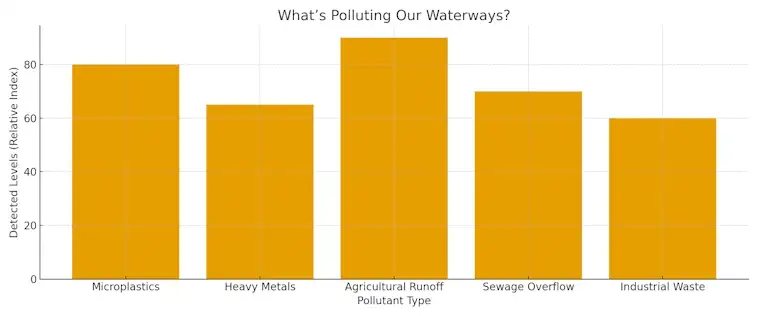
Today’s water pollution looks very different from what we faced decades ago. It’s not always dark sludge or floating debris. Instead, it comes as invisible microplastics, traces of heavy metals, and chemicals washed from fields and streets after heavy rain. These pollutants move silently through rivers and lakes, eventually reaching the ocean. And here’s the challenge—once they enter the water system, it is incredibly difficult to remove them.
Even small traces build up over time. Fish ingest microplastics. Plants absorb contaminated nutrients. Then those same pollutants make their way into our homes. This means the water issue isn’t just happening “out there.” It’s already reaching us, and it’s reshaping the future of clean water access.
However, this is also a chance to rethink how we treat our waterways. Better infrastructure, stronger environmental protections, and new innovation in water filtering are becoming more important than ever. By paying attention today, we can prevent a much larger crisis tomorrow.
Below is a chart showing the main types of pollutants frequently detected in waterways. It offers a clearer look at what we’re dealing with and why awareness matters.
River Pollution and the Disappearing Wildlife We Depend On
River pollution is often out of sight and out of mind. Yet it is changing the world around us faster than many expected. Our waterways once supported rich ecosystems that balanced nature and supported our communities. Today, many rivers tell a different story. Their once-clear currents now carry chemicals, plastics, and waste that are harming wildlife and disrupting our food chains.
This raises a serious question. What happens when nature cannot recover? The loss is not only tragic for animals. It also affects our health, our water, and the future of farming and fishing. As river pollution increases, species that once thrived are disappearing. That should concern us all.
There are many reasons why this problem continues to grow. Climate change puts more pressure on water systems. Population growth increases waste. And industrial activity adds toxins that are hard to remove. The impact shows up in ways we notice only when it is almost too late.
Here are some of the most urgent effects linked to river pollution:
- Fish populations are collapsing due to contaminated water.
- Plastic waste is entering food chains at every level.
- Birds and mammals are poisoned through the prey they eat.
- Wetland habitats are shrinking, reducing natural flood protection.
- Drinking water sources are becoming more expensive to clean.
However, there is still time to act. Communities are restoring rivers with cleaner practices and smarter planning. Awareness is rising. People are asking more questions about what flows downstream. Every decision we make—what we buy, how we dispose of waste, and which companies we support—can help protect the wildlife we depend on.
The water may look calm, but beneath the surface change is happening. The next generation deserves rivers alive with fish, birds, and thriving ecosystems. With attention and action, we can slow the damage and begin restoring the balance nature has maintained for centuries.
The Economic Cost of Ignoring Water Contamination
We often think of water contamination as a distant threat. Something that affects other towns, other rivers, other families. However, the financial consequences are far closer to home than many realize. When polluted water flows through our pipes and streams, it drains more than our health and environment — it drains our wallets.
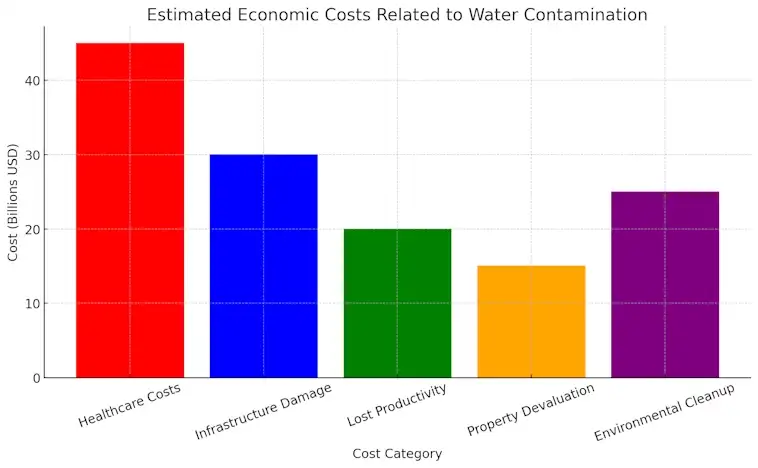
Let’s break it down in simple terms. Contaminated water increases healthcare costs. People exposed to unsafe water face higher risks of illness. That means more hospital visits, medication, and long-term treatments. As a result, families and taxpayers carry that burden.
Also, damaged pipes and treatment systems come with huge repair bills. When water systems corrode or collapse due to contaminants, cities must spend millions to fix or replace them. Those costs often show up in higher taxes or increased utility rates.
Work productivity also takes a hit. If people are sick or caring for loved ones, they miss work. Businesses lose revenue. Communities lose momentum. And home values drop when clean water isn’t guaranteed, making it harder for families to sell or borrow against their homes.
Looking ahead, the price tag only grows. Delayed action means more damage, more risk, and more money required to undo decades of neglect. But early investment pays off. Cleaner water supports healthier lives, thriving businesses, and stronger local economies.
Below is a chart that highlights estimated costs across key areas impacted by water contamination. It offers a clear snapshot of how inaction adds up — and why addressing contamination now is essential for future stability.
Community-Powered Solutions to Restore Our Rivers
Our rivers are the lifeblood of our communities. Yet many have been pushed to the brink. While government action matters, real change often begins at the local level. When people who live along the river take the lead, momentum grows faster. It becomes personal. It becomes possible.
Community-powered action is rising around the world. Volunteers are testing water quality. Neighbors are organizing cleanup events. Schools and youth groups are planting native trees along riverbanks. These efforts might seem small at first. But they add up. And they inspire others to join in.
How River Pollution Happens Close to Home
Much of the damage doesn’t come from faraway factories. It stems from everyday habits—what washes off our streets, lawns, and driveways. When people understand this, they’re more likely to act. Education is one of the most powerful community tools. Workshops and local campaigns are helping residents rethink waste. Simple steps like reducing chemical use or properly disposing of oil make a real difference.
Team-driven monitoring is another effective approach. Citizen science allows communities to collect data, track trends, and build a true picture of water health. For example, programs supported by the Waterkeeper Alliance empower locals to advocate for cleaner and safer rivers.
Looking ahead, the potential for community action is expanding. Emerging technology makes monitoring easier. Social media spreads ideas faster. And a new generation is growing up more aware—and more determined—than ever.
These combined efforts give us reason for hope. Restoring rivers is not only possible. It’s happening. And communities are leading the way, one shoreline at a time.
A Future Worth Protecting Starts With Our Rivers
River pollution is more than an environmental issue — it affects our homes, our health, and our future. As contaminants continue to flow through our waterways, they quietly reach our taps, our food, and the ecosystems we rely on. However, awareness is the first step toward change. When we understand how river pollution shapes our lives, we gain the power to reduce it, reverse it, and prevent it.
By supporting clean-up initiatives, reducing chemical waste, and demanding stronger protections, communities can restore rivers that have been ignored for far too long. Looking ahead, innovation and smarter policy could turn the tide and create cleaner, safer waterways for the next generation.
The challenge is real, but so is our ability to respond. If we choose to act now, river pollution doesn’t have to define our future — instead, it can become the problem we collectively solved in time.