

Hurricane Intensity: The Hidden Forces Fueling Deadly Storms
Hurricane Intensity: What’s Really Driving Stronger and Deadlier Storms Today
Hurricane intensity is rising faster than many expected, and the reasons stretch far beyond warm ocean water. Today’s storms are feeding on new sources of energy—hidden forces that strengthen winds, speed up formation, and push storm surges higher than before. Communities once considered safe now face unpredictable impacts and shrinking time to prepare.
Scientists are uncovering connections between shifting ocean currents, rapid atmospheric changes, and subtle climate patterns that influence how powerful a storm becomes. These forces work together in ways that weren’t fully understood even a decade ago. Yet, as forecasting tools advance, so does our ability to detect warning signs earlier and respond smarter.
The future could bring stronger, slower-moving storms that stall over cities, as well as sudden intensification that catches people off guard. Understanding what fuels these systems isn’t just valuable knowledge—it’s a step toward building safer coastlines, resilient infrastructure, and better emergency planning. The more we learn, the more control we gain over how to protect lives when the next storm forms.
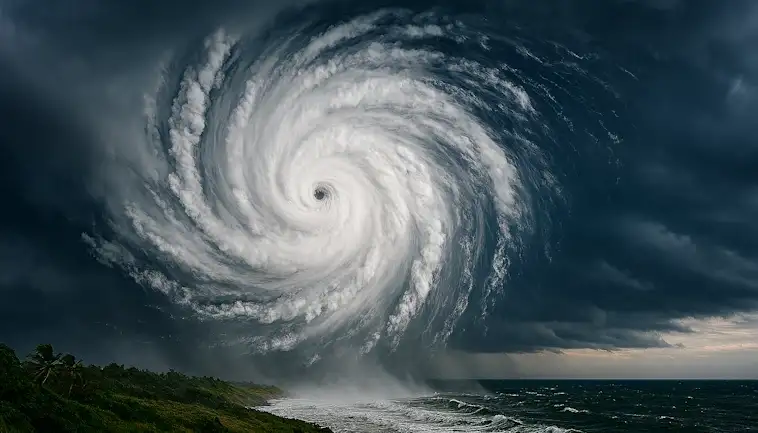
How Hurricane Intensity Is Supercharged by Warmer Oceans
When we think about powerful storms, most of us imagine strong winds and fierce rain. However, there is much more going on beneath the surface—literally. Today’s oceans are warmer than they used to be. And that extra heat is playing a huge role in increasing hurricane intensity.
So, why does water temperature matter so much? Hurricanes feed on heat. Warm ocean water gives them the fuel they need to grow stronger and last longer. It’s like adding more wood to a fire. The flame doesn’t just stay the same—it grows.
The Heat Below the Waves Matters More Than Ever
Another important piece of this story is depth. It’s not only about the surface temperature. Warmer water is now extending deeper into the ocean. This means hurricanes have access to energy even if the top layer cools due to waves or rain. In the past, a storm might weaken when it churned up cooler water. Now it hits more warm water instead. The result is often faster and more extreme hurricanes.
This shift has real consequences. We are seeing storms develop more rapidly. We’re also seeing them hold onto their strength longer as they move closer to land. That gives people less time to prepare and increases the potential damage.
Looking ahead, this trend raises tough questions about coastal community safety, insurance, and how we design buildings near the sea. But it also opens the door to smarter solutions. Better forecasting, stronger infrastructure, and cleaner energy choices could help slow the rise in hurricane intensity.
As our oceans warm, the storms we face will continue to evolve. Understanding the connection between ocean heat and hurricane power is an important step. And it helps us prepare not just for today’s storms, but for the ones still forming far beyond the horizon.
The Rising Toll: Why Stronger Storms Are Becoming More Deadly
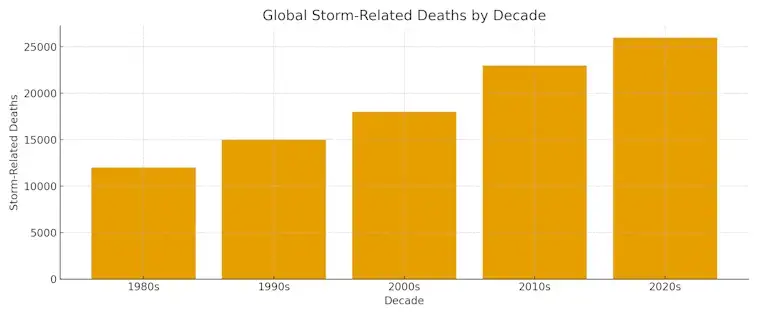
Storms have always been part of life on Earth. But today, they’re hitting harder and costing more lives. In recent decades, we’ve seen a clear trend. Storms are growing stronger, faster, and more unpredictable. As a result, communities that once recovered quickly are now facing long-term devastation.
So what’s driving this change? Warmer oceans, rising sea levels, and shifting weather patterns all play a role. When ocean temperatures rise even slightly, storms can draw more energy. They grow larger and carry more rain. They also move slowly, which means more time to cause destruction.
At the same time, more people now live in coastal areas than ever before. Homes, schools, and hospitals sit directly in the path of danger. When a storm strikes, it’s not just wind and rain we’re battling. It’s the infrastructure we depend on every day that gets knocked out. Roads, power, and water supplies can take months to fully restore.
Yet there is hope. With better forecasting and stronger building standards, we can reduce the risks. Cities can prepare smarter. Families can respond faster. As we move forward, planning and adaptation will make a difference. The steps we choose today will determine the lives we save tomorrow.
Hurricane Intensity and the Role of Shifting Atmospheric Patterns
When we talk about hurricane intensity, we’re really asking why storms today seem stronger, wetter, and more unpredictable than what many of us grew up hearing about. The answer lies high above us, in the shifting patterns of the atmosphere that guide the world’s weather. These changes aren’t random. They’re connected to warmer oceans, altered jet streams, and moisture-packed air systems.
In recent years, warmer sea temperatures have fueled storms at a faster rate. As a result, hurricanes are strengthening more quickly and sometimes right before landfall. That gives communities less time to prepare. Additionally, shifts in the jet stream mean storms may move more slowly, leading to long-lasting damage in one location.
These changing atmospheric patterns affect hurricane intensity in several important ways:
- Warmer ocean water gives hurricanes more fuel.
- Slower-moving storms can dump more rain over communities.
- Higher moisture levels increase flooding risk.
- Changing wind patterns influence where hurricanes travel.
- Storms may retain strength longer after hitting land.
Looking ahead, we could see these patterns continue to evolve. That raises the stakes for coastal planning and emergency response. Communities that have never experienced severe storms may face new threats.
Understanding the unseen forces shaping hurricane intensity is more than scientific curiosity. It’s about giving people the knowledge they need to make smarter decisions and stay safe in a future where extreme weather may become the new normal.
Storm Surge, Flooding, and the Hidden Dangers We Overlook
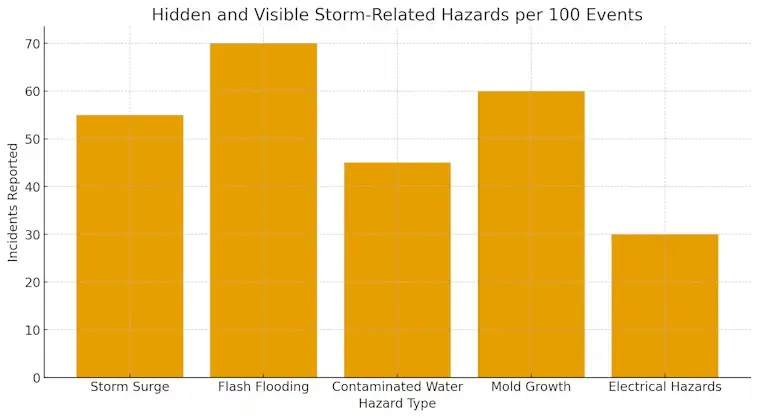
When we picture a major storm, we usually think of giant waves and flooded streets. Storm surge and flash flooding do deserve that attention. After all, they are fast, destructive, and impossible to stop once they start. However, there’s a side of storm damage we often forget — the hazards that remain long after the water pulls back.
For example, contaminated water can seep into homes and public spaces, leaving behind bacteria and chemicals. It’s not always visible, and many people assume the danger is gone once floors look dry again. Yet, the long-term risks are real. Meanwhile, mold sets in quietly. It hides behind walls and spreads fast, especially in warm, humid regions. And as the recovery begins, electrical hazards lurk in damaged buildings and flooded streets. These threats don’t make dramatic headlines, but they create lasting harm.
Looking ahead, these issues may grow more common. Climate change continues to push storms into new areas and increase their intensity. Because of this, communities need to think beyond the storm itself. Preparation and awareness are key. Clear guidance, better support, and stronger building policies can reduce risk and protect lives.
The chart below shows how both obvious and overlooked storm-related dangers rank in reported incidents. It highlights why focusing on aftermath safety is just as important as surviving the storm.
What the Future Holds: Preparing for More Powerful Hurricanes
The storms of tomorrow are likely to be stronger than the storms of today. Oceans are warming, and that means more fuel for hurricanes. Communities along the coast are already starting to notice the shift. Streets flood faster. Power stays out longer. Recovery takes more time and money. It’s becoming clear that preparing for the future is not optional — it’s essential.
These changes might sound overwhelming. However, taking small steps today can make a big difference tomorrow. Better building design, smarter emergency plans, and updated insurance strategies are all part of staying ahead.
Hurricane Intensity and Why It Matters
As hurricane intensity increases, the risks grow. Homeowners need better protections. Businesses must plan for longer closures. Meanwhile cities are updating drainage systems and seawalls. Looking ahead means adjusting how we live, where we build, and how we think about climate threats.
Preparation is not only about surviving a storm. It’s about bouncing back faster. Communities that plan together recover together. Investing in resilience now saves lives and cuts long-term costs. You don’t have to wait for official warnings to start getting ready.
If you want practical steps and emergency planning resources, the National Hurricane Center offers guidance that can help families and communities prepare.
As storms grow stronger, so should our response. The future will bring bigger challenges, yet it also brings a chance to rethink and rebuild smarter. The best time to prepare is before the next storm forms — not after.
Understanding Hurricane Intensity Is Key to Future Safety
As we look ahead, one thing is clear—hurricane intensity is no longer a distant scientific topic. It’s an everyday concern for millions of people living along vulnerable coastlines and beyond. The forces that drive these storms are changing, and the storms themselves are evolving. This means we must evolve as well.
By improving forecasting, supporting resilient infrastructure, and investing in clean energy, we can reduce risks and save lives. Communities that once watched storms from afar now find themselves in the path of stronger and more destructive weather systems. Yet knowledge is power. The more we learn about the hidden forces behind hurricane intensity, the better prepared we are to face the storms of tomorrow.
So let’s stay curious, stay informed, and stay determined to protect our future. The conversation doesn’t end here; it’s just beginning.