

Bee Mortality Is Rising and Putting Us at Risk
Bee Mortality: Why Rising Death Rates Are a Warning We Can’t Ignore
Bee mortality keeps climbing, and the trend is starting to feel unsettling. The loss of so many pollinators is no longer a distant environmental worry — it’s becoming a direct threat to our food systems and the stability of local ecosystems. As more hives collapse, the ripple effects reach farms, gardens, and even the price of everyday produce.
Researchers warn that the problem is growing faster than most people realize. Pesticide exposure, habitat loss, climate stress, and new pathogens are stacking up, creating pressures bees can’t outrun. Yet there’s also a growing wave of solutions, from smarter farming practices to pollinator-friendly city planning. As these ideas gain traction, the next few years could determine whether bee populations continue to fall or begin to recover.
Understanding what’s driving the decline — and what can still be done — helps us see where real change is possible. And as awareness spreads, small steps taken by individuals, communities, and industries could add up to a meaningful shift.
Why Bee Mortality Is Surging Faster Than Expected
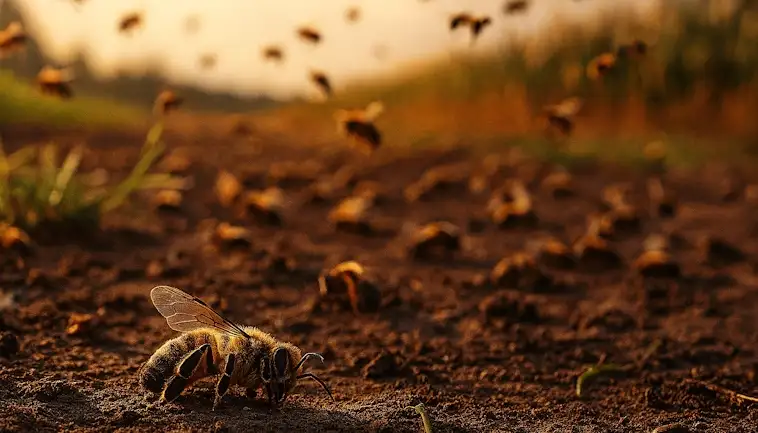
Bee mortality is rising at a pace that surprises even longtime researchers. And if you’ve felt that headlines about disappearing bees are becoming more frequent, you’re not imagining it. The losses are accelerating, and the reasons are more tangled than many people realize.
Today, we rely on bees for far more than honey. They keep our crops thriving and help maintain healthy ecosystems. So when their numbers drop, the ripple effects show up in our food supply, our gardens, and even our economy. That’s why understanding what’s driving higher bee mortality matters now more than ever.
A Closer Look at What’s Really Happening
Many factors play a role. Warmer seasons arrive earlier, catching bees off guard. Longer dry spells weaken flowers and reduce nectar. Meanwhile, pesticides and habitat loss add more pressure. Each issue builds on the next, creating a cycle that’s hard for bees to escape.
What’s alarming is how fast these stressors are stacking up. In the past, bees had time to adapt. Now the pace of change is so quick that colonies struggle to recover from one season to the next. And as farmers depend more on pollination services, rising bee mortality becomes an issue that reaches far beyond the hive.
Still, there is hope. Communities are planting pollinator-friendly gardens. Farmers are testing new, gentler practices. And researchers are working on better ways to protect colonies. As these efforts grow, we may start to see a shift.
For now, it’s clear that paying attention to bee mortality is not only smart—it’s essential. The future of our food system depends on it.
How Vanishing Pollinators Threaten Our Food Systems
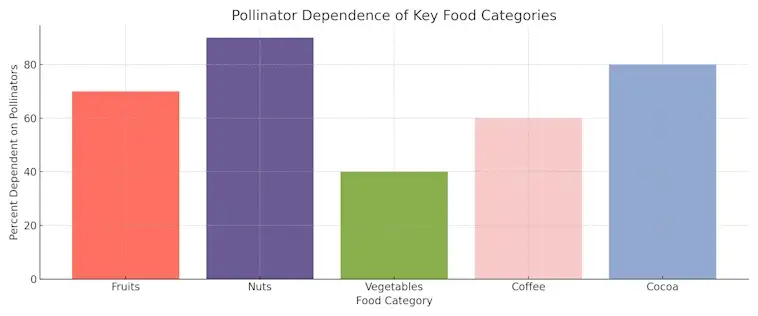
When you think about the foods that brighten your plate each day, pollinators probably aren’t the first thing that comes to mind. Yet they sit quietly at the heart of our food system. Bees, butterflies, birds, and even some bats help plants produce the fruits, nuts, and vegetables we depend on. When they disappear, the impact isn’t subtle. It ripples through farms, markets, and eventually, our meals.
Today, many pollinators are declining faster than expected. Habitat loss, pesticides, and rising temperatures all play a role. And as these species dwindle, our food supply becomes more fragile. It’s a slow-moving risk, but it’s real. And it’s growing.
But here’s the good news. By understanding the scale of our dependence on pollinators, we can better prepare for the future. We can also push for changes that help restore these species before the losses become irreversible. So let’s take a closer look at how much of our food truly depends on these tiny workers.
Below is a chart that shows how various food categories rely on pollinators.
The Hidden Drivers Behind Global Bee Mortality Trends
Bee mortality is rising faster than many people realise, and it’s reshaping everything from our food supply to local ecosystems. When you look closely, you start to see that bees are facing a perfect storm. And while the headlines often focus on one single cause, the truth is more layered.
Bees are under pressure from several directions at once. These pressures build over time, and their combined impact makes survival harder each season. Yet, by understanding what’s really going on, we can take smarter steps to protect the pollinators we depend on.
Below are the main forces driving bee mortality today:
- Habitat loss reduces access to diverse food sources and safe nesting areas.
- Pesticide exposure weakens immune systems and affects navigation.
- Climate change disrupts flowering cycles and increases heat stress.
- Parasites and diseases spread faster as ecosystems become unbalanced.
- Industrial agriculture limits plant diversity and concentrates chemical use.
- Air pollution interferes with bees’ ability to detect floral scents.
Each of these factors matters on its own. But together, they create a world that is harder for bees to navigate and survive in. As researchers map long-term global patterns, one theme keeps appearing: the decline isn’t random. It reflects deeper environmental changes that are unfolding all around us.
As we look ahead, the choices we make about land use, farming, and climate policy will play a major role in shaping future bee mortality trends. And the good news is that solutions already exist. With thoughtful action—both local and global—we can shift the trend and give bees the healthier, more stable world they need to thrive.
What Communities Can Do to Protect Local Bee Populations
When people talk about saving bees, it can sound like a huge task. Yet communities have more power than they realise. Small, steady changes in local spaces can make a real difference for pollinators. And when neighbours join forces, those changes add up fast.
Before long, you’re not just helping bees survive. You’re helping them thrive.
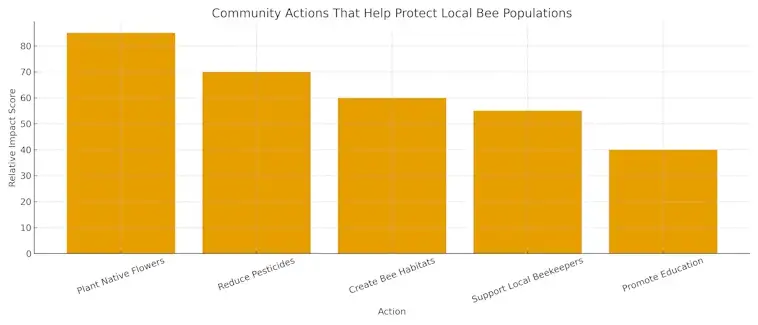
One of the best places to start is with your own landscape. Native flowers offer bees the food they know and depend on. When these plants fill gardens, parks, and even small roadside strips, bees gain reliable foraging spots. It’s simple, but it works.
Communities can also look at how they manage pests. Reducing pesticide use creates safer environments for bees to move, feed, and nest. Even switching to organic options helps lower the risks.
Another powerful step is creating more habitats. This might include leaving patches of wild grass, setting up nesting boxes, or protecting old trees that shelter bee colonies. These spaces become safe homes in areas where natural habitats are shrinking.
Local beekeepers also play an important role. When residents buy honey or beeswax from small producers, they help keep sustainable beekeeping alive. It’s a direct way to support the health of local hives.
And finally, spreading awareness can spark long-term change. Schools, clubs, and councils can share simple tips that inspire people to rethink how they care for the environment. When more people understand what bees need, more people take action.
Future Solutions That Could Help Save Our Pollinators
If you’ve been watching the steady decline in bees, butterflies, and other pollinators, you’re not alone. Many of us are asking the same question: What can we actually do about it? The good news is that new ideas are emerging every year. Some are simple changes anyone can make. Others are bold, science-driven breakthroughs that could reshape how we protect nature. As we look ahead, these solutions offer real hope. They remind us that small actions, paired with smart innovation, can help rebuild the balance we’ve been losing.
Before diving in, it’s useful to remember that saving pollinators isn’t just about preserving nature. It’s about protecting our food supply, our health, and the stability of entire ecosystems. So let’s explore the future-focused ideas that could help turn things around.
Understanding Bee Mortality in a Changing World
Bee mortality continues to rise, and researchers are working hard to understand the complex mix of stressors behind it. Climate change, habitat loss, pesticide exposure, and disease all play a role. Yet new tools are helping scientists spot patterns faster than ever. For example, real-time hive monitoring can track temperature, sound, and movement inside a colony. This technology offers early warnings when something goes wrong. When beekeepers can act sooner, colonies have a better chance of bouncing back.
New Urban Habitats
Cities are becoming surprising allies in pollinator conservation. Rooftop meadows, balcony gardens, and native plant corridors are giving bees a fresh place to forage. Many cities are now offering guides to help residents build pollinator-friendly spaces. These small pockets of greenery can link together and create safe routes through crowded urban areas. As more people join in, the impact grows.
Smarter Farming Practices
Farmers are turning to sustainable methods that work with nature rather than against it. Crop rotation, reduced pesticide use, and planting wildflower borders all help strengthen local ecosystems. These steps support both soil health and pollinator health. It’s a win-win. Some farms are already reporting healthier yields after making the switch. The trend is likely to accelerate as climate pressures increase.
High-Tech Breakthroughs
Innovation is also coming from the lab. Scientists are testing probiotic supplements that may help bees fight infections. Others are studying climate-resilient plants that offer nectar during tough seasons. Even artificial intelligence is joining the effort, helping researchers map pollinator hotspots and predict areas at risk. These tools can guide better policies and smarter conservation funding.
What You Can Do Next
While big breakthroughs matter, community action still plays a huge role. Planting native flowers, reducing pesticide use at home, and supporting local beekeepers are small but powerful steps. If you want to learn more about reducing chemical exposure in your garden, you can explore guidance from the Xerces Society.
Together, individual choices and large-scale innovation can shape a future where pollinators thrive again.
Why Rising Bee Mortality Should Push Us to Act Now
As we’ve seen, bee mortality is more than a worrying trend—it’s a warning. When bee populations fall, our food systems grow more fragile, our ecosystems lose balance, and our future becomes less secure. Yet there’s still room for optimism. Communities, researchers, and local growers are already testing new ideas, from pollinator-friendly landscaping to better pesticide rules.
Moving forward, small changes can add up. Planting native flowers, reducing chemical use, and supporting sustainable farms all help create safer habitats. And when more people understand what’s at stake, momentum grows.
So this is the moment to stay curious, stay engaged, and keep the pressure on. Bee mortality is rising, but with consistent action, we can steer the story in a better direction—for our food, our environment, and the generations ahead.