

Will the Polar North Shape Our Changing World Ahead?
The Polar North and Its Growing Influence on Our Future
The polar north is no longer a distant frontier. It is now a powerful signal of what may come next for the rest of the planet. As temperatures rise, the region is shifting faster than most people realize. Weather patterns are loosening from their old tracks. Oceans are warming in ways that reshape coastlines. And wildlife is adjusting to new rhythms that once seemed unthinkable.
As these changes unfold, fresh questions emerge about how nations, industries, and communities will adapt. New shipping lanes are opening. Resource pressures are rising. And global systems are becoming more sensitive to disruptions that start far from where most of us live. Yet there is also room for smarter planning, cleaner technology, and bold ideas that could soften the impact.
With so much at stake, it helps to look ahead. The choices made now will influence how societies respond to a world that refuses to stay still.
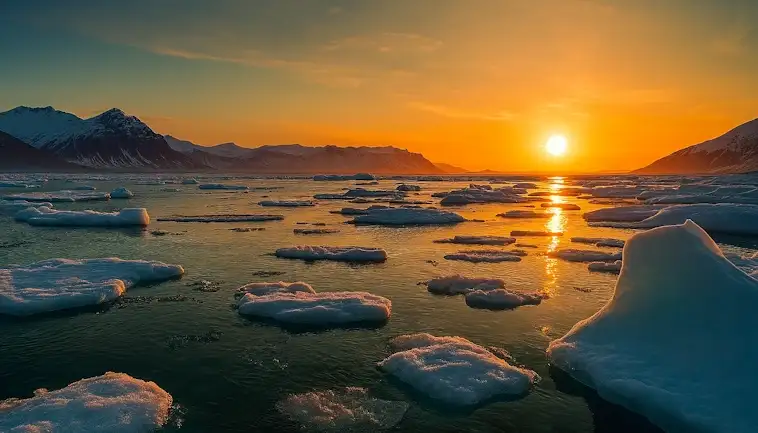
How the Polar North Is Quietly Rewriting Global Weather Patterns
The polar north is changing. And it is changing faster than many of us expected. While it feels far away, its impact is closer than you think. In fact, this frozen region is now shaping the weather we see every day.
The polar north acts like Earth’s cooling system. It reflects sunlight and keeps global temperatures in balance. However, as ice melts and seas warm, that balance begins to shift. As a result, weather patterns across the globe start to behave in new and surprising ways.
You may notice longer heatwaves. You might also see heavier rain or sudden cold snaps. These are not random events. They are part of a wider shift tied to changes in the polar north. And yes, this shift is quietly influencing where storms form and how they move.
A Moment Between Wind and Ice
As the polar north warms, the jet stream weakens. This stream of fast-moving air guides weather systems. When it slows, weather can stall. So instead of brief storms, we get longer ones. This means more flooding in some places and deeper droughts in others.
At the same time, warming seas release more moisture into the air. This fuels stronger storms. So while one region dries out, another may face heavier snowfall or intense downpours. It is a ripple effect that reaches far beyond the Arctic Circle.
If you want a deeper look at how Arctic change affects global systems, NASA offers clear and trusted insights.
Looking ahead, the role of the polar north will only grow. Scientists are watching closely. Communities are adapting. And awareness is rising. The good news is that understanding these shifts helps us prepare. It also gives us a chance to protect what still remains.
So even though the polar north feels distant, its story is now part of your daily weather. And its future is tied to ours more than ever before.
Why Melting Ice Matters More Than You Think
Melting ice is not just a faraway issue. It is a growing sign of climate change that touches daily life. And it is happening faster than many people realize.
Across the planet, ice sheets and glaciers are shrinking year by year. As they melt, sea levels rise. That means higher risks of floods, stronger storm surges, and lost coastlines. Homes, roads, and entire communities feel the strain.
At the same time, melting ice changes the way our planet reflects sunlight. Ice once acted like a mirror. Now, dark ocean water absorbs more heat. So, the cycle speeds up. More heat leads to more melt. And more melt leads to even more heat.
This ripple effect does not stop at the poles. It shifts weather patterns. It disrupts ocean currents. It even affects food supplies and fresh water sources. In other words, what happens in the Arctic does not stay in the Arctic.
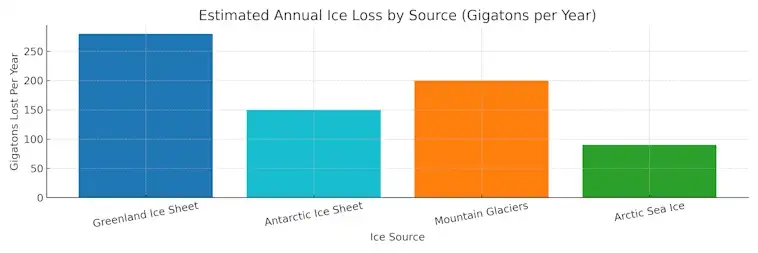
Looking ahead, the choices we make today matter. Cleaner energy. Smarter cities. Stronger climate action. These steps can slow the pace and protect future generations.
So while melting ice may seem distant, its impact is closer than you think. And the good news? Awareness leads to action. And action leads to hope.
The Polar North and the Rising Stakes for Coastal Communities
As ice melts, oceans expand. As oceans expand, shorelines shift. This is where the polar north and coastal communities are now deeply linked. The chain reaction is clear. And the stakes keep rising.
Today, warmer waters and shrinking sea ice are pushing sea levels higher. This puts homes, roads, and fresh water at risk. It also affects fishing, tourism, and local jobs. So while the polar north may feel far away, its impact feels closer every year.
To understand how serious this is becoming, it helps to follow trusted climate research from groups like NOAA, which tracks polar north changes and global sea levels in real time.
Here is what coastal communities are beginning to face as the polar north continues to warm:
- Rising sea levels that flood streets and homes more often
- Stronger coastal storms that cause lasting damage
- Erosion that eats away beaches and natural barriers
- Saltwater creeping into drinking water supplies
- Higher repair costs and growing insurance pressure
- Loss of wildlife that supports local fishing
Still, there is room for smart planning. Communities are adapting with better sea walls, green spaces, and smarter building rules. At the same time, clean energy and climate-focused policies offer hope for a safer future.
So while the polar north signals growing risk, it also points to a chance for change. And with steady action and shared awareness, coastal towns can stay strong in the face of a shifting climate.
What Shifting Ocean Currents Could Mean for the Decades Ahead
The oceans are changing. And those changes are starting to shape our future in quiet but powerful ways.
Ocean currents help control weather, guide marine life, and balance global temperatures. When these currents shift, the effects can reach far beyond the shoreline. In the years ahead, we may see stronger storms, warmer seas, and rising water levels that touch everyday life.
So, what does this really mean for the decades ahead?
First, coastal flooding could become more common. Towns near the sea may face more frequent high tides and erosion. As a result, homes, roads, and local businesses could sit at greater risk.
Next, storm patterns may grow more intense. Warmer ocean flows feed stronger hurricanes and longer storm seasons. This could change how communities prepare for emergencies.
At the same time, marine heatwaves are becoming harder to ignore. These hot zones stress coral reefs and push fish to new areas. This shift affects fishing, food supply, and coastal jobs.
However, there is also room for smart action. Better planning, cleaner energy, and stronger coastal defenses can help soften these impacts. Forward thinking matters now more than ever.
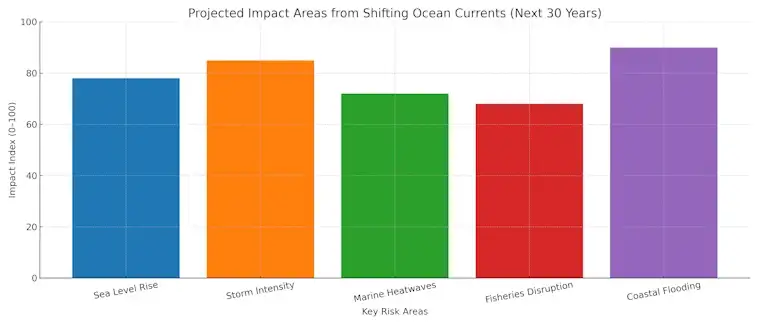
In simple terms, shifting ocean currents are not just a science story. They are a future story. And that future is already unfolding.
To help visualize these changes, here is a wide format bar chart showing projected impact areas linked to ocean current shifts over the next 30 years.
Preparing for a Future Shaped by Rapid Arctic Change
The Arctic is changing faster than any other region on Earth. Ice is melting. Wildlife is shifting. Weather patterns are becoming less predictable. And while this may feel far away, the impact is already reaching our daily lives.
So, what does this mean for you and your community? First, it means we need to stay informed. Clear information helps us plan ahead. It also helps us make smart choices about energy, travel, and even food.
At the same time, new risks are rising. Coastal erosion is increasing. Storms are growing stronger. Therefore, preparation is no longer optional. It is essential. Families, cities, and leaders must act early. Simple steps today can reduce big problems tomorrow.
However, this change also brings opportunity. Innovation is speeding up. Clean technology is improving. Smarter building methods are emerging. In short, we can adapt and still protect what matters most.
Life on the Edge of the Polar North
Communities near the polar north are already adapting. Homes are being redesigned to handle unstable ground. Emergency plans are being updated. Education is also shifting to focus on climate awareness.
Meanwhile, scientists continue to track these changes closely. Their research helps guide global response efforts. For a deeper look at how Arctic shifts affect the planet, you can explore insights from the National Snow and Ice Data Center.
Looking ahead, the path forward is clear. Stay aware. Stay flexible. And most of all, stay hopeful. With smart planning and shared effort, we can face this rapid change with confidence and care.
The Polar North and the Future We Shape Together
So, will the polar north shape our changing world ahead? The answer is already unfolding before us. Ice is thinning. Seas are rising. Yet hope still lives in the steps we take today.
The polar north is more than a distant icy edge. It guides weather, ocean currents, and life far beyond its frozen shores. As it warms, the effects reach our farms, cities, and coastlines. Therefore, what happens there will touch us all.
However, this moment also brings a powerful chance to act. Cleaner energy is rising. Smarter policies are taking root. And awareness is growing across generations. With care and focus, we can slow the damage and protect fragile ecosystems. In time, this could help restore balance to a changing planet.
Looking ahead, the path is clear. We must listen to science. We must support bold solutions. And we must stay curious about the future of the polar north. Because by protecting it, we also protect our shared home.
In the end, the polar north does not just shape the world. It reminds us how deeply connected we all are. Now is the time to lead with purpose and shape a future that lasts.