

Rising Temperatures and Global Food Security
Rising Temperatures and the Fight to Protect Global Food Security
Rising temperatures are placing new pressure on the world’s food supply, and the shift is becoming harder to ignore. Harvests that once felt predictable now face sudden heat waves, stressed soils, and changing rainfall. Farmers are adapting where they can, yet the pace of change keeps speeding up.
As conditions fluctuate, everyday staples—grains, fruits, vegetables—start to show signs of strain. Yields slip. Prices climb. Regions that once fed millions may no longer sustain the same crops. At the same time, demand is growing as populations rise.
There is still room for optimism, though. New farming methods, smarter water use, and climate-resilient crops are gaining traction. And when communities, scientists, and producers work together, solutions come faster. The question now is how quickly we can scale these ideas to protect food security for everyone.
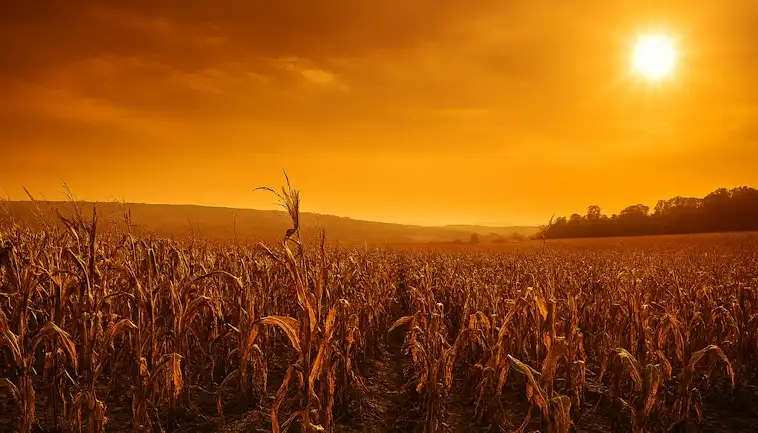
How Rising Temperatures Are Reshaping the Way We Grow Food
Climate change often feels distant, but rising temperatures are already reshaping the food on our plates. Farmers across the world are rethinking how they plant, water, and protect their crops. And as heat builds year after year, the entire system behind our meals is shifting. This matters to all of us, because the way we grow food affects what we can buy, how much it costs, and even how healthy it is.
A Change You Can Taste and See
Let’s start with what you already notice at the store. Some fruit now tastes a bit different. And some vegetables are now even smaller. Heat puts stress on plants, and stressed plants struggle to grow well. When nights stay warm, crops like wheat and rice lose their rhythm. They grow faster but produce less food. The result is lower yields, and sometimes, lower quality.
Yet there’s also a hopeful side. Farmers are adapting. They’re trying heat-resistant seeds, experimenting with shade systems, and turning to smarter irrigation. New ideas are emerging every season, and they’re helping us stay ahead, at least for now.
Even so, the challenge is big. Rising temperatures don’t just affect plants. They reshape soil health, water cycles, and insect patterns. Pests thrive in warmer climates. So do plant diseases. This means farmers must prepare for threats that were rare only a decade ago.
If you want to learn more about how scientists track these climate impacts, the research shared by the Food and Agriculture Organization is a helpful starting point.
Moving forward, the key will be flexibility. Our food systems need room to adjust as conditions shift. And because climate change is global, solutions must travel across borders, communities, and industries. There’s no single answer, but there are many promising paths.
As the world warms, our connection to the land becomes even more important. And understanding how rising temperatures reshape agriculture helps us stay prepared—and stay hopeful.
Why Our Food Systems Are Struggling to Keep Up With a Warming Planet
Our food system is feeling the heat—literally. As the planet warms, the way we grow, move, and store food is being pushed to its limits. And while these changes might seem slow or distant, they’re already shaping what ends up on our plates.
Farmers are seeing shorter growing seasons. Heat waves are hitting at the worst possible times. Water supplies are becoming more unpredictable. And pests? They’re thriving in the warmer weather. All of this makes it harder to grow the crops we rely on every day.
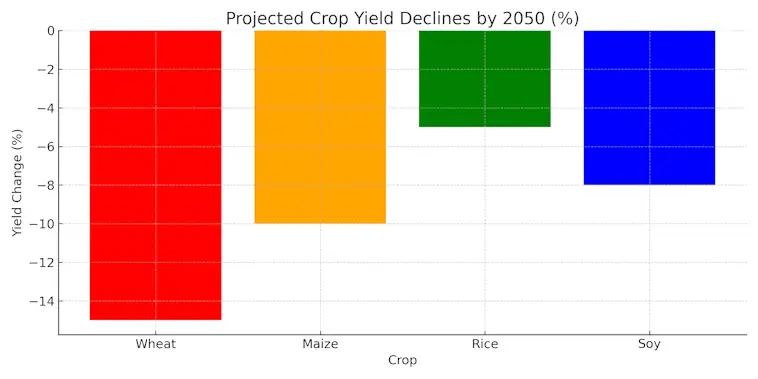
As we look ahead, the pressure on our food system will only increase. Yet there’s also room for optimism. With better planning, smarter technology, and global cooperation, we can adapt. First, though, it helps to understand just how much climate change is shifting the fundamentals of food production.
Rising Temperatures and the Hidden Risks Facing Global Crop Yields
When we talk about climate change, we often picture heat waves, wildfires, and stronger storms. Yet rising temperatures are also reshaping something far closer to home: the food we rely on every day. And while the changes can feel slow or distant, they’re already influencing crops in ways farmers can’t ignore.
As global heat climbs, even by a small amount, plants start to react. They grow differently. They use water faster. They become more vulnerable to pests. And because our food system is tightly connected, a shift in one region can ripple across global supply chains.
You don’t need to be a scientist to understand why this matters. If crops become harder to grow, food prices rise. Families feel the strain first. Farmers face tough choices next. And countries that already struggle with food security risk sliding into deeper trouble.
Here are a few key ways rising temperatures put pressure on global harvests:
- Reduced soil moisture as heat speeds up evaporation
- More frequent heat stress events that damage crops during flowering
- Faster pest growth cycles, leading to wider infestations
- Nutrient loss in staple crops like wheat and rice
- Lower yields in regions that depend on steady seasonal patterns
As temperatures continue to trend upward, we’ll need smarter farming systems and improved crop varieties. We’ll also need global cooperation, since no single country can handle this alone.
Understanding the risks is the first step. Acting on them is the next. And the sooner we begin, the more resilient our food future can be.
Adapting Farms and Supply Chains for a Hotter, Uncertain Future
As temperatures keep rising, farms everywhere are feeling the strain. And because farms sit at the start of nearly every supply chain, the ripple effects travel far. That’s why more growers, food companies, and logistics teams are rethinking how they work. They want to stay resilient in a world where the next season is harder to predict than the last.
Climate pressure now shows up in many forms. Water shortages, heat stress, crop losses, and transport delays are becoming more common. Yet these challenges also give us a chance to rebuild systems that can cope with the unexpected. When we adapt early, we stay ahead of disruption. And when we plan together—from field to distribution center—we protect both food security and business stability.
So let’s look at what this shift means in practice. Farmers are testing heat-tolerant crops. Supply chains are adding backup routes. Companies are tracking climate risks in real time. And across the board, people are investing in smarter technology that spots problems before they spread.
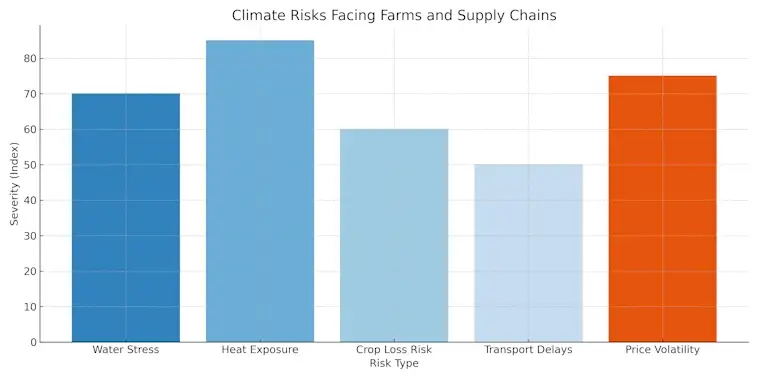
With the right steps, we can build supply chains that stay strong even as the world grows hotter. And the earlier we act, the smoother the transition will be.
What Communities Can Do Now to Protect Food Security Worldwide
Food security can feel like a huge, global challenge. Yet many of the most effective steps begin at the community level. When neighbors work together, they can strengthen local food systems, support farmers, and create buffers against climate stress. These efforts may seem small at first. However, they build resilience that spreads far beyond local borders. Let’s look at what communities can do right now to make a real difference.
How Communities Can Respond to Rising Temperatures
Communities everywhere are already seeing how heat affects crops, soil, and water supplies. So, many are turning to practical solutions. Local groups are setting up community gardens with heat-tolerant plants. Farmers’ cooperatives are testing new irrigation methods. And schools are teaching students how climate shifts affect the food they eat each day. These actions help people adapt faster, while also creating shared knowledge that supports long-term stability.
Another strong step is building better local food networks. When communities rely less on long transport chains, they become more flexible during extreme weather or supply shocks. Supporting nearby farmers’ markets, joining a CSA, or helping develop a local food hub strengthens the system from the ground up. Over time, these choices boost local economies and reduce food loss along the way.
Education also plays a powerful role. Workshops on soil health, composting, and low-water gardening can empower residents to grow some of their own food. This doesn’t replace farms. But it eases pressure on the system and offers people a sense of control during uncertain times. Even small balcony gardens or shared urban plots can help.
Finally, community groups can work with local leaders to advocate for strong climate policies. Clear plans for water management, sustainable farming incentives, and heat-resilient infrastructure matter. When a community speaks with one voice, policy makers are more likely to act.
By starting locally, communities can drive global change. And when these efforts grow, they help protect the future of food for everyone.
Looking Ahead: Why Rising Temperatures Demand Our Attention Now
As we move deeper into a warming century, it’s clear that rising temperatures are shaping the future of our food supply in ways we can’t ignore. They affect crop yields, strain water resources, and disrupt the delicate balance that keeps global agriculture running. Yet there’s still room for optimism. With smarter farming practices, cleaner energy, and coordinated global action, we can steady the system before it reaches a breaking point.
Taking small steps today—whether through policy changes, innovation, or personal choices—helps build a food-secure world for the next generation. And as the science continues to evolve, so will the solutions. So while the challenges are real, the opportunity to adapt and thrive is still in our hands.