

What Ancient Earth Can Teach Us About Our Tomorrow
Ancient Earth, Modern Warnings: What the Past Says About Our Future
Ancient Earth has a way of speaking to us, even across billions of years. Its shifting oceans, restless continents, and dramatic climate swings show how quickly conditions can change and how life must adapt to survive. These long-buried stories offer more than curiosity. They help us see patterns that are starting to unfold again today.
As you look ahead, it helps to notice how earlier worlds handled upheaval. Past transitions reveal how small shifts can trigger sweeping transformations. They also show how resilience often comes from unexpected places. By drawing from these lessons, it becomes easier to spot early signals, prepare for future challenges, and push for smarter choices that keep communities safer and stronger.
Understanding these ancient turning points gives you a clearer sense of where we might be heading next—and why tomorrow depends on what we choose to learn now.
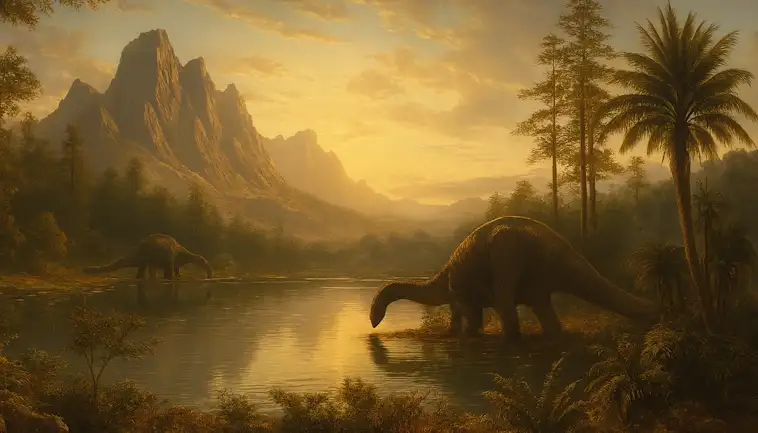
How Ancient Earth Shapes the Choices We Face Today
When we look around at the fast-moving world we live in, it’s easy to forget that our biggest decisions often spring from forces far older than us. In fact, much of what guides our modern choices can be traced back to ancient Earth. Those early shifts in climate, land, and life created the foundation we still stand on. And as we face new environmental crossroads, it helps to remember that we’re part of a much longer story.
Today, scientists are uncovering how old patterns—buried in rock layers, ocean sediments, and even fossilized forests—mirror the pressures we feel now. That history doesn’t just fascinate researchers. It gives us clues about resilience, adaptation, and what might happen if we ignore warning signs.
Lessons Hidden in Deep Time
When you explore ancient Earth, you find moments of dramatic change. Seas rose. Temperatures swung. Entire ecosystems flipped. These shifts shaped the way species evolved—and how they survived. Now, we’re navigating our own era of rapid change. And the choices we make today echo many of the same tensions: scarcity, risk, and opportunity.
By understanding how life adapted then, we gain a clearer view of the paths open to us now. That perspective can push us to think bigger, act sooner, and imagine futures that are not only possible but sustainable.
As we move forward, revisiting the planet’s deep past can remind us that change isn’t new—but our chance to shape it absolutely is.
Lessons From Deep Time That Still Matter Now
When we look back across Earth’s long history, we find stories that feel strangely familiar. Our planet has faced wild swings in temperature, waves of extinction, and dramatic shifts in the air we breathe. And yet, life has pushed through each upheaval. These deep-time events don’t just belong in dusty textbooks. They still speak to us today.
As we explore the past, we discover patterns that help us navigate the future. For example, sudden warming episodes once reshaped ecosystems in ways that echo what we’re seeing now. Meanwhile, global cooling events show how fragile life can be when the climate swings in the opposite direction. When we connect these ancient chapters to today’s challenges, it becomes easier to see why our decisions matter.
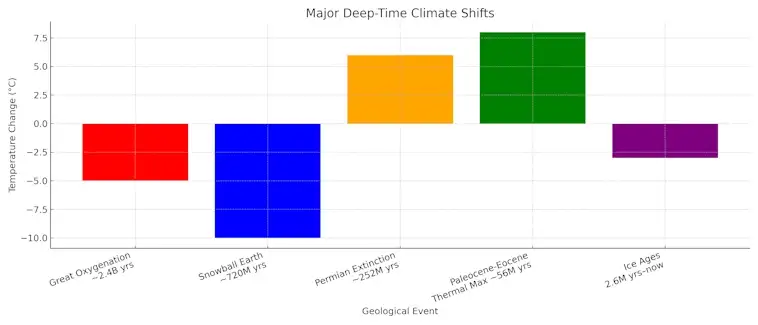
And here’s the encouraging part. Deep time also teaches us that resilience is real. Earth has recovered from extraordinary shocks. That means our actions today can still move the needle in a positive direction. By learning from these ancient lessons, we can make smarter choices and prepare for what may come next.
Why Ancient Earth Holds Clues to Our Climate Future
When we look ahead, it often helps to look back—way back. Ancient Earth has a lot to teach us about where our climate might be heading. These lessons don’t come from guesswork. Instead, they come from rocks, ice cores, sediments, and even fossils that quietly record the planet’s long history. As scientists decode these records, we gain a clearer picture of how Earth responds when things heat up or cool down.
This story matters today because we’re moving through rapid changes of our own. And as we compare our moment with what happened millions of years ago, patterns start to appear. These patterns give us direction. They help us prepare. They also show us that while the climate has always shifted, the pace we’re seeing now is far faster.
To make this easier to follow, here are some of the clearest takeaways from ancient earth:
- Past warming periods often triggered rising sea levels.
- Rapid carbon spikes in Earth’s history led to dramatic temperature shifts.
- Mass extinctions were often tied to sudden climate shocks.
- Ancient drought cycles help us understand today’s water risks.
- Long-term cooling periods reshaped landscapes and ecosystems.
As we piece this together, we start to see a bigger picture. Ancient Earth shows us what’s possible. It reminds us that the climate system is powerful, responsive, and deeply interconnected. Fortunately, the more we learn, the better we can plan smarter paths forward.
If you want to explore deeper scientific records, NASA keeps an accessible archive of climate data and insights. You can dive in here NASA Climate.
What Past Extinctions Reveal About Modern Risks
When we look back at Earth’s history, we often focus on the dramatic stories—giant volcanoes, crashing asteroids, and ancient oceans filled with unfamiliar life. Yet these past extinction events offer more than fascinating tales. They act as warning signs. And they help us understand the risks we face today.
Over millions of years, our planet has endured several mass die-offs. Each one reshaped life in profound ways. But here’s the part that’s easy to overlook: most of these crises were triggered by environmental changes that built up over time. That’s why digging into the past matters. It shows us how fragile balance can be. It also shows us how quickly things can shift when pressures mount.
Today, we’re seeing some of those same pressures—in new forms. Rising temperatures. Rapid habitat loss. Widespread pollution. And, of course, ecosystems struggling to keep up. When you compare modern trends with ancient patterns, a clear picture emerges. The factors that once pushed species to the edge are now happening again, only faster.
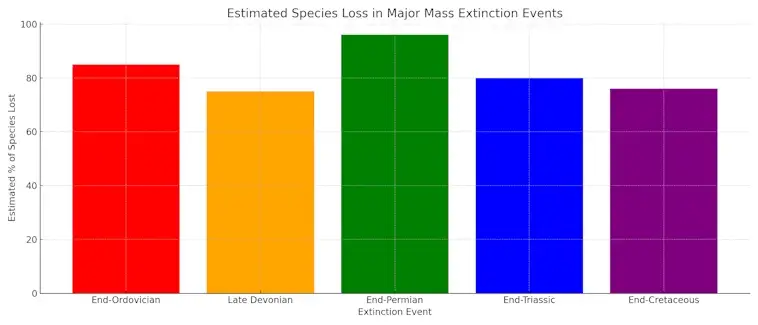
So, as we take stock of the moment we’re living in, it helps to look behind us as well as ahead. The past doesn’t predict the future. But it does reveal the stakes.
How Earth’s Early Transformations Guide Tomorrow’s Solutions
Our planet’s early history reads like a long experiment in survival. The Earth shifted, cooled, erupted, and adapted. These ancient changes may feel distant, yet they hold powerful lessons for us today. And because we now face rapid climate change, it helps to look back. After all, those early transformations show how life responds when the world reshapes itself.
As we explore these stories from the past, we can start spotting patterns. We can also discover ideas that point the way toward smarter choices in the future. This includes how we produce energy, how we protect ecosystems, and how we design cities that can handle new extremes.
What Ancient Earth Can Teach Us
Ancient Earth was far from stable. Oceans formed, vanished, returned, and shifted again. Continents broke apart like puzzle pieces. New forms of life rose, while others faded. Each shift forced living systems to adjust quickly.
Today, we face a similar kind of pressure. Rising seas. Hotter storms. Unpredictable seasons. Yet the Earth has already shown that transformation can spark new possibilities. When early life learned to use sunlight, for example, it changed the atmosphere in ways that made our modern world possible. That same spirit of adaptation can help guide tomorrow’s solutions—especially as we explore clean energy and more resilient infrastructure.
As we move forward, we can borrow from these ancient patterns. We can build technologies that mimic natural systems. We can design communities that flex instead of break. And we can treat change not as a threat, but as a call to rethink how we live on this planet.
By looking back, we get a clearer view of what’s ahead—and how we can shape it with confidence.
Lessons From Ancient Earth for a Changing Future
As we look back at ancient earth, we gain more than a glimpse into the past—we gain a roadmap. The planet has weathered dramatic shifts before, and each chapter reminds us how quickly conditions can change. Today, we’re standing at another turning point. And while the challenges may feel new, the patterns are familiar.
By studying ancient climates, lost ecosystems, and long-vanished species, we learn how fragile balance can be. Yet we also learn how resilient life becomes when given the chance. That perspective helps us understand our role in shaping what comes next. It shows us that our choices matter. It also shows us that small shifts, made early, can have an outsized impact over time.
So as we imagine tomorrow, it’s worth carrying these lessons forward. When we take cues from ancient earth, we’re not just honoring history—we’re building a wiser, steadier path into the future.