

Synthetic Litter and its Hidden Threat to Daily Life
The Hidden Dangers of Synthetic Litter That Impact Your Life Every Day
Synthetic litter is showing up in more places than most people expect, and it’s starting to shape daily habits in subtle ways. Tiny fragments from packaging, clothing, and household products drift through homes, workplaces, and public spaces. They settle quietly, yet their presence can influence the air you breathe and the surfaces you touch.
As awareness grows, so does the concern. These small particles break down slowly, move easily, and often slip past cleaning routines. They don’t stay put, and that constant movement creates a steady, low-level exposure that many people never notice.
The challenge is that this debris blends into everyday life. It hides in plain sight, carried by wind, water, and even the simple act of walking across a room. Yet understanding how it spreads—and why it matters—opens the door to healthier choices and more resilient communities.
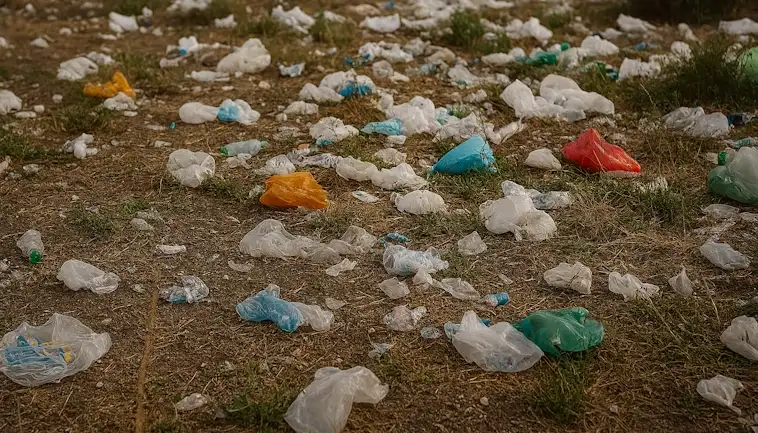
How Synthetic Litter Slips Into Everyday Spaces
Synthetic litter is everywhere today. You see it on sidewalks, near bus stops, and even in places that feel untouched by people. Yet most of us barely notice it. Still, these tiny scraps shape the world around us. They drift into drains, settle in parks, and often end up in our homes without us realizing it.
As our lives become more connected and fast-moving, this problem grows. Packaging gets lighter. Products use more plastics. And convenience often leaves a trail. That’s why understanding how synthetic litter spreads is so important. It helps us see the issue in a clearer way. It also gives us a better chance to slow it down.
The Quiet Path Litter Takes
Synthetic litter rarely stays where it first lands. Wind pushes it along city streets. Rain washes it into gutters. Then, slowly, it moves into new spaces. You might even spot pieces caught in fences or tangled in hedges. It slips into everyday life because it moves easily and lasts a long time.
What surprises many people is how often this debris shows up indoors. Small fibers cling to clothing. Microplastics travel on shoes. Even opening a package can introduce new fragments. Over time, these small pieces add up. And while they seem harmless, they shape the environment we live in.
By learning how synthetic litter spreads, we can start making smarter choices. Little shifts in daily habits can reduce waste and keep our shared spaces cleaner. And as more people pay attention, the easier it becomes to turn the tide.
Why Hidden Plastics Are Reshaping Daily Routines
It’s easy to think of plastic as something we can see—bottles, bags, packaging. Yet the plastics that influence our lives most tend to slip under the radar. They’re tucked into fabrics, blended into cleaners, and mixed into everyday products we rarely stop to question. And as we move through our day, these hidden plastics quietly shape how we shop, what we wear, and even how we care for our homes.
As awareness grows, many people are surprised to learn how often plastic shows up in places they never expected. And once you notice it, you can’t unsee it. This shift in understanding is already changing buying habits. People are choosing different materials, reading labels more closely, and looking for brands that take transparency seriously.
At the same time, companies are responding. Some are rethinking their designs. Others are experimenting with new materials. This push and pull between consumers and creators is reshaping routines in real time. It’s also opening doors for solutions that feel more practical and more sustainable.
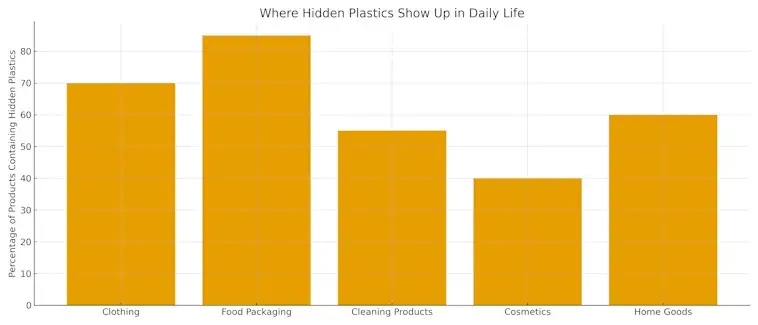
Plastics aren’t just a minor detail, they play a big role across many categories of daily life. This matters because the more we understand where these materials appear, the easier it is to make choices that match our values—both today and down the road.
The Growing Health Risks Linked to Synthetic Litter
Synthetic litter is becoming more than an eyesore. It’s quietly turning into a daily health threat. You see it on roadsides, beaches, and even in parks. Yet the real danger often hides in places we don’t notice. As plastics and other man-made materials break down, they create tiny particles that can slip into our air, water, and food. And over time, these particles can affect our bodies in ways we are only beginning to understand.
This issue is rising fast. Communities around the world are reporting more cases of respiratory irritation, allergies, and even hormone disruption linked to plastic exposure. While research continues, the early signals are clear: synthetic litter isn’t just clutter — it’s a growing public-health concern.
Below are some of the most pressing risks tied to synthetic litter:
- Tiny plastic fragments can enter the lungs as we breathe.
- Chemicals in plastics may interfere with hormone regulation.
- Polluted soil can reduce the quality of locally grown food.
- Contaminated waterways can expose people to harmful microplastics.
- Wildlife exposed to synthetic litter may carry contaminants into the food chain.
As we look ahead, the risks will continue to rise unless everyday habits change. Simple actions — like reducing single-use items and supporting cleanup efforts — can make a real difference. And learning how these materials affect our health is a powerful first step.
By staying informed and taking practical steps, we can limit the impact of synthetic litter and help create healthier spaces for everyone.
How Microplastics Travel Through Homes, Workplaces, and Streets
Microplastics don’t just live in oceans or remote rivers. They move with us—room to room, street to street, and even in and out of our workplaces. Once you start paying attention, you realize they slip through daily life in quiet, almost invisible ways.
And yet, their journey matters. These tiny fragments cling to dust, fabrics, and even the air we breathe. As our modern lifestyles become more synthetic, microplastics follow the flow of our routines. They drift through households as fibers from clothes and carpets. They spread across workplaces through office equipment and packaging. And they swirl through streets on the wind, released from traffic, construction, and urban wear and tear.
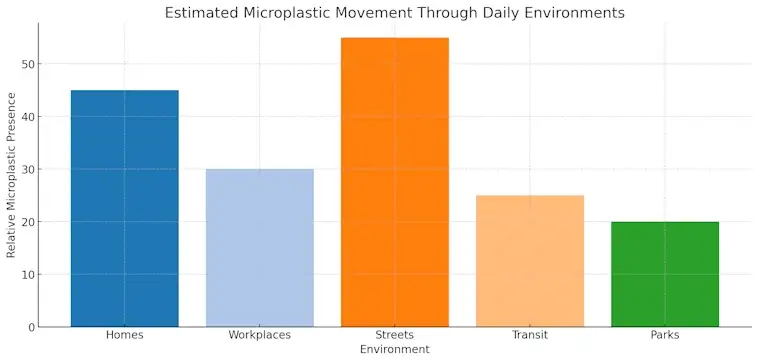
When you look at the big picture, it becomes clear: microplastics travel because we do. Understanding how they move is the first step toward reducing the load around us. That’s why the chart above gives a snapshot of how these particles spread across common everyday environments. It’s a simple way to see where exposure tends to be highest—and where small changes could make a real difference.
Simple Steps You Can Take to Reduce Invisible Pollution
It’s easy to feel overwhelmed by the kind of pollution you can’t see. Yet the truth is that small actions still make a real difference. And when you add them up over weeks and months, they help clear the air you breathe every day. So let’s walk through a few quick, practical habits you can start using right away. They’re simple. They’re doable. And they help push us toward a cleaner future.
Understanding Synthetic Litter in Daily Life
Synthetic litter isn’t just the plastic wrapper you drop by accident. It also includes tiny particles from clothes, packaging, and even common household products. These particles drift through homes and neighborhoods without anyone noticing. But by becoming more aware of them, you can start to cut down your own contribution.
Choose Better Household Products
A good first step is swapping harsh cleaners for low-toxicity alternatives. Today, many brands offer gentle, fragrance-free formulas that still get the job done. This shift helps reduce chemical vapors and micro-particles that often linger indoors.
Wash Clothes the Smart Way
Synthetic fabrics shed microscopic fibers during each wash. Over time, they end up in the air, soil, and waterways. A simple fix is to wash on colder cycles, use shorter programs, and choose a microfiber-catching laundry bag. These options trap more fibers before they escape.
Improve Your Indoor Airflow
Fresh air helps reduce the buildup of chemical residue from cooking, cleaning, or heating. Try opening windows for a few minutes each day. Even in colder weather, short bursts of airflow work wonders. If you use an air purifier, check the filter often and replace it on schedule.
Support Stronger Standards
Regulations shape the products we use and the air we breathe. When you support policies aimed at cleaner manufacturing and safer materials, you help move the market forward. If you’re curious where to start, the EPA’s Air Quality page offers clear, easy-to-follow guidance.
Why Synthetic Litter Matters More Than We Think
As we look ahead, it’s clear that synthetic litter isn’t just another environmental nuisance. It’s a growing threat that quietly shapes the air we breathe, the water we drink, and even the spaces where we unwind each day. Yet, the good news is that small, steady changes can make a real difference.
By paying closer attention to what we buy, how we dispose of it, and the policies we support, we help shift the system. And as more people understand the hidden risks behind synthetic litter, momentum builds. Communities respond. Industries adapt. Cleaner habits spread.
So, while the problem may feel huge, our choices still carry weight. When we stay informed and push for better solutions, we help protect our homes, our neighborhoods, and our future. And that future can be brighter—and far less polluted—than the one we’re heading toward now.