

Where Flood Threats Rise: Hidden Dangers Lurking Near You
Rising Waters: How Flood Threats Are Changing the Future of Our Communities
Flood threats are growing faster than many people realize. Across cities, suburbs, and even small towns, extreme rainfall and rising sea levels are turning once-safe areas into danger zones. What was once a “once-in-a-century” event is now happening every few years, leaving homes, roads, and critical infrastructure at constant risk. Scientists warn that these changes aren’t just about bad weather—they’re reshaping where and how we live.
Behind the headlines, hidden dangers are quietly building. Drained wetlands, aging drainage systems, and paved-over green spaces all make flooding more severe. When heavy rain hits, water has nowhere to go. It surges through neighborhoods, seeps into basements, and disrupts power and water supplies.
Understanding where and why these threats are growing is the first step to staying safe. As weather patterns shift and development spreads, knowing your local risks could make all the difference when the next storm arrives.
Uncovering the Real Flood Threats Behind Everyday Storms
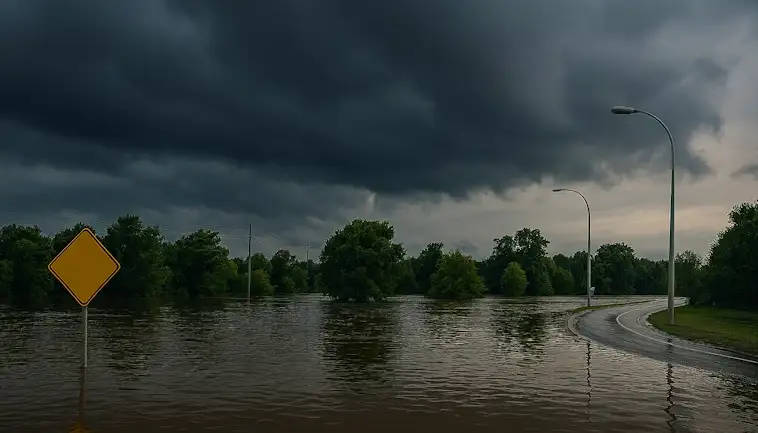
When the forecast calls for rain, most of us grab an umbrella and move on with our day. But behind those passing showers, there’s often a hidden danger—one that’s growing faster than most people realize. Flood threats aren’t just about heavy downpours or hurricanes anymore. They’re becoming part of our everyday weather story.
As our cities expand and the climate shifts, even small storms can now trigger serious flooding. Streets that used to drain easily can turn into fast-moving streams. Basements fill, cars stall, and local businesses face costly cleanup. It’s a reminder that flood risks are no longer limited to “flood zones.” They can happen anywhere rain falls—and that means almost everywhere.
How Urban Design Makes Flooding Worse
Much of the problem comes from the way we’ve built our cities. Concrete and asphalt block rain from soaking into the ground. Storm drains, already under pressure, struggle to keep up. The result? Runoff rushes through gutters and sewers, sometimes overwhelming entire neighborhoods in minutes.
The good news is that communities are starting to rethink how they prepare. “Green infrastructure”—like rain gardens, absorbent pavements, and restored wetlands—is helping cities slow the flow and protect homes. These small changes can make a big difference during a storm.
If you’d like to see how climate change is reshaping flood threats worldwide, check out NOAA’s Climate. Their data-driven insights show how weather patterns are changing and what that means for our future.
By understanding the real flood threats hiding behind everyday storms, we can better protect our homes, our streets, and our sense of security. The next time the skies open up, it’s worth remembering—what looks like an ordinary rain might be anything but.
How Rapid Urban Growth Makes Flooding More Dangerous
Cities are growing faster than ever. But as concrete spreads and green spaces shrink, many urban areas are becoming flood traps. It’s a problem that’s getting worse every year—and it’s not just coastal cities at risk anymore.
When rain falls on natural ground, most of it soaks in. In cities, though, it hits pavement and runs off into streets and drains. As populations grow, more land gets covered by buildings, roads, and parking lots. This means less absorption, more runoff, and a higher chance of floods.
What’s more, many expanding cities haven’t upgraded their drainage systems in decades. They simply weren’t designed to handle today’s storm intensity or tomorrow’s urban size. Combine that with rising sea levels, and the danger multiplies.
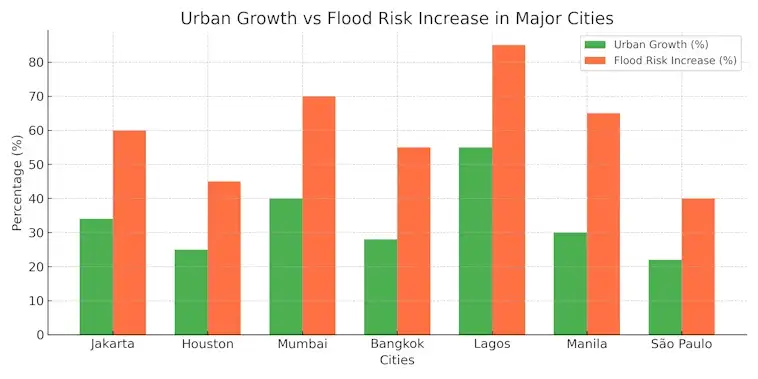
The reality is clear: urban growth without planning creates the perfect setup for disaster. But it also means there’s room for smart solutions—like better water management, green roofs, and stronger flood infrastructure—to turn the tide.
Flood Threats and Climate Change: The Alarming Connection
Flooding is no longer just a seasonal problem. Across the world, communities are seeing more intense storms, rising sea levels, and overflowing rivers. These aren’t isolated events—they’re warning signs of a changing climate. The link between flood threats and climate change is stronger than ever, and it’s something we can’t afford to ignore.
As the planet warms, the air holds more moisture. This means heavier rainfall, flash floods, and more damage to homes, crops, and infrastructure. In coastal areas, melting glaciers and rising seas make flooding a constant risk, even on calm days.
But understanding the risks is the first step toward protecting ourselves.
Here’s what’s driving these flood threats:
- Heavier rainfall — Warmer air traps more water vapor, leading to intense downpours.
- Rising sea levels — Melting ice sheets and expanding oceans push water into coastal zones.
- Urban growth — Paved surfaces block natural drainage, turning cities into flood traps.
- Deforestation — Without trees to absorb water, rain runs off faster, increasing flood risks.
- Outdated infrastructure — Many storm drains and flood defenses weren’t built for modern climate extremes.
These growing threats don’t just damage property—they also endanger lives and livelihoods. Farmers lose crops. Families lose homes. And entire towns can be cut off for days.
Still, there’s hope. Smarter city planning, better early-warning systems, and stronger global cooperation can make a huge difference. The key is acting now, not later.
Communities on the Edge: Who’s Most at Risk When Waters Rise
When the sea creeps closer and storms hit harder, not everyone feels the impact the same way. Some communities stand right in harm’s path. They live with the water at their doorstep and fewer resources to recover when disaster strikes.
Coastal towns often face the first blow. Flooding can wash away homes, jobs, and entire livelihoods. But it’s not just the coast that’s vulnerable. Low-income neighborhoods in cities often sit in flood zones, where drainage is poor and recovery funds are scarce. Island communities and Indigenous lands are also on the frontline, losing ground—literally—to rising seas.
Rural river areas, too, face repeated flooding as rainfall grows more intense. These places are often overlooked, yet they bear the brunt of changing weather patterns. The story here isn’t just about geography—it’s about inequality, resilience, and the urgent need for smarter climate planning.
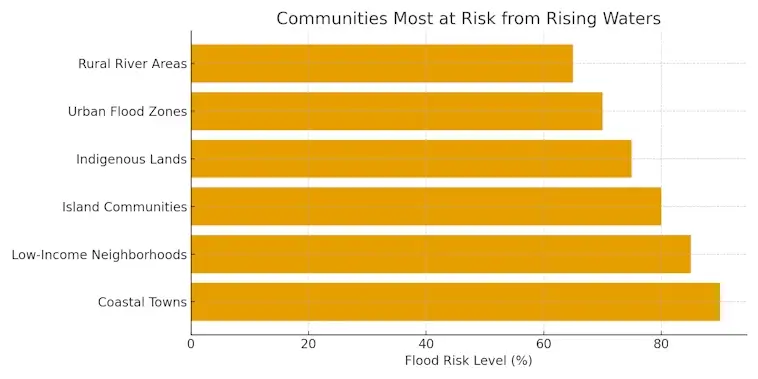
Understanding who’s most at risk helps us see where support, funding, and stronger infrastructure are needed most.
Preparing for the Next Flood: Simple Steps That Save Lives
Floods are becoming more frequent, faster, and far more destructive than most of us expect. One heavy storm can turn quiet streets into rivers in just a few hours. While no one can stop the rain, being prepared can make all the difference between chaos and safety. Let’s talk about how you can get ready—without spending a fortune or losing sleep over it.
Understanding Flood Threats and How to Stay Ahead
Flood threats are not limited to coastal towns anymore. They’re now reaching suburbs, farmland, and even high-ground communities. Many people don’t realize how vulnerable their homes are until the water is already rising. Start by checking your local flood maps and identifying nearby waterways. Knowing your risk helps you act faster when alerts come in.
Next, build a simple emergency kit. Include bottled water, non-perishable food, flashlights, batteries, a first aid kit, and copies of important documents sealed in waterproof bags. Keep it somewhere easy to grab. If you live in a flood-prone area, consider investing in sandbags or flood barriers.
Another crucial step is communication. Make sure every family member knows where to go and how to reach each other if you get separated. Sign up for emergency alerts on your phone, and follow official sources for updates.
Lastly, prepare your home. Clear gutters and drains before heavy rain, elevate electronics or valuables if possible, and move your car to higher ground. Small actions like these can reduce damage and stress when the next big storm hits.
If you want to learn more about community flood preparedness and real-time warnings, check out Ready flood safety page. It’s packed with reliable tips and updates that could help protect your family.
Facing Flood Threats with Awareness and Action
Flood threats aren’t just a concern for people living near rivers or coastlines—they’re a growing reality for communities everywhere. As weather patterns shift and urban areas expand, the risks of sudden flooding continue to rise, often catching people off guard.
Understanding your area’s vulnerability is the first step toward staying safe. Whether it’s checking local flood maps, improving drainage around your home, or keeping an emergency plan ready, small actions can make a big difference.
Flood threats may be unpredictable, but your response doesn’t have to be. Stay informed, prepare early, and help your community do the same. By taking flood threats seriously today, we can reduce the damage—and the danger—tomorrow.