

What Floral Decline Means for Our Fragile Future
Understanding Floral Decline: How It Impacts Ecosystems and Our Survival
Floral decline is turning into one of the quiet forces reshaping the world around us. Gardens look the same at a glance, yet the subtle drop in blooms is already shifting how ecosystems function. As petals fade, so do the pollinators, food chains, and natural rhythms that keep daily life running in the background. And as trends continue, the choices made now matter more than ever.
More people are starting to notice that fewer flowering plants mean fewer bees and butterflies, weaker harvests, and landscapes that feel a little less alive. It’s a change that doesn’t shout, yet its long-term impact could be profound. With new research emerging and climate pressures building, it’s worth looking ahead and understanding how these small losses can snowball into bigger challenges—and what hopeful steps remain within reach.
How Floral Decline Is Reshaping Everyday Ecosystems
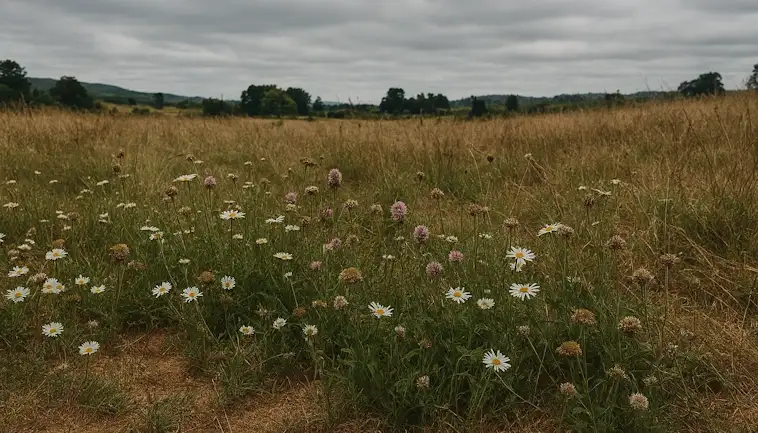
Floral decline is happening around us right now, often in ways we barely notice. Yet its effects are reshaping everyday ecosystems in surprisingly personal ways. As flowers disappear or bloom less often, the natural balance that supports our routines begins to shift. And this shift is speeding up.
You might see fewer bees on your morning walk. Or maybe your local park feels a little quieter. These subtle signs point to a much bigger story. Flowers act as anchors for many species. When they decline, the ripple spreads across insects, birds, and even soil life. And that eventually reaches us.
A Chain Reaction We Can’t Ignore
As floral decline continues, pollinators lose essential food sources. This leads to fewer pollinators, which then affects the plants we rely on for food, beauty, and shade. It’s a chain reaction that touches gardens, farms, and cities. Moreover, it affects the small joys many of us take for granted—like seeing butterflies in summer or hearing birds in spring.
Researchers are tracking these changes closely. If you’d like to explore the science behind it all, the Royal Horticultural Society offers clear insights and practical guidance.
The good news is that small choices still matter. Planting native species, supporting local growers, and reducing chemical use can all help steady the system. And while the future may feel uncertain, every action adds momentum toward recovery.
By paying attention to floral decline today, we make room for a more resilient tomorrow—one where ecosystems stay vibrant, and our daily lives stay connected to the natural cycles that support us.
Why Pollinators Are Struggling to Keep Up
If you’ve noticed fewer bees buzzing around your garden or fewer butterflies drifting through the air, you’re not imagining it. Pollinators of all kinds are having a hard time keeping up with the pace of change in our environment. And as we look ahead, this challenge becomes even more important to understand. After all, these tiny workers support much of the world’s food supply.
Let’s break down what’s going on.
First, our landscapes are shifting fast. Fields, meadows, and wild spaces are giving way to roads, housing, and concrete. As these spaces shrink, so do the safe havens pollinators rely on. At the same time, pesticides and air pollution make their daily work riskier and more exhausting. And as the climate warms, the natural timing of seasons starts slipping out of sync. Flowers bloom earlier or later than usual, leaving pollinators without the food they depend on.
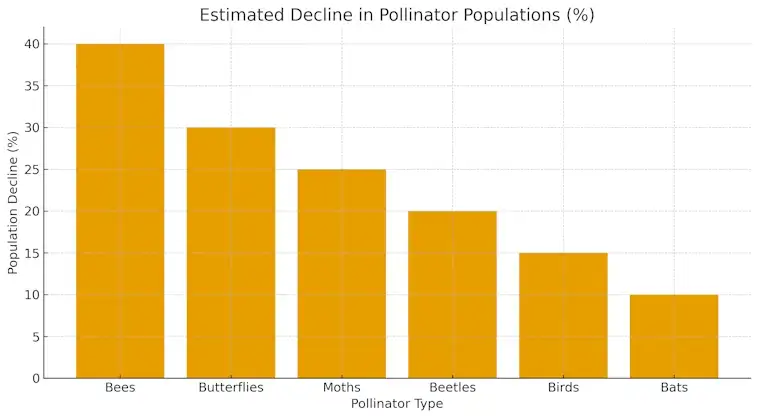
Yet there’s a hopeful side. By understanding these pressures, we can act early. Small choices—like growing diverse plants, reducing chemicals, and restoring natural habitats—add up. And more people are paying attention than ever before, which means real change is possible.
Floral Decline and the Hidden Risks to Our Food Supply
Floral decline is easy to overlook because it happens slowly. Yet it affects far more than the flowers we see in parks or gardens. It shapes the stability of our food system. And it touches our everyday lives in ways we rarely stop to consider.
As flowers disappear, so do the insects that depend on them. This creates a chain reaction. Suddenly, crops that once relied on healthy pollinator activity begin to struggle. Yields fall. Costs rise. And food becomes less secure for communities everywhere.
But there’s good news. Once we understand the problem, we can act early. And we can support the ecosystems that sustain our food supply.
Here’s why floral decline matters more than most people realise:
- Loss of wildflowers reduces pollinator health.
- Pollination gaps lower yields for fruits, nuts, and vegetables.
- Monoculture farming limits floral diversity across large regions.
- Climate shifts disrupt blooming seasons and pollinator timing.
- Pesticide exposure weakens pollinator immune systems.
- Declining plant diversity makes ecosystems less resilient to stress.
If you want to dig deeper into how global agriculture depends on plant diversity, the Food and Agriculture Organization offers helpful background.
Understanding floral decline is the first step. The next step is choosing practices and policies that help restore natural habitats, support pollinators, and protect the foods we rely on.
Climate Pressure and the Future of Blooming Seasons
Plants have always been reliable timekeepers. For generations, we’ve counted on certain flowers to signal the start of spring. Yet today, those natural cues are shifting. And as the climate warms, blooming seasons are feeling the pressure. You might have noticed it yourself—flowers opening earlier, pollen arriving sooner, and seasons feeling just a little “off.”
This quiet shift is more than a quirky change. It affects food supplies, wildlife, and even our own daily routines. And as we look toward the future, these changes are set to reshape the natural rhythms we once took for granted.
Let’s walk through what’s happening. Over the past few decades, average blooming dates have been creeping earlier. Scientists link this to rising temperatures and shorter winters. While a few days here and there may not seem dramatic, the long-term trend tells a different story. Because when plants bloom earlier, ecosystems struggle to stay in sync. Bees may miss early blossoms. Birds may struggle to find food. Farmers may face unpredictable harvests.
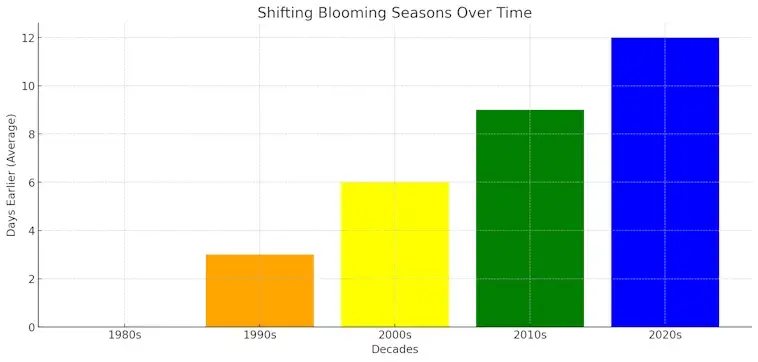
Looking ahead, we should expect blooming seasons to continue shifting. But there’s good news. By tracking these changes, we can better plan for what’s next—from smarter planting calendars to greener urban design.
Steps That Can Help Restore Balance in Our Local Landscapes
If you’ve ever looked around your neighborhood and felt that the natural world seems a little out of sync, you’re not imagining it. Many local landscapes are under pressure. Yet there’s good news. Small, practical steps can begin to shift things back toward balance. And when more people join in, the impact grows fast.
Let’s walk through a few ideas that are simple to start and surprisingly effective. These steps reflect what many communities are doing right now, and what more will embrace in the years ahead.
Understanding Floral Decline and What You Can Do
Plants are the backbone of any healthy landscape. But many regions are seeing fewer flowering plants than they once had. This floral decline quietly disrupts food webs and weakens local ecosystems. Fortunately, you can help turn this around.
Begin with your own outdoor space. Even a small corner of a yard or balcony can support more native plants. Choose varieties that bloom at different times of year so pollinators always have something to feed on. It’s an easy shift that supports bees, butterflies, and other vital species.
Next, pay attention to how often you trim, mow, or clear vegetation. Allowing patches of wild growth—even small ones—creates micro-habitats. Over time, these areas invite birds, insects, and soil life back in. It’s a quick way to welcome more biodiversity.
Also, consider reducing or replacing chemical fertilizers and pesticides. Natural alternatives are becoming more common, and many work just as well without harming surrounding wildlife. As these options evolve, they’ll likely become the norm.
If you want to explore broader community efforts, this guide from the National Wildlife Federation is a helpful resource.
By taking these steps, you’re not only restoring balance to local landscapes. You’re also helping build a future where nature has more room to breathe—and so do we.
Why Floral Decline Deserves Our Full Attention
Floral decline is more than a scientific concern. It’s a real-world warning sign that touches everything from our food supply to the feel of our neighborhoods. As we look ahead, it’s clear that healthier ecosystems will depend on the choices we make today. And the good news is that small steps—like planting native species, supporting local growers, or backing community conservation work—can spark meaningful change.
As you move forward, remember this: when flowers disappear, the ripple effects are wide and long-lasting. Yet when we nurture plant life, we strengthen the natural systems that support us all. By staying informed and staying involved, you help build a future where color, scent, and biodiversity don’t fade, but thrive.