

Discover How Animal Habitats Shape Our Planet’s Future
Why Protecting Animal Habitats Today Will Decide Tomorrow’s World
Animal habitats play a bigger role in our future than most people realise. They influence weather patterns, food security, and even the stability of entire regions. As these environments shift, they quietly signal what may be coming next for all of us. Understanding how they function today helps us see where our planet is heading tomorrow.
As conditions change, new patterns emerge. Species move, landscapes transform, and the balance that once kept ecosystems steady begins to shift. This ripple effect reaches far beyond forests, oceans, and grasslands. It shapes how communities grow, how resources are shared, and how resilient our world can be.
Looking ahead, the choices we make about conservation and land use will decide more than the fate of wildlife. They will also influence how a warmer, more unpredictable planet treats future generations. By paying attention to these transformations, it becomes easier to think about solutions that benefit both nature and people.
Animal Habitats and Why They Matter More Than Ever
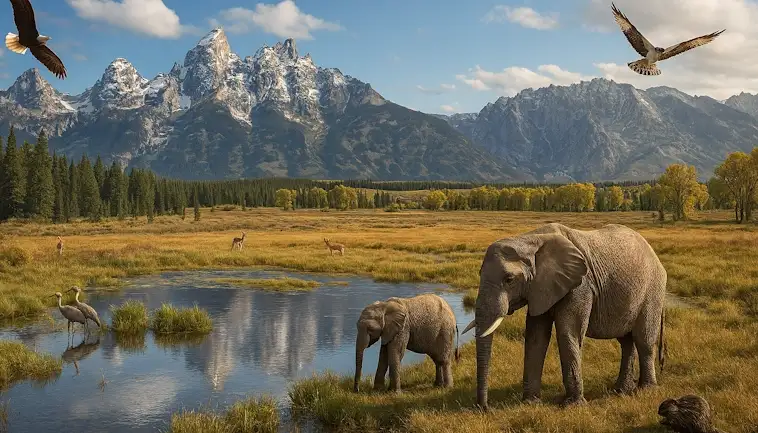
When we talk about animal habitats, we’re really talking about the places that keep life on Earth steady and thriving. And yet, these spaces are shrinking faster than most people realize. As climates shift and landscapes change, animals are being pushed into tighter corners. This creates a ripple effect that eventually reaches us, too.
Today, it’s more important than ever to understand why these habitats matter. They’re not just scenic backgrounds. They’re complex systems that protect species, support food chains, and even help stabilize our weather. When they break down, we feel it—sometimes in ways we don’t expect.
A Closer Look at Nature’s Neighborhoods
Every animal habitat plays a role. Forests filter our air. Wetlands soak up floodwaters. Oceans regulate temperatures. These natural spaces work quietly in the background, day after day. And because they do their job so consistently, it’s easy to forget how fragile they really are.
As pressures mount, we need to think forward. Restoring damaged habitats isn’t only about saving wildlife. It’s also about building a more resilient future for ourselves. Small actions—like supporting conservation groups or choosing products that protect wild spaces—add up faster than you’d think.
If you’d like to explore practical steps anyone can take, the World Wildlife Fund offers helpful guidance.
When we protect animal habitats, we protect the stability of our own world. It’s all connected, and we all benefit when those connections stay strong.
How Changing Ecosystems Reveal Our Planet’s Next Big Challenges
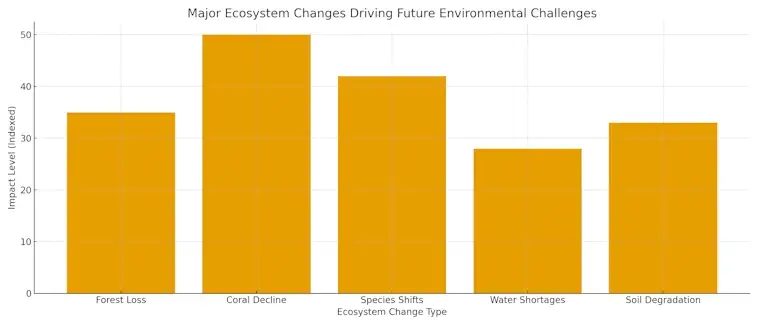
Our planet is shifting in ways that feel subtle at first. Yet, as these changes build, they start to shape the world we live in today—and the one we’ll face tomorrow. You can already see it in thinning forests, declining coral reefs, and shifting wildlife patterns. These trends may seem distant, but they’re early signals of much bigger challenges ahead.
As ecosystems change, they quietly rewrite the rules of daily life. Food systems wobble. Water supplies become strained. Regions once stable begin to see new weather extremes. And while this all sounds daunting, understanding these patterns early gives us a powerful advantage.
We’re standing at a moment where paying attention truly matters. And, with the right choices, we can stay ahead of the curve.
Animal Habitats as a Blueprint for a Sustainable Future
When we talk about animal habitats, we’re really talking about the living systems that keep our planet steady. These spaces may seem distant from our daily routines, yet they quietly guide how we design cities, farms, and even new technologies. As we face a warming world, it helps to look at how nature already solves problems we struggle with. And as it turns out, animal habitats offer some surprising clues.
Think about forests that regulate water, coral reefs that protect coastlines, or wetlands that filter pollution. These natural spaces do the heavy lifting without any fanfare. When we study how they work, we start to see practical lessons for building cleaner and more resilient communities.
Here are a few ways animal habitats inspire smarter choices:
- They show how to balance resources without waste.
- They offer models for low-energy design based on natural cycles.
- They help us understand how diverse ecosystems stay strong.
- They demonstrate how to restore damaged land using slow, steady growth.
- They remind us that long-term health comes from cooperation, not competition.
As we look ahead, using these natural blueprints can help us design systems that last. It’s not about copying nature perfectly. It’s about noticing how it thrives, even under pressure, and applying those ideas to our own challenges.
If you’d like to explore how ecosystems function in more detail, the National Wildlife Federation has a helpful overview.
By seeing animal habitats as more than scenery, we open the door to a future that works with nature instead of against it. That shift can change everything—from how we build homes to how we protect the places we love.
The Hidden Links Between Wildlife Loss and Human Well-Being
When we talk about wildlife loss, it often feels like a distant problem. After all, most of us don’t cross paths with endangered species or shrinking habitats in our daily routines. Yet the truth is surprising. As wildlife disappears, the ripple effects reach right back to us. And they’re already shaping how we live, work, eat, and stay healthy.
Let’s start with a simple idea: nature works as a connected system. When one part weakens, the whole network starts to wobble. As a result, we feel the impact in ways we don’t always notice at first. However, once you look a little closer, the links become hard to ignore.
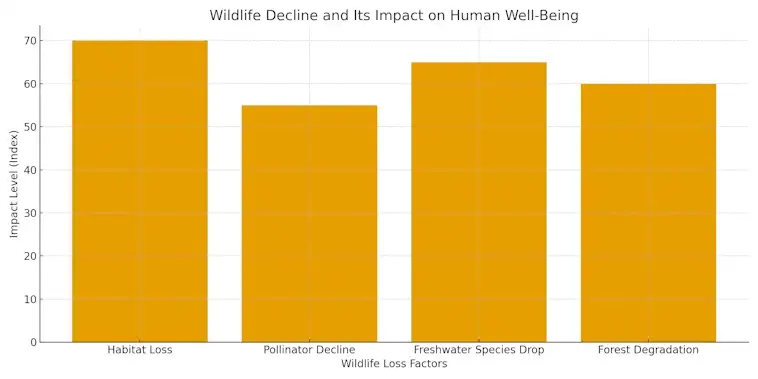
Take pollinators, for example. Bees and butterflies quietly support the food on our plates. But as they decline, crop yields drop. This means higher food prices and fewer nutritious options. And that’s just one thread in a much bigger story.
Freshwater species are another early warning signal. When fish, amphibians, and river wildlife decline, it often points to pollution or water scarcity. Both directly affect human health and community stability. Meanwhile, the loss of forests—home to countless species—means less natural protection from flooding, heatwaves, and dirty air.
As we move forward, these connections will only grow more important. And this is why paying attention to wildlife isn’t just about saving animals. It’s also about securing our own future. By protecting ecosystems today, we build healthier, more resilient communities tomorrow.
What Protecting Natural Spaces Can Teach Us About Tomorrow
When we talk about the future, we often jump straight to new tech or bold ideas. Yet the lessons we need most are already out there, quietly unfolding in the natural places we still have left. These spaces remind us how to slow down, pay attention, and think long-term. And as our world changes, these lessons matter more than ever.
Protecting natural areas isn’t just about saving pretty landscapes. It’s about learning how systems support life, including our own. When we see how forests, wetlands, and coastlines work together, we get a clearer sense of what resilience really looks like. This knowledge helps us plan smarter for tomorrow. It shows us that small choices stack up. It also shows us that recovery is possible when we give nature room to breathe.
Why Animal Habitats Hold the Clues We Need
Healthy animal habitats offer a simple message: balance creates strength. When wildlife has space to thrive, entire ecosystems become more stable. That stability trickles outward. It shapes cleaner air, safer water, and even more reliable local climates. As we look ahead, these patterns offer a guide. They show us how to build communities that support both people and the planet.
And here’s the inspiring part. Every protected stretch of land or water teaches us something. It teaches us patience. It teaches us cooperation. It teaches us how connected we really are. When we defend these spaces, we aren’t just preserving the past. We’re practicing for the future.
Let’s keep learning from the natural world—because the more we protect it today, the more prepared we’ll be for what’s coming next.
Why Protecting Animal Habitats Shapes Tomorrow
As we look ahead, it becomes clear that animal habitats are more than places where wildlife lives. They are the engines of healthy ecosystems, and they quietly support our own well-being every day. When these spaces thrive, they help stabilize the climate, keep water clean, and protect food systems. And when they decline, the ripple effects reach us faster than we expect.
By paying attention to how animal habitats change, we gain a clearer view of our planet’s direction. We also discover where small actions can spark real improvement. Whether it’s restoring wetlands, preserving forests, or supporting smarter land use, every choice pushes us toward a more resilient future.
In the end, it’s about shaping a planet where communities, economies, and wildlife can move forward together. And that future is still ours to build.