

Are Airborne Toxins Slowly Poisoning Our Cities?
The Hidden Health Crisis: How Airborne Toxins Are Transforming City Life
Every breath we take in busy city streets carries more than just oxygen. Hidden among the dust and exhaust are airborne toxins, microscopic pollutants that quietly build up in our bodies over time. They don’t always make headlines, but their effects are showing up everywhere, from rising asthma rates to subtle changes in brain health.
Across the world, urban air is becoming a complex cocktail of chemicals from traffic, construction, and industrial waste. Even the so-called “clean” areas aren’t immune, as winds and weather patterns carry these toxins far beyond their sources. Scientists warn that long-term exposure could reshape public health in ways we’re only beginning to understand.
As cities grow and industrial demands increase, the question isn’t just how to reduce pollution—it’s how to protect ourselves from what we can’t see. Cleaner air isn’t a luxury; it’s a necessity for the future of healthy urban living.
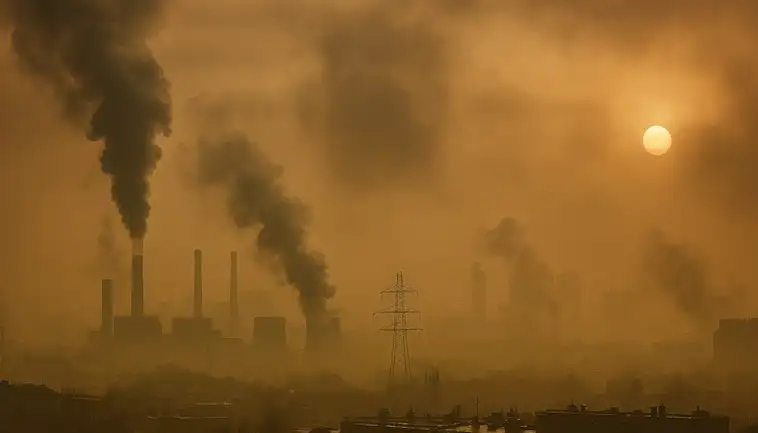
How Airborne Toxins Sneak Into Everyday City Life
Ever wonder why the air in cities sometimes feels heavier, even on clear days? It’s not just traffic fumes or industrial smog — it’s airborne toxins. These invisible particles drift through the air, quietly finding their way into our homes, workplaces, and even our bodies. And the most surprising part? They’re often hiding in plain sight.
We breathe them in every time we step outside, open a window, or even take public transport. Airborne toxins come from car exhaust, construction dust, chemical cleaners, and even the paint on nearby buildings. Over time, these pollutants build up in the air, turning what seems like a fresh city breeze into a cocktail of unseen chemicals.
The Hidden Pathways of Urban Air
Airborne toxins move easily through city spaces. They settle on clothes, cling to hair, and float inside through ventilation systems. Once indoors, they don’t just disappear — they circulate, mix with dust, and linger. That’s why air purifiers and green indoor plants are becoming more than a lifestyle choice; they’re part of a growing need for cleaner living.
Researchers have linked prolonged exposure to airborne toxins with respiratory problems, fatigue, and even cognitive decline. The good news? Cities are slowly catching on. Some are planting “green walls,” enforcing cleaner construction standards, and encouraging the use of electric public transport to cut emissions.
For a deeper look at how pollution impacts urban health, you can explore data and insights from the World Health Organization.
The bottom line: we can’t escape city air — but we can make it cleaner. Small changes, from using low-emission products to supporting clean air initiatives, make a real difference. After all, awareness is the first step toward breathing easier in the cities we call home.
The Hidden Health Costs of Breathing Urban Air
City life has its perks — fast Wi-Fi, endless food options, and the energy of people on the move. But there’s a silent cost we rarely talk about: the air we breathe. Urban air might look clear on a sunny day, yet it’s often packed with invisible pollutants that slowly chip away at our health.
Every breath in a city carries a mix of microscopic particles and gases from traffic, factories, and even construction dust. Over time, this cocktail can increase the risk of heart disease, asthma, lung cancer, and even cognitive decline. It doesn’t happen overnight, which makes it easy to ignore. But those tiny particles add up.
The World Health Organization estimates that air pollution causes millions of premature deaths each year. Even low levels of pollution can trigger symptoms in sensitive groups, including children, older adults, and people with pre-existing conditions. What’s more, new studies suggest that exposure during childhood can have lifelong health effects.
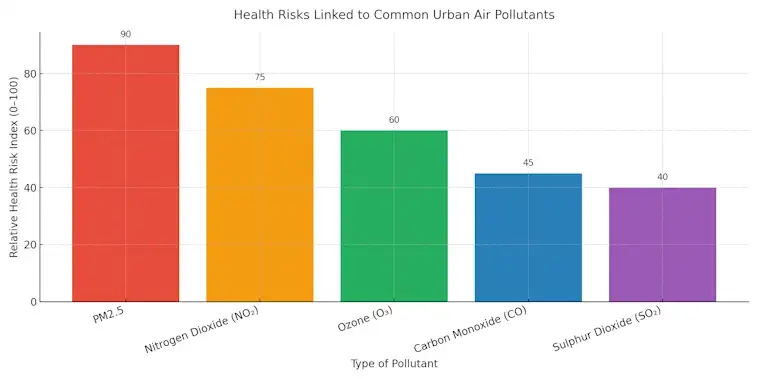
But here’s the good news: awareness is growing. More cities are investing in clean air programs, electric transport, and green spaces that help filter pollution naturally. And individuals can take action too — from choosing walking routes away from busy roads to supporting policies that prioritize clean air.
Why Airborne Toxins Are Becoming a Global Urban Threat
If you’ve noticed the air in cities feeling heavier lately, you’re not imagining it. Across the world, airborne toxins are becoming a serious urban threat. These invisible pollutants are quietly shaping how we live, breathe, and even how long we live. What’s more alarming is that many of these toxins come from everyday sources — cars, construction sites, power plants, and even our own homes.
As cities expand and industrial activity grows, the air we share is changing fast. Urban pollution isn’t just about smog anymore. It’s a complex mix of chemicals, fine particles, and gases that move through the air we breathe every day. And while we may not see them, the impact is real — on our health, climate, and quality of life.
Here’s what’s driving the rise of airborne toxins in urban areas:
- Traffic emissions: Vehicle exhaust releases nitrogen dioxide, carbon monoxide, and microscopic particles that linger in city air.
- Construction and dust: Constant building and demolition stir up fine dust containing heavy metals and silica.
- Industrial output: Factories and power plants continue to emit chemicals that can travel miles before settling.
- Indoor sources: Poor ventilation and cleaning products can worsen indoor air quality — often more than outdoor air.
- Climate change: Rising temperatures can trap pollutants closer to the ground, intensifying smog and respiratory risks.
The effects reach far beyond coughing or watery eyes. Long-term exposure to airborne toxins can increase the risk of heart disease, stroke, and lung cancer. It also affects children’s development and worsens allergies and asthma.
But it’s not all bad news. Cities around the world are beginning to act — tightening emission standards, promoting cleaner transport, and rethinking how urban spaces are designed. If we keep pushing for cleaner energy and greener infrastructure, the air in our cities can recover.
Technology’s Role in Detecting and Reducing City Pollution
Cities are buzzing with life, but they’re also buzzing with pollution. The good news? Technology is stepping up in a big way. From smart sensors to satellites, new tools are helping us see and solve what was once invisible.
Take air quality sensors, for example. They’re popping up on streetlights, buses, and even personal devices. These tiny machines track pollution in real time, giving city planners and residents the data they need to act fast. Then there’s AI and machine learning — quietly analyzing patterns, predicting pollution spikes, and suggesting smarter, cleaner routes for traffic.
Meanwhile, satellite monitoring paints a global picture, showing how city emissions shift with weather or time of day. Smart traffic systems are also cutting congestion, reducing the fumes that come from idling cars. And let’s not forget green building tech — from cleaner materials to energy-efficient designs — helping lower emissions right where we live and work.
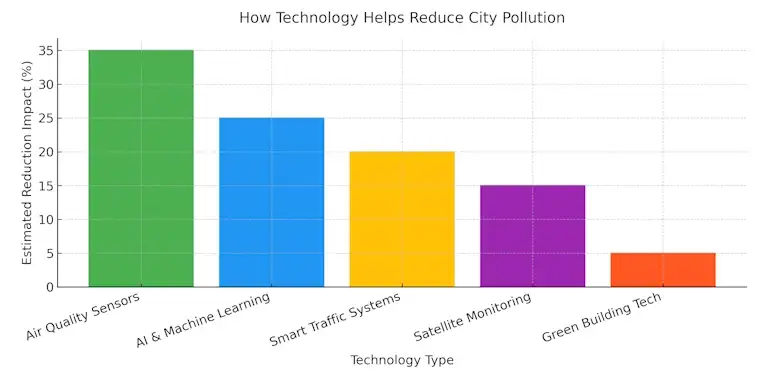
The big takeaway? When we mix innovation with intention, cities can breathe easier. The technology is here; it’s just a matter of using it wisely and widely.
What We Can Do Now to Protect Ourselves and Our Cities
The good news is that while air pollution feels overwhelming, there’s plenty we can do—both personally and collectively—to make a real difference. It starts with small, daily choices and grows into bigger actions that push for cleaner, healthier cities.
Let’s be honest: we can’t just hold our breath and wait for someone else to fix it. Air quality affects how we live, breathe, and even think. But the moment we start paying attention, things begin to change.
Understanding and Reducing Airborne Toxins
The first step is awareness. Many airborne toxins, like fine dust, chemical fumes, and microplastics, aren’t visible. Yet they silently build up in our lungs and our neighborhoods. Investing in a simple air quality monitor at home can help you track what’s really going on around you.
You can also take action by switching to greener transport—walk, bike, or use public transit when possible. These choices don’t just reduce emissions; they send a message that cleaner air matters. And if you drive, keep your car well-maintained and avoid idling.
Cities, too, play a major role. Green infrastructure—like rooftop gardens, urban trees, and low-emission zones—can drastically cut pollution. Pushing local councils to adopt these solutions can help reshape how our communities breathe.
Even indoors, you have power. Use plants that naturally clean the air, improve ventilation, and avoid products with harsh chemicals. The goal isn’t perfection—it’s progress, step by step.
If you want to dive deeper into the science and strategies behind improving air quality, the World Health Organization’s clean air guidelines are a great place to start.
Because at the end of the day, protecting ourselves means protecting our cities too—and that’s something we all have a hand in.
The Air We Breathe Is a Call to Action
It’s easy to forget that every breath we take connects us to the world around us. But as airborne toxins quietly build up in our cities, that connection is becoming more dangerous. The truth is, the pollution we can’t see is reshaping our health, our climate, and even our future.
The good news? Change starts small—right where we live. From supporting clean-air initiatives to choosing public transport or pushing for stricter emission standards, every action helps clear the air. Cities thrive when their people care enough to protect them.
So the next time you step outside, take a moment to really notice the air. Then ask yourself: what can I do today to make it cleaner tomorrow? Because the future of our cities—and our lungs—depends on it.