

Species Recovery Efforts That Are Changing the World
How Global Species Recovery Efforts Are Bringing Nature Back to Life
Around the world, species recovery is quietly reshaping our relationship with nature. From mountain forests to coral reefs, dedicated efforts are bringing endangered animals back from the brink. These programs don’t just protect wildlife — they restore entire ecosystems, revive local economies, and remind us that nature can heal when given the chance.
What’s especially powerful is how science, technology, and community action are now working together. Drones monitor breeding grounds. Genetic research boosts population diversity. And local communities are becoming guardians of habitats that sustain life far beyond their borders. Each success story shows that recovery isn’t just possible — it’s happening right now.
As awareness grows, these efforts are setting a global example of resilience and renewal. They prove that when people act with purpose, even the most fragile species can thrive again.
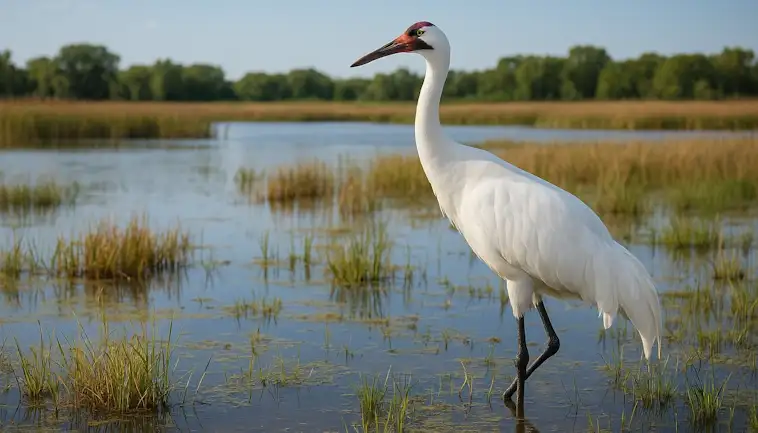
How Species Recovery Is Reversing the Tide of Extinction
For years, it felt like we were losing the race against extinction. Species were vanishing faster than we could count them. But something remarkable is happening now — a quiet comeback. Around the world, species recovery efforts are proving that when humans act with purpose, nature responds with resilience.
From the gray wolves roaming Yellowstone to the humpback whales thriving once again in our oceans, the stories of recovery are spreading hope. These aren’t isolated wins. They’re signs that conservation strategies, when done right, can heal entire ecosystems.
Small Steps, Big Impacts
Every success starts small. Protecting a breeding ground here. Replanting native forests there. Reducing pollution or curbing illegal hunting. Each step adds up — and the ripple effects are powerful. For instance, when beavers returned to parts of the UK, they didn’t just rebuild dams. They revived wetlands, improved water quality, and created new homes for countless species.
What’s exciting is how technology is helping, too. From satellite tracking to genetic research, scientists now have tools to monitor and boost recovery efforts more effectively than ever. And communities are getting involved, proving that conservation isn’t just for experts — it’s for everyone who cares about the planet’s future.
If you’d like to explore real-world examples, check out the IUCN Red List to see how coordinated action is needed to bring species back from the brink.
The lesson is clear: species recovery works when we stay committed. Nature can bounce back, and so can we — but only if we keep pushing forward, one restored habitat at a time.
Community-Led Conservation: Restoring Balance to Fragile Ecosystems
Across the world, local communities are stepping up to protect and restore fragile ecosystems. From mangrove forests and coral reefs to dry grasslands and wetlands, the power of collective action is turning the tide on environmental decline. It’s proof that when people work together with nature—not against it—real change happens.
Community-led conservation goes beyond planting trees or cleaning rivers. It’s about empowering local people who understand their environment best. They monitor wildlife, manage resources, and make decisions that ensure the land, water, and air remain healthy for generations to come. This hands-on, local approach is often more sustainable than top-down policies because it builds ownership, knowledge, and long-term commitment.
For example, in Kenya, community conservancies have restored degraded savannas, bringing back wildlife and boosting eco-tourism. In Indonesia, coastal villages are replanting mangroves that protect them from floods while providing nursery grounds for fish. These stories show that conservation doesn’t have to come from big institutions. It can—and often should—start at the community level.
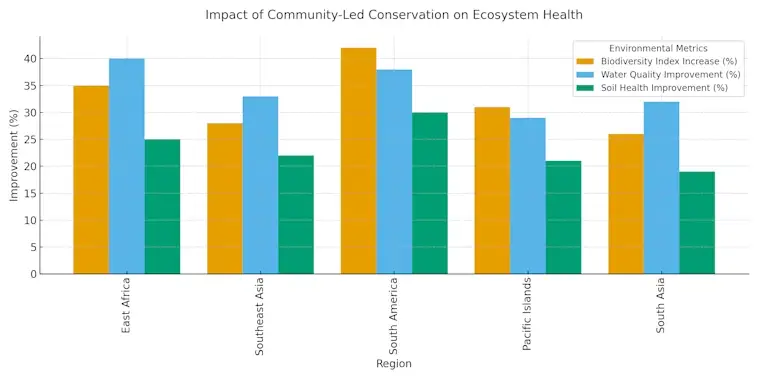
Still, challenges remain. Funding is often limited, and communities need ongoing support and training. But the results speak for themselves: healthier ecosystems, stronger local economies, and a deeper connection between people and the planet.
Species Recovery Success Stories That Inspire Global Action
Sometimes, it’s easy to feel like the planet’s wildlife is losing ground. But here’s the good news — species recovery is happening all over the world, and it’s proving that with focus and collaboration, nature can bounce back. These stories remind us that even when the odds look impossible, action and persistence make a real difference.
Across continents, dedicated conservation teams, local communities, and even everyday people are helping endangered species rebuild their populations. From restoring lost habitats to breeding programs and stronger legal protections, the results are genuinely inspiring.
Let’s take a look at a few examples of what successful species recovery looks like in action:
- The Bald Eagle (USA): Once on the brink due to pesticides, the bald eagle has soared back thanks to strict bans and protection laws.
- The Giant Panda (China): Focused habitat restoration and bamboo forest preservation have helped panda numbers climb steadily.
- The Humpback Whale (Global): Once nearly wiped out by commercial whaling, global bans have allowed their populations to rebound dramatically.
- The Arabian Oryx (Middle East): Reintroduction programs brought this desert antelope back from extinction in the wild.
- The European Bison (Europe): Careful breeding and forest rewilding projects have revived herds across Eastern Europe.
Each of these victories started with a clear plan, steady funding, and a belief that recovery was possible. They show us that species recovery isn’t just a dream — it’s a practical, proven process.
But there’s still more to do. These success stories should inspire global cooperation and encourage us to keep investing in conservation. If we keep learning from what’s worked and apply those lessons widely, future generations could live in a world that’s even more alive and diverse.
For more information on global wildlife recovery efforts, check out WWF’s Wildlife Conservation Reports.
Innovations Driving the Next Wave of Wildlife Protection
Wildlife protection is entering a new era. Technology and innovation are now some of the most powerful tools in conservation. From drones that track endangered species to AI systems that predict poaching hotspots, new solutions are reshaping how we protect nature.
In the past, conservation relied heavily on fieldwork and observation. But today, data and digital tools are giving conservationists a major boost. For example, smart collars can monitor animal movements in real time. Drones can scan vast landscapes that were once impossible to patrol. And machine learning can analyze satellite images to detect illegal logging or habitat loss before it’s too late.
Even local communities are getting involved through mobile apps that let them report wildlife sightings or threats. These real-time updates help conservation teams respond faster and more effectively. At the same time, eco-friendly innovations—like solar-powered fences and biodegradable tracking tags—are reducing harm to the very species they aim to protect.
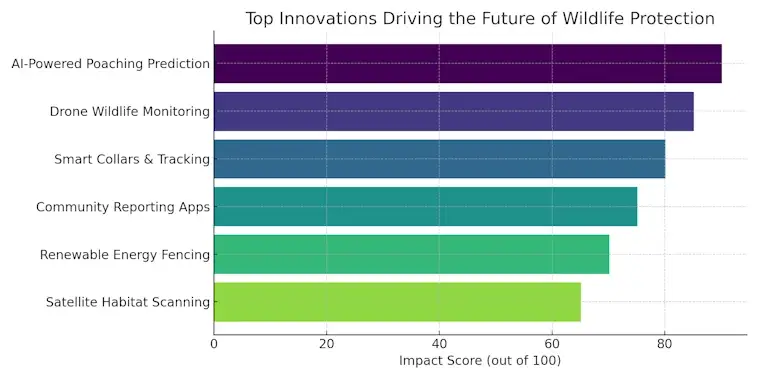
Looking ahead, the combination of AI, renewable energy, and community-led conservation could be the game-changer we need. It’s not just about saving individual species anymore. It’s about building an intelligent, connected network that keeps entire ecosystems in balance.
What We Can All Do to Support a Future Rich in Biodiversity
If we want a future full of life — buzzing bees, singing birds, thriving forests — we all have a part to play. The good news is that protecting biodiversity isn’t just for scientists or conservationists. It’s something each of us can help nurture in everyday ways.
Start right where you are. Even a small garden or balcony can become a mini sanctuary. Planting native flowers supports local pollinators and gives birds and insects a place to feed and rest. Avoid using harsh chemicals, too. Natural alternatives not only protect your soil but also help keep nearby waterways clean.
You can also support biodiversity through the choices you make as a consumer. Buy from companies that prioritize sustainable farming, forestry, and fishing. Look for certifications like Fair Trade or Rainforest Alliance — they often signal practices that protect wildlife and their habitats.
Volunteering or donating to local conservation projects is another powerful way to help. Whether it’s cleaning up beaches, reforesting local parks, or joining a citizen science project, your time can make a measurable difference.
The Path to Species Recovery
One of the most hopeful signs of progress comes from species recovery programs. Around the world, endangered species are being reintroduced into safe, restored habitats. These efforts show that when we protect ecosystems, nature has an incredible ability to bounce back.
A thriving planet starts with awareness — and action. By caring for nature, we’re also caring for ourselves. After all, biodiversity isn’t just about saving animals or plants; it’s about ensuring a balanced, healthy world for future generations.
A New Era for Nature: How You Can Help Shape the Future of Species Recovery
As we’ve seen, species recovery isn’t just about saving animals or restoring habitats — it’s about rebuilding balance on our planet. From innovative breeding programs to rewilding projects that bring life back to once-lost ecosystems, these efforts show what’s possible when science, communities, and passion come together.
But the work doesn’t stop here. Every small action — from supporting conservation groups to making sustainable choices — helps push these recovery efforts further. The future of wildlife depends not only on large-scale programs but also on everyday people who care enough to act.
So, take a moment to get involved. Share what you’ve learned, support local conservation initiatives, or explore how your lifestyle can make a difference. Together, we can turn today’s recovery efforts into tomorrow’s thriving wild world.