

Early Signs Your Area Faces a Drought
Is Your Area Drying Out? Early Drought Warning Signs to Watch For
Dry lawns, shrinking rivers, and empty reservoirs often don’t happen overnight. Drought starts quietly, with subtle changes that are easy to overlook until the signs become hard to ignore. Whether you live in a rural farming region or a busy city, recognizing the early warning signals can help protect your home, garden, and community before water shortages take hold.
As rainfall patterns shift and temperatures rise, small clues begin to appear — from lower soil moisture and wilting plants to unusual wildlife behavior. Paying attention to these early indicators gives you a valuable head start. You can make smarter choices about water use, prepare your property for dry conditions, and help reduce the long-term impact on your local ecosystem.
Understanding the First Warning Signs of a Drought
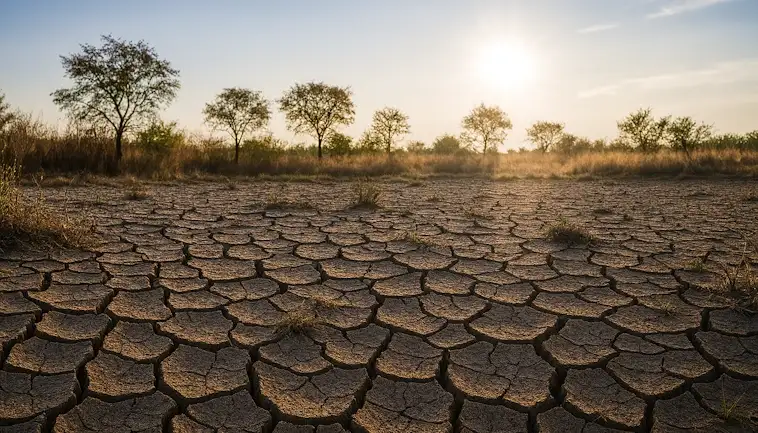
Drought doesn’t arrive overnight. It creeps in quietly, often disguised as just another dry spell. But if you know what to look for, the early warning signs are right there — in the soil, the sky, and even your own backyard. Recognizing them early can make all the difference in how communities prepare and respond.
The first signs usually begin with small but noticeable changes. You might see lawns turning brown sooner than usual, rivers running lower, or local reservoirs dipping below their normal levels. Farmers often notice it first — crops start to wilt, and the ground becomes harder to till. These early shifts are nature’s way of sounding the alarm before things get worse.
When the Rain Stops, the Trouble Begins
After just a few weeks without steady rainfall, the soil starts to lose its moisture. Plants begin to stress, leaves curl, and the air feels drier. Wildlife also reacts — birds migrate earlier, and animals search farther for water. If dry conditions persist, water restrictions can soon follow, and that’s when drought moves from a rural concern to a community crisis.
Being aware of these signs helps everyone — not just farmers. Gardeners, local councils, and even homeowners can track rainfall patterns and soil moisture levels to spot problems early. Staying informed through reliable resources like The National Drought Mitigation Center can help you understand local conditions and prepare before it’s too late.
Droughts remind us how fragile our connection to water really is. By paying attention to the early signs, we can take steps to protect our land, our food, and our future.
Why Your Local Weather Patterns Might Be Changing
Have you noticed how summers seem hotter, rainstorms feel heavier, or droughts last a little longer than they used to? You’re not imagining it. Weather patterns are shifting — and it’s happening right in our backyards.
Over the past few decades, local climates have started to reflect bigger global changes. Warmer oceans, melting ice, and rising greenhouse gases are all feeding into the system. The result? Your town’s weather might not behave the way it once did. Heatwaves that used to hit once every few years are becoming annual events. Rainfall is getting more intense in shorter bursts, while dry spells stretch longer than before.
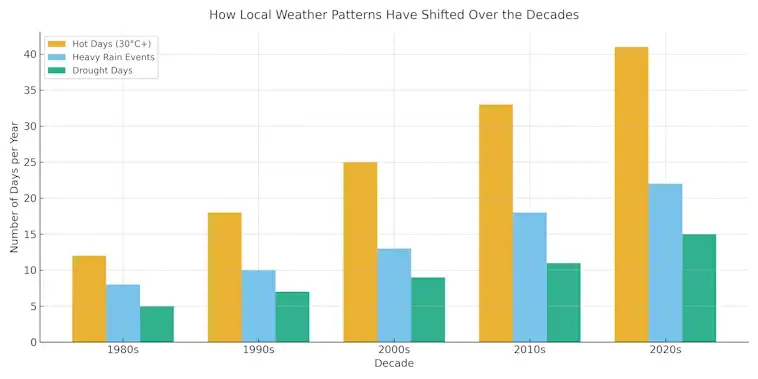
These shifts affect everything — from how we grow food to how we cool our homes. And while global climate change can feel distant, these local changes make it personal. It’s a clear reminder that the climate story isn’t just global; it’s also local.
How to Spot Drought Conditions Before They Get Severe
When a drought begins, it rarely makes headlines at first. The ground may look fine, the grass still green, and the air dry but not alarming. Yet beneath the surface, the signs of a developing drought are often already there. Knowing what to look for early can help communities, farmers, and even everyday homeowners prepare before things get serious.
Drought isn’t just about a lack of rain. It’s a slow, creeping process that builds over time. By paying attention to a few early indicators, you can often spot trouble long before it hits the news.
Here’s what to watch for:
- Dry, cracked soil — When moisture levels drop, soil starts to harden and crack. Plants begin to struggle, and lawns lose their lush color.
- Dropping water levels — Keep an eye on rivers, lakes, and reservoirs. A consistent decline over several weeks is a red flag.
- Unusual plant stress — Trees shedding leaves early or crops showing stunted growth are often early warning signs.
- Reduced rainfall — Track local rainfall totals. Even a few weeks of lower-than-average rain can mark the start of a drought.
- Dust and wind — Increased dust in the air or more frequent wind gusts can mean the land is drying out fast.
- Water restrictions — When local authorities start limiting water use, it’s usually a sign that drought conditions are already tightening.
If you live in an area prone to dry spells, it’s worth checking local updates regularly. The U.S. Drought Monitor provides weekly maps and data showing where droughts are forming and how severe they are becoming.
Recognizing these patterns early can make a big difference. You can conserve water sooner, protect your garden, and plan for long-term resilience. Drought may move slowly, but your response shouldn’t. Acting early is the best way to keep small dry spells from turning into full-blown crises.
The Subtle Clues Hidden in Your Soil and Plants
If you know what to look for, your garden is always talking to you. The soil under your feet and the plants around you hold small but powerful clues about the health of your environment. The color of a leaf, the texture of your soil, or even the way your plants grow can reveal early signs of trouble long before it becomes visible to the naked eye.
For instance, yellowing leaves might mean your soil lacks nitrogen. Cracked soil could hint at poor structure or missing organic matter. Even stunted growth may suggest your soil’s pH is off balance. These are not random signs—they’re messages from nature asking for attention.
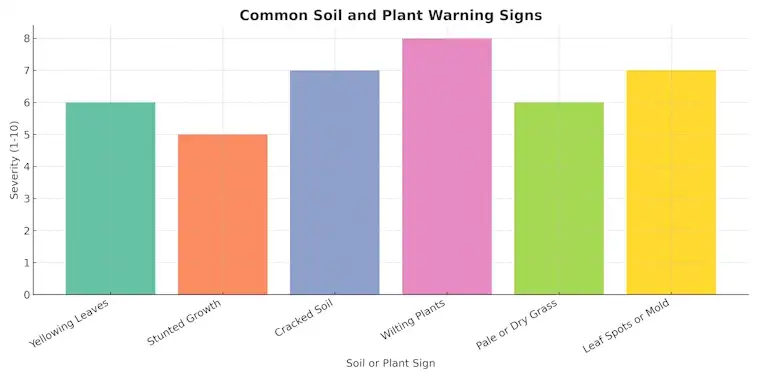
By noticing these subtle changes, you can fix small problems before they grow into costly or irreversible damage. Think of it as your garden’s early warning system, one that protects both your plants and the soil that sustains them.
What Your Community Can Do to Prepare for Water Shortages
When water supplies start to tighten, it’s not just a distant problem — it’s something that can hit close to home. Many towns and cities around the world are already learning how to adapt. The good news? Communities that plan ahead can reduce the risks, save money, and protect their way of life. Let’s look at how your community can do the same.
Facing Drought Together: Local Actions That Work
The first step is awareness. Talk with your neighbors and local leaders about how water is used — and wasted — in your area. It might surprise you how much can be saved just by fixing leaks, collecting rainwater, or switching to drought-resistant plants in public spaces.
Next, work with your community to create a water conservation plan. Schools, businesses, and households can all play a part. Think about steps like reusing greywater, installing smart irrigation systems, and hosting local “water-saving” workshops.
Community partnerships make a big difference. Team up with local environmental groups or city councils to apply for grants that support water sustainability projects. These funds can go toward upgrading water infrastructure or adding green spaces that naturally absorb rainwater.
Also, communication matters. Create simple guides or social media campaigns that remind people how to conserve water at home. Small habits, like turning off the tap while brushing or running full laundry loads, really add up when a whole town joins in.
If you’re looking for inspiration, the U.S. Environmental Protection Agency’s WaterSense program offers great community resources and case studies on how others are tackling water shortages.
With a bit of planning and teamwork, your community can not only survive dry seasons — it can thrive through them. Preparing for water shortages isn’t just smart policy; it’s an investment in your shared future.
Stay Alert — Protect Your Community Before Drought Strikes
As climate patterns shift, the early signs are becoming harder to ignore — drier soil, shrinking streams, and longer gaps between rainfall are all red flags. The good news? Acting early can make a real difference.
Communities that prepare ahead—by conserving water, planting drought-resistant gardens, and monitoring local conditions—can greatly reduce the impact when dry spells hit. You don’t have to wait for restrictions or news alerts to start making changes. Every drop you save and every conversation you start helps build resilience.
If you’ve noticed any of the warning signs in your area, take the next step. Learn more about local water-saving programs, share this article with your neighbors, and stay informed about changing weather trends. Droughts don’t happen overnight—but preparation can start today.