

Why Tree Planting Might Be the World’s Best Investment
Tree Planting: The Simple Act That Can Change Our Climate Future
Tree planting has quietly become one of the most powerful ways to build a better future — not just for the environment, but for the economy too. From cooling cities and capturing carbon to restoring farmland and creating green jobs, it offers an incredible return on investment that money alone can’t measure. Around the world, communities and companies are discovering that every tree planted today strengthens the foundation for a more stable, livable tomorrow.
As climate risks rise and resources shrink, tree planting stands out as a rare solution that delivers immediate and lasting benefits. It boosts soil health, supports biodiversity, and helps balance weather extremes — all while increasing land value and improving air quality. When you add it up, planting trees isn’t just an act of goodwill. It’s a strategy for growth, resilience, and long-term wealth that future generations will thank us for.

How Tree Planting Builds Long-Term Value for People and the Planet
Tree planting is one of those simple ideas that deliver surprisingly big results. At first glance, it looks like an act of kindness toward nature — but it’s much more than that. Each tree planted today becomes part of a living investment for our future. It strengthens communities, improves health, and creates long-term value for both people and the planet.
Think about what happens when a single tree grows. It cools the air, provides shade, and captures carbon dioxide. Multiply that by thousands, and you start to see how tree planting helps slow climate change. It’s a quiet, steady solution — one that builds value over time rather than overnight.
The Ripple Effect of Every Tree
Trees don’t just stand there looking beautiful. They work hard behind the scenes. Their roots help prevent soil erosion and protect water supplies. Their leaves clean the air we breathe. And their presence even boosts mental well-being. Green spaces in cities make people feel calmer and more connected. In fact, neighborhoods with more trees often have higher property values and happier residents.
But the true value of tree planting lies in its long-term benefits. While technology changes fast, trees grow slowly — offering decades of stability in an uncertain world. They serve as natural infrastructure, supporting local economies through eco-tourism, carbon credits, and sustainable forestry.
If you’d like to see how global organizations are scaling this up, check out The Nature Conservancy’s reforestation projects. Their work shows how collective action can restore entire ecosystems while creating green jobs and healthier communities.
Tree planting isn’t just an environmental act. It’s a long-term investment — one that pays back in cleaner air, richer soil, and a more hopeful future. And the best part? Anyone can take part, one tree at a time.
The Hidden Economic Power of Forests You Rarely Hear About
When people think about forests, they often picture peace, fresh air, or maybe a hiking trail. But forests do far more than offer a weekend escape. They are quiet economic engines that drive industries, create jobs, and stabilize entire communities. Yet, their true financial impact often flies under the radar.
Globally, forests contribute over $600 billion annually to the economy through timber, tourism, and carbon storage. They also support more than 50 million jobs, many of which are in rural areas that depend on forest ecosystems to survive. Beyond that, forests save governments billions in climate mitigation and water management costs.
When we protect and restore forests, we’re not just saving trees. We’re investing in long-term economic resilience. Healthy forests mean stable rainfall, fertile soil, and lower disaster risks. Those benefits ripple through agriculture, energy, and even real estate markets.
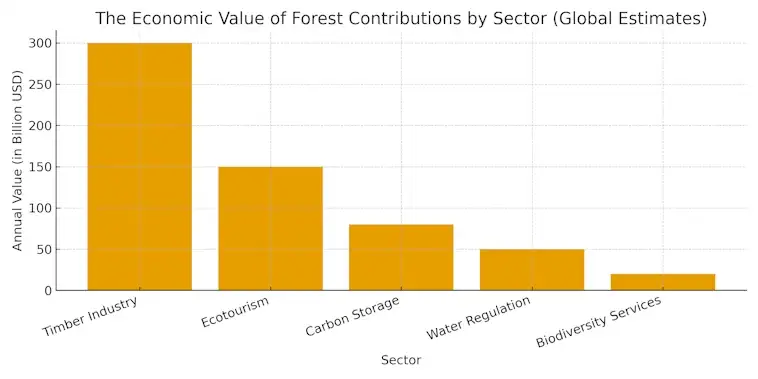
It’s time to see forests not just as natural beauty, but as vital infrastructure for the future economy. They’re as essential to our financial wellbeing as roads or power lines—only far greener.
If you want to learn more about how forest economics is shaping global sustainability, visit World Resources Institute for insights and data.
Tree Planting as a Climate Strategy That Actually Pays Off
Tree planting has often been seen as a simple act of goodwill — something nice to do for the planet. But in recent years, it’s become clear that it’s much more than that. Tree planting is one of the most effective, affordable, and rewarding climate strategies available today. And the best part? It actually pays off — both for the environment and for people.
Think of it this way: trees are nature’s multitaskers. They clean the air, cool our cities, and restore damaged land. When done right, tree planting helps stabilize our climate and improve local economies. It’s not just about greening spaces anymore — it’s about building long-term value.
Here’s why tree planting works so well:
- Carbon capture powerhouse: Trees absorb carbon dioxide, one of the main greenhouse gases driving climate change. Mature forests can store billions of tons of carbon.
- Cooling effect: Planting trees in urban areas can lower local temperatures by several degrees, reducing the need for energy-hungry air conditioning.
- Flood and erosion control: Tree roots help the soil absorb water, cutting the risk of floods and landslides.
- Boost for biodiversity: Forests provide shelter and food for countless species, keeping ecosystems balanced.
- Economic and social benefits: From creating green jobs to improving public health, tree planting programs often give back more than they take.
Of course, not all tree planting efforts are equal. The right species, planted in the right places, make all the difference. Poorly planned projects can do more harm than good. That’s why many experts emphasize community-led programs and long-term maintenance over quick fixes.
If you want to see how global tree planting projects are making a measurable impact, check out The Trillion Trees Initiative — a partnership working to protect and restore forests worldwide.
In the end, tree planting isn’t just a feel-good gesture. It’s a proven climate strategy that delivers real, lasting results. And as more communities and businesses join in, those benefits will only continue to grow.
From Local Jobs to Global Impact: The Ripple Effect of Reforestation
When we talk about reforestation, most people picture trees being planted and landscapes turning green again. But there’s more to it. Reforestation doesn’t just heal the planet — it transforms lives. Every new tree creates a chain reaction of benefits that reach far beyond the forest floor.
In local communities, planting trees brings new opportunities. It creates jobs in nurseries, planting, and maintenance — often in areas where work is scarce. These jobs can lift families out of poverty while giving them a sense of pride and purpose.
But the ripple doesn’t stop there. As forests grow, they capture carbon dioxide, improve soil health, and protect water sources. The result? Cleaner air, stronger ecosystems, and a measurable reduction in global emissions. It’s local action with worldwide consequences.
Take a look at this chart showing how reforestation projects are making a difference across several countries:
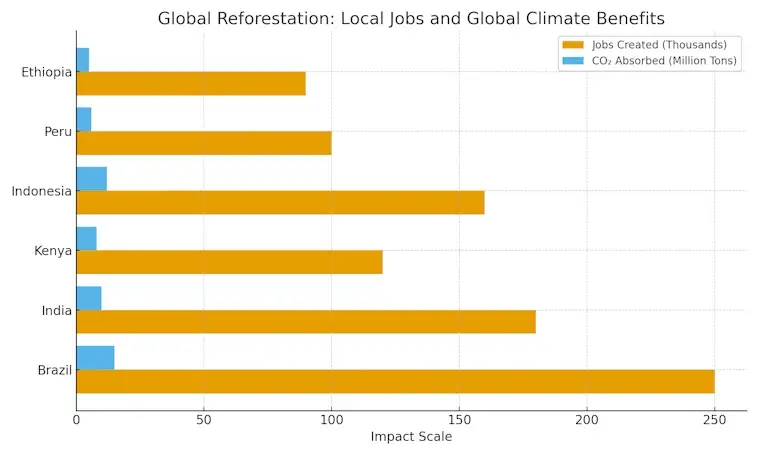
These numbers highlight something powerful — when communities plant trees, they’re not just restoring forests; they’re rebuilding futures.
To learn more about the global benefits of reforestation and how communities are driving change, visit One Tree Planted.
Why Investing in Nature Could Be the Smartest Move of the Decade
Have you noticed how conversations about the economy are starting to sound a lot like conversations about the environment? It’s no coincidence. Investing in nature is no longer just a moral choice—it’s fast becoming a smart financial move. From cleaner air to climate resilience, the natural world is proving to be one of our most valuable assets.
When we protect and restore ecosystems, we’re not just helping wildlife. We’re strengthening our food systems, stabilizing local economies, and even improving public health. Think of it this way: every tree, wetland, and coral reef is working quietly in the background—absorbing carbon, filtering water, and cooling our cities. These are services that would cost billions to replace artificially.
Businesses are starting to notice too. Forward-thinking companies are investing in green projects that deliver both profit and purpose. Governments are creating incentives for nature-based solutions, and investors are pouring money into reforestation, soil restoration, and renewable energy. This shift isn’t a passing trend—it’s the foundation of a new kind of economy.
Tree Planting as a Long-Term Investment
Tree planting might sound simple, but its impact stretches far beyond the forest floor. Each tree helps regulate local temperatures, supports biodiversity, and stores carbon for decades. Communities that invest in large-scale reforestation are seeing real returns—like better air quality, reduced flooding, and stronger tourism sectors.
If you’re looking for an inspiring example, check out Ecosia, the search engine that plants trees with every online search. It’s a small action that adds up to a global difference.
The bottom line? Investing in nature is like investing in your own future. It pays back over time—in cleaner air, healthier people, and a more stable planet. The smartest move of the decade might not be in tech stocks or crypto. It might just be in the soil beneath our feet.
Growing a Greener Future Starts With You
Tree planting isn’t just an environmental act — it’s one of the smartest investments we can make for our planet and ourselves. Each tree planted helps clean the air, cool the planet, protect biodiversity, and even boost local economies. It’s a small action with exponential returns, both today and for generations to come.
The truth is, every sapling matters. Whether you plant one in your backyard, support a reforestation project, or simply share this message, your choices create ripples of positive change.
If you believe in a greener, more sustainable future, now’s the time to take action. Join local planting initiatives, donate to verified tree-planting programs, or start with a single seedling. The best investment in the world doesn’t require a Wall Street account — just a bit of soil, sunlight, and commitment.
Ready to make a difference?
Start planting today — because the best time to grow our future is now.