
Marine Imbalance: A Warning from Our Fading Seas
Marine Imbalance: How Human Activity Is Pushing Our Oceans to the Brink
Our oceans are sending out a clear warning. The growing marine imbalance, driven by pollution, overfishing, and rising temperatures, is disrupting delicate ecosystems that once seemed unshakable. Coral reefs are bleaching, fish populations are collapsing, and coastlines are losing their natural defenses. Each change beneath the surface is quietly reshaping life above it, from food security to weather patterns.
The sea’s decline isn’t just an environmental story; it’s a global one that touches economies, cultures, and the very rhythm of the planet. Scientists warn that the tipping point may come sooner than expected, yet hope remains. With smarter conservation, cleaner technologies, and a renewed respect for ocean life, restoration is still within reach. The question now is how quickly we can act before balance slips beyond recovery.
Marine Imbalance and the Fragile Future of Ocean Ecosystems
The ocean has always been a place of wonder. But lately, it’s also become a warning sign. Beneath the calm surface, our seas are changing faster than we can imagine. The delicate balance that keeps marine life thriving is starting to tilt — and that shift is what scientists call marine imbalance.
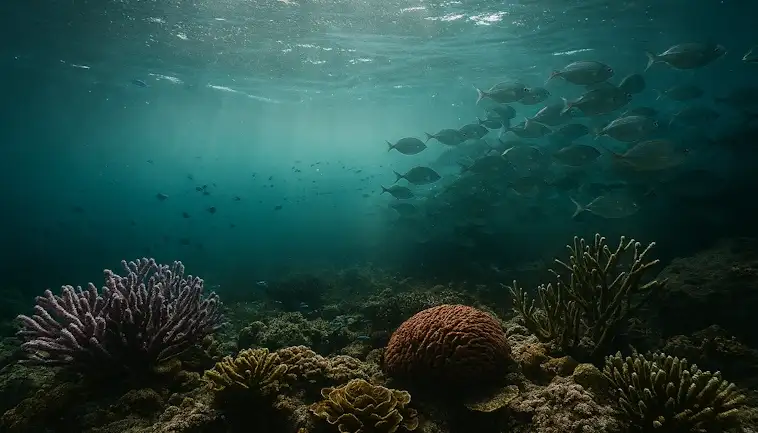
When we talk about marine imbalance, we’re really talking about how human activity is disrupting natural systems. Overfishing, pollution, and rising ocean temperatures are all pushing marine ecosystems out of sync. Coral reefs are bleaching, fish populations are shrinking, and once-stable food chains are breaking down. It’s not just the ocean that suffers — it’s us, too.
The Ripple Effect of a Changing Sea
Every drop of ocean life is connected. When small species disappear, larger ones struggle to survive. When coral reefs die, coastal communities lose protection from storms. Even the air we breathe depends on ocean health, since marine plants produce more than half of our oxygen. Marine imbalance, then, isn’t a distant issue. It’s a crisis that reaches our dinner plates, our weather, and our future.
But there’s still hope. Around the world, conservation projects are helping restore damaged reefs and reduce plastic pollution. Sustainable fishing is gaining momentum. And more people are waking up to the idea that the ocean isn’t just a resource — it’s a living system we depend on.
If we can restore balance beneath the waves, we can protect not only marine life but our own way of life, too. The challenge is urgent, but the future is still ours to shape.
The Human Footprint: How Industry and Pollution Disturb the Seas
The ocean has always been our planet’s silent guardian. It absorbs carbon, regulates climate, and sustains life. But lately, it’s struggling to keep up. The fingerprints of industry and pollution are all over our seas, and the evidence is impossible to ignore.
From oil spills that blanket coastlines to the endless stream of plastics washing up on shores, our industrial growth has left a visible scar. Factories discharge chemicals and metals into rivers that flow straight into the sea. Meanwhile, shipping routes crisscross the planet, spewing emissions and leaking waste into the water. Even the fertilizers used on farms miles inland eventually find their way to the ocean, fueling toxic algae blooms.
The result? Marine life is under stress, coral reefs are dying, and ocean ecosystems are losing balance. This isn’t just an environmental issue—it’s a human one. The same waters that provide food and jobs for millions are being poisoned by the very systems meant to drive progress.
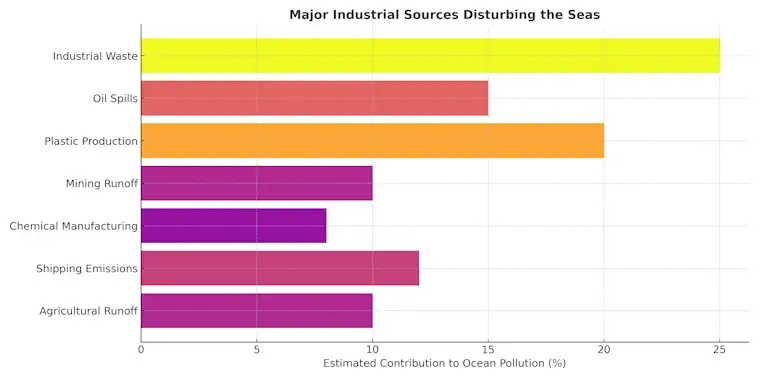
It’s a clear reminder that while our innovations shape the future, they also shape the health of the planet. The question now is: can we innovate our way out of the damage we’ve caused?
Marine Imbalance: Understanding the Warning Signs from Beneath the Waves
The ocean has always been a place of mystery and wonder. But beneath its shimmering surface, things are starting to change — and not for the better. Scientists are sounding the alarm about a growing marine imbalance, a disruption in the natural harmony that keeps our seas alive and thriving.
Think of the ocean as a living system. Every creature, from tiny plankton to massive whales, plays a part in keeping it balanced. When that balance shifts, the effects ripple through the entire ecosystem — and eventually, they reach us too.
Let’s look at some of the clearest warning signs of marine imbalance that are already unfolding:
- Coral bleaching: Rising sea temperatures are turning vibrant coral reefs into ghostly white skeletons, wiping out vital marine habitats.
- Overfishing: Too many fish are being caught too quickly, breaking the natural food chain and leaving other species struggling to survive.
- Plastic pollution: Microplastics are showing up in fish, sea salt, and even our drinking water. The ocean is choking on our waste.
- Acidifying seas: Carbon emissions are making the ocean more acidic, threatening shellfish, coral, and countless marine organisms.
- Declining biodiversity: Once-rich coastal ecosystems are losing species faster than they can recover, creating a fragile and unpredictable ocean environment.
Each of these signs points to a deeper problem — the ocean is under stress. The marine imbalance we see today is a reflection of how human activity has pushed the limits of what marine life can handle.
But the good news is, awareness is growing. People around the world are taking action to protect the seas — from reducing plastic waste to restoring coral reefs and enforcing sustainable fishing laws.
If we listen to what the ocean is telling us, we still have time to restore its balance. The health of our planet depends on it — because when the ocean thrives, so do we.
From Coral Reefs to Coastlines: The Global Cost of Ignoring Our Oceans
Our oceans are in trouble, and the bill is coming due. Every wave that crashes on the shore tells a story of change—warming waters, dying coral reefs, and shrinking fish populations. These aren’t distant problems; they’re reshaping economies, communities, and the very balance of our planet.
Think about coral reefs for a moment. They’re often called the rainforests of the sea, home to about 25% of all marine life. Yet, we’ve already lost more than half of them due to pollution, overfishing, and rising sea temperatures. That’s not just an ecological disaster—it’s an economic one. Healthy reefs protect coastlines, boost tourism, and support fishing industries. When they vanish, so do jobs and food security for millions of people.
Coastal erosion is another quiet crisis. As sea levels rise, entire communities are being forced to move inland. Coastal cities now spend billions on seawalls and flood protection just to stay above water. Meanwhile, ocean acidification is damaging shellfish and coral, disrupting food chains that humans depend on.
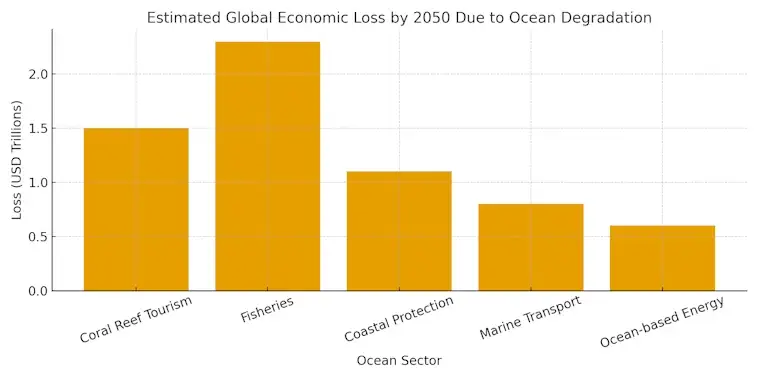
Ignoring these signs isn’t just shortsighted—it’s costly. The global economy could lose trillions of dollars by 2050 if we fail to protect marine ecosystems. But there’s still hope. Investing in ocean health today—through cleaner industries, protected marine zones, and sustainable fishing—can create jobs, restore biodiversity, and secure a future for generations to come.
Turning the Tide: Restoring Balance to a Changing Marine World
The ocean has always been a place of mystery and beauty, but it’s also our planet’s life support system. It regulates the climate, provides food, and sustains millions of species—including us. Yet today, this vast blue world is showing signs of distress. Rising temperatures, plastic pollution, and overfishing are throwing marine ecosystems out of sync.
It’s easy to feel overwhelmed, but here’s the truth: change is still possible. Around the world, scientists, communities, and everyday people are finding new ways to restore the ocean’s natural rhythm. They’re rebuilding coral reefs, reducing waste, and protecting endangered species. These efforts may seem small, but together, they create powerful ripples of hope.
Understanding the Causes of Marine Imbalance
Marine imbalance happens when the ocean’s natural systems are disrupted. Think of it like a finely tuned orchestra suddenly losing half its instruments. When coral reefs die, fish populations drop. When too many nutrients enter the water from farming or sewage, oxygen levels fall—creating “dead zones” where little can survive.
But this imbalance isn’t irreversible. Seagrass meadows can be replanted to absorb carbon and filter water. Fishing limits can give depleted species a chance to recover. And cleaner coastal practices can reduce the runoff that suffocates marine life.
Restoring the ocean’s balance isn’t just about saving sea life—it’s about securing our own future. A healthy ocean stabilizes weather, stores carbon, and feeds billions. So, when we protect the sea, we’re really protecting ourselves.
The tide is turning, slowly but surely. Each act of restoration, each effort to reduce waste or conserve resources, brings us closer to harmony with the ocean once again.
Turning the Tide: Why Protecting Our Oceans Starts with Us
Our oceans are sending us a clear message — they can no longer absorb the pressure of unchecked pollution, overfishing, and rising temperatures. The balance that once sustained countless species, including our own, is slipping away. Yet, it’s not too late to act.
Every choice we make — from the seafood we buy to the plastic we avoid — can help restore marine life and rebuild ocean health. Supporting sustainable practices, backing marine conservation efforts, and spreading awareness all add up to meaningful change.
The sea’s decline isn’t just an environmental issue; it’s a human one. The oceans feed us, regulate our climate, and shape life itself. If we act now, we can still protect this incredible blue world for generations to come.