

Firestorm Warnings We Can’t Afford to Ignore
Firestorm: How Climate Change Is Fueling the Next Wave of Extreme Disasters
A firestorm doesn’t start as a monster — it begins with a spark. But when record heat, dry winds, and shrinking forests collide, that spark can turn into a catastrophe faster than most people realize. Around the world, communities are facing longer fire seasons and fiercer blazes that are rewriting what “normal” weather looks like.
What once seemed like rare, once-in-a-decade events are now hitting every few years, leaving behind charred towns, toxic air, and massive economic losses. Scientists warn that these extreme fire patterns are part of a global shift linked to climate change, deforestation, and poor land management. The result? Fire storms that burn hotter, move faster, and last longer than anything we’ve seen before.
Understanding these warnings isn’t just about safety — it’s about survival. The more we know, the better prepared we are to protect our homes, our health, and our planet’s future.
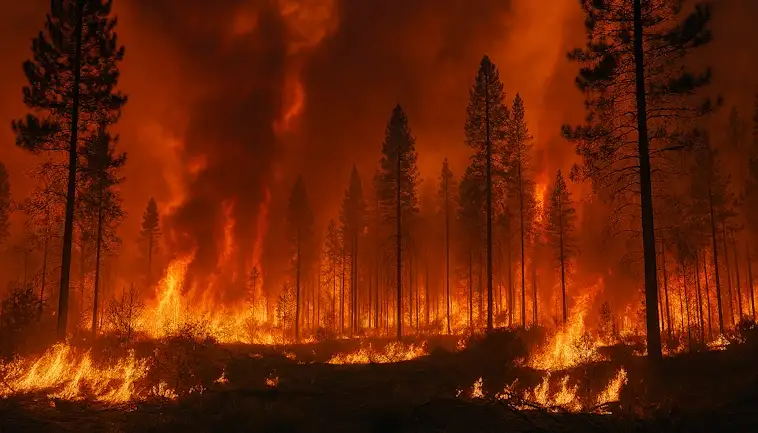
Firestorm Facts: Understanding the Growing Threat Behind the Flames
Wildfires used to be rare, seasonal events. Now, they’re becoming a frightening new normal. From the hills of California to the forests of Australia, firestorms are burning bigger, faster, and hotter than ever before. But what’s really driving this rise? And what can we learn from the growing threat behind the flames? Let’s break it down together.
What Really Fuels a Firestorm
It’s easy to blame heat waves or dry grass, but firestorms are powered by a mix of factors. Rising global temperatures are drying out vegetation earlier each year. Longer droughts turn once-green forests into tinderboxes. Add in high winds, and a single spark can unleash a wall of fire that moves faster than anyone can escape.
Scientists say climate change is supercharging these conditions. In fact, studies show that “megafires” — blazes burning more than 100,000 acres — have doubled in frequency over the last two decades. It’s not just nature reacting; human activity, from deforestation to power lines, adds more fuel to the fire.
When flames merge into a firestorm, they create their own weather. You read that right — rising heat columns form clouds that can produce lightning, wind gusts, and even “fire tornadoes.” Once that happens, containment becomes nearly impossible.
But understanding this cycle is key. Firestorms aren’t just random disasters. They’re signals — urgent warnings that our environment is out of balance.
If we can recognize those signals early, we can adapt faster. Smarter land management, reforestation, and community preparedness can all help reduce future risks. The goal isn’t to stop fires entirely — that’s impossible — but to prevent them from spiraling out of control.
In the end, firestorms remind us that climate change isn’t a distant issue. It’s here, reshaping how we live, work, and breathe. The flames are a symptom. The solution starts with understanding what fuels them — and what we can do next.
When Weather Turns Deadly: How Heatwaves and Droughts Create Perfect Fire Conditions
It starts quietly. The air turns heavy, the sun feels harsher, and the rain just doesn’t come. Before long, what seems like another hot spell becomes something far more dangerous — a perfect setup for wildfires.
Across the world, heatwaves and droughts are joining forces to fuel record-breaking fires. When the ground dries out and vegetation loses its moisture, forests and grasslands become tinderboxes. Add a spark — from lightning, power lines, or even human activity — and flames can spread faster than firefighters can respond.
In recent years, climate data has shown a sharp rise in wildfire risk. Regions once considered safe are now on alert each summer. The connection is clear: as global temperatures climb, the planet is becoming more flammable.
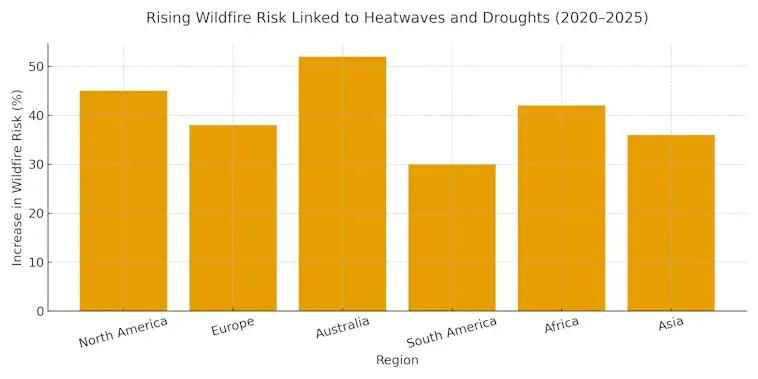
This isn’t just a story of rising heat. It’s about the chain reaction that follows — scorched ecosystems, lost homes, polluted air, and rising carbon emissions that feed the next round of extreme weather. It’s a cycle we urgently need to break.
Firestorm Preparedness: Simple Steps That Can Save Lives and Communities
When fire season hits, it can feel sudden — one moment, the air is clear, and the next, the sky turns orange. Firestorms move fast and don’t wait for anyone to be ready. But the truth is, preparation doesn’t have to be complicated. A few simple steps can make all the difference for you, your loved ones, and even your neighbors.
Wildfires are growing more intense each year, fueled by heat, drought, and dry winds. Still, communities that plan ahead stand a much better chance of staying safe and rebuilding faster afterward. So, let’s talk about what you can do today — before smoke fills the air.
Here are some practical, life-saving steps to take:
- Create a defensible space. Clear leaves, branches, and debris at least 30 feet from your home. This gives firefighters room to work and helps slow the flames.
- Prepare a “go bag”. Pack essentials like water, medications, identification, flashlights, and a battery-powered radio. Keep it by the door or in your car.
- Know your evacuation routes. Plan two or more ways out of your neighborhood in case one is blocked. Practice them with your family.
- Sign up for local alerts. Many communities use text or email systems to warn residents early.
- Protect important documents. Store copies of insurance papers, passports, and family photos in a fireproof box or cloud storage.
- Harden your home. Use ember-resistant vents, metal gutters, and non-combustible roofing materials.
- Help your neighbors. Check in with older adults or those with limited mobility to ensure they have a plan too.
These steps might seem small, but together they build resilience. Firestorms test the strength of communities — not just homes. Preparing now means protecting more than property; it’s about saving lives, memories, and the places we love.
The Ripple Effect: How Wildfires Disrupt Health, Homes, and the Economy
When we see news of wildfires, it’s easy to focus on the flames. But the real impact runs far deeper. Wildfires don’t just burn forests—they disrupt lives, damage economies, and leave behind invisible health threats that linger long after the smoke clears.
Let’s break it down. When a wildfire spreads, homes and infrastructure are often the first to go. Families are displaced, sometimes losing everything they own. Rebuilding can take months or even years, and insurance costs usually skyrocket afterward. In many communities, that financial strain pushes families to move away for good.
But the damage doesn’t stop there. The air during and after wildfires becomes filled with fine particles that can travel hundreds of miles. Breathing this polluted air increases the risk of heart and lung disease, even for people far from the fire zone. Hospitals see spikes in respiratory issues, especially among children and the elderly.
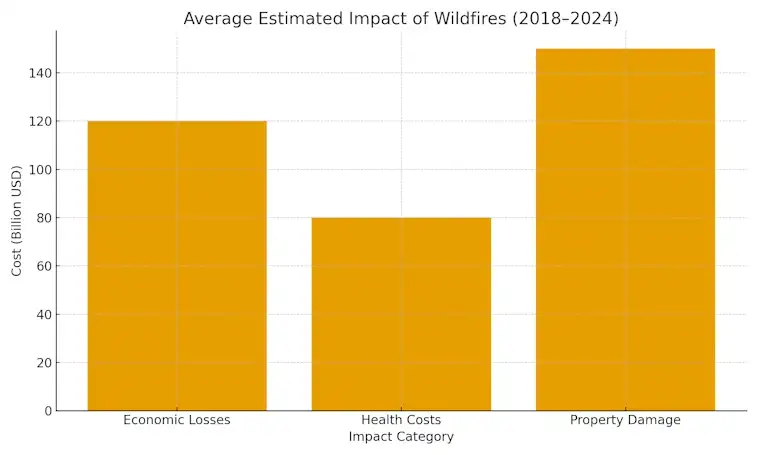
Then there’s the economic ripple effect. Wildfires destroy crops, disrupt tourism, and slow down local businesses. Cleanup costs drain local and national budgets. In some regions, a single major wildfire season can wipe out years of economic progress.
The truth is, wildfires are no longer rare events. As the climate warms, seasons are getting longer and fires more intense. Preparing for them isn’t just about firebreaks and water drops anymore—it’s about protecting our health, homes, and future prosperity.
Looking Ahead: Can Innovation and Policy Stop the Next Big Blaze?
Wildfires are becoming bigger, hotter, and harder to control. Every summer seems to bring a new record-breaking blaze somewhere in the world. But what if the next great fire doesn’t have to happen at all? What if science, smart policy, and a little creativity could turn the tide?
That’s the question many researchers, governments, and innovators are racing to answer. From satellite tracking to artificial intelligence, new tools are helping predict where fires might ignite before they even start. Drones can now scan dry forests for danger zones, while sensors monitor wind, temperature, and humidity in real time. It’s like giving nature a health check before disaster strikes.
But technology alone can’t save us. Real change also depends on leadership — and policy that turns data into action. Stronger building codes, better forest management, and climate-smart land use all play a part. Local communities, too, are learning how to protect themselves with early warning systems and emergency training.
A Rising Firestorm of Change
We’re already seeing what happens when innovation meets determination. Countries like Australia and the United States are investing in “fire-resilient landscapes.” These projects focus on restoring natural barriers, using controlled burns safely, and planting vegetation that resists flames. It’s a shift from fighting fires to preventing them — a mindset that could define the future of fire safety.
The truth is, stopping the next big blaze isn’t impossible. It just requires working together — governments, scientists, and everyday people — to think ahead and act now. Because when we invest in prevention today, we protect the homes, forests, and lives of tomorrow.
The Wake-Up Call We Can’t Keep Snoozing On
Wildfires aren’t just a seasonal crisis anymore — they’re a signal. A warning that our changing planet is demanding our attention. Each blaze leaves behind more than burned forests and lost homes; it exposes the fragile balance we’ve ignored for too long. But here’s the hopeful part — it’s not too late to change course.
We can strengthen our communities, push for smarter climate policies, and support technologies that predict and prevent future firestorms. Every choice — from what we consume to how we vote — can help reduce the risks ahead.
If you’ve made it this far, you already care. So take the next step: share this article, start a conversation, and stay informed. The more we understand the warnings, the better equipped we’ll be to face them — together.