

How Solar Power Is Quietly Changing the World
The Rise of Solar Power: A Cleaner Path to a Sustainable Future
Solar power is transforming the way we think about energy, and it’s doing so more quietly than most revolutions. Across rooftops, deserts, and even oceans, sunlight is being turned into clean electricity that powers homes, schools, and cities. As costs fall and efficiency rises, this once niche technology is reshaping global energy systems and driving a shift away from fossil fuels.
What makes this change remarkable is how widespread it’s become. From remote villages gaining electricity for the first time to major corporations running entirely on renewable energy, solar power is reaching every corner of society. It’s not just about cleaner air or lower bills—it’s about creating a more resilient and self-sufficient future. And the best part? The story is still unfolding, faster than many expected.
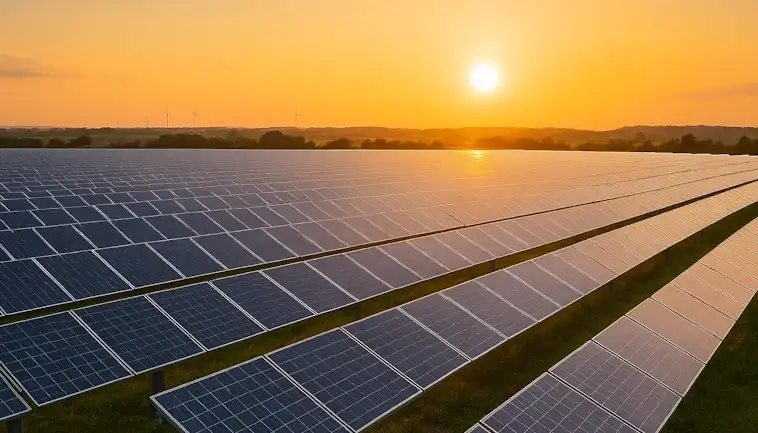
Solar Power and the Shift Toward Energy Independence
There’s something empowering about producing your own energy. For decades, most of us have relied on big utility companies to keep the lights on. But today, that’s changing—fast. Solar power is leading a quiet revolution, putting energy control back into the hands of homeowners, small businesses, and communities.
Solar energy isn’t just about saving on electricity bills anymore. It’s about freedom. With every rooftop panel installed, people are reducing their dependence on fossil fuels and unpredictable energy markets. And as solar technology becomes more affordable and efficient, energy independence is no longer a dream—it’s becoming the norm.
Why Solar Makes Sense Now
The real breakthrough isn’t just in technology—it’s in mindset. People are beginning to see solar as a long-term investment, not just an environmental statement. Battery storage systems, for instance, now make it possible to keep homes running even during blackouts. That kind of security is priceless.
Governments and local councils are also offering tax incentives and rebates, making it easier than ever to make the switch. Combine that with the falling cost of solar panels, and the balance has clearly tipped. It’s no longer a question of if solar will take over, but when.
More importantly, solar power is helping communities take charge of their energy future. Entire neighborhoods are forming “solar co-ops,” where residents share knowledge, resources, and savings. It’s a movement that’s as much about people as it is about power.
The shift toward energy independence is already underway—and it’s accelerating. By embracing solar today, we’re not just generating clean electricity. We’re building a more resilient, self-reliant future.
The Hidden Economic Ripple of Renewable Energy
When we talk about renewable energy, the conversation often stops at clean air and lower emissions. But there’s another side that’s just as powerful — the quiet economic ripple that spreads through communities when we shift to green power.
Think about it. Every solar panel, wind turbine, or battery plant represents more than just technology. It represents jobs, innovation, and local growth. Installing solar panels means hiring electricians, manufacturers, and engineers. Wind farms don’t just generate electricity — they generate income for landowners, and new business for local suppliers.
Even beyond that, renewable energy often brings stability to local economies. Once built, these energy systems keep running with relatively low costs. That means communities can spend less on importing fossil fuels and more on schools, healthcare, and infrastructure.
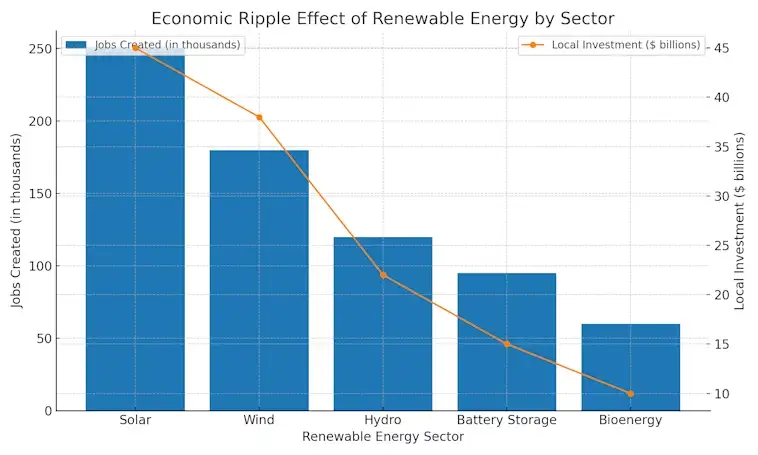
And here’s something many people overlook: renewables attract investment. As energy costs fall, small businesses can expand and new startups emerge. The money saved on energy bills doesn’t disappear — it stays in circulation, boosting local economies from the ground up.
It’s a quiet transformation, but a powerful one. The shift to renewable energy is not just saving the planet — it’s rewiring our economies for the better.
Why Solar Power Is Becoming the People’s Energy Source
Let’s face it—energy costs are rising, and people are tired of feeling powerless about it. That’s why solar power is suddenly everywhere. From small towns to busy cities, more homeowners, renters, and even businesses are turning rooftops into mini power stations. It’s not just about being eco-friendly anymore—it’s about independence, savings, and control.
Solar energy has become the people’s energy source because it’s more accessible, affordable, and empowering than ever before. Governments are offering incentives, technology has improved, and installation prices have dropped dramatically over the past decade. What used to be a futuristic dream is now a practical choice for everyday people.
Here’s why solar power is taking off:
- Lower Costs: The price of solar panels has dropped by more than 80% in the past decade.
- Energy Independence: People can produce their own power instead of relying solely on the grid.
- Eco-Friendly: Solar energy produces zero emissions and helps fight climate change.
- Government Incentives: Tax credits, rebates, and financing programs make it easier to get started.
- Job Growth: The solar industry is creating thousands of new, local jobs each year.
- Rising Energy Bills: As traditional energy prices climb, solar offers a way to lock in lower long-term costs.
What’s interesting is that solar is no longer seen as a luxury. It’s now a community movement—people sharing panels, joining solar co-ops, and even selling excess power back to the grid. The shift is both economic and cultural.
Looking ahead, solar energy could become the foundation of how we power our daily lives. Imagine neighborhoods powered by shared solar networks or electric vehicles charging from sunlight gathered on your own roof. It’s not far off—it’s already happening.
The sun is free, clean, and available to everyone. That’s why solar power isn’t just about technology—it’s about people taking back control of their energy future.
Cleaner Cities, Brighter Futures: The Environmental Payoff
Imagine stepping outside and breathing cleaner air while your city hums quietly on sunshine. That’s not a dream—it’s what solar power is helping cities achieve right now. Across the world, more urban centers are switching rooftops from gray to gleaming gold with solar panels. The payoff? Fresher air, quieter streets, and a noticeable drop in pollution.
Solar energy doesn’t just cut emissions; it changes the rhythm of city life. With less reliance on fossil fuels, local air quality improves, and people notice fewer smoggy days. Schools, offices, and homes powered by the sun are reducing strain on old power grids, while creating a more resilient energy future.
What’s exciting is how cities leading the charge are already seeing measurable results. From Los Angeles to Sydney, communities investing in solar are recording cleaner skies and lower carbon footprints. The more panels we install, the more we transform our cities—one rooftop at a time.
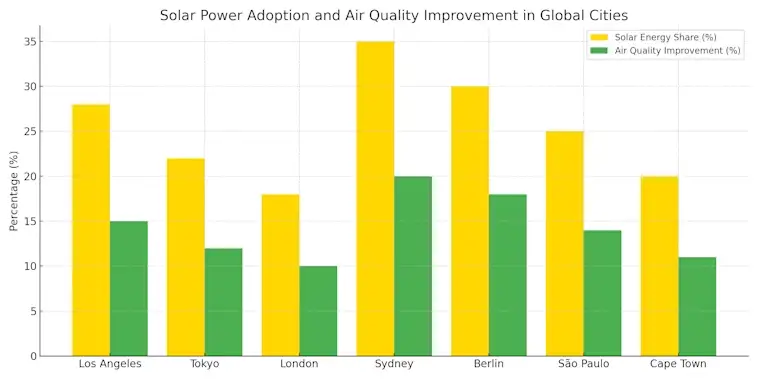
So, the next time sunlight hits your window, think of it as free power waiting to create a brighter, cleaner tomorrow.
What’s Next for the Global Solar Movement
The global solar movement isn’t slowing down—it’s just getting started. Around the world, solar energy is becoming more affordable, more efficient, and more essential to our daily lives. From rooftops in small towns to massive solar farms stretching across deserts, the sun is quietly reshaping how we power our world.
Right now, we’re standing at a turning point. As technology improves, solar panels are producing more energy using fewer materials. Governments are investing heavily, and private companies are racing to make solar storage smarter and more reliable. It’s no longer about if solar will lead the energy transition—it’s about how fast.
The Future of Solar Power Is Brighter Than Ever
The next decade will likely bring breakthroughs that make solar even more accessible. Think of flexible solar panels that can wrap around buildings, or transparent panels that double as windows. Battery systems will continue to evolve, helping homes and businesses store solar energy for night-time use or cloudy days.
We’ll also see more communities go off-grid entirely. With localized microgrids powered by solar, neighborhoods could produce and manage their own clean energy, cutting costs and boosting resilience during power outages.
At the same time, the global demand for clean energy will push innovation even further. Emerging markets in Africa, Asia, and Latin America are already embracing solar as the fastest path to reliable electricity. This growth won’t just transform economies—it will change lives.
As we move into this solar-powered future, one thing is clear: the sun has only begun to rise on the world’s clean energy story.
The Future Is Bright — and Solar Powered
As we look around, it’s clear that solar power isn’t just an alternative energy source anymore — it’s a quiet revolution transforming how the world produces and uses electricity. From rooftops in small towns to vast solar farms across deserts, the sun is becoming our most reliable and sustainable partner in progress.
The best part? This shift isn’t reserved for governments or big companies. It starts with individuals — homeowners, communities, and people who simply believe in a cleaner, smarter future. Every solar panel installed, every watt saved, is a step toward energy independence and a more stable planet.
If you’ve ever thought about going solar, now’s the time to explore your options. Learn how you can cut costs, reduce emissions, and join millions already leading the way toward a brighter, solar-powered future.