
Planet Overheating: The Truth No One Wants to Face
From Heatwaves to Wildfires: How Planet Overheating Is Rewriting Our Future
The signs of planet overheating are everywhere. Summers are stretching longer, wildfires are burning harder, and floods are turning familiar streets into temporary rivers. What once felt like distant warnings are now part of everyday life. Each season seems to rewrite what we thought was “normal,” leaving scientists, communities, and governments racing to keep up.
As global temperatures climb, the balance that sustains life on Earth is shifting fast. Crops struggle under intense heat, oceans swell with rising tides, and entire ecosystems fight to adapt. The ripple effects reach our food, our homes, and even our health. Yet within this growing crisis lies a moment of reckoning — and opportunity. How we respond to today’s extremes will shape the kind of world we hand to the next generation.

Planet Overheating: The Hidden Forces Driving Extreme Weather
Our planet isn’t just getting warmer—it’s heating up at an alarming rate. Every summer seems hotter, storms hit harder, and wildfires burn longer. But behind the chaos of extreme weather, there’s a bigger story unfolding—one shaped by powerful, unseen forces that are quietly pushing our climate to the brink.
You’ve probably noticed it yourself. Winters that feel too short. Heat waves that last too long. Floods where they never used to happen. These aren’t random flukes. They’re the direct result of a global system that’s out of balance.
As greenhouse gases build up in the atmosphere, they trap heat that once escaped into space. This energy supercharges the weather. It turns mild rain into torrential storms and warm days into dangerous heat waves. Even the oceans are changing—absorbing excess heat and altering wind and rainfall patterns around the world.
Why the Jet Stream Is Acting So Strange
One of the biggest culprits behind extreme weather is the jet stream—a fast-moving river of air that circles the planet. It usually keeps cold and warm air where they belong. But as the Arctic warms faster than the rest of the world, that jet stream starts to wobble. These shifts can lock weather patterns in place, causing lingering heat waves or unrelenting rain.
The result? More destructive hurricanes, sudden freezes, and record-breaking droughts—all in places once considered safe from such extremes.
What’s worrying is how interconnected all of this has become. When ice melts in the Arctic, it changes ocean currents. When those currents shift, it affects rainfall in Asia, Africa, and beyond. It’s a domino effect—one that scientists warn could accelerate if we don’t act soon.
Still, there’s hope. Every new piece of data helps us understand what’s driving these changes—and how to adapt. By cutting emissions, protecting natural systems, and rethinking how we use energy, we can slow the overheating of our planet.
The future of our weather is still being written. And what we do next will decide how extreme it becomes.
When Every Degree Counts: Why Global Warming Feels Personal Now
You’ve probably noticed it — summers that seem hotter, winters that feel off, and storms that no longer follow the rules. Global warming isn’t a distant threat anymore. It’s here, reshaping how we live, one degree at a time.
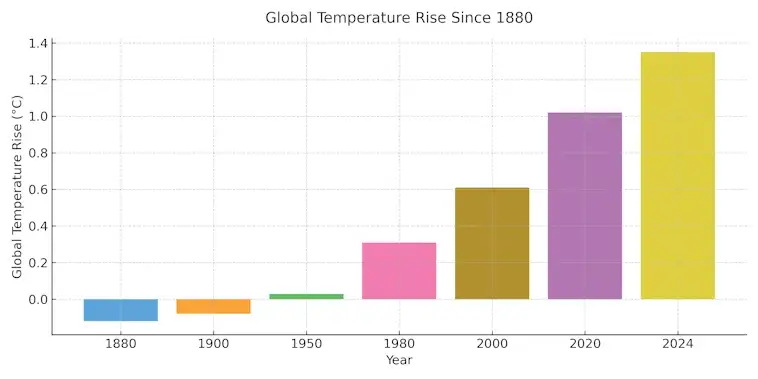
A century ago, the idea that a small temperature rise could change the world might’ve sounded dramatic. But now, each fraction of a degree matters. The difference between 1°C and 2°C of global warming isn’t just a number — it’s the gap between manageable change and dangerous disruption.
Look at how global temperatures have climbed since the 1880s. What once crept slowly is now racing ahead. That steady rise is melting glaciers, fueling wildfires, and pushing weather extremes right to our doorsteps.
It’s easy to think global warming is about faraway ice caps or polar bears, but it’s really about us. It’s about the heatwaves that test our power grids, the crops that struggle to survive, and the coastal towns preparing for floods that used to come once in a century.
The truth is simple: when every degree counts, every action matters. Each choice — from how we travel to how we power our homes — shapes the climate story we pass on. The good news? We still have the power to turn the tide.
How Planet Overheating Is Changing the Way We Live, Work, and Survive
Let’s face it — the planet is running a fever. Every year, heatwaves get hotter, droughts last longer, and storms hit harder. It’s not just about the weather anymore. It’s about how we live, work, and even survive in a world that’s quite literally heating up.
We often think climate change is something that happens “out there.” But it’s already shaping our daily lives in ways big and small. From the food on your plate to the hours you can safely work outside, global warming is rewriting the rules of modern life.
Here’s how rising temperatures are quietly — and sometimes loudly — changing everything:
- Where we live — Coastal cities are flooding more often. Heat is making some areas unlivable. People are already migrating to cooler, safer places.
- How we work — Outdoor jobs like farming, construction, and delivery are getting riskier in extreme heat. Even office workers feel it, as air conditioning bills soar and power grids strain.
- What we eat — Crops are struggling with heat and drought. Food prices rise as harvests fail. Some foods we love, like coffee and chocolate, could become luxury items.
- Our health — More heat means more stress on the body. Heatstroke, dehydration, and respiratory problems are climbing. Air pollution from wildfires makes it worse.
- Our routines — From shifting school hours to nighttime construction work, people are adjusting their days around the heat. It’s changing when and how we move, rest, and connect.
What’s clear is that this isn’t a distant warning — it’s our new reality. The good news? Humans are adaptable. We’ve faced big changes before, and innovation often comes from crisis.
So the question isn’t just how bad climate change will get — it’s how smart we’ll be in responding to it. Whether through smarter cities, greener energy, or personal lifestyle shifts, the way we choose to adapt now will define our future.
Nature on Edge: The Growing Chain Reaction of Climate Disasters
It feels like nature is reaching a breaking point. Every year, we see more floods, fires, droughts, and heatwaves—often happening at the same time, feeding off one another. What used to be “once in a generation” disasters are now regular headlines. And the scary truth? They’re all connected.
When a heatwave strikes, it dries up forests, creating perfect fuel for wildfires. Those fires, in turn, release massive amounts of carbon into the air, which makes the planet even hotter. Meanwhile, warmer oceans are supercharging storms and floods, wiping out communities that barely have time to recover before the next hit.
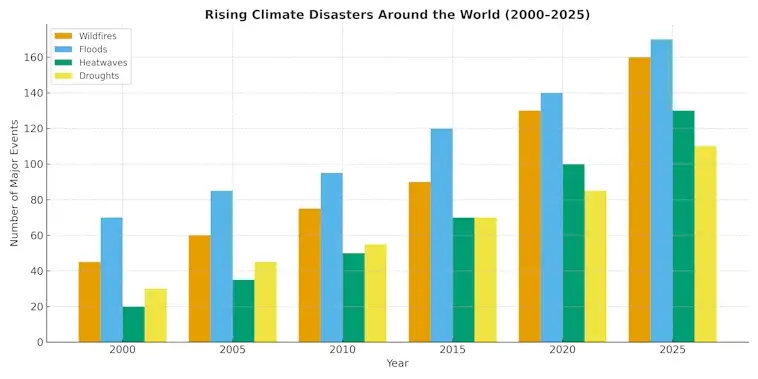
This chain reaction of climate disasters is like nature’s alarm system—and it’s getting louder. Scientists warn that unless we act fast, these overlapping crises could push fragile ecosystems past the point of no return. But the good news is, we still have time to slow the spiral. By cutting emissions, protecting forests, and investing in renewable energy, we can help nature stabilize—and maybe even heal.
The Future We Can Still Shape: Turning Climate Anxiety Into Action
Let’s be honest — it’s easy to feel overwhelmed these days. Everywhere we look, there’s news about melting ice, record-breaking heat, or devastating wildfires. Climate anxiety is real, and you’re not alone if you’ve ever felt helpless watching it all unfold. But here’s the truth: this isn’t the end of the story. It’s the beginning of the one we can still write — together.
The good news is that worry can be turned into energy. And that energy, when focused, can spark real change. Instead of feeling stuck, we can act — in our homes, our communities, and even in how we vote or spend our money. Small steps add up fast when millions of us move in the same direction.
Understanding the Risks of Planet Overheating
Our planet is heating up faster than at any point in human history. That’s not a distant threat; it’s something we’re living through right now. Rising temperatures are reshaping how we grow food, how we live, and even how we breathe. But this knowledge isn’t meant to scare — it’s meant to wake us up.
Knowing the risks helps us make smarter choices. We can push for clean energy, support sustainable brands, and reduce waste in ways that feel manageable. Most importantly, we can talk about it — because silence helps no one.
When we act, even in small ways, we shift the story from fear to hope. Change doesn’t start with governments or big corporations. It starts with people who care enough to do something — like you.
The future isn’t written yet. And that’s the most empowering part of all.
The Future Is in Our Hands — Let’s Cool the Planet Before It’s Too Late
As our planet grows hotter, we’re not just facing rising temperatures — we’re confronting a total reshaping of how we live. From deadly heatwaves to unstoppable wildfires, the signs of a warming world are all around us. But here’s the truth: it’s not too late to change course.
We have the science, the technology, and the collective power to turn things around. Every small step — from cutting energy waste and rethinking what we consume to supporting clean energy and climate-smart policies — adds up.
The future we choose starts with what we do right now. Let’s be the generation that cooled the planet down instead of watching it burn.